





 Portuguese
  English
  Spanish
  4 min of reading
  0 comments


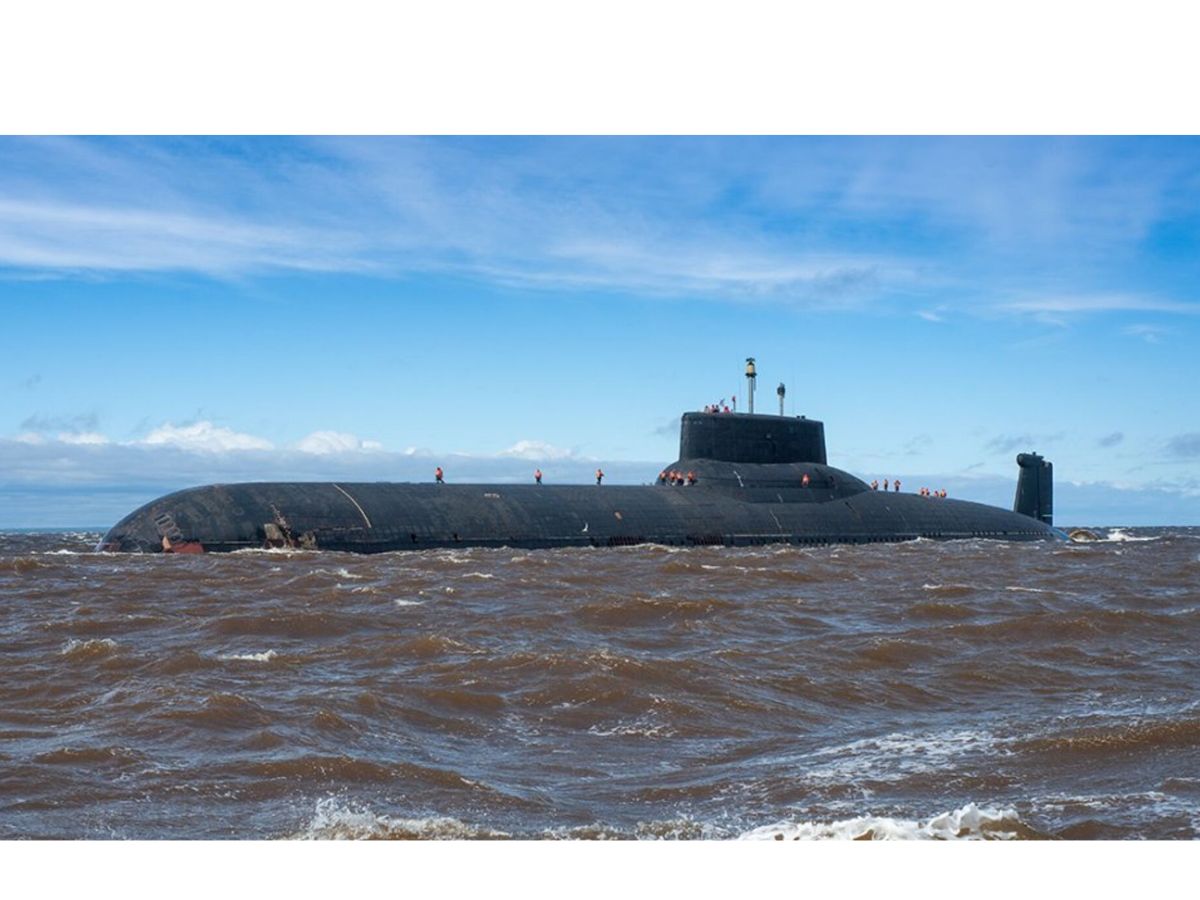
Understand Why The Autonomy Of A Nuclear Submarine Is Limited By Food, Not Fuel, And Discover The Differences Between The American Design And The Future Brazilian Submarine
The nuclear reactor of a submarine is one of the most transformative technologies in naval strategy. It allows a vessel to operate for years without refueling, offering a practically unlimited range. However, the idea that a submarine can stay submerged for 25 consecutive years, while based on facts, requires an important clarification.
The truth is that while nuclear technology has solved the energy problem, the actual autonomy of any submarine is ultimately defined by its crew. The final limitation is not the reactor, but the amount of food on board and the physical and psychological endurance of the team. Moreover, there are crucial differences between the designs of each country, such as the American and the Brazilian.
The Virginia Class of The U.S., 33 Years Of Operation Without Refueling
The attack submarines of the Virginia class, from the U.S. Navy, are an impressive example of autonomy. They are equipped with the S9G reactor model, designed to operate for 33 years without the need to change the nuclear fuel. This means that the reactor lasts throughout the submarine’s projected lifespan.
-
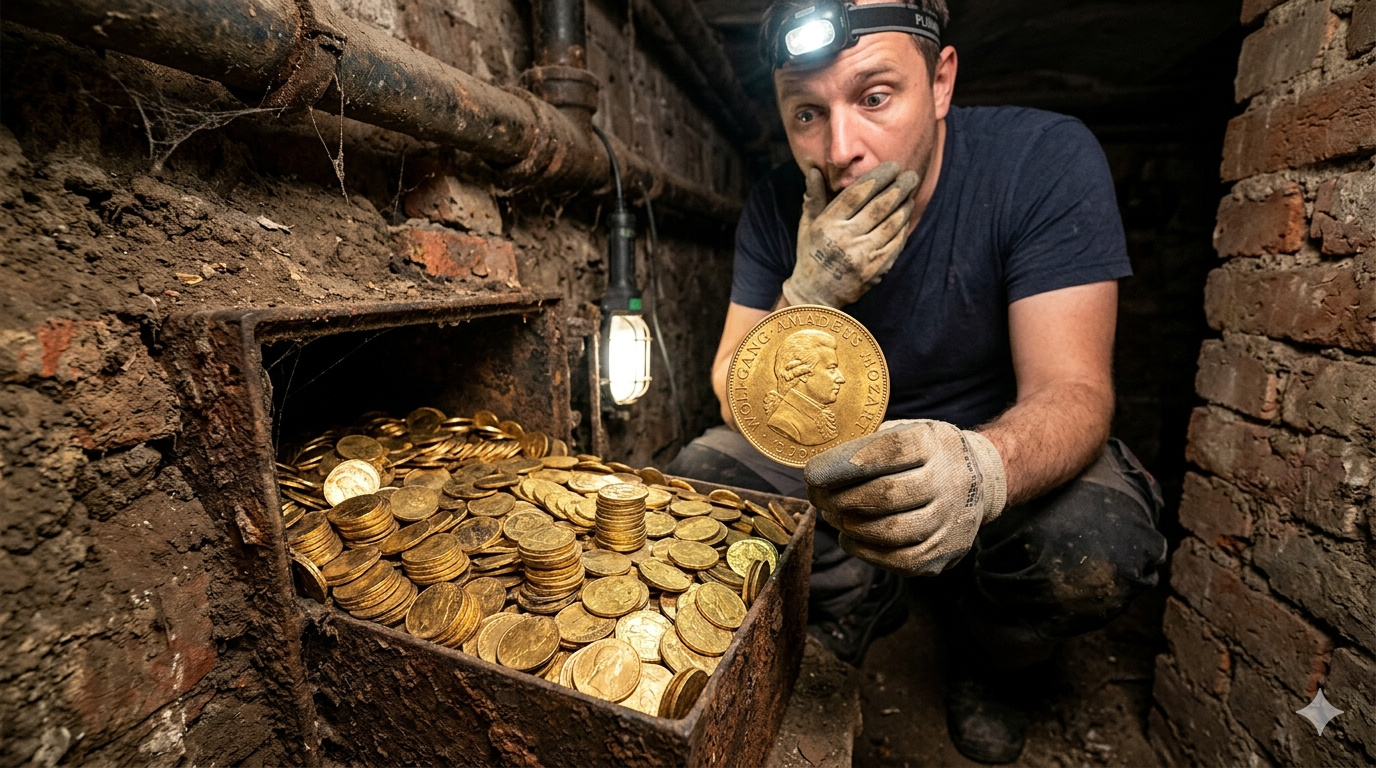
A forgotten cord on the floor of a basement in Vienna leads a plumber to a box containing 30 kilograms of gold with Mozart’s face, hidden before World War II. The treasure, worth 2.3 million euros, was just centimeters away from a worker who ignored the sign a day earlier.
-
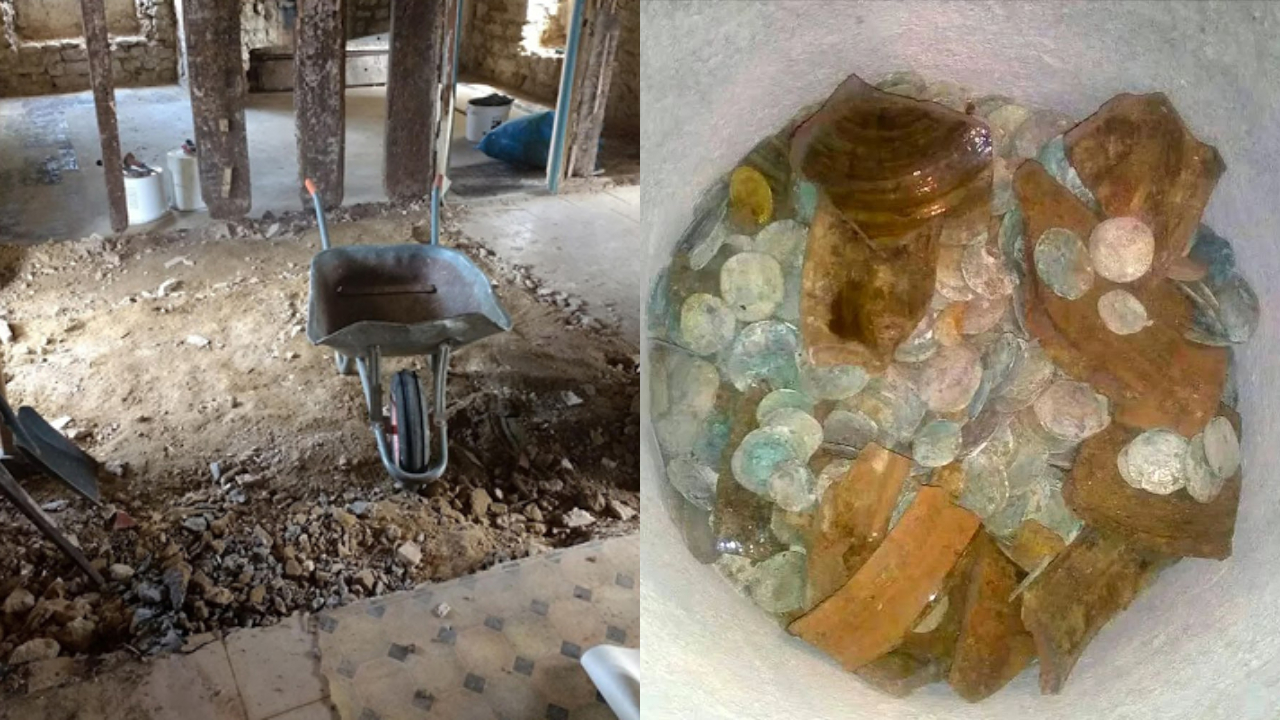
A couple buys an old chalet, breaks the kitchen floor for renovation, and finds over a thousand coins of gold and silver hidden since the English Civil War over 4 centuries ago.
-
Rigid bags with their days numbered: new trend prioritizes comfort in 2026.
-
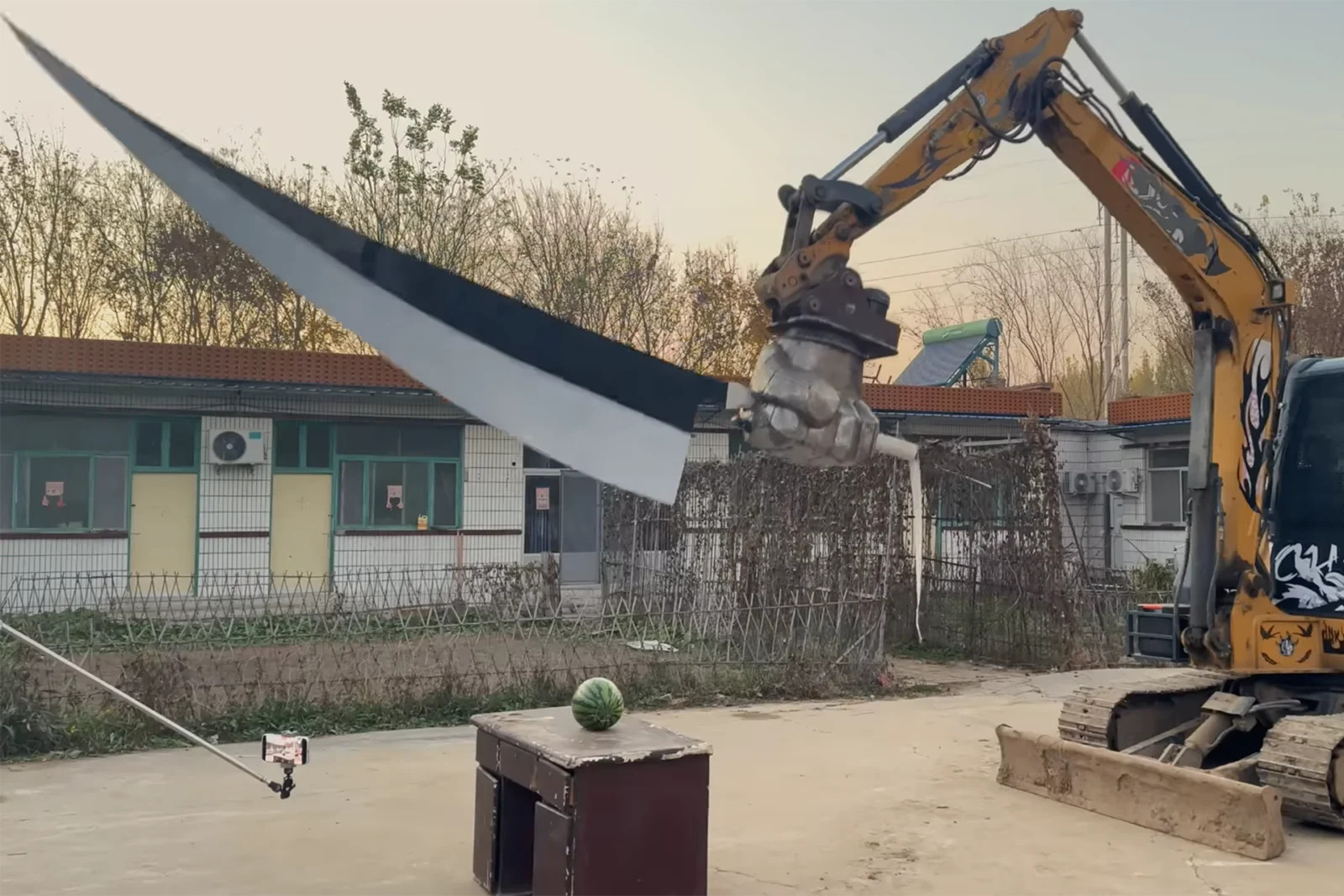
YouTuber creates an excavator equipped with a giant 4.5-meter sword to challenge his brother to a rematch, and the invention quickly goes viral on social media.

This extraordinary capability is achieved by using Highly Enriched Uranium (HEU). This eliminates the need for long and costly stops for refueling, maximizing the time the submarine spends in operation. For the Virginia class, the claim that its autonomy is “unlimited” is almost literal from an energy perspective.
The Future Brazilian Submarine, The Nuclear Reactor Of A Submarine Of Álvaro Alberto And Its 5-Year Cycle
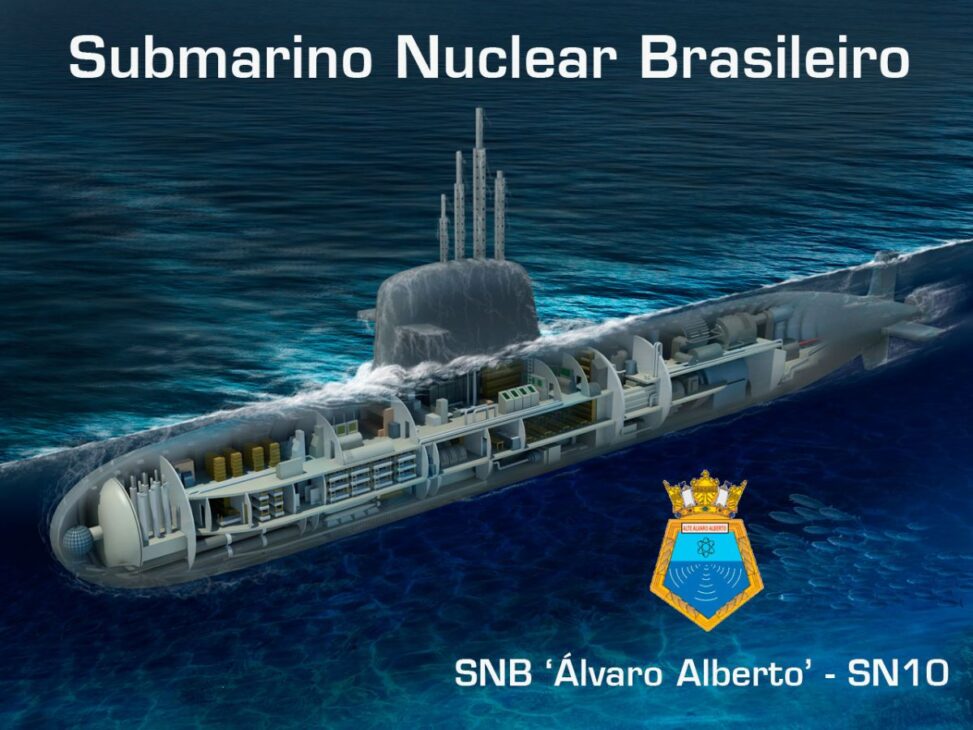
Brazil is developing its own nuclear submarine, the Álvaro Alberto (SN10), as part of the Submarine Development Program (PROSUB). Its propulsion system is based on the LABGENE prototype, a reactor fully developed in the country. However, its design philosophy is different from the American.
The nuclear reactor of a submarine in Brazil will require refueling every 5 years. Construction of the Álvaro Alberto officially began in June 2024, with plans for launch in 2029. It will use Low Enriched Uranium (LEU), a choice that, while requiring more frequent refueling, aligns with international non-proliferation standards and ensures Brazil’s technological autonomy in the sector.
How The Pressurized Water Reactor (PWR) That Powers These Giants Works
The technology behind most naval reactors is the Pressurized Water Reactor (PWR). The system is robust and compact. Inside the reactor, nuclear fission generates an immense amount of heat, which heats a primary water circuit.
This water is kept under extremely high pressure, about 155 bar, so it does not boil, even when superheated. It then passes through a steam generator, where it heats a second water circuit, this one at lower pressure.
It is the steam generated in this second circuit that drives the turbines responsible for the submarine’s propulsion and for generating electricity for all systems on board.
Why Food Runs Out Before Nuclear Fuel
Despite the longevity of the fuel, the factor that really limits the duration of a submerged mission is human. Food is consistently pointed out as the “bulkiest commodity” and the main logistical bottleneck. Fresh supplies only last a few weeks, and the rest of the journey relies on frozen, dried, and canned foods.
Besides the food, the crew’s endurance is a critical factor. Life on board is extremely challenging, with long work hours, sleep deprivation, and constant confinement. Sources describe the routine as “horrible and life-draining”, which imposes a natural limit on the duration of patrols, regardless of the reactor’s capacity.
U.S. vs. Brazil, Two Different Philosophies For Nuclear Propulsion
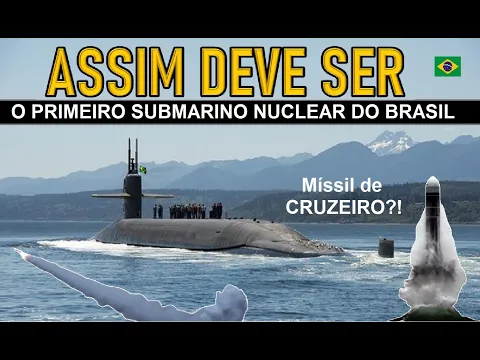

The comparison between the Virginia class submarine and the future Álvaro Alberto reveals two distinct strategic approaches. The American philosophy, using Highly Enriched Uranium (HEU), prioritizes maximum operational autonomy and extended at-sea presence, ensuring constant global coverage.
The Brazilian philosophy, in turn, focuses on technological self-sufficiency and alignment with non-proliferation policies, opting for Low Enriched Uranium (LEU). This choice demonstrates Brazil’s complete mastery over the fuel cycle, a strategic long-term goal, even if it means lower reactor core autonomy compared to American power.







-

Uma pessoa reagiu a isso.