





 Portuguese
  English
  Spanish
  3 min of reading
  10 comments




Company That Was Born Selling Candies on Boards Became Billion-Dollar Empire, But Ended Up Being Swallowed by the Giant Nestlé After Family Conflicts.
The story of the King of Chocolate in Brazil began with a young German immigrant named Henrique Meyerfreund, who landed in Vitória, Espírito Santo, with little money but a lot of determination. From a small artisanal production of candies sold by boys on the streets of the city, Garoto emerged, a company that would become the largest chocolate manufacturer in Latin America and one of the ten largest in the world.
Despite the meteoric success, the empire built by the Meyerfreund family went through dramatic and troubled moments that led to the loss of control of the company. A poorly conducted succession, internal rivalries, and controversial decisions resulted in the sale of Garoto to the Swiss multinational Nestlé, in a process that faced resistance even from the Administrative Council for Economic Defense (Cade).
Who Was the True King of Chocolates in Brazil?
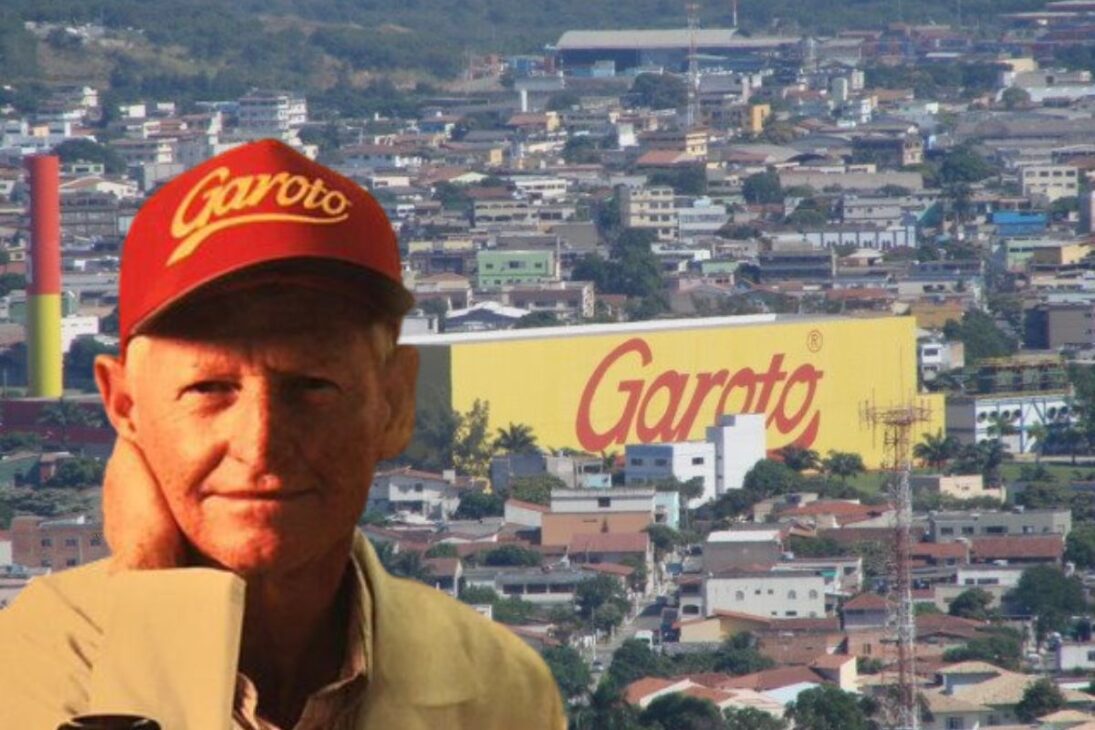
Henrique Meyerfreund left Germany in 1921, at the age of 20, seeking better living conditions after World War I. Upon arriving in Espírito Santo, he worked as a surveyor and later in a coffee roasting company, until he decided to produce candies in 1929. Success came quickly, and “balas Garoto” rapidly became popular, earning that name because they were sold by young street vendors.
-
50 viaducts, 4 tunnels, 28 bridges, and 40 kilometers of bike paths: BR-262 in Espírito Santo will receive 8.6 billion reais for the largest engineering project in the state’s history, inspired by the Immigrant Highway in São Paulo.

-
Brazil produces too much clean energy and doesn’t know what to do with it: over 20% of solar and wind capacity was wasted in 2025 while investors flee and 509 renewable generation projects were abandoned in the last year.

-
Piauí will produce a new fuel that replaces diesel without needing to change anything in the truck’s engine and reduces pollutant gas emissions by half: truck drivers from all over the Northeast are already celebrating the news that will arrive later this decade.

-
A new Brazilian shopping center worth R$ 400 million will be built in an area equivalent to more than 4 football fields, featuring 90 stores, 5 cinemas, a supermarket, a college, and parking for 1,700 cars, potentially generating 3,000 jobs.


With strategic vision, Henrique invested in chocolate production, taking advantage of the proximity to the country’s largest cocoa-producing regions. In subsequent years, iconic products such as Batom, Serenata de Amor, and the traditional yellow box of chocolates were born.
How Much Was the Garoto Empire Worth?
Garoto reached its peak in the 1980s, becoming the national leader in chocolates. Under the leadership of Helmut Meyerfreund, Henrique’s son, the company achieved revenues of nearly 500 million dollars in 1996, competing directly with giants like Nestlé and Lacta.
However, family disputes caused revenues to drop to about 391 million dollars in 1997, weakening the company and hastening the end of family management.
Where Did the Problems That Led to the Sale of Garoto Begin?
Family conflicts began in the 1970s and intensified in the 1990s, culminating in a true corporate coup. Helmut Meyerfreund, president for 26 years, was removed from leadership by his own relatives during a tense meeting, worthy of a soap opera script.
The dispute generated a complex legal battle, further exhausting the company. The only solution found by the family was to put Garoto up for sale in 2001, definitively ending the family era.
Why Did the Sale of Garoto Generate So Much Controversy?
Nestlé acquired Garoto in 2002 for around R$ 566 million, forming a giant that would dominate almost 60% of the national chocolate market. This led Cade to intervene in 2004, blocking the transaction in a historic decision. The agency claimed that market concentration would be detrimental to Brazilian consumers.
After 21 years of legal battles and trade restrictions, Cade finally approved the acquisition in 2023, under specific conditions, allowing Nestlé to fully integrate Garoto’s operations.
Was It Worth It for the Brazilian Market?
The acquisition by Nestlé brought investments, innovation, and market expansion for Garoto. The Vila Velha factory became one of the five largest units of the Swiss multinational in the world and the largest in Latin America, employing more than two thousand employees.
On the other hand, the end of family management represents another sad chapter in the history of Brazilian companies that have failed to overcome conflicts internally and remain in the hands of founding families.
Do you agree with this change? Do you think this impacts the market? Leave your opinion in the comments — we want to hear from those who live this in practice.









Duas desgraças na vida da Garoto, herdeiros gananciosos e indolentes e um país que não protege suas empresas do poder abusivo das multinacionais.
Hoje não há como comer um chocolate decente no Brasil, todos são cebo com açúcar em excesso.
Lamentável saber disso! Pela disputa de poder, chegar ao ponto de vender uma empresa deste porte para uma Nestlé da vida… só temos que lamentar mesmo… hipócritas os familiares que tiveram essa idéia e tambem brigaram pelo poder que nem foram eles que construíram…
Nunca mais comprei chocolates Garoto. A qualidade despencou gradativamente no decorrer dos últimos anos e, hoje, é só gordura e açúcar.