





 Portuguese
  English
  Spanish
  3 min of reading
  0 comments


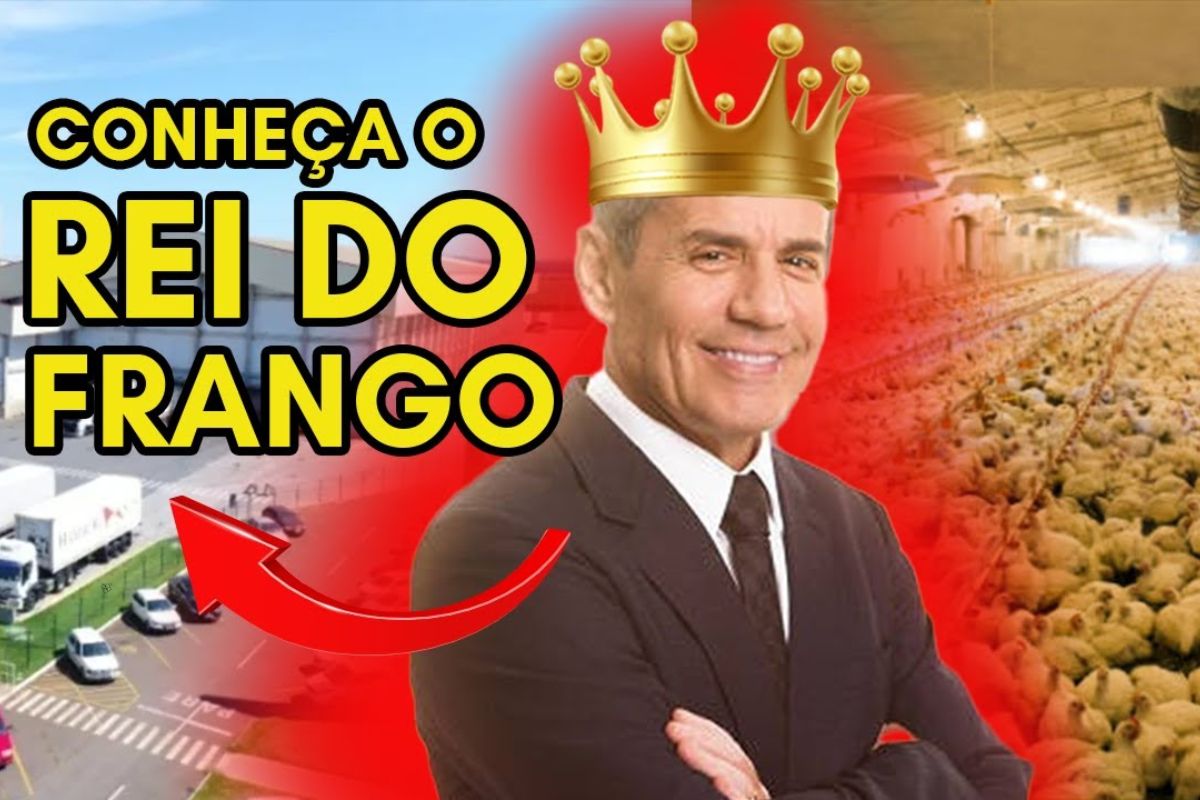
Acquisition of Fazenda Jabuti by José Garrote Solidifies Expansion of Super Frango and Becomes a Symbol of Pride for Goiás
The entrepreneur José Garrote, founder of São Salvador Alimentos and known nationally as the King of Chicken, has just completed one of the largest deals in the Goiás agribusiness. According to industry sources, he acquired Fazenda Jabuti, one of the most valuable and productive properties in the region, for R$ 250 million, with a closed gate negotiation.
The transaction was confirmed by specialized channels, such as Mundo Novo and the portal Compre Rural, which highlight the strategic impact of the purchase in strengthening the production chain of Super Frango. In addition to its symbolic value, the acquisition represents a milestone in the land valuation of the state and the consolidation of the family legacy in agribusiness.
Historical Farm with 1,400 Acres and Complete Structure
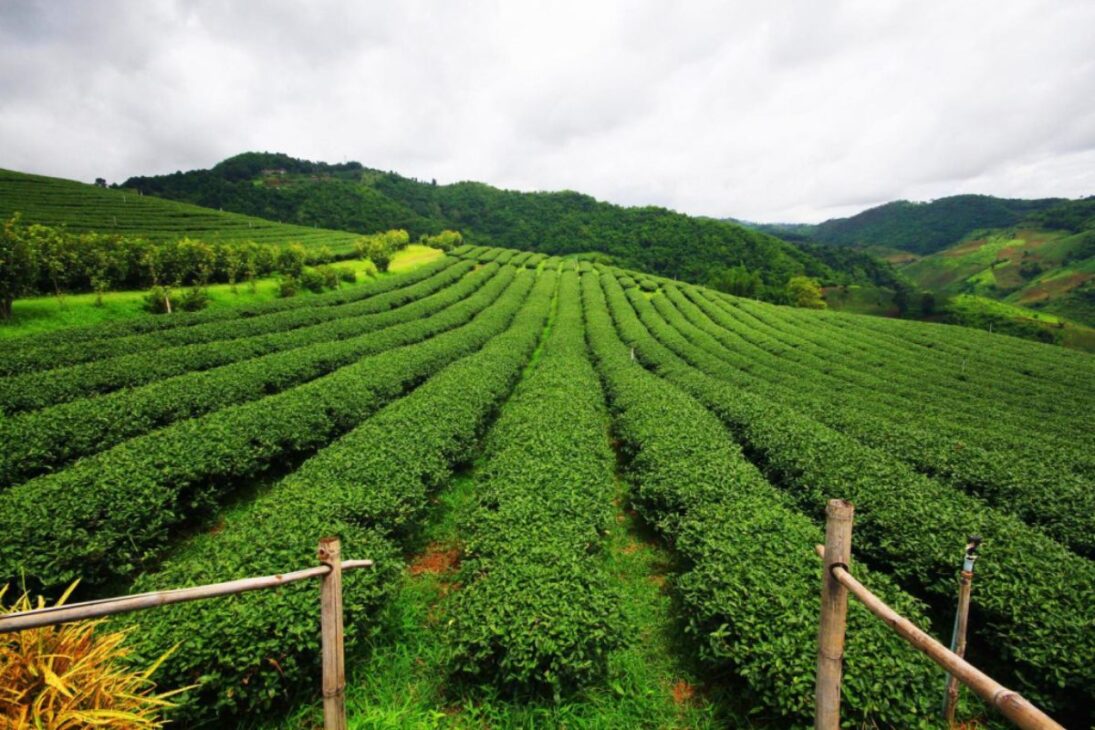
Located in Mundo Novo (GO), Fazenda Jabuti comprises over 1,400 acres and was sold with all assets: livestock, machinery, improvements, and operational agricultural functions. The quality of the land and the cutting-edge infrastructure place the property among the most sought-after in the Midwest.
-
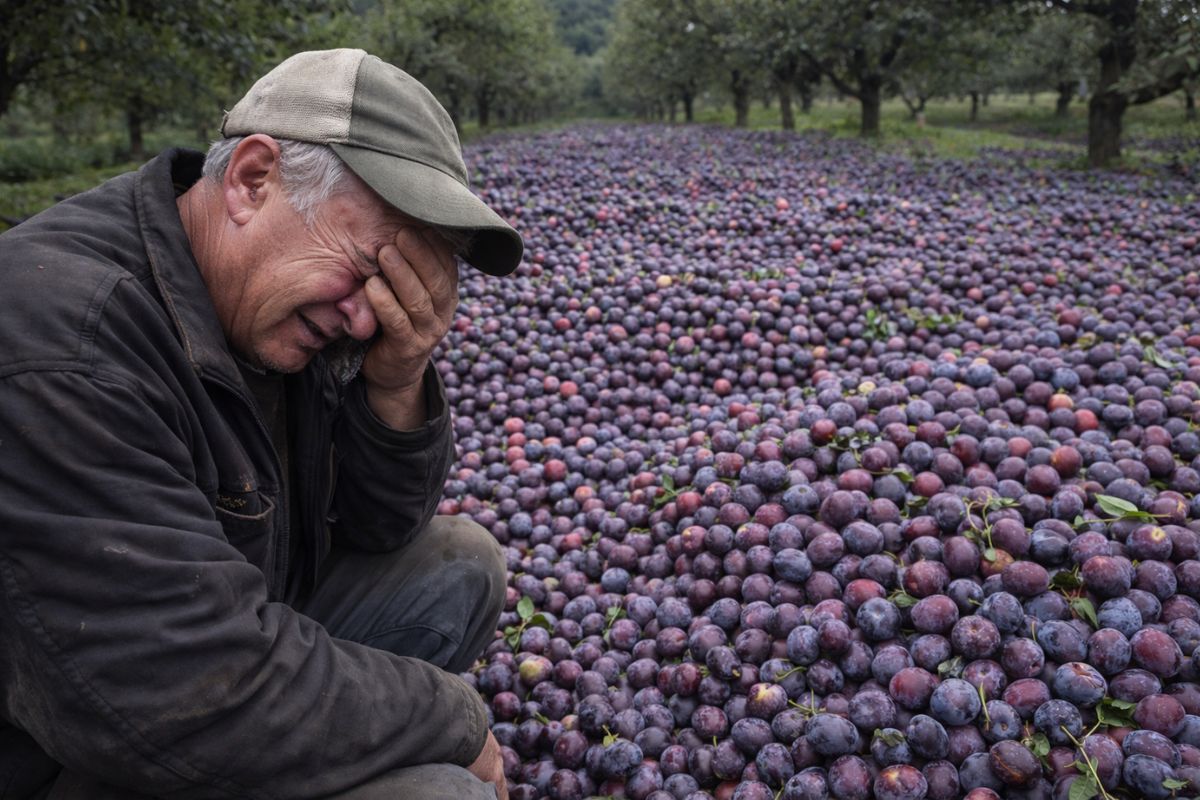
A rural producer from Urubici cries as he shows 50 tons of plums thrown on the ground because no one wanted to buy them, and in desperation, he records a video asking anyone to come to the property to pick the fruits before they rot.
-
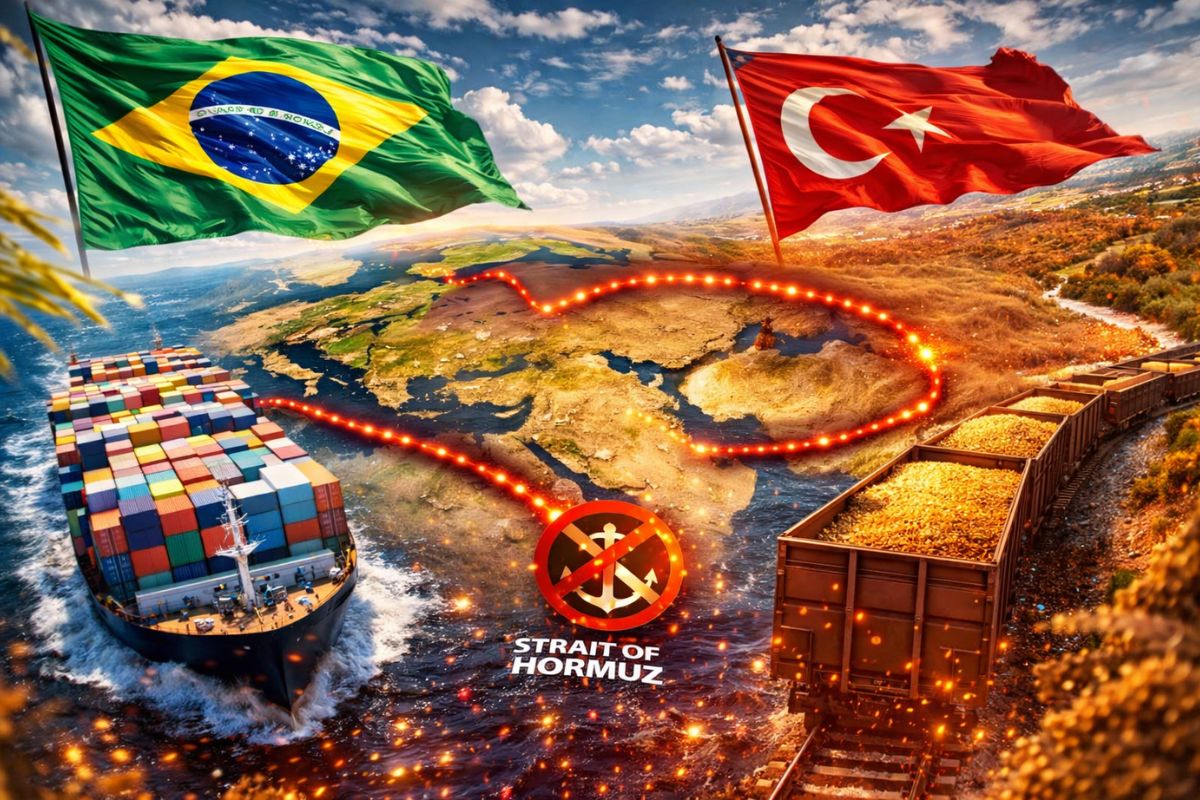
Unable to pass through Hormuz, Brazil activated a plan B that uses Turkey as a gateway to the Middle East: the route through Gibraltar and the Mediterranean is longer and more expensive but ensures that chicken, beef, and corn continue to reach Arab markets.
-
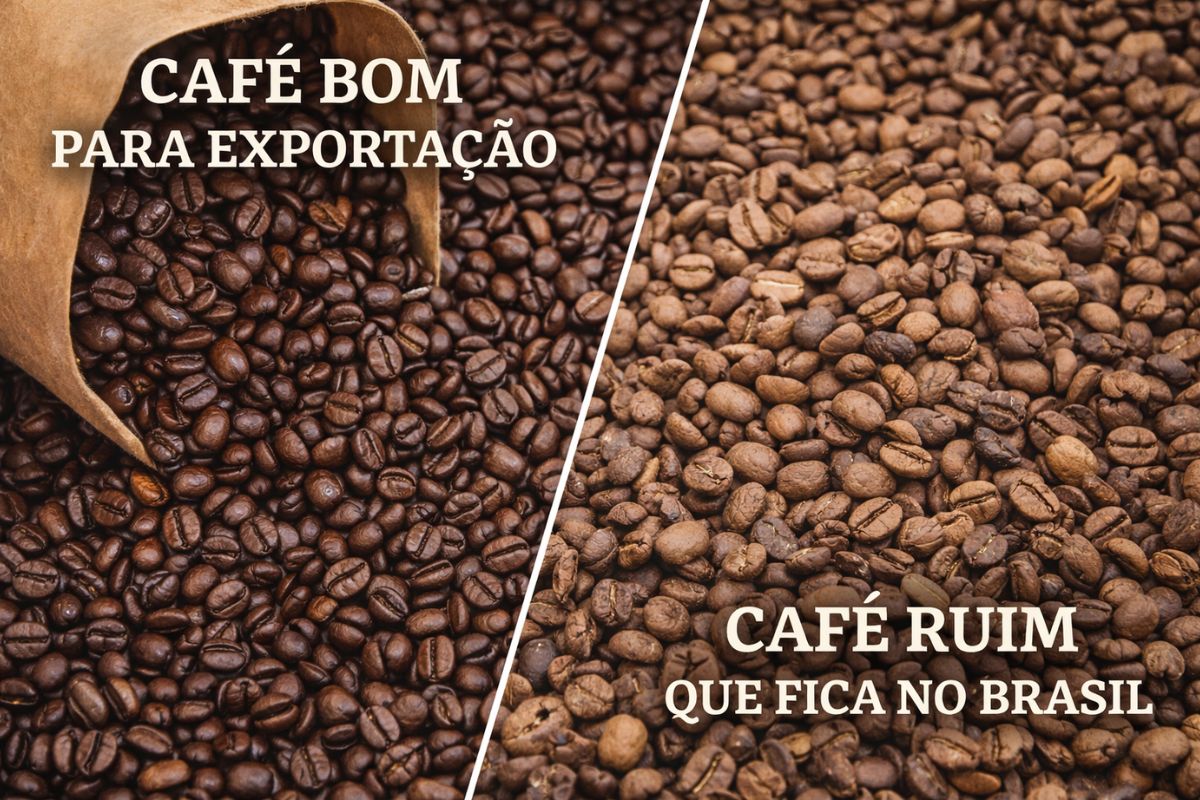
You grew up hearing that the good coffee from Brazil goes all abroad and the bad coffee stays for Brazilians, but this story has completely changed, and the numbers show that in the 1980s, thirty percent of the coffee sold here was adulterated with corn and barley.
-
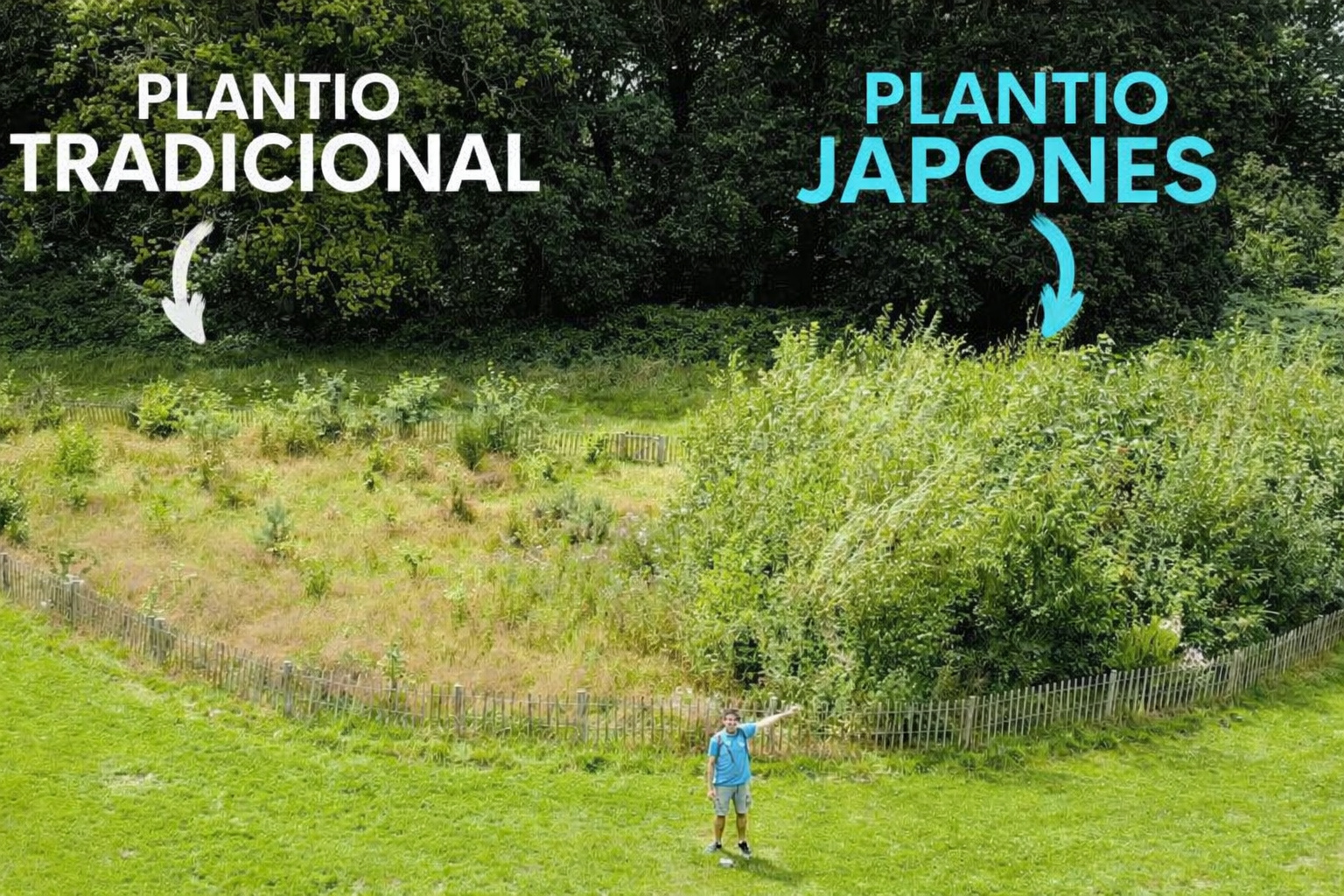
Engineer creates reforestation method that transforms small plots into dense forests in a few years using local biomass and can reduce environmental recovery costs.

The closed-gate purchase reveals a strategy of vertical integration of production, allowing for greater control over inputs and logistics — a common practice among large animal protein groups, as a way to reduce costs and increase margins.
Who Is the King of Chicken?
Originally from Itaberaí (GO), José Garrote built an empire in the national poultry industry from a small farm inherited from his father-in-law in the 1980s. He founded São Salvador Alimentos, which controls the brands Super Frango and Boua, slaughtering over 430,000 birds per day and generating around R$ 3 billion per year.
Known for bold decisions, Garrote sold all his personal assets on three occasions to reinvest in the company. His trajectory is marked by a focus on regional niches, fractional distribution, and direct service to small retail — pillars that support the company’s growth in 14 states in Brazil and 75 countries.
Strategy, Succession, and Investment Power
The acquisition of Fazenda Jabuti comes at a time when the King of Chicken is advancing the succession of leadership in the company. Since the pandemic, the executive leadership of São Salvador Alimentos has been in the hands of Hugo Perillo e Souza, Garrote’s son, who has reinforced corporate governance and the structured expansion of the group.
In addition to poultry production, the company operates with financial instruments such as CRAs (Agribusiness Receivables Certificates) and maintains close ties with investors from Faria Lima, despite having postponed its IPO process.
Goiás Celebrates the Achievement on Social Media
The announcement that the King of Chicken buys historic farm went viral on social media, especially in Goiás. In Itaberaí, Garrote’s hometown, residents celebrated the achievement as a symbol of local pride. The transaction was seen as a victory for regional entrepreneurship and a reinforcement of the strength of Goiás agribusiness on the national stage.
With this acquisition, Garrote expands his physical and symbolic presence in the sector, reinforcing his role as a transformative agent of Brazilian agribusiness, while solidifying the company’s assets for future generations.
Do you consider this type of purchase positive for Brazil? The acquisition of historical properties by large agribusiness entrepreneurs divides opinions: for some, it is a sign of economic strength and modernization; for others, it may indicate excessive land concentration. Do you believe this movement benefits the sector or creates inequality in the countryside? Comment below and share your view on the real impact of this type of business.








Seja o primeiro a reagir!