





 Português
  Inglês
  Espanhol
  4 min de leitura
  0 comentários


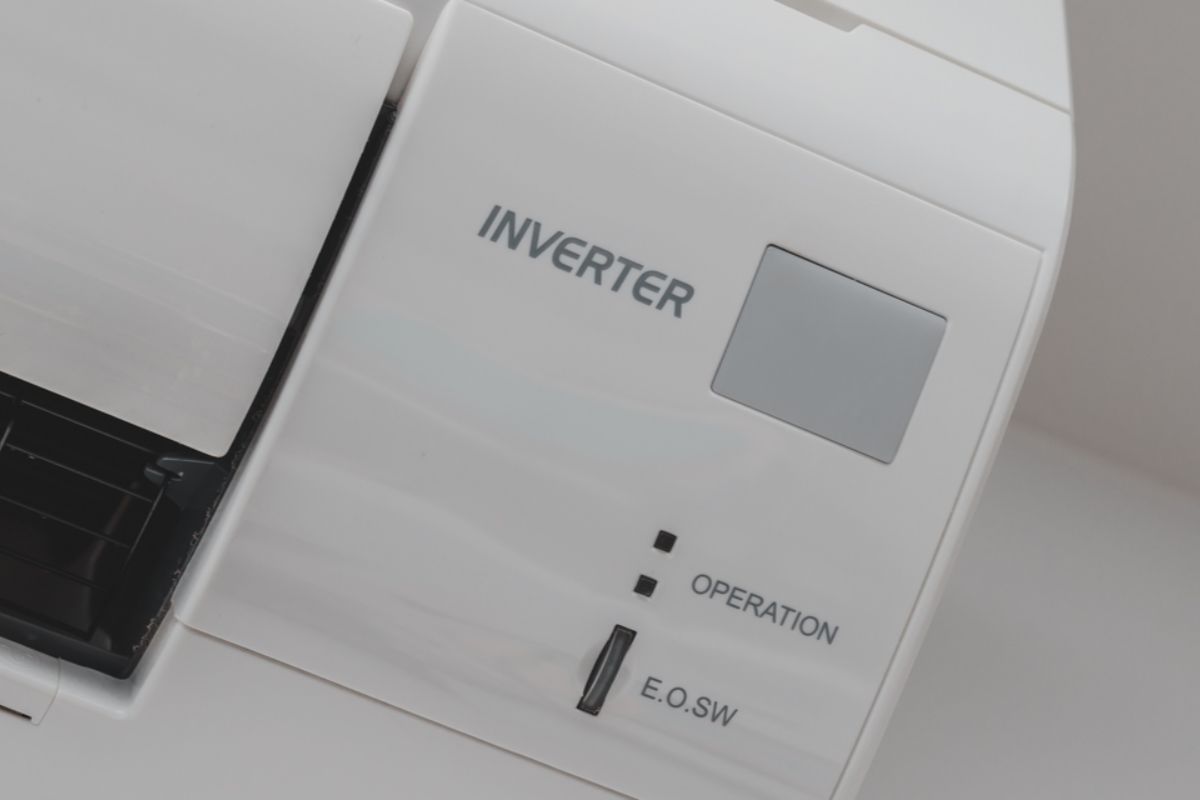
Have You Ever Wondered Why An Appliance With The Label ‘Inverter’ Is More Expensive? The Answer Is In Two Completely Different Engineering Philosophies. Discover The Technology That Can Save Hundreds Of Reais On Your Electricity Bill.
You are in the store, in front of two practically identical air conditioner models. One of them, however, costs 30% more and sports a shiny label: “Inverter Technology”. The salesperson assures that it “saves energy”, but the doubt remains: what exactly is this technology and is the investment really worth it?
The answer is not in marketing, but in engineering. The difference between a conventional appliance and an Inverter is a true battle of philosophies about how a motor should operate. Let’s pop the hood of these appliances and understand once and for all the technology that can make the biggest difference on your electricity bill at the end of the month.
The ‘All Or Nothing’ Motor: How Conventional Technology Works
To understand the Inverter revolution, we first need to know its predecessor. The motor of a conventional air conditioner or refrigerator operates in an extremely simple way.
-
Brazilian city gains industrial hub for 85 companies that is equivalent to 55 football fields.

-
Peugeot and Citroën factory in Argentina cuts production by half and opens a layoff program for more than 2,000 employees after Brazil drastically reduced purchases of Argentine vehicles.

-
A Brazilian city gains a factory worth R$ 300 million with the capacity to process 200 thousand tons of wheat per year, a mill of 660 tons/day, silos for 42 thousand tons, and an industrial area of 276 thousand m².

-
Havan will leave the shopping mall in Blumenau to inaugurate something that the chain has never done before: a megastore in half-timbered style in the Historic Center of the city, which is expected to be completed in May and change the landscape of local retail.


Think of it as a light switch: it only knows how to be 100% on or 100% off.
When you turn on the air conditioner, the compressor (the appliance’s “heart”) kicks in at full power to cool the environment. Upon reaching the desired temperature, it does not reduce speed: it completely shuts off. As soon as the sensor detects that the temperature has risen a few degrees, the compressor turns back on, with another power spike, to cool the environment again. It’s a constant cycle of “on-off”.
The ‘Smart’ Motor: The Engineering Behind Inverter Technology
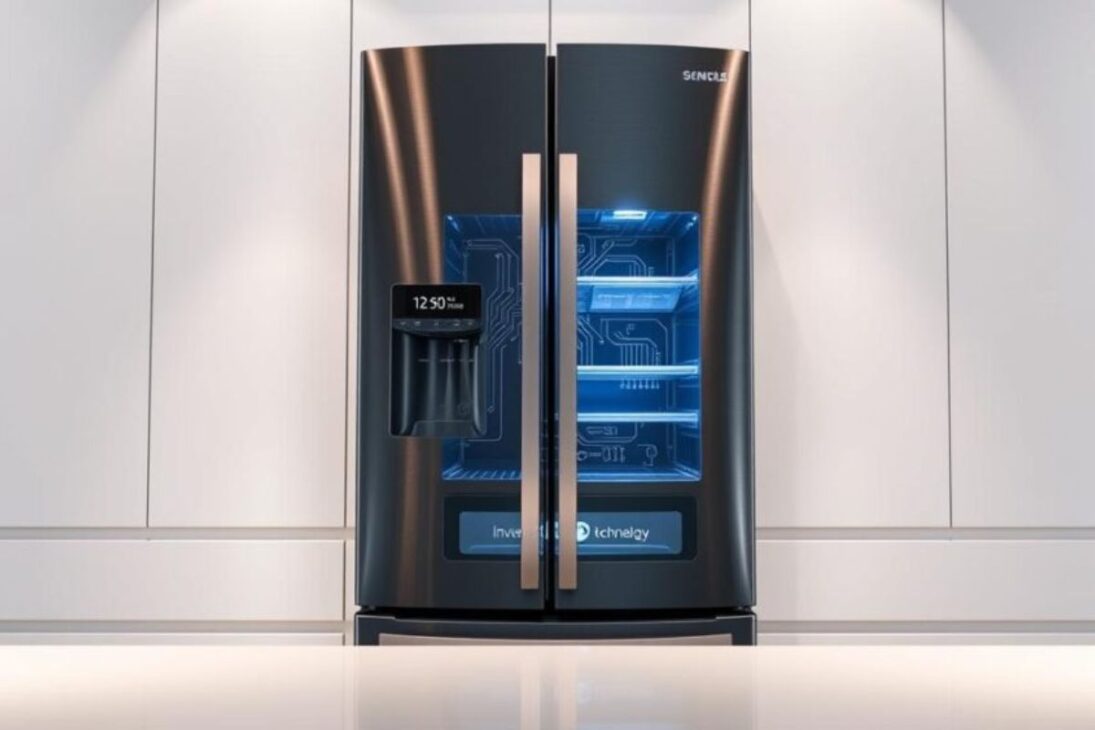
Now, let’s get to the innovation. The Inverter technology, which operates differently, breaks this on-off cycle.
Think of the Inverter motor as the accelerator of a car. Instead of turning on and off, it adjusts the speed. When you turn on the appliance, the compressor accelerates to quickly reach the desired temperature. But, once it gets there, it does not shut off. It drastically reduces its rotation and begins to operate continuously, smoothly, and at very low power, just enough to keep the temperature stable. If someone opens the refrigerator door, it “accelerates” a bit to compensate; if the temperature stabilizes, it “takes its foot off the gas”.
The Science Of Economy: Why The Inverter Really Uses Less?
The magic of energy savings lies in a basic principle of physics: the highest energy consumption of an electric motor occurs at the peak of starting, the “start-up” needed to overcome inertia and get out of rest.
The conventional motor, by performing this start-up cycle dozens or hundreds of times a day, generates constant consumption spikes. The Inverter motor, by rarely shutting off and operating continuously, avoids almost all these consumption spikes. The energy spent to maintain a low and constant speed is much less than the energy spent on multiple starts. That’s why the savings on the electricity bill can reach impressive 40%, 60%, or even more, depending on usage.
Beyond The Savings: The ‘Invisible’ Benefits Of Inverter Engineering
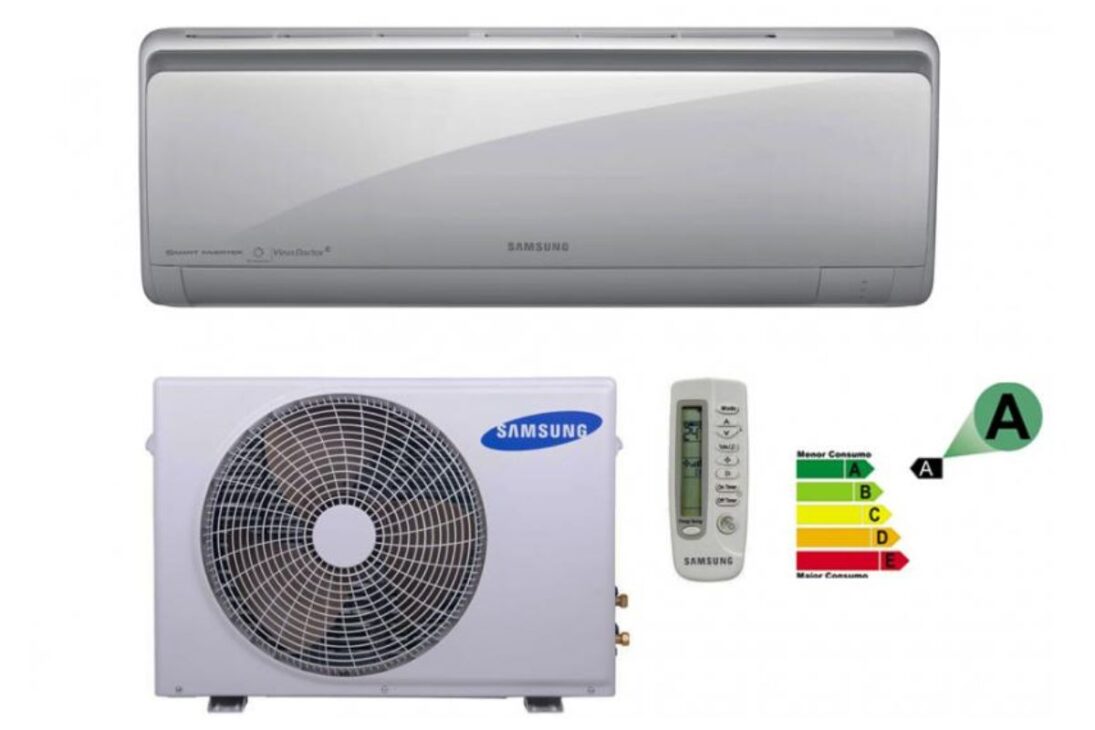
The superiority of Inverter engineering doesn’t stop at the electricity bill. It brings two other major advantages:
- Lower Noise Level: Since the motor doesn’t need to make the “jolts” to turn on and off, the operation of the appliance is much quieter and continuous.
- Greater Temperature Stability: Without the large “heat-cool” cycles of the conventional model, the temperature of the environment (in the case of the air conditioner) or of the food (in the refrigerator) remains much more stable and constant.
The Engineering Verdict: Is The Inverter Technology Worth It?
Yes, the initial investment in a product with an Inverter motor is higher. However, from an engineering perspective, the technology is undeniably superior in efficiency, durability (the lower number of starts causes less mechanical wear), and comfort.
In the long run, the savings generated monthly on the energy bill often compensate for and exceed the extra amount paid at the time of purchase. Therefore, if the question is whether the Inverter refrigerator is worth it or if the Inverter air conditioner vs conventional is a good exchange, the engineering answer is a clear yes. It is a smarter and more sustainable buying decision.
Do you have any appliances with Inverter technology at home? Have you noticed the difference on your electricity bill or in noise levels? Share your experience and let us know if you think the investment was worth it!










Seja o primeiro a reagir!