





 Português
  Inglês
  Espanhol
  4 min de leitura


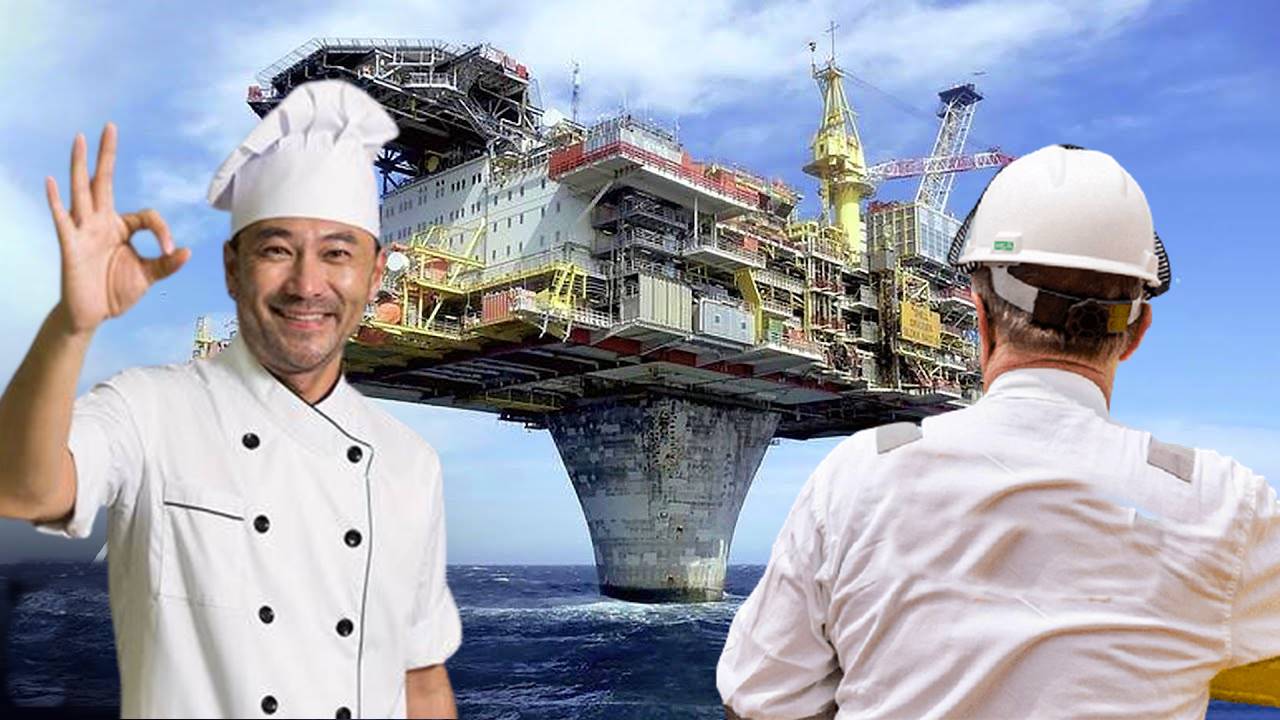
Many Start in the Hospitality Sector to Boost Their Offshore Careers Embedded in the Oil and Gas Sector; Understand the Strategy Used for Years in This Segment
Yes, it is true that the hospitality sector can be a gateway to working in other offshore roles embedded in the oil and gas sector. There are several positions related to hospitality and services on oil and gas platforms, and many professionals start their careers in these areas before advancing to other positions.
Within the oil and gas sector, offshore hospitality activities are known as “catering” or “accommodation,” and include services such as food, cleaning, laundry, maintenance of common areas, and accommodations for embedded workers.


List of the Most Common Positions in the Offshore Hospitality Sector
Listing all positions in the offshore hospitality field in Brazil can be a challenge, as roles can vary depending on the company and the specific needs of the platform. However, we will provide a list of common positions in the offshore hospitality sector:
-
Offshore industrial demand in Macaé skyrockets with the recovery of oil and gas and could grow by up to 396% by 2026 in the Campos Basin.
-
Offshore industrial demand in Macaé surges with the recovery of oil and gas and could grow by up to 396% by 2026 in the Campos Basin.
-
Brazilian giant expands borders in the Southeast: Petrobras confirms new oil discovery in ultra-deep waters in the pre-salt of the Campos Basin.

-
Alert in the global energy market: Severe tropical cyclone hits the coast and disrupts gas production at major plants in Australia, threatening global supply.


- Head Chef
- Kitchen Assistant
- Cook
- Nutritionist
- Steward (responsible for cleaning and organizing common areas and cabins)
- Housekeeper
- Cleaning Assistant
- Laundry Worker
- Laundry Assistant
- Cleaning Supervisor
- Laundry Supervisor
- Building Maintenance Supervisor
- Refrigeration Technician
- Electrical Technician
- Hospitality Assistant Manager
- Hospitality Manager (or Accommodation Manager)
- Onboard Attendant (responsible for food and beverage distribution)
- Hospitality Contract Administrator
- Human Resources Coordinator (related to personnel management)
- Safety Instructor (training and awareness on safety for hospitality staff)
Experience and Knowledge Are Important at This Initial Stage While You Are in an Offshore Unit Performing Your Role in Hospitality
Once you gain experience working on an oil and gas platform, it may be easier to transition to other roles, especially if you demonstrate transferable skills and interest in qualifying for other positions. To maximize your chances of career advancement, it is important to invest in training and courses specific to the oil and gas sector, acquire relevant certifications, and develop a good relationship with colleagues and superiors.
Keep in mind that while it is possible to start in the hospitality sector and advance to other offshore roles, this transition may take time and effort to acquire the necessary skills and certifications. Additionally, working embedded in the oil and gas sector can be challenging and demanding, both physically and mentally, so it is important to be aware of the working conditions before pursuing a career in this field.
After Gaining Experience, Here’s What You Should Do to Transition to an Offshore Service or Maintenance Company, Potentially Earning Better Salaries and Perhaps Achieving Professional Fulfillment
If you want to move from a hospitality company to an offshore oil service company ( SEE EXAMPLES OF SOME COMPANIES HERE) , it is important to prepare adequately and take the following steps:
- Research and Identify Target Companies: Research offshore oil service companies to identify those operating in the area you wish to work. Make a list of companies and their areas of expertise, such as drilling, maintenance, logistics, or underwater inspection.
- Acquire Industry Knowledge: Learn about the offshore oil and gas industry and its main challenges, technologies, and regulations. This will help you better understand the sector and the needs of service companies.
- Obtain Relevant Qualifications: Invest in relevant education and training for the oil and gas sector. This may include technical courses, certifications, or even a degree in engineering or related fields.
- Specific Courses and Training: Complete specific courses and training for the oil and gas sector, such as BOSIET, HUET, or courses related to safety and offshore operations.
- Transferable Skills: Identify and develop skills that can be transferred from the hospitality sector to the oil and gas sector. Skills such as teamwork, effective communication, problem-solving, and adaptation to challenging environments are valuable in both sectors.
- Networking: Build connections and participate in industry events, such as trade shows, conferences, and workshops, to meet professionals and companies in the oil and gas sector. This can help you identify job opportunities and expand your network.
- Adapt Your Resume and Cover Letter: Update your resume and cover letter to highlight your experience, skills, and qualifications relevant to the oil and gas sector. Be sure to customize your application for each company and position.
- Be Persistent: Changing sectors can be a time-consuming and challenging process. Be patient and persistent in your job search, and be prepared to face rejections and obstacles.
By following these steps and demonstrating a continuing commitment to professional development, you will increase your chances of making a successful transition from a hospitality company to an offshore oil service provider. Rio de Janeiro is the state with the highest concentration of companies in the offshore hospitality sector.










-

Uma pessoa reagiu a isso.