





 Portuguese
  English
  Spanish
  5 min of reading
  0 comments


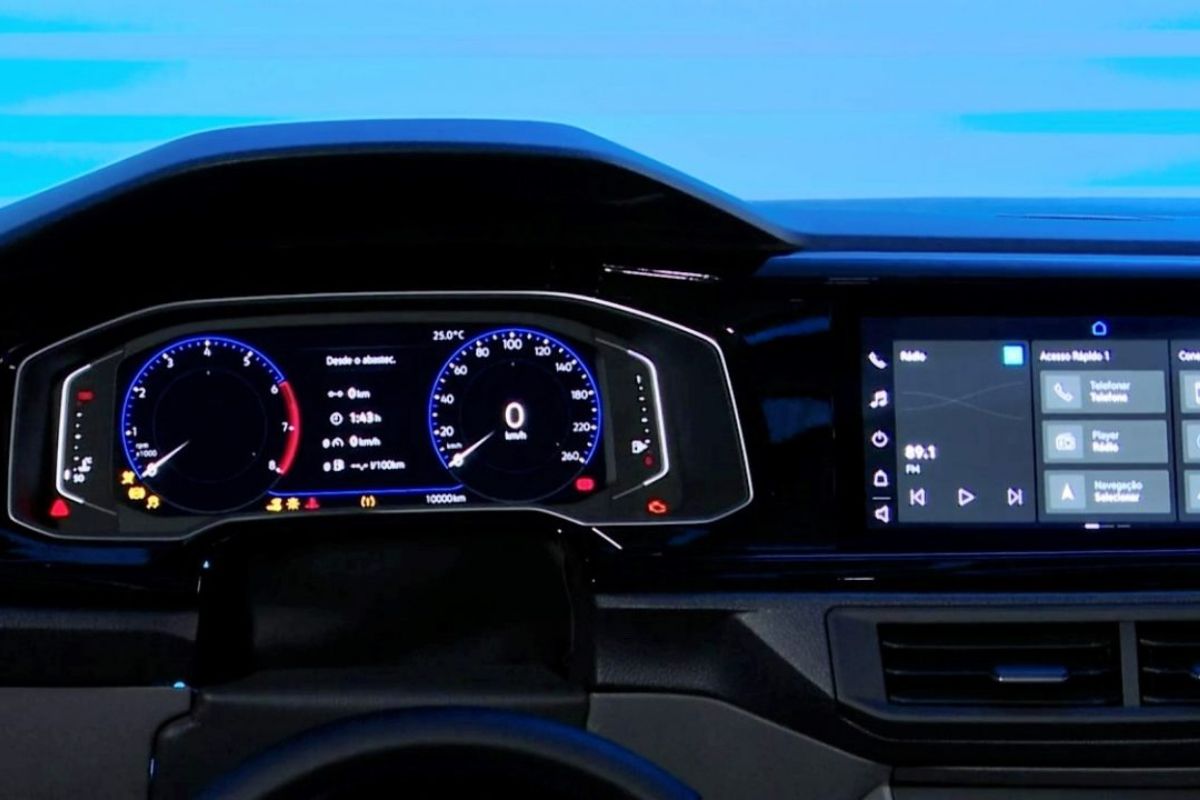
Volkswagen Nivus Combines Coupe Style, 1.0 Turbocharged TSI Engine, and 415-Liter Trunk for Those Who Need Space and Daily Use Without Sacrificing Sporty Looks.
The Volkswagen Nivus arrived in the Brazilian market to fill a gap that practically didn’t exist between compact SUVs and has since become a reference among coupe-style models. By combining a roof design with a pronounced slope, the well-known Polo base, and an efficient turbo engine, the Volkswagen Nivus has shown that it is possible to have style and practicality in the same project, something that tends to weigh heavily for those who use the car every day.
In 2025, the Volkswagen Nivus remains current in the segment because it retains the elements that made it popular: a design different from the T-Cross, a trunk larger than those of several hatchbacks and compact sedans, a modern electronic package, and the 1.0 TSI engine with a six-speed automatic transmission. For the consumer looking for a compact SUV that feels like a vehicle from a higher category, it remains a balanced choice. It may not be the most spacious among coupe-SUVs, but it delivers a very well-rounded package.
Coupe Design That Has Achieved Volume
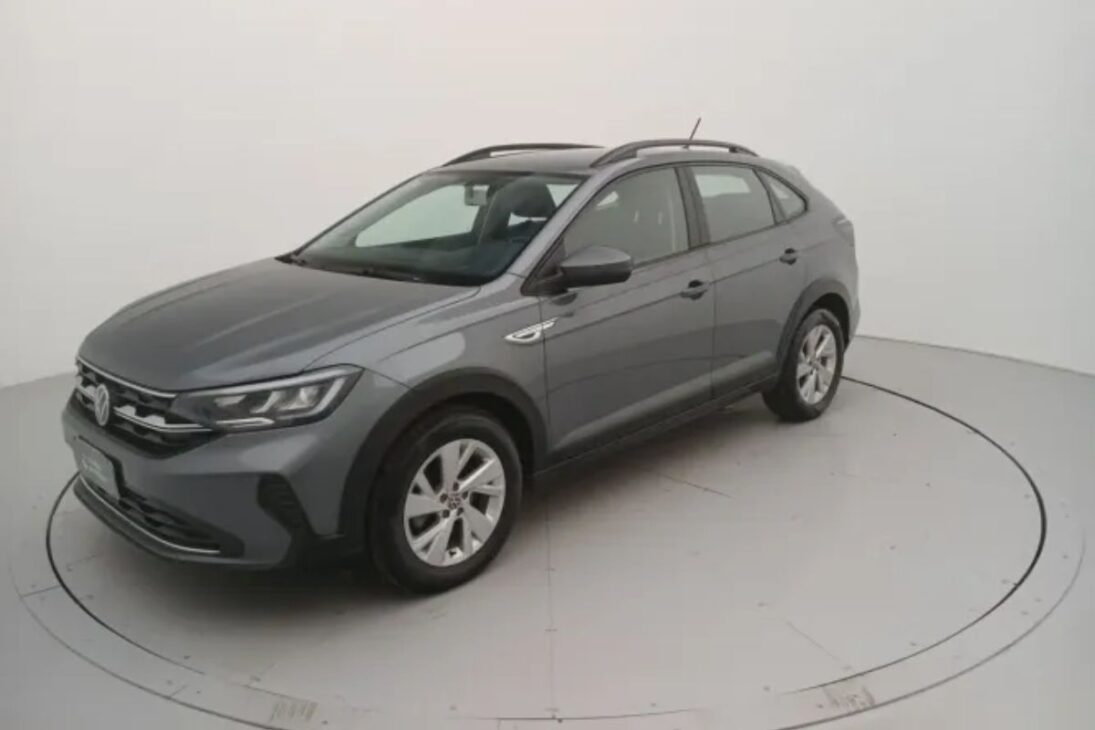
The main attraction of the Volkswagen Nivus is its appearance. Volkswagen brought a design that previously appeared almost only in more expensive cars to a high-volume model.
-
OMODA & JAECOO grows in Europe in 2026 with an integrated strategy of sales, innovation, local production, and technological advancement in the United Kingdom, Italy, and Spain.
-
OMODA & JAECOO expands after-sales service in Brazil with competitive maintenance, a 7-year warranty, and high availability of parts for technological SUVs.
-
OMODA & JAECOO appoints Alessandra Souza as executive marketing director in Brazil and accelerates brand expansion with a focus on innovation, networking, and hybrid portfolio.

-
Jaecoo 7 with super hybrid SHS system exceeds 1,200 km of combined range with a 1.5 turbo engine, high-density battery, and intelligent energy management.
The roof with a gentle slope at the rear, known as fastback style, creates a sporty silhouette and gives the model its own identity within the brand’s lineup. This is what makes many people recognize the Nivus from afar.
Even as a compact SUV, the Volkswagen Nivus does not have a heavy appearance. The longer and more inclined rear compared to the T-Cross gives a sense of dynamism, without compromising usability. For those who buy a car also for its design, it is precisely this combination of SUV proportions and coupe slope that explains the model’s success in Brazil.
Platform and Project Tuning
Despite its exclusive appearance, the Volkswagen Nivus uses the MQB-A0 modular platform, the same base used for the Polo. This means the model was built on a well-known set, making maintenance easier and reducing the risk of surprises when looking for parts.
The choice of platform is a significant technical point because it ensures driving and safety standards that are already consolidated in the brand.
Even with this base, the Volkswagen Nivus received a larger rear overhang to accommodate the trunk and adjust the fastback design.
This engineering detail shows that Volkswagen didn’t just create an aesthetic variation but adapted the project to deliver more usable volume. In practice, the consumer takes home a compact SUV with a differentiated look and the dynamic behavior typical of models built on the MQB-A0.
415-Liter Trunk and Family Use
One of the strongest arguments for the Volkswagen Nivus is its 415-liter trunk. For a compact SUV with a sloping roof, this number is impressive.
The elongated rear design allowed for this capacity and positioned the Nivus ahead of medium hatchbacks and even some compact sedans when it comes to carrying luggage. For a small family or for those who travel frequently, this space makes a difference.
In addition to the volume, the type of opening helps. The hatch-style lid makes it easier to place larger items, standing luggage, and even bulkier everyday items.
This combination explains why the Volkswagen Nivus is seen as an intelligent solution for those who do not want to sacrifice style but also cannot lose cargo space. This is when the model shows that it’s not just about design.
1.0 TSI Engine and Six-Speed Automatic Transmission
Volkswagen adopted a simple strategy for the Nivus in Brazil and equipped all versions with the 1.0 TSI engine, known as the 200 TSI. When fueled with ethanol, the engine delivers 128 hp of power, always working in conjunction with the conventional six-speed automatic transmission. It’s a set that is already known for its good response at low rpm and its ability to handle urban use.
Unlike rivals that use CVT transmissions, the Volkswagen Nivus offers more noticeable gear shifts and a more traditional driving feel.
In the city, the performance is agile and sufficient for daily use. On the highway, it allows for safe overtakes when the driver understands the limit of the 1.0 turbo engine. For the target audience of the segment, what matters is exactly this combination of efficiency, known maintenance, and predictable behavior.
Direct Competitors and Positioning
The Volkswagen Nivus’ most direct rival is the Fiat Fastback, which adopted the same coupe-SUV logic, but with an even larger trunk, over 500 liters. The competition between the two revolves around design, turbo engine, and usage proposition.
The Nivus has a more sober image and the suspension tuning typical of Volkswagen. The Fastback responds with more luggage volume and a variety of versions. The consumer chooses here between technical rationality and maximum space.
In addition to this specific competition, the Volkswagen Nivus also appears on the list of options for those looking at compact SUVs such as the Hyundai Creta and Chevrolet Tracker. In this broader comparison, the Nivus stands out less for its cabin size and more for its technology package and external design.
Features like the VW Play system and the availability of adaptive cruise control have made their mark in the segment and reinforced the model’s image as an updated option.
Is It Worth Choosing the Volkswagen Nivus in 2025?
After several years in the market, the Volkswagen Nivus has shown to have good acceptance and competitive resale value within the category.
The maintenance based on a known platform, the 1.0 TSI engine with a positive track record, and the equipment package that includes driver assistance items help keep the model relevant in 2025.
For those who want a compact SUV that is different but do not want to risk unfamiliar projects, it continues to make sense.
The final choice may become more difficult when the buyer weighs the extra space of a direct competitor. But the Volkswagen Nivus tends to please those looking for a more traditional behavior, an interior with Volkswagen language, and a design that hasn’t aged quickly.
The key point is that it continues to deliver what it promised at launch: coupe style, turbo engine, and ample space for everyday use.
For you, what weighs more when deciding on a compact coupe-SUV in 2025: the technical setup of the Volkswagen Nivus or the larger space of rivals like the Fastback? Comment and share your experience.








-

-

-

-

12 pessoas reagiram a isso.