





 Portuguese
  English
  Spanish
  4 min of reading
  0 comments


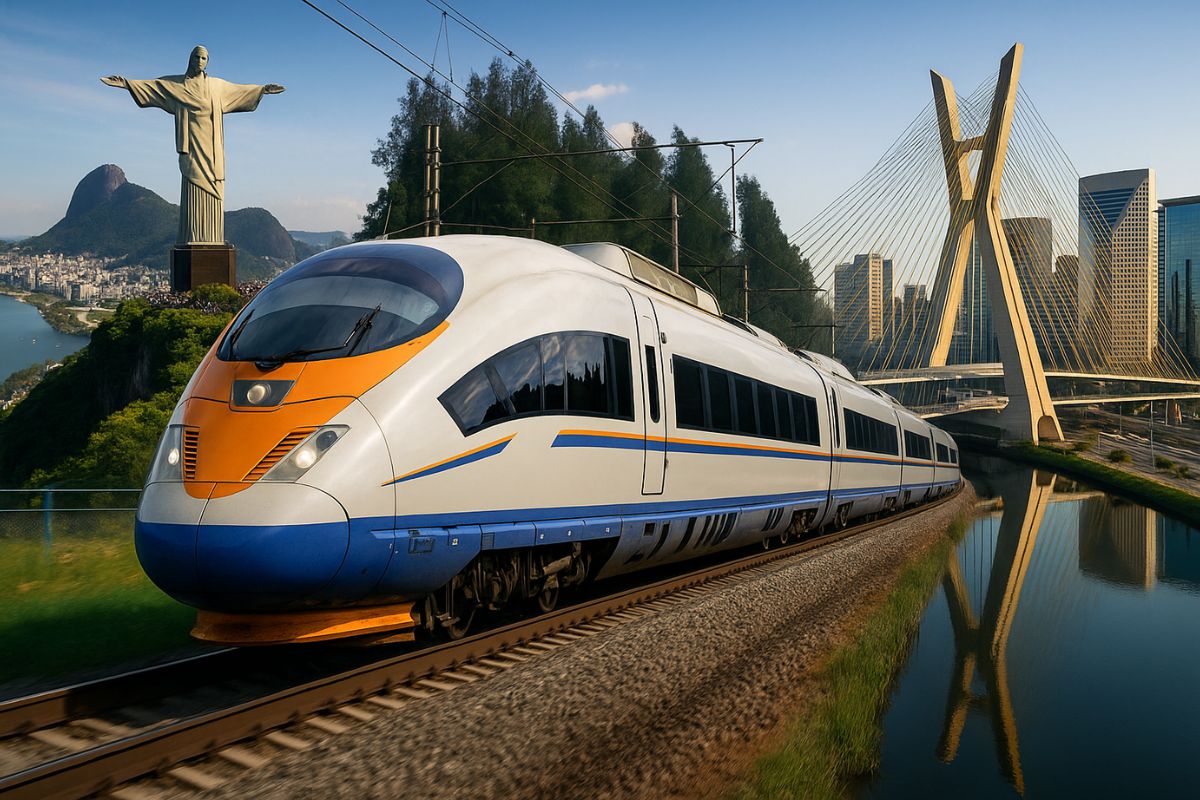
Announced As A Symbol Of Modernity For The 2014 World Cup, The Brazilian Bullet Train Between Rio And São Paulo Consumed Millions In Studies, But Accumulated Failures And Never Had A Single Track Laid.
The Brazilian bullet train was announced in 2007, during a period of great national optimism. The High-Speed Train (TAV) project quickly became one of the largest emblems of infrastructure promises for the 2014 World Cup and the 2016 Olympics. The idea of connecting the two largest metropolises in the country with cutting-edge technology represented the image of a modern Brazil capable of achieving great feats.
However, what unfolded between 2007 and 2013 was a story of frustration. The ambitious project of the Brazilian bullet train failed to move beyond the planning stage, culminating in a failed concession auction and the loss of millions in public resources, without any expected benefits being minimally achieved.
How The Promise Of The Brazilian Bullet Train Was Born?
The TAV Brazil project was conceived around 2007, driven by a strong sense of urgency. The selection of the country to host the world’s largest sporting events created the need to present modern and efficient infrastructure. The bullet train was not just a transportation solution but a symbol of technological capability to be showcased to the world.
-
Son of a seamstress from the rural area of Ceará who did not speak English wins a scholarship of over 2 million reais at Williams College, one of the top 10 universities in the United States, covering everything including dormitory, meals, and annual trips to Brazil.

-
Bill Gates revealed that the true secret behind every great achievement is not a brilliant leap but rather small improvements repeated over the years, and the data from his own career and the fight against climate change prove that he is right.

-
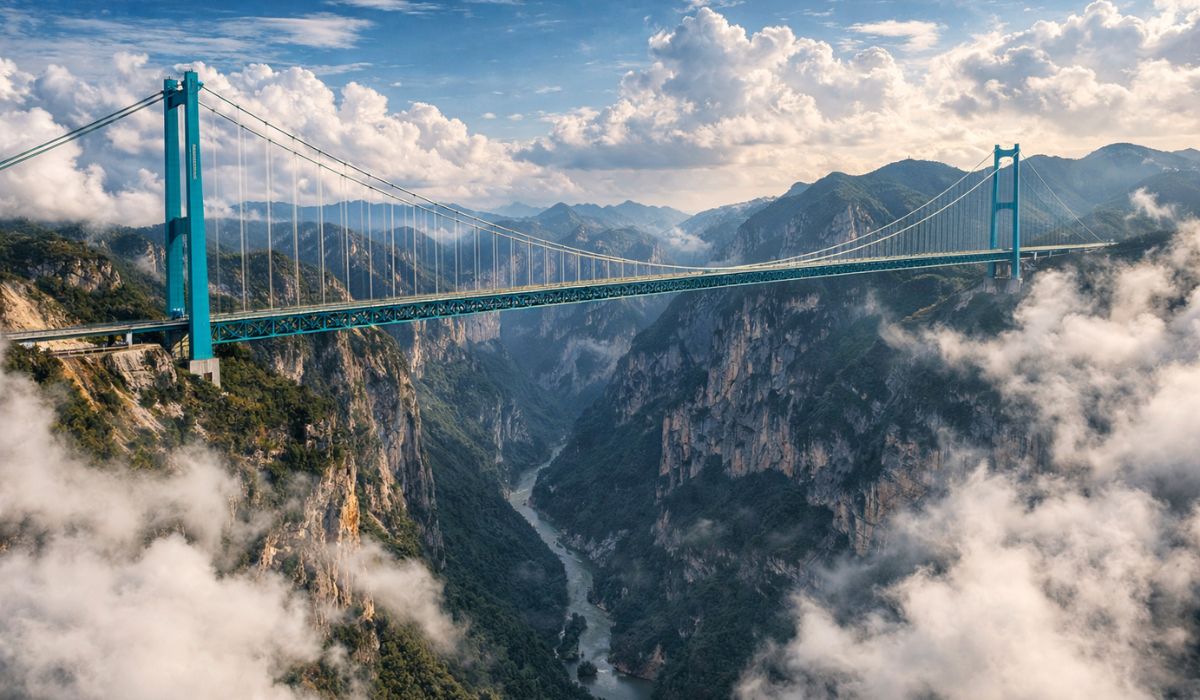
With 22 thousand tons of steel, a height nearly three times greater than the Eiffel Tower, and a cost of R$ 1.6 billion, China is building the highest bridge on the planet over a colossal canyon, reducing a crossing time of over 2 hours to just over 2 minutes.
-
With more than 635,000 doctors, Brazil sees competition increasing in large cities, and recent graduates are competing for shifts at an accelerated pace while the countryside still faces shortages.


To manage the complex project, which aimed to connect Rio de Janeiro, São Paulo, and Campinas over a route of nearly 1,000 km, the federal government created a specific state-owned company, the Planning and Logistics Company (EPL). The structure envisioned the integration of metropolitan regions and the main airports in the country: Guarulhos (SP), Galeão (RJ), and Viracopos (Campinas). However, this government centralization may have limited private sector participation in crucial planning phases.
The Timeline Of Delays And Deserted Auctions
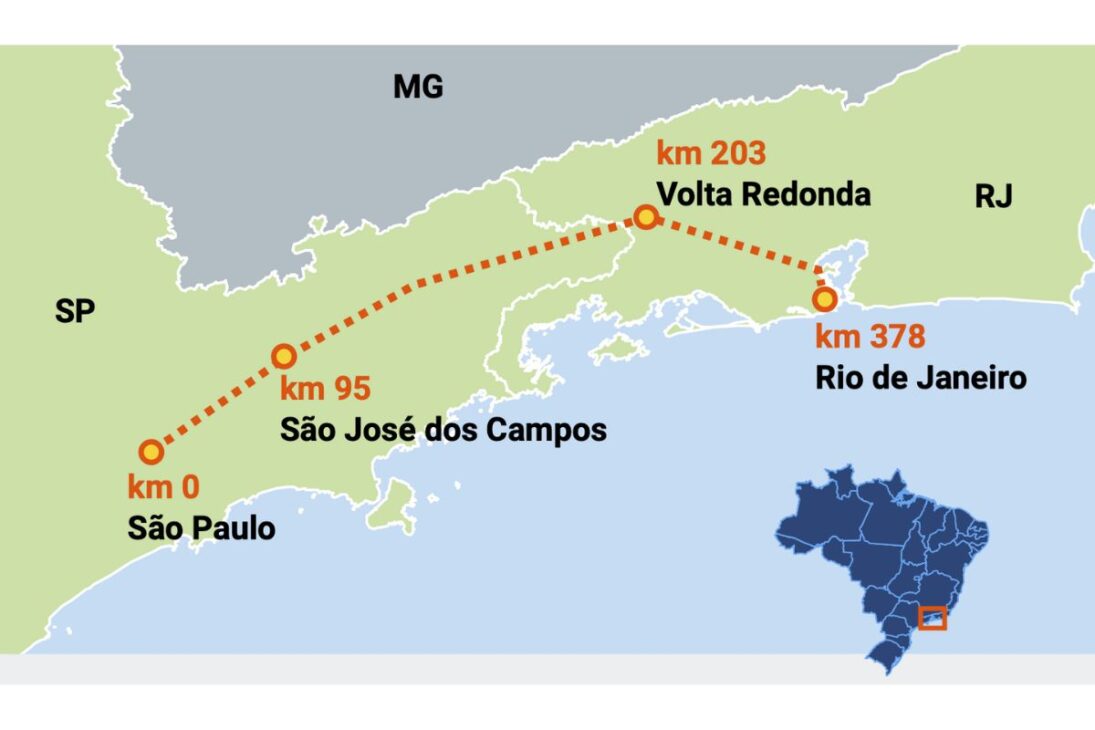
The path of the Brazilian bullet train to its final auction attempt was marked by a series of setbacks that undermined market confidence. Already in October 2009, delays in drafting the bidding document compromised the schedule, making it clear that the train would not be ready for the 2016 Olympics.
In 2011, the situation worsened. In April and July of that year, new delays were announced, driven by low market interest. The confirmation came on July 29, 2011, when the public session of the auction was opened and no consortium submitted a proposal. In response, the government decided to split the bidding document into two phases, but distrust had already set in, creating a cycle of postponement and uncertainty.
The Factors That Led To The Collapse Of The Auction In 2013
The final attempt to auction the project in August 2013 ended in categorical failure, with a complete absence of interested parties. This result was the consequence of a set of factors that rendered the Brazilian bullet train unviable for the private sector at that time.
The main reason was the “uncertain economic scenario” that Brazil faced, with a slowdown in growth and increasing distrust. Additionally, the “great complexity of the project” scared off investors. This complexity was not only engineering-related but also environmental, as the route cut through Atlantic Forest areas, and involved expropriations in dense, high-value urban areas. The difficulty in coordination among multiple government agencies, such as EPL, ANTT, TCU, and ministries, also generated a perception of instability and elevated risk.
How Much Did The Project That Never Left The Ground Cost Public Finances?
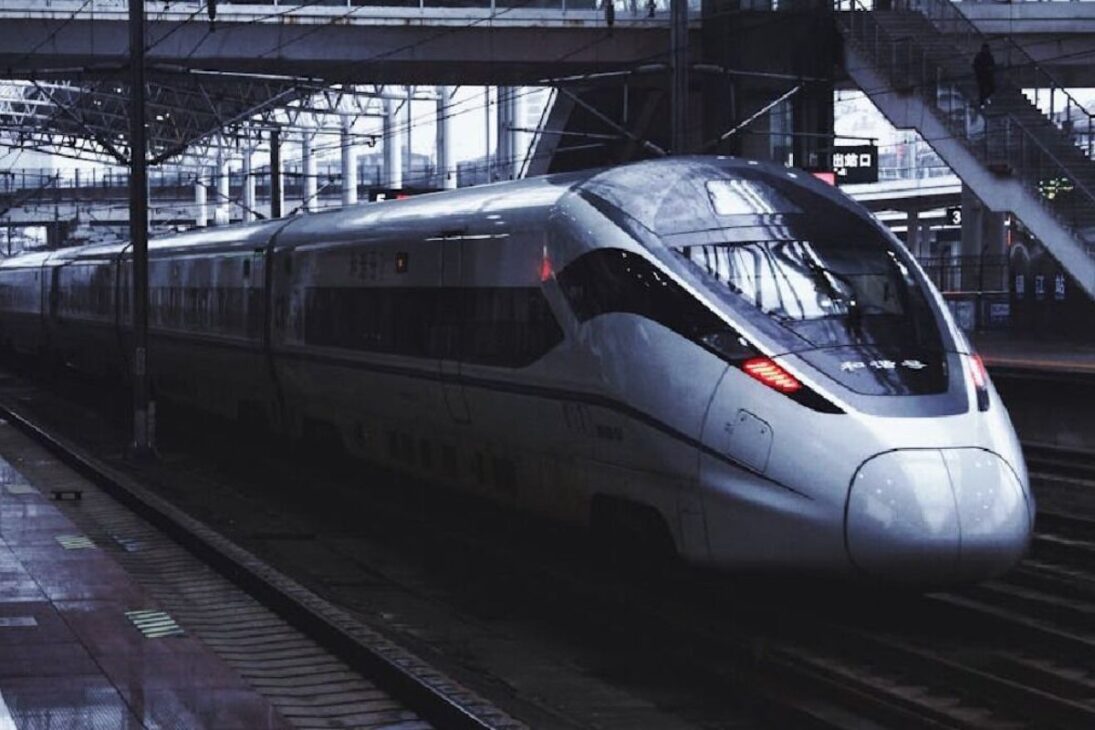
Although a consolidated value is not clearly presented, the project has already cost millions to the public treasury even before any construction. The expenses involved the creation and maintenance of the state-owned EPL, as well as the hiring of expensive technical, economic, and environmental feasibility studies, engineering projects, and legal consultancies.
An example of the magnitude of the figures involved was the action taken by the Attorney General’s Office (AGU) which, in 2013, prevented an improper payment of 270 million euros to an Italian company. Even though it was not paid, the amount demonstrates the level of negotiations. The government also planned an investment of R$ 3.4 billion and financing of up to R$ 20 billion via BNDES, showing the high public financial commitment that the project required.
The Lessons From The TAV And The Recent Resumption Of The Project
The saga of the Brazilian bullet train from 2007 to 2013 left important lessons for future megaprojects. The main lesson is the need for more realistic risk assessments, detached from specific event timelines. Furthermore, the importance of creating concession models with balanced risks between the public and private sectors became clear.
Despite the failure, the idea remained alive. In 2023, the project was resumed in a new format, through an authorization granted by ANTT to the private company TAV Brasil. With updated costs and timelines, the new attempt raises the question of whether the challenges that derailed the original project have been overcome, or if history risks repeating itself.








-

-

3 pessoas reagiram a isso.