





 Portuguese
  English
  Spanish
  5 min of reading
  2 comments


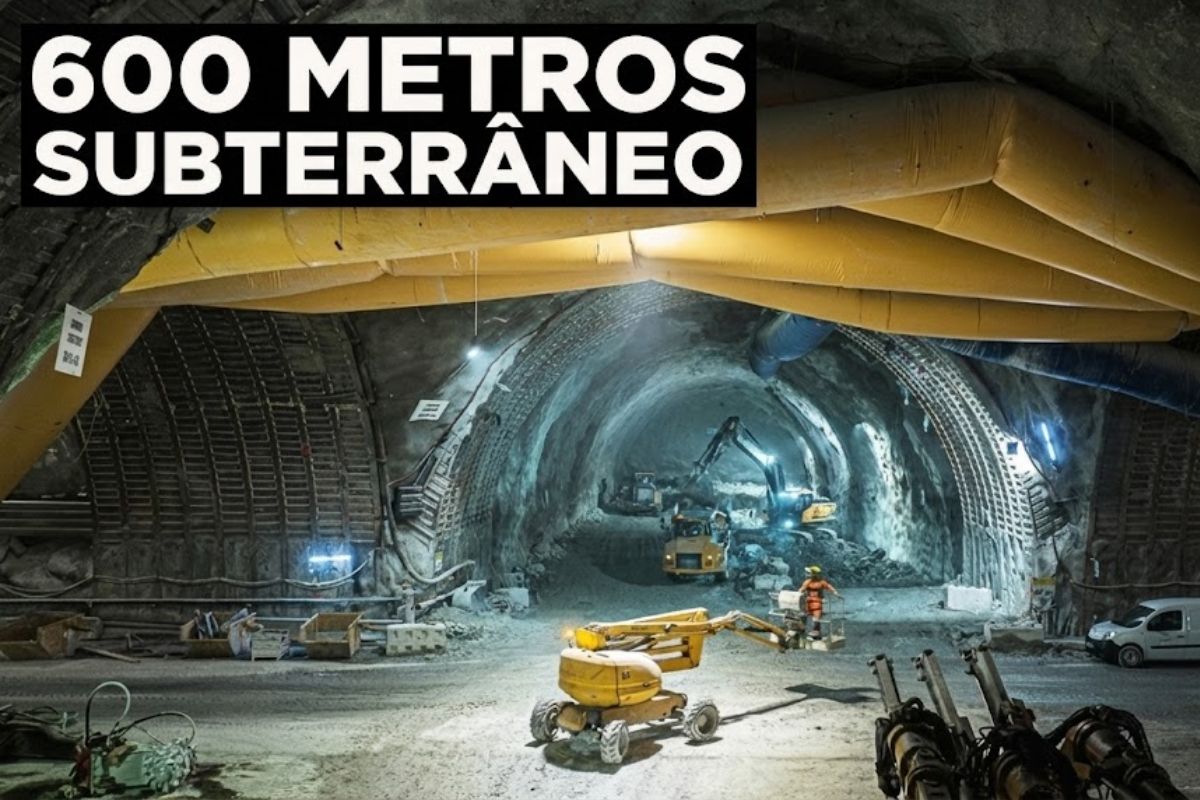


Lyon-Turin Railway Tunnel Will Be the Longest Single Railway Tunnel in the World, with 57.5 km Under the Alps, Estimated at US$ 29 Billion, with Seven Tunnel Boring Machines in Operation, Two Parallel Tubes, and Completion Expected by 2033, Reducing the Journey from 3h47 to 1h47 at the Border Between France and Italy.
In July 2025, France, Italy, and the European Union approved a document of actions and timeline for the Lyon-Turin Railway Tunnel, consolidating the completion forecast by the end of 2033 and unlocking European funding for all segments of the new railway. In the construction site, seven tunnel boring machines are operating in simultaneous fronts under the Alps.
In September 2025, the first tunnel boring machine from the latest package, named Viviana, began digging a 9 km stretch between Saint Martin-La-Porte and La Praz, with a cutting head of 10.4 m and a nominal weight of 2,000 tons. The railway tunnel is treated as the centerpiece of a new link aimed at reducing the travel time by half on the Lyon-Turin axis.
Dimensions of the Railway Tunnel and What Is Being Built

The railway tunnel will have a 57.5 km base and is described as the longest single railway tunnel in the world, surpassing the Gotthard Base Tunnel by a narrow margin.
-
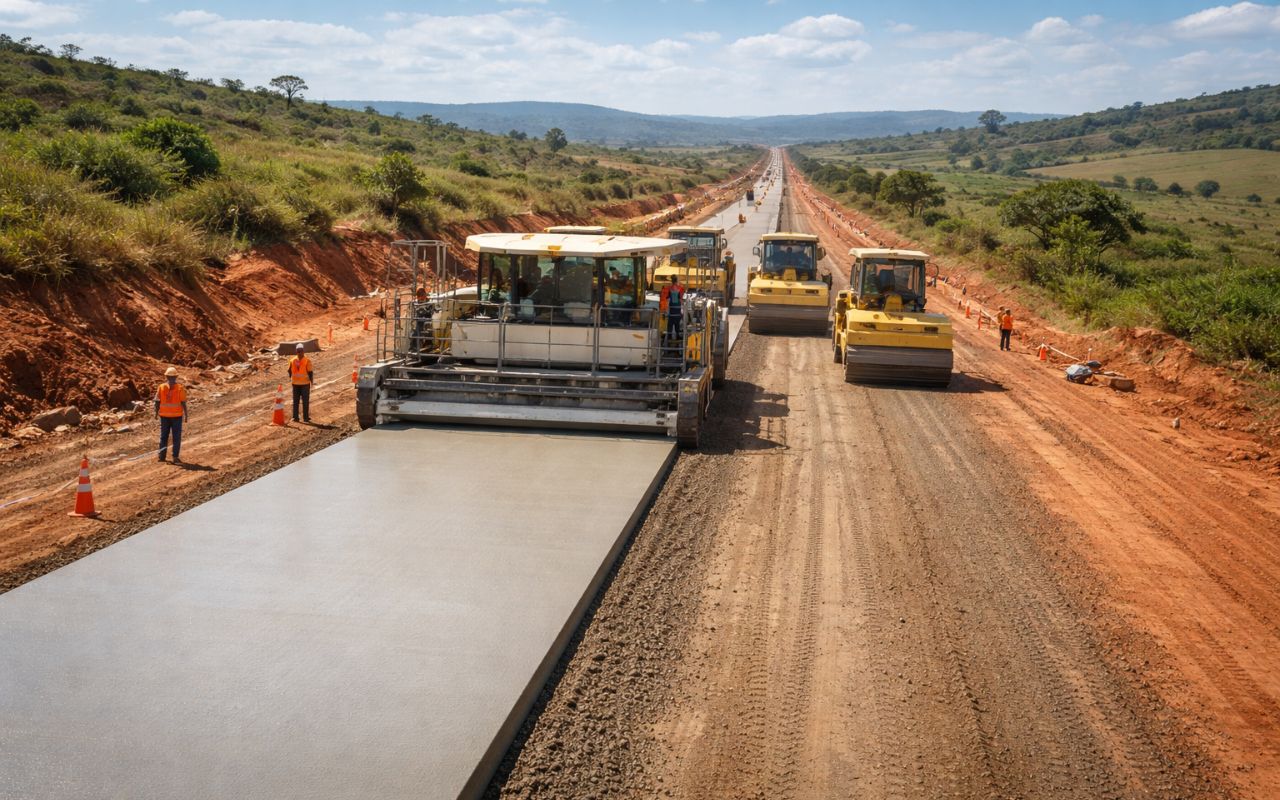
New CCR concrete paving technology promises roads up to 3x more durable, less maintenance, and cost reduction in Brazil.
-
Made from recycled plastic, plastic wood is gaining space in the construction industry because it does not rot, resists moisture, and reduces maintenance costs over the years.

-
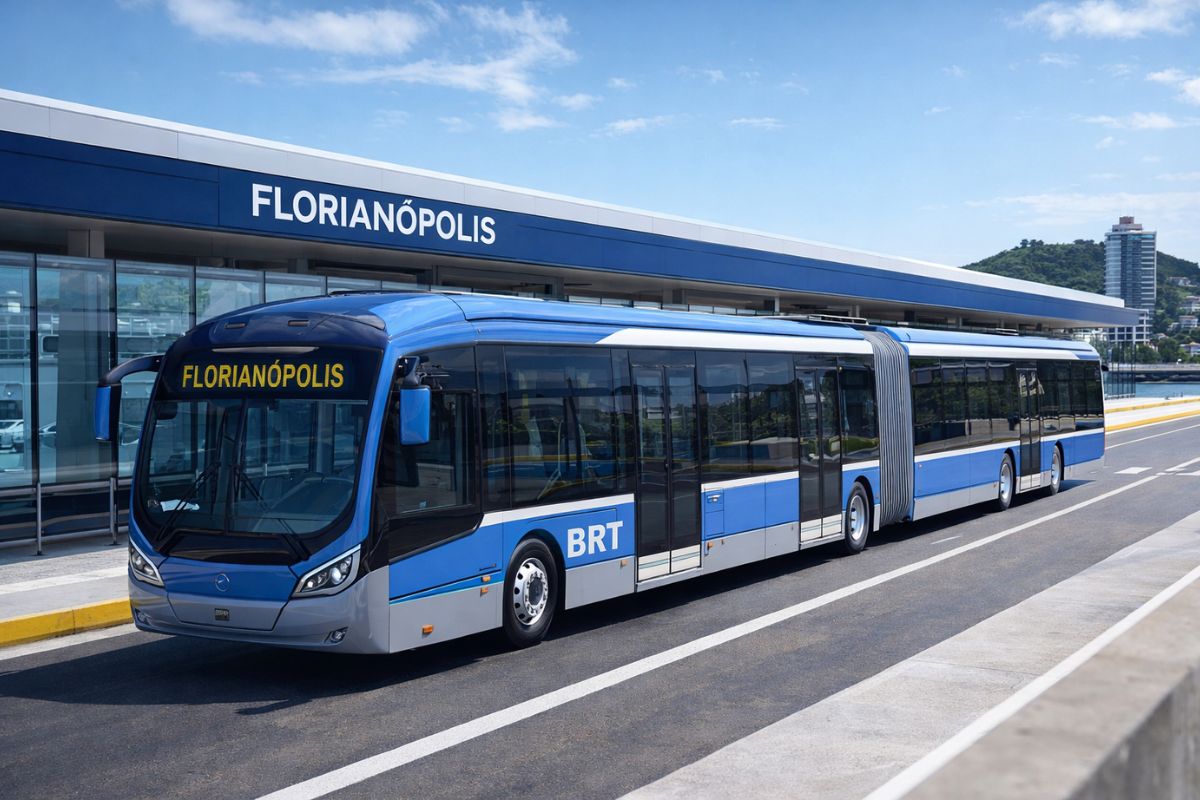
Florianópolis will receive a million-dollar BRT that will begin construction in 2026 with nearly 400 million in funding from the federal government and the Inter-American Development Bank, and the map already shows the routes for the exclusive bus corridors.
-
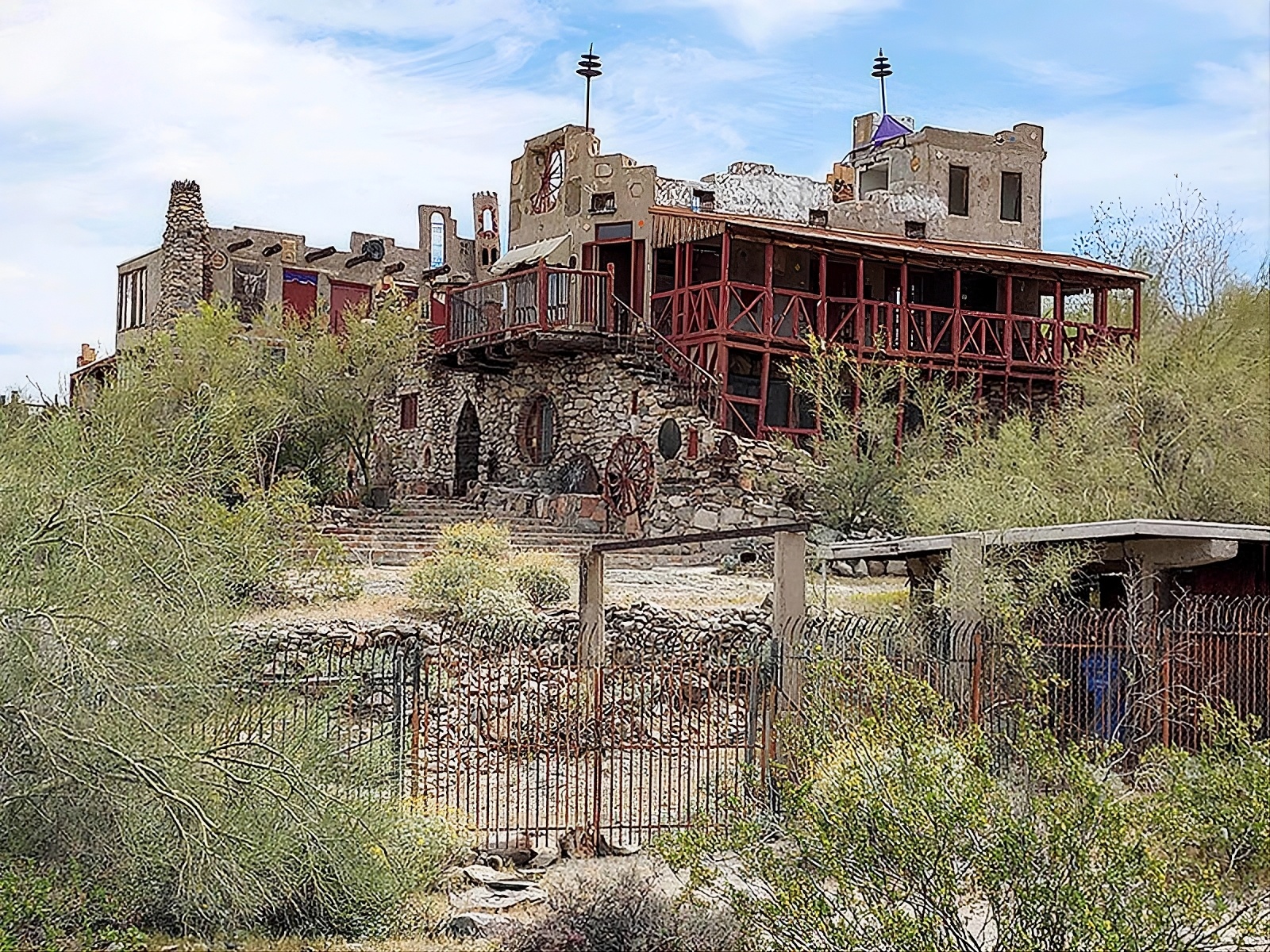
Without a blueprint, without an engineer, and using scrap from the dump, a father spends 15 years building an 18-room castle for his daughter, featuring tram tracks, 13 fireplaces, and over 700 m², which may now be demolished.

The route connects Saint-Jean-de-Maurienne on the French side to Susa on the Italian side, within the Lyon-Turin corridor.
The new railway associated with the railway tunnel totals 270 km, with about 70% in French territory and 30% in Italian territory.
The cross-border section includes 162 km of galleries and tunnels, considering accesses and safety deviations, and the construction plan provides for two parallel tubes for traffic in both directions.
Seven Tunnel Boring Machines, Drilling and Blasting, and the Method Chosen in the Alps

The excavation of the railway tunnel combines techniques.
An initial stretch of about 3 km, in geology considered particularly difficult, is being executed with drilling and blasting, a method that involves drilling into the rock, detonating, removing debris, installing steel ribs, and applying shotcrete for stabilization.
The material indicates that the drilling and blasting should account for approximately one quarter of the total length of the railway tunnel.
For the remainder, tunnel boring machines will be used, totaling seven tunnel boring machines in operation on the Lyon-Turin project, working under the Alps simultaneously.
Two Tubes, Passages Every 333 Meters, and Operational Safety
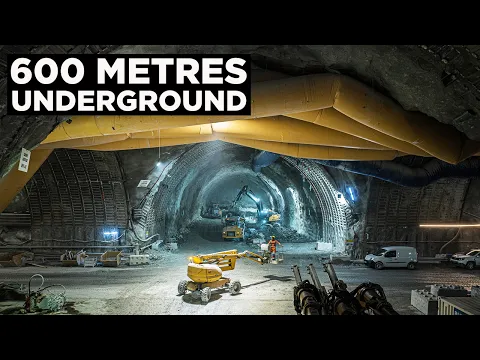

The design of the railway tunnel provides for two tubes, one to the north and another to the south, to allow bidirectional traffic.
Between them, connection passages are planned every 333 meters, serving as escape routes and maintenance corridors in case of emergencies.
This arrangement is presented as part of the safety standard of a base railway tunnel, in which the tracks are almost horizontal.
The solution reduces slopes and curves, creating conditions for greater speed and shorter travel time on the Lyon-Turin corridor.
Ventilation, Water, and Construction Logistics in the Depths of the Alps
The construction involves four vertical shafts being built for ventilation, drilled from the surface to the axis of the railway tunnel, with a drop of about 1,300 meters above sea level to the underground base.
The system is considered essential to keep the air breathable during excavation and, in the future, in any evacuations.
Water management is also seen as part of the logistics: water entry is deemed normal in the Alps, and excess water is pumped, sent to a treatment station, recycled and reused at the excavation front for dust control and operational support in the railway tunnel.
Uncertain Geology, Exploratory Tunnels, and the History of Landslides
The teams report encountering 80 different geological domains, from alluvial material at the entrances to ancient rocks such as gneiss, with distinct responses during excavation.
To reduce the risk of geotechnical surprises, an exploratory tunnel was completed in 2022 to guide the planning of the main railway tunnel.
The need for a new solution on the Lyon-Turin axis is also linked to the performance of existing infrastructure.
In 2023, a landslide was described as so severe that it led to the closure of the current railway line for one and a half years, highlighting the vulnerability of old routes in the Alps.
Cost, Project Governance, and the Window for Completion by 2033
Cost estimates are presented at around 25 billion euros, equivalent to approximately 29 billion dollars.
Almost half of the total is attributed to European Union funding, while Italy contributes the largest share of the remainder, justified by greater complexity on the Italian side, despite being shorter.
The public entity responsible for the cross-border section is the Tunnel European Lyon Turin, with ownership equally divided between the French and Italian states.
The material states that after July 2025, all civil works contracts for the railway tunnel were awarded, leaving the final overall hiring of equipment, with expectations to accelerate excavations towards 2033.
Expected Impact on Travel Time and Freight Transportation
The central promise of the railway tunnel is to reduce the travel time between the cities from 3 hours and 47 minutes to 1 hour and 47 minutes, a change that seeks to remove the car from the position of the fastest option on the Lyon-Turin axis.
The projection includes increasing long-distance service from six to 22 daily trips for passengers.
In freight transport, the diagnosis indicates that 92% of the flow from France to Italy occurs by truck, and the stated goal is to make the division more balanced at 50-50.
The target is to remove about one million heavy vehicles per year, reduce approximately one million tons per year of CO2, and expand the capacity of freight trains to 2,000 tons, compared to the current 700 tons.
Protests of 2023, Environmental Criticism, and the Debate on Necessity
The Lyon-Turin railway tunnel faces local opposition from the beginning, with criticism regarding the environmental impact in alpine valleys and the argument that there is already a railway line between the two cities.
In 2023, over 3,000 protesters gathered in the region, with reports of injuries among participants and police.
The foundational text counters the criticism with three points: the new railway would be faster, have environmental advantages by migrating freight to rail, and be less vulnerable to landslides in the long term.
Nevertheless, the public debate remains active, with cost and the timeline until 2033 as central elements of contention.
The Lyon-Turin railway tunnel combines drilling and blasting excavation, seven tunnel boring machines, and an arrangement of two tubes with passages every 333 meters to operate under the Alps on an unprecedented scale.
With an estimated cost of 29 billion dollars and a delivery window until 2033, the project aims to reduce travel time and rebalance freight transportation between France and Italy.
If you follow infrastructure, mobility, or logistics in Europe, note what indicators will define the success or failure of the railway tunnel: actual timeline, cost control, safety, passenger uptake, and migration of freight from truck to rail.
Do you think that the Lyon-Turin railway tunnel will fulfill the promise of 2033 in the Alps?









Acho e que é fundamental para a Itália e a França nos transportes de passageiros e de carga.
Pelos números apresentados a obra é bem promissora, é importante a redução de emissão de poluentes e de tempo para o transporte.Sem dúvida que uma obra dessa envergadura gera resíduos que devem ter o correto manejo e ou reciclagem para diminuir o impacto ambiental.