





 Portuguese
  English
  Spanish
  9 min of reading
  2 comments


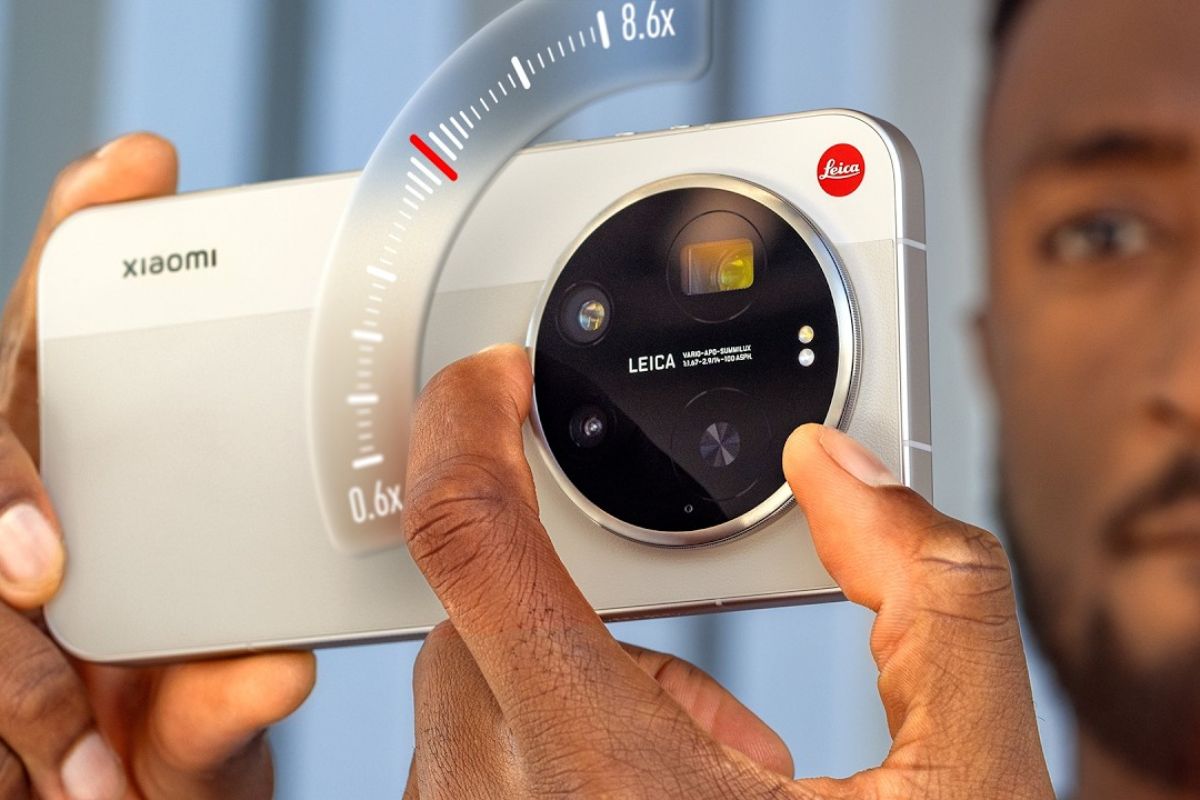


Presented In 2026, The Xiaomi 17 Ultra Invests In A One-Inch Main Sensor, Two-Hundred-Megapixel Telephoto Lens, Dedicated Leica Modes, And Rotating Camera Ring, Pushing Smartphone Design To A Hybrid Territory Between High-End Phone And Modern Advanced Photographic Equipment
The Xiaomi 17 Ultra Arrives In 2026 As A Device That Does Not Attempt To Be Just “Another High-End Phone”, But Instead A Mobile Platform For Advanced Photography. From The Packaging To The Physical Design, Everything Is Built So That The User Feels More Like They Are Holding A Leica Camera Than A Conventional Cell Phone. The Feeling Is Clear: The Phone Is There, But The Protagonism Has Been Handed Over To The Camera System.
At The Same Time, This Extreme Focus Raises A Fundamental Question: Since A Large Part Of The Xiaomi 17 Ultra Experience Involves Photographing, Recording, And Manipulating Images With Physical Controls And Integrated Leica Profiles, Does It Still Make Sense To Call It A Smartphone In The First Place Or Are We Facing A New Type Of Hybrid Device, Part Phone, Part Daily Use Digital Camera?
Xiaomi 17 Ultra: An Unboxing That Assumes The Leica Camera Identity

The Positioning Of The Xiaomi 17 Ultra Begins Even Before Turning On The Screen.
-
A “silent skill” is allowing Brazilians to earn up to R$ 22,000 per month without a degree and become indispensable for companies that rely on millions of data to survive.

-
Researchers at the Toyota Research Institute found that if a human uses robotic arms to flip a pancake 300 times in an afternoon, the robot learns to do it on its own the next morning, and this is currently the most promising method to solve the biggest bottleneck in modern robotics.

-
Goodbye iron: a common item in households is starting to lose space to technology that smooths clothes in minutes without an ironing board and with less energy consumption.

-
Antarctica reveals an unusual clue high in the Hudson Mountains, and what appeared to be just an isolated rock began to expose a secret hidden under the ice for ages.


Upon Opening The Box, The User Finds A Set Of Accessories Designed To Reinforce The Idea That They Are Acquiring A Camera With A Phone Built-In.
There Is A Customized Case With Magnets In The MagSafe Pattern, A Prominent Leica Logo, And An Aluminum Cover To Protect The Lens Set, Also Marked With The German Brand In Generous Size.
In Addition, The Package Includes A High-Quality Microfiber Cloth For Cleaning The Lenses And A Wrist Strap That Attaches To The Corner Of The Case, Just Like Traditional Compact Cameras.
The Entire Unboxing Ritual Of The Xiaomi 17 Ultra Is Built To Activate The Physical Memory Of A Photographic Camera, Not A Cell Phone.
The Name Xiaomi Appears Discreetly On The Back, While The Leica Logo Dominates The Back, Camera Module, And Even The Side Of The Device, With The Inscription “Leica Camera Germany” Engraved Above A Textured Area That Improves Grip.
In Terms Of Design, The Xiaomi 17 Ultra Reinforces Its Hybrid Character With A Two-Tone Back In The Cream Version: Most Of It Has A Light Texture While The Upper Area Is Smooth, Highlighting The Large Circle Of The Camera Island.
The Buttons Are Well Defined, With Volume In Separate Disks For “Plus” And “Minus,” Referencing A More Physical And Direct Design.
The Horizontal Positioning Of The Brand On The Back Suggests Use In Landscape As Standard, Exactly As Expected From A Camera, Not From A Common Smartphone.
Huge Sensors, Variable Zoom, And The Camera Package That Dominates The Device

Instead Of Just Selling Numbers, The Xiaomi 17 Ultra Organizes The Camera Hardware Into Three Pillars: A Main Large Format, A Truly Wide Ultrawide, And A Telephoto Lens With Variable Focal Length Zoom.
The Main Camera Features A One-Inch Sensor With Fifty Megapixels And An f/1.67 Aperture, Dimensions That Are Similar To Premium Compact Cameras And Allow For Naturally Shallower Depth Of Field And More Detail In Low Light.
The Ultrawide, Equivalent To Fourteen Millimeters, Also Has Fifty Megapixels And An f/2.2 Aperture, Providing A Much Broader Field Of View Than Usual In Cell Phones And Maintaining Quality Sufficient For Real Use, Not Just For “Special Effects.”
For The Telephoto Lens, The Xiaomi 17 Ultra Utilizes A Two-Hundred-Megapixel Sensor To Operate A Variable Focal Length Optical Periscope Zoom, Ranging From Seventy-Five To One Hundred Millimeters, With Apertures Between f/2.39 And f/2.96.
This Set Allows For Coverage From Extreme Wide Angle To Moderate Telephoto Continuously, Before Even Resorting To Heavy Digital Cropping.
Despite The Aggressive Camera Focus, The Xiaomi 17 Ultra Does Not Abandon The Rest Of Its Hardware. The Device Comes With Snapdragon 8 Gen Five Processor, LPDDR5X RAM, And UFS 4.1 Storage, Forming A Typical Base For A Current High-End Device.
The Six Point Nine Inch Flat Screen, With A Refresh Rate Of One Hundred And Twenty Hertz And Brightness Of Up To About Three Thousand Five Hundred Nits, Allows For Comfortable Viewing Of Photos And Videos In Different Environments.
The Six Thousand Eight Hundred Milliamp-Hour Battery, With Ninety Watt Fast Charging And Fifty Watt Wireless Charging, Reinforces The Proposal For Intensive Use Of The Camera Throughout The Day Without Relying On Outlets Constantly.
Rotating Ring, Leica Modes, And The Photography Experience That Goes Beyond The Sensor

If The Set Of Sensors Already Places The Xiaomi 17 Ultra At A High Level, What Truly Differentiates The Device Is The Photography Experience, Clearly Influenced By The Partnership With Leica.
The Camera App Offers Two Main Processing Profiles, Leica Vibrant And Leica Authentic, Which Adjust Contrast, Colors, And The Overall Character Of The Image.
From These, The User Can Advance To “Leica Essential Mode,” Inspired By M Bodies, Where Profiles Like “M9” And “M3” Emulate The Behavior Of Specific Cameras From The Brand.
In The M9 Profile, The White Balance Is Locked On Daylight, Contrast Is Increased, And The Look Is Less Processed, With A More Organic Appearance.
In The M3 Monochrome Mode, The Xiaomi 17 Ultra Generates Black And White Images With Less Dynamic Range, Noticeable Grain, And Accentuated Contrast, Bringing The Experience Closer To Leica’s Monochrome Series.
These Modes Do Not Function As Filters Applied After Capture, But As Part Of The Image Pipeline, Reinforcing The Proposal That The Device Acts As A Camera Before Being A Phone.
Complementing The Software, The Physical Ring Around The Camera Module Takes On A Central Role.
It Spins Smoothly, With Haptic Feedback That Simulates A Traditional Camera Control Ring.
A Quick Turn Can Serve As A Shortcut To Open The Camera, And Once Inside The App, The Ring Is Used To Zoom, Adjust Exposure, Change Focus Manually, Modify Shutter Speed, Or Adjust Color Temperature In Kelvin In Pro Mode.
This Is A Mappable Physical Control, Bringing The Ergonomics Of The Xiaomi 17 Ultra Closer To The Use Of A Dedicated Camera Rather Than Relying Solely On Touching The Screen.
Video, Zoom, And Practical Limitations Of The “More Camera Than Phone” Proposal
When Recording Video, The Xiaomi 17 Ultra Explores The Optical Set And Processing Power To Record In Eight K With Good Detail Quality.
In Practical Tests, An Entire Automotive Review Was Recorded With The Device, Using An External Microphone To Compensate For The Internal Microphones, Considered Just Adequate.
The Combination Of A Large Sensor, High-Resolution Telephoto, And Leica Modes Also Favors Videos With An Aesthetic Closer To Advanced Compact Cameras Than To Generic Cell Phones.
However, The Variable Zoom Ranging From Seventy-Five To One Hundred Millimeters Has Limits.
While It Is A Technical Advancement To Have Movable Optical Elements Inside A Periscope, The Range Of 3.2x To 4.3x, In Practice, Does Not Represent A Change As Radical As A Zoom That Jumps To Long Focal Lengths.
In Many Cases, Two Physical Steps Forward Can Bring The Subject Closer Comparably To The Zoom Gain Offered By The Variable Telephoto, Which Relativizes The Impact Of This Solution.
In Standard Camera Mode, The Xiaomi 17 Ultra Still Follows The Logic Of Many Smartphones By Prioritizing Pixel Grouping And Smaller Files: Photos Open By Default In Twelve Megapixels, Even Though There Are Options For Fifty Megapixels.
If The User Switches To The Higher Resolution, Closes The App, And Comes Back Later, The System Tends To Return To The Default Of Twelve Megapixels.
For A Device That Presents Itself As “More Camera Than Phone,” This Behavior Of Forgetting Capture Settings Approaches The Logic Of A Traditional Smartphone And Less The Consistency Expected In A Dedicated Camera Body.
Between Theory And Real Use: When The Physical Ring Helps And When It Hinders
Theoretically, The Ring Of The Xiaomi 17 Ultra Is A Clear Differentiator. It Offers Direct Physical Control Over Critical Parameters And Can, Indeed, Accelerate The Workflow For Those Who Photograph Constantly.
In Practice, There Are A Series Of Situations Where Control Proves Less Than Ideal.
When Using The Ring To Zoom, For Example, The Probability Of Fingers Appearing At The Edge Of The Frame Increases, Especially In Ultrawide, Where The Field Of View Is Broad And Any Movement In Front Of The Lens Becomes Visible.
Additionally, The Position And Sensitivity Of The Ring Cause Accidental Touches To Happen Frequently. Just The Act Of Holding The Xiaomi 17 Ultra In Certain Grips Can Trigger The Camera Opening Shortcut, Even When The User Did Not Intend To Photograph.
For A Product That Invests So Much In Control And Precision, This Type Of Involuntary Activation Breaks The Sense Of Total Mastery Over The Equipment, Reminding Us That It Is Still A Thin Body, Primarily Designed As A Smartphone.
Yet, When Used Consciously, The Ring Offers Real Advantages In Advanced Modes. Mapping The Ring For Manual Focus, For Example, Allows For Micro Adjustments That Would Be Inconvenient In A Purely Tactile Interface.
Adjusting The Color Temperature In Kelvin Also Becomes More Intuitive When The User Feels The Progress Through “Virtual Clicks,” Instead Of Sliding A Control On Screen.
The Result Is That The Ring Oscillates Between Being A Powerful Professional Resource And A Usability Friction Point, Depending On The Usage Profile And Care In The Grip.
High-End Smartphone Hardware That Ends Up In The Background
Beneath The Leica Aesthetic, The Xiaomi 17 Ultra Maintains High-End Smartphone Specifications.
The Set With Snapdragon 8 Gen Five, LPDDR5X RAM, And UFS 4.1 Storage Is Enough To Run Games, Heavy Multitasking, And Video Editing Directly On The Device Without Difficulty.
The Six Point Nine Inch Flat Screen With A Refresh Rate Of One Hundred And Twenty Hertz And Extreme Brightness Allows For Media Consumption And Photo Viewing In Indoor And Outdoor Environments With Ease.
The Six Thousand Eight Hundred Milliamp-Hour Battery, Along With Ninety Watt Fast Charging With Cable And Fifty Watt Wireless Charging, Reduces Anxiety For Those Who Record A Lot Of Videos Or Photograph Continuously Throughout The Day.
The IP69 Certification, Even With A Moving Ring On The Back, Shows That The Structure Was Designed To Resist Water And Dust At An Advanced Level.
The HyperOS 3 Software, Running On Android Sixteen, Places The Interface In The Same Generation As Competitors Of 2026, Although The Focus Of The Experience Is Clearly On Camera Features.
Interestingly, All This High-Performance Package Ends Up Supporting The Optical System And Leica Experience. The Xiaomi 17 Ultra Does Not Try To Highlight Gaming, Productivity, Or Apps As Main Differentials.
The Implicit Message Is Simple: If You Do Not Care About Photographing Or Filming At A Level Well Above Basic, This Might Not Be The Most Coherent Device For Your Profile, Even Though It Is Technically Excellent As A Smartphone.
Is The Xiaomi 17 Ultra Still A Phone Or Has It Turned Into A Camera With A Phone Line?
Overall, The Xiaomi 17 Ultra Functions As A Concrete Experiment About How Far A Manufacturer Can Go In Transforming A Smartphone Into A Photographic Platform.
Large Sensors, A Two-Hundred-Megapixel Telephoto With Variable Zoom, Leica Modes Integrated Into The Capture Process, A Configurable Physical Ring, A Bright Screen, And A Robust Battery Comprise A Device That Puts The Camera Experience Above Any Other Aspect.
The Weak Points Arise Precisely When The Behavior Of A Traditional Smartphone Reappears, Such As The Forgetting Of Advanced Settings And Sometimes Uncomfortable Use Of The Ring In Common Grips.
In Light Of This Scenario, The Question Becomes Not Just Technical But Also About Real Use: For You, Who Photographs And Films Daily, Does The Xiaomi 17 Ultra Make More Sense As Your Next Main Phone Or As A Pocket Leica Camera With 5G Connectivity That You Would Carry Exclusively To Capture The World In Your Way Of Seeing?







Seria uma mi cro câmera mas com a vantagem de ainda comunicar como celular normal
Qual é o preço do lançamento?