





 Portuguese
  English
  Spanish
 4 min of reading
  0 comments


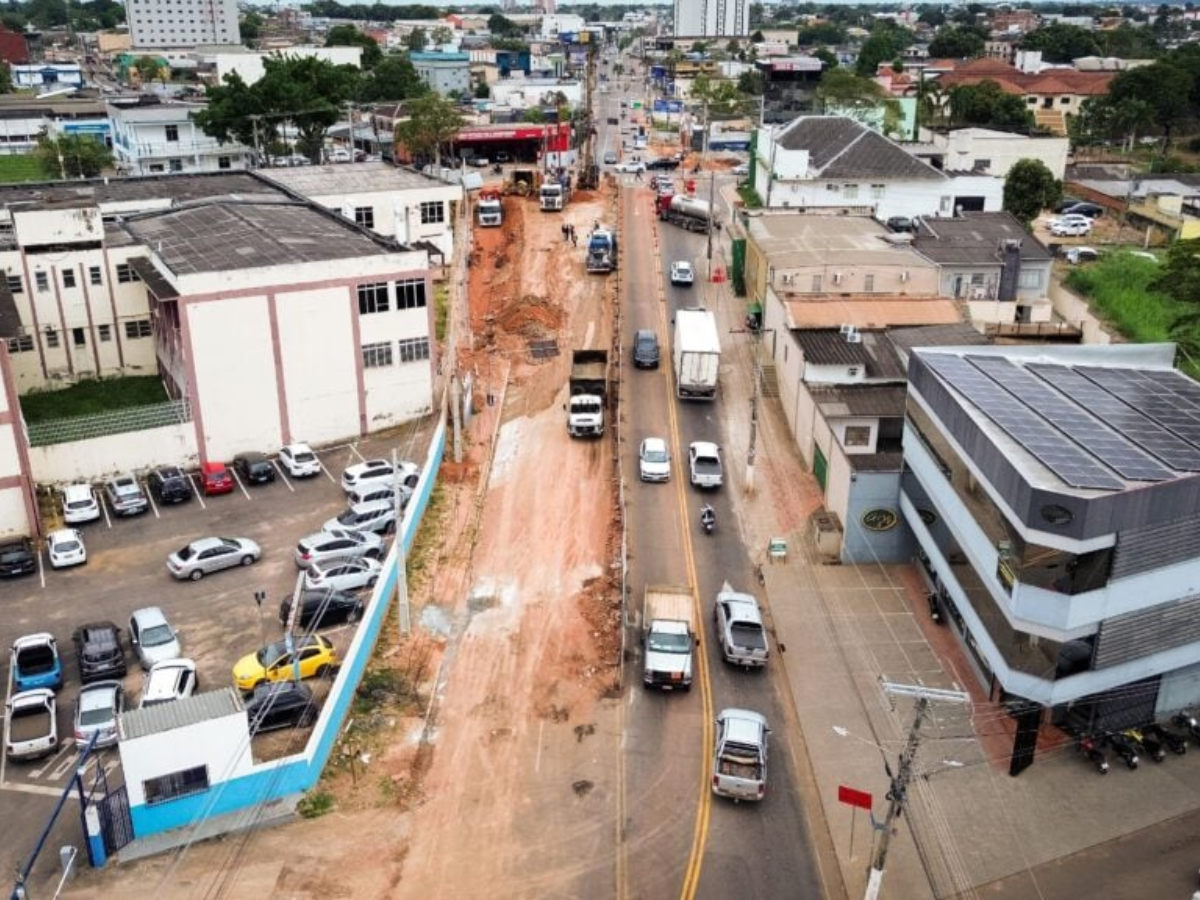
The Viaduct Work Transforms Urban Mobility, Strengthens the Construction Sector, and Boosts the Local Job Market.
One of the largest urban projects underway in the capital of Acre, the Rio Branco Viaduct Complex, is already promoting positive changes even before its completion. With an investment exceeding R$ 22 million, the project, in addition to modernizing urban mobility, has strongly contributed to the local economy through construction and the creation of direct and indirect jobs.
The work is the result of a partnership between the Acre government and the federal government, through the Superintendency for the Development of the Amazon (Sudam), linked to the Ministry of Integration and Regional Development (MIDR).
Of the total invested, over R$ 18 million come from legislative amendments, while about R$ 4 million represent the state counterpart.
-
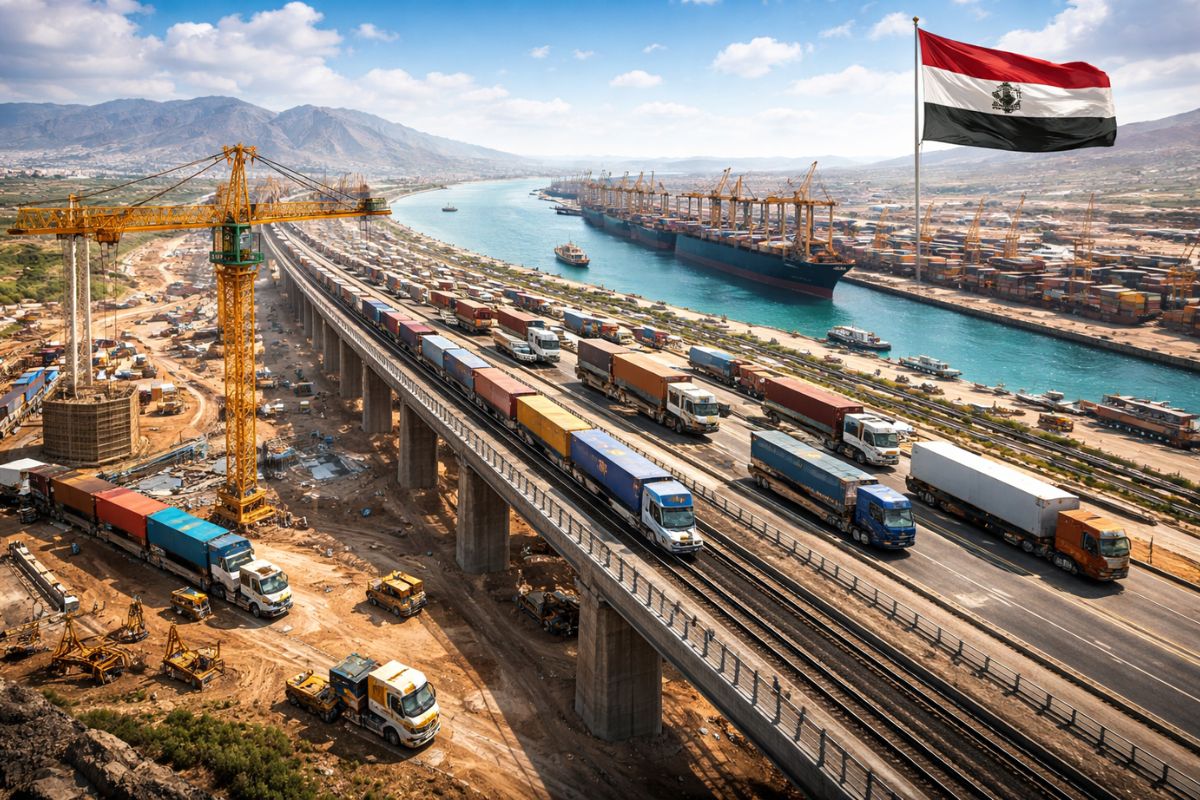
A megaproject worth R$ 89 billion is advancing in Iraq and promises to change the game in global trade by creating a new corridor between Asia and Europe, reducing traditional routes and repositioning the country as a logistics powerhouse.
-
Goodbye bedside table: floating shelves become a trend in 2026 by freeing up space in the bedroom, improving circulation, bringing visual lightness, and integrating technology without taking up floor space.

-
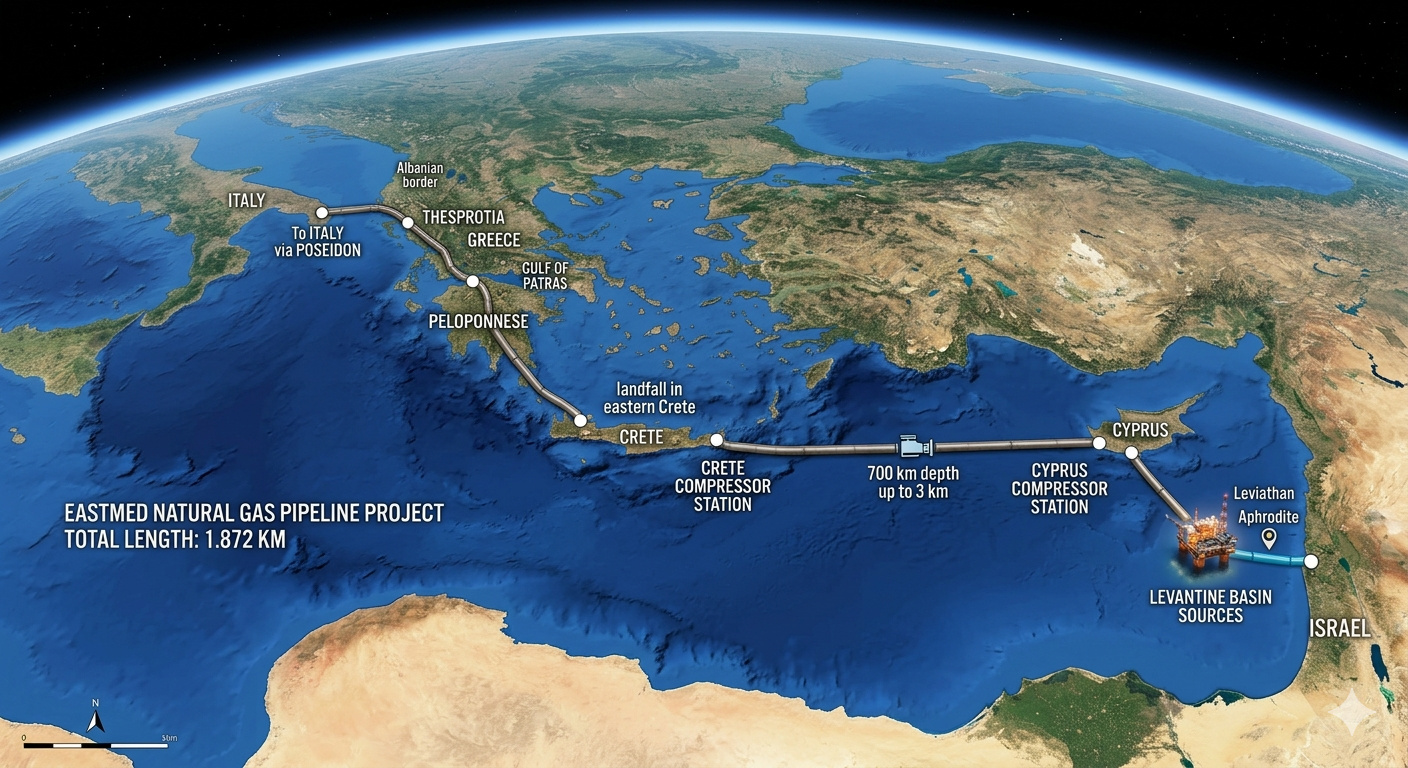
Israel, Greece, and Cyprus signed an agreement in 2020 to transport gas from the Mediterranean to Europe via a 1,872 km pipeline, but Turkey claimed sovereignty over part of the maritime route, and the project never materialized.
-
Israel, Greece, and Cyprus signed an agreement in 2020 to transport gas from the Mediterranean to Europe via a 1,872 km pipeline, but Turkey claimed sovereignty over part of the maritime route, and the project never materialized.
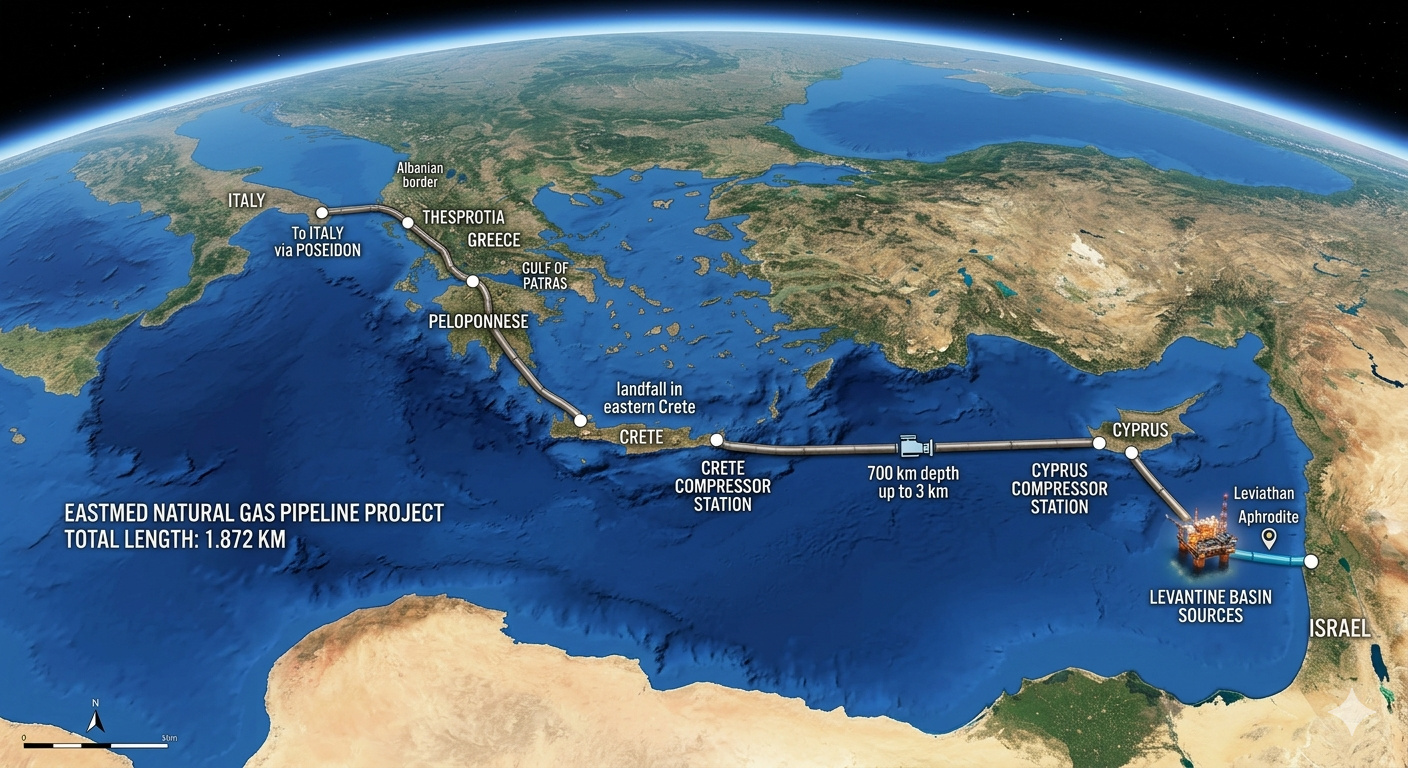

Progress on the Viaduct Work is Already Impacting Various Sectors of the City
The construction of the Viaduct Complex is not only restructuring Avenida Ceará, one of the main roads in the capital, but also activating various sectors of the economy.
From engineers to suppliers of materials and support services, the project mobilizes a broad production chain that directly benefits dozens of families.
Currently, about 45 professionals are working at the construction site, with prospects for new hires in the coming months.
“We will soon hire more people. This helps a lot, especially because many people are looking for work here. We cannot employ everyone, but as the need arises, we hire,” says Cristiano Luiz Gomes, in charge of execution.
One of the most important interventions is the lowering of Avenida Ceará. For this, the foundation phase of the trench is underway, a technical stage involving the concreting of piles to allow for the new configuration of the road.
According to the project supervisor, José Alves, this part is essential to prepare the ground where circulation lanes will be installed.
In total, four access ramps are planned for the site. They will serve as exclusive lanes for buses, aiming to reduce travel time for public transport and alleviate regular vehicle traffic. The first ramp has already been completed.
“We will intensify the work, and with the complete closure of Avenida Ceará, in the section between Rua José de Melo and Floriano Peixoto to Rua Marechal Deodoro, we will be able to work more calmly and safely, as vehicles will be directed to alternative routes, according to the temporary signaling project developed by Seop [State Department of Public Works] and approved by RBTrans and MPAC,” reveals Alves.
Public Investment Accelerates Economy and Boosts Construction Sector
The state government’s initiative has stood out not only for improving urban infrastructure but also for its social impact.
The construction of this magnitude stimulates local consumption of materials and services, in addition to generating opportunities in complementary sectors such as food, transportation, and clothing.
The surveyor Hélio Silva e Silva, who has been working on the project for a year, believes that projects like this are essential for the growth of cities.
“I think works like this are extremely important because they generate income for the city. A large-scale construction project drives the economy significantly because it requires many workers, and these workers need transportation and uniforms; it’s a mechanism, a set involving many things,” he states.
Governor Gladson Cameli has been closely monitoring the progress of the works and demanding agility in execution.
“We cannot waste a minute and will implement actions throughout the state, so that we can increasingly reduce difficulties, enhance hopes, and recognize the mission that still lies ahead,” Cameli stated, highlighting the strategic importance of the project.
With the arrival of summer, the work is expected to accelerate even more. The section of Avenida Ceará between Rua José de Melo and Marechal Deodoro has been closed to facilitate safe execution, redirecting traffic to previously planned alternative routes.
Study Reinforces the Importance of the Construction Sector for Employment in Acre
A recent survey by the Acre Business Forum revealed that municipalities like Marechal Thaumaturgo, Bujari, Brasileia, and Acrelândia experienced significant growth in the generation of formal jobs in the construction sector in 2024.
The net employment growth (NEG) in Marechal Thaumaturgo, for example, reached 28%.
The study recommends the continuation of investments in construction, especially focusing on public works and affordable housing, as well as technical training for the workforce to meet the growing demand in the sector.
Many of these guidelines have already been adopted by state departments, focusing on productive inclusion and regional development.
More than just an urban requalification, the Rio Branco Viaduct Complex represents a milestone of economic and social transformation.
With a direct impact on traffic, job creation, and financial movement, the project reaffirms the role of the construction sector as a pillar of sustainable development in Acre.









Seja o primeiro a reagir!