





 Portuguese
  English
  Spanish
  6 min of reading
  24 comments





Have You Heard About The Most Expensive Construction In Brazil? It Promises To Be The Third Largest In The World In Its Sector And Is Surrounded By Controversies And Distrust. Environmental Groups, NGOs, And Indigenous Communities Have Raised Serious Criticism Of This Grand Project.
We Are Talking About The Belo Monte Hydroelectric Plant, A Giant Project Located In The Heart Of The Amazon That Has Generated Intense Debates Since Its Inception.
The Belo Monte Hydroelectric Plant, Located On The Xingu River In Pará, Is One Of The Largest Engineering Projects In Brazil.
With A Monumental Investment Of R$ 40 Billion, The Plant Was Planned To Meet The Growing Energy Demand Of The Country.
-
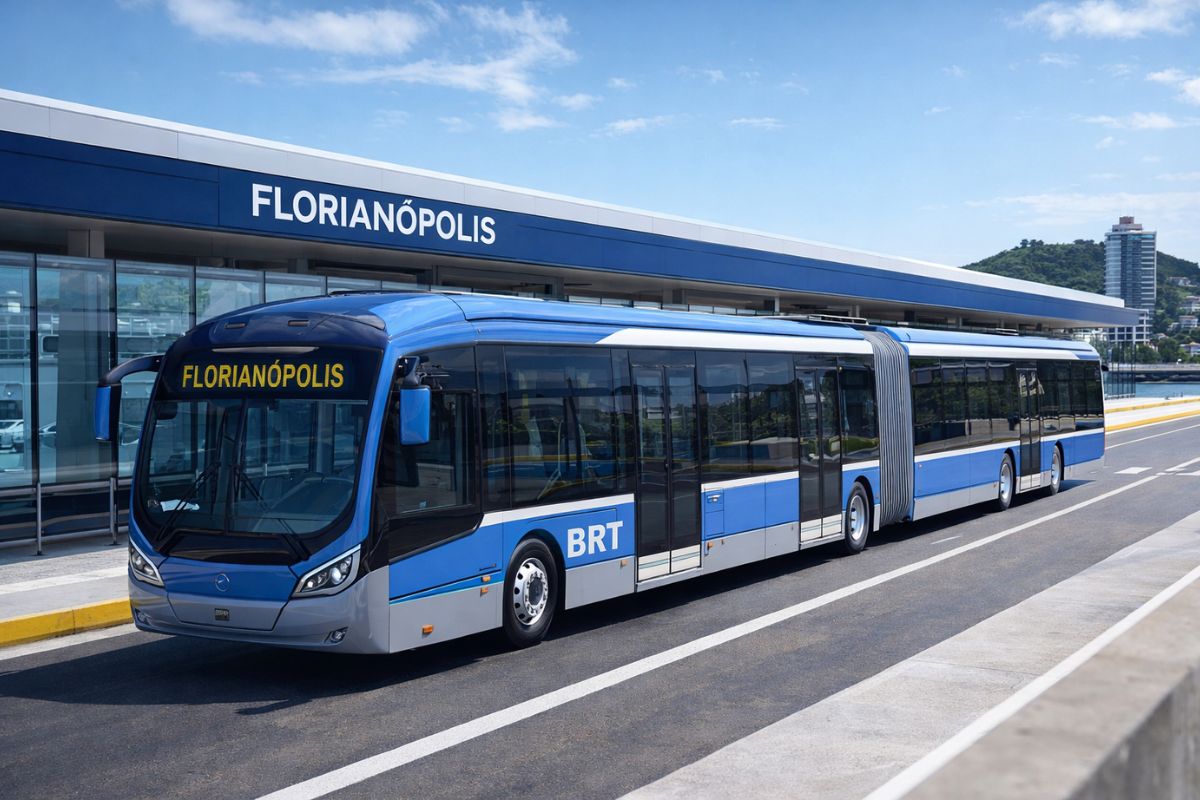
Florianópolis will receive a million-dollar BRT that will begin construction in 2026 with nearly 400 million in funding from the federal government and the Inter-American Development Bank, and the map already shows the routes for the exclusive bus corridors.
-
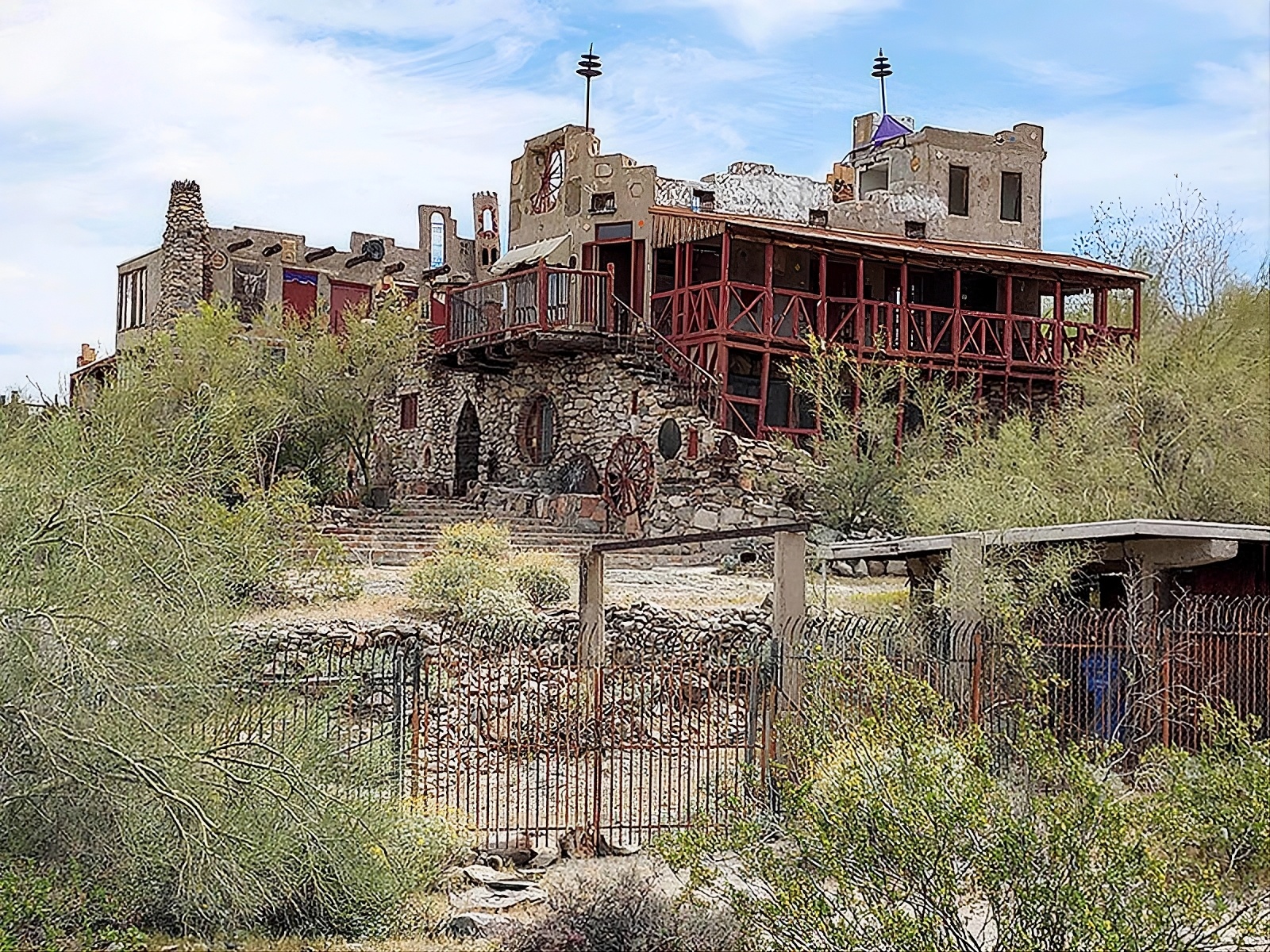
Without a blueprint, without an engineer, and using scrap from the dump, a father spends 15 years building an 18-room castle for his daughter, featuring tram tracks, 13 fireplaces, and over 700 m², which may now be demolished.
-
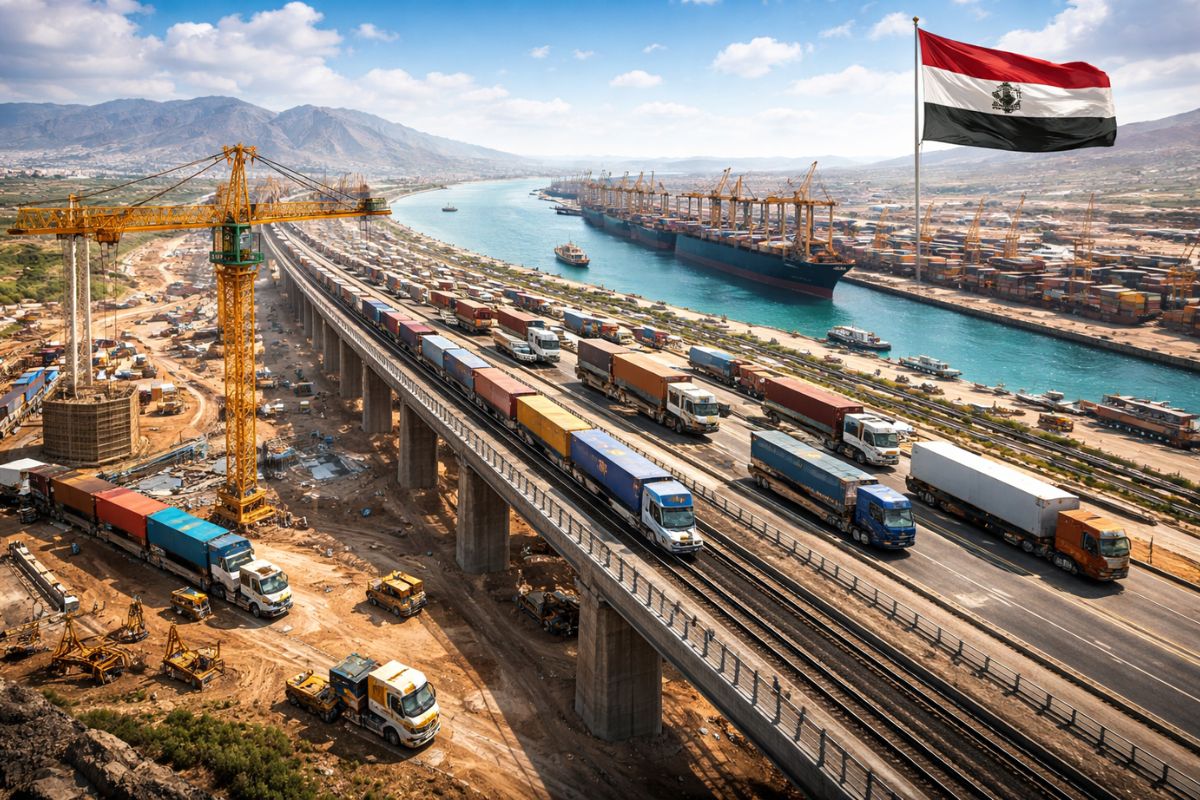
A megaproject worth R$ 89 billion is advancing in Iraq and promises to change the game in global trade by creating a new corridor between Asia and Europe, reducing traditional routes and repositioning the country as a logistics powerhouse.
-
Goodbye bedside table: floating shelves become a trend in 2026 by freeing up space in the bedroom, improving circulation, bringing visual lightness, and integrating technology without taking up floor space.

With An Installed Capacity Of 11,233 Megawatts, Belo Monte Is The Third Largest Hydroelectric Plant In The World, Behind Only The Three Gorges Dam In China And The Itaipu Dam On The Border Between Brazil And Paraguay.
Since It Began Operating In April 2016, Belo Monte Has Played A Crucial Role In Supplying Energy To Brazil.
By 2024, The Plant Generated Enough Energy To Supply Houses In The North, Midwest, And Rio De Janeiro Regions.
In Addition, Belo Monte Is The Largest 100% Brazilian Hydroelectric Plant, Contributing 5% To The National Electric Grid And 10% Of The Country’s Hydropower Generation Capacity.
Environmental And Social Challenges
However, The Construction Of Belo Monte Faced A Series Of Challenges And Criticisms Since Its Inception. Environmental Groups, NGOs, And Indigenous Communities Have Expressed Significant Concerns About The Environmental And Social Impacts Of The Project.
The Construction Of The Plant Resulted In The Deforestation Of Large Areas Of The Amazon Rainforest, Altering River Ecosystems And Affecting Local Flora And Fauna.
The Indigenous Communities, Such As The Juruna And Arara Peoples, Suffered From The Flooding Of Their Ancestral Lands, Losing Access To Vital Natural Resources And Facing Difficulties In Adapting To New Areas.
Furthermore, Belo Monte Has Been The Target Of Several Lawsuits Questioning The Legality Of Environmental Licensing And The Methods Of Consultation With Affected Communities.
Economic Benefits And Regional Development
Despite The Controversies, Belo Monte Represents An Economic Milestone For The Region. The Plant Generated Direct And Indirect Jobs And Boosted The Local Economy Through Investments In Infrastructure And Services.
Since Its Operation Began, Belo Monte Has Paid Over R$ 1.07 Billion In Royalties, Benefiting The Government Of Pará, As Well As The Municipalities Of Vitória Do Xingu And Altamira.
In The Long Term, Belo Monte Is Expected To Contribute To Reducing The Cost Of Electricity In Brazil, Benefiting Both Industry And Residential Consumers. The Project Has Also Brought Significant Improvements In Infrastructure, Such As Roads And Schools, In The Altamira Region.
The Future Of The Belo Monte Plant
The Future Of Belo Monte Continues To Be Subject To Debate. The Brazilian Government Promotes The Plant As An Example Of Investment In Infrastructure That Drives Sustainable Development.
However, Environmental And Social Challenges Remain, And Experts Suggest That Brazil Should Seek A Balance Between Economic Development And Environmental Conservation, Promoting Policies That Ensure The Protection Of Affected Communities And Local Ecosystems.
In Any Case, We Note That The Belo Monte Hydroelectric Plant Is A Symbol Of The Ambitions And Contradictions Of Brazilian Development.
With An Investment Of R$ 40 Billion, The Plant Represents A Significant Opportunity For The Country In Terms Of Energy Security And Economic Development.
However, Environmental And Social Concerns Highlight The Need For More Inclusive And Sustainable Approaches To Large-Scale Infrastructure Projects In Brazil.
The Other Side
In A Statement Sent This Monday (05), Norte Energia, The Concessionaire Of The Belo Monte Hydroelectric Plant, Stated That Regarding The Claim That The Project Was Responsible For “Deforestation Of Large Areas Of The Amazon Rainforest,” The Company Highlights That During The Construction Process Of Belo Monte, Ibama Issued Permits With The Delimitation Of Polygons For Work Sites:
However, It Is Important To Note That The Area Of Vegetation Suppression Carried Out By Norte Energia Corresponds To 0.04% Of The Total Area Of The Xingu River Basin And 0.0045% Of The Legal Amazon. This Action Included Work On The Rescue Of Plant Groups And The Scaring And Rescue Of Animals, And Prevented Flooded Vegetation From Generating Greenhouse Gases, As Submerged Plants Emit Carbon Dioxide During Decomposition.
In Addition To Other Benefits For The Region, The Reforestation Projects Conducted By Norte Energia In The Médio Xingu Have Recovered, Up To June 2024, An Area Equivalent To 3,000 Football Fields. 1.7 Million Native Seedlings Of 159 Species Have Been Planted, Some Threatened, Such As Acapu, Mahogany, Brazil Nut Tree, And Pau-Cravo, As Well As Ipês And Fruit Trees. The Company Aims To Recover 7,600 Hectares By 2045, Which Will Correspond To 5.5 Million Native Seedlings Planted In The Amazon Region.
Regarding The Assertion That Indigenous Communities “Suffered From The Flooding Of Their Ancestral Lands,” Norte Energia Clarifies That No Indigenous Land Has Been Flooded By The Project And No Indigenous Community Was Required To Leave Their Place Of Origin. It Is Worth Noting That Before Belo Monte, The Region Had 2,000 Indigenous People In 26 Villages. Currently, There Are 8,675 – 5,203 Indigenous People In Villages And 3,472 In Urban/Riverside Contexts – From Nine Different Ethnic Groups In The Médio Xingu.
Since The Implementation Of The Plant, Under The Basic Environmental Project Of The Indigenous Component, The Company Has Invested Around R$ 1.2 Billion So Far And Is Undertaking 42 Programs And Projects Approved By Funai In 2012, With Emphasis On Education, Health, Preservation Of Cultural Heritage, Productive Activities, And Territorial And Environmental Protection.
The Company Also Established And Has Maintained Since 2015 The Remote Monitoring Center (CMR) Of Funai, Which Monitors 98% Of The Indigenous Lands In The Country, Home To 867,900 Indigenous People. The Tool Monitors And Analyzes Images And Data To Combat Deforestation, Degradation, Wildfires, And Criminal Occupation And Use In Nearly 600 Indigenous Lands In The Legal Amazon.
Additionally, Regarding The Relationship With Indigenous Communities, The Company Maintains Ongoing Dialogue With The Peoples Of The Médio Xingu, Which Is Structured And Participatory Through Daily Interactions Maintained By The Communication Program And Tripartite Meetings Involving Indigenous Representatives And The Indigenous Agency For Discussion And Analysis Of Actions Being Executed.
The Company Also Emphasizes That In Addition To The Direct And Indirect Benefits For The Region, Such As Job Creation, Royalties, And Energy Security, The Construction Of Belo Monte Also Brought Other Positive Factors:
- In Health, The General Hospital Of Altamira Was Built, With A Capacity Of 100 Beds For Treatment Of High And Medium Complexity Cases. In Addition To Constructing The Hospital, Norte Energia Was Responsible For Equipping It. Moreover, 32 Basic Health Units Were Built In The Five Surrounding Municipalities Of The Plant And Another 32 Indigenous Basic Health Units In Indigenous Lands.
- Another Indicator Is The 97% Reduction In Malaria Cases In The Five Municipalities In The Area Of Influence Of The Hydroelectric Plant, Resulting From A Program Led By The Company To Combat The Disease, Which Is Endemic In The Region.
- Norte Energia Also Carried Out The Construction Of 609 Km Of Water And Sewage Networks And Installed 92% Of The Sanitation Network In Altamira, Connecting 19,000 Properties.
- In Education, The Company Reinforced The Structure In The Five Neighboring Municipalities With 78 Projects, Representing About 492 Classrooms Built And/Or Renovated, Directly Benefiting 23,200 Students. Educational Spaces, Such As IT Rooms And Reading Rooms, Were Also Constructed.
- In Security, Norte Energia Built The Prison Complex Of Vitória Do Xingu, Renovated Police Units, And Donated 80 Vehicles And One Helicopter To The Public Security Secretariat Of Altamira.
And What Do You Think? Is The Construction Of Mega Hydroelectric Plants The Right Path For Brazil’s Development, Even With Environmental And Social Impacts? Comment Below!





Belo Monte o projeto mais torto do país.
Muita destruição do meio ambiente pra fins necessários lógico destruição por destruição do meio ambiente UMA USINA ATÔMICA seria bem menos destrutiva e mais produtiva pró progresso com certeza ; USINAS hidroelétricas na sua construção força o meio ambiente em geral de uma forma contínua e anti natural .
Quem protesta contra investimento em fonte de energia limpa, como hidrelétrica e outras, é porque falta visão sobre à nescecidade energética para o desenvolvimento.