





 Português
  Inglês
  Espanhol
 3 min de leitura
  0 comentários



One Of The Most Important Highways Is About To Be Transformed! The Project Of R$ 670 Million Promises To End The Logistic Bottlenecks That Affect The Flow Of Grains.
One Of The Most Important Highways In Mato Grosso, Responsible For The Flow Of Agricultural Production From One Of The Largest Agribusiness Hubs In Brazil, Still Has A Stretch Without Paving.
The BR-158, A Crucial Logistic Corridor For Grain Transportation, Is About To Undergo A Radical Transformation That Promises To Change The Current Scenario, But Challenges Are Still Ahead.
The Cost Of The Project Exceeds 670 Million Reais And Generates Great Expectations Among Drivers And Producers.
-
Brazilian city gains industrial hub for 85 companies that is equivalent to 55 football fields.

-
Peugeot and Citroën factory in Argentina cuts production by half and opens a layoff program for more than 2,000 employees after Brazil drastically reduced purchases of Argentine vehicles.

-
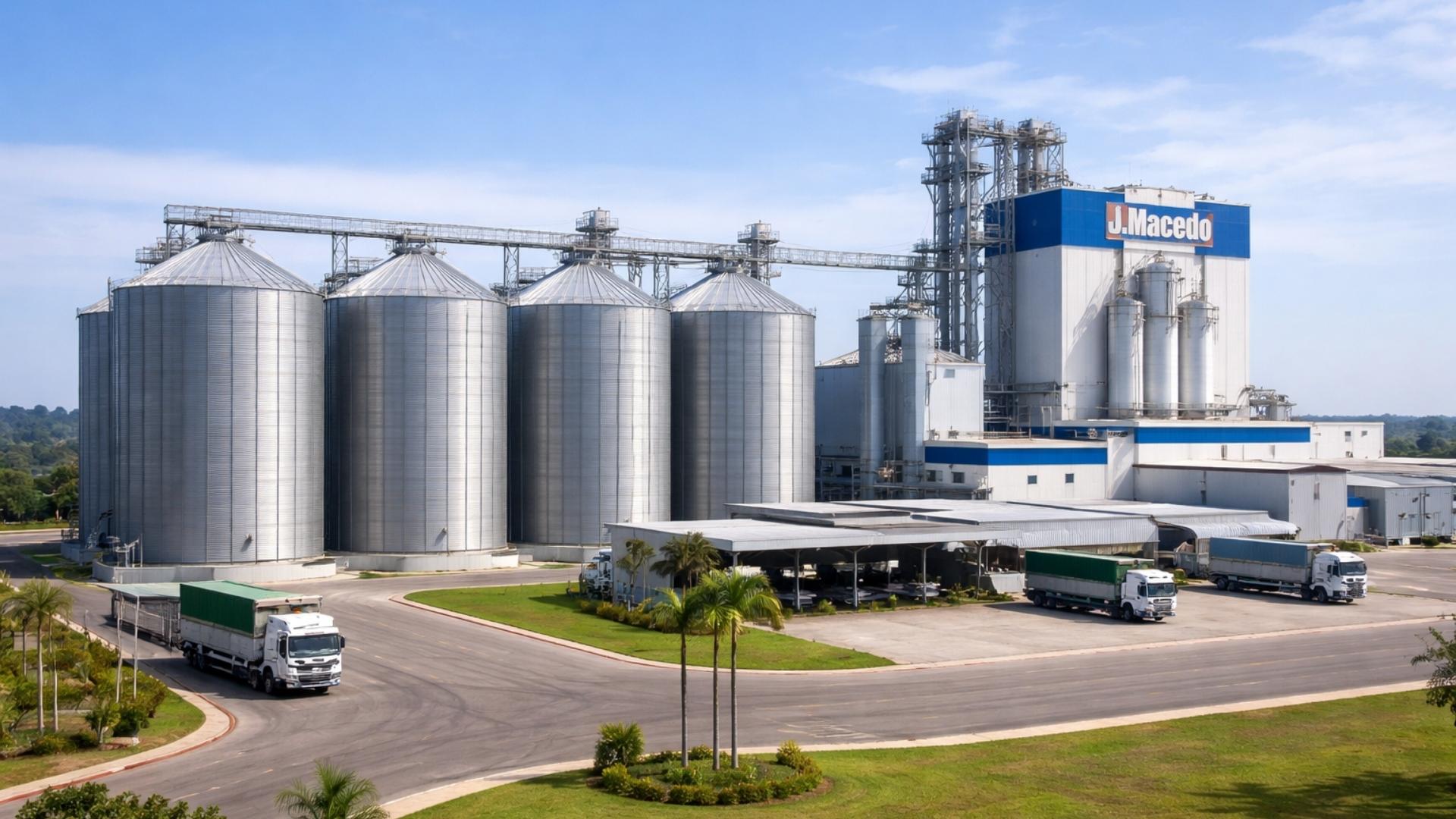
A Brazilian city gains a factory worth R$ 300 million with the capacity to process 200 thousand tons of wheat per year, a mill of 660 tons/day, silos for 42 thousand tons, and an industrial area of 276 thousand m².
-
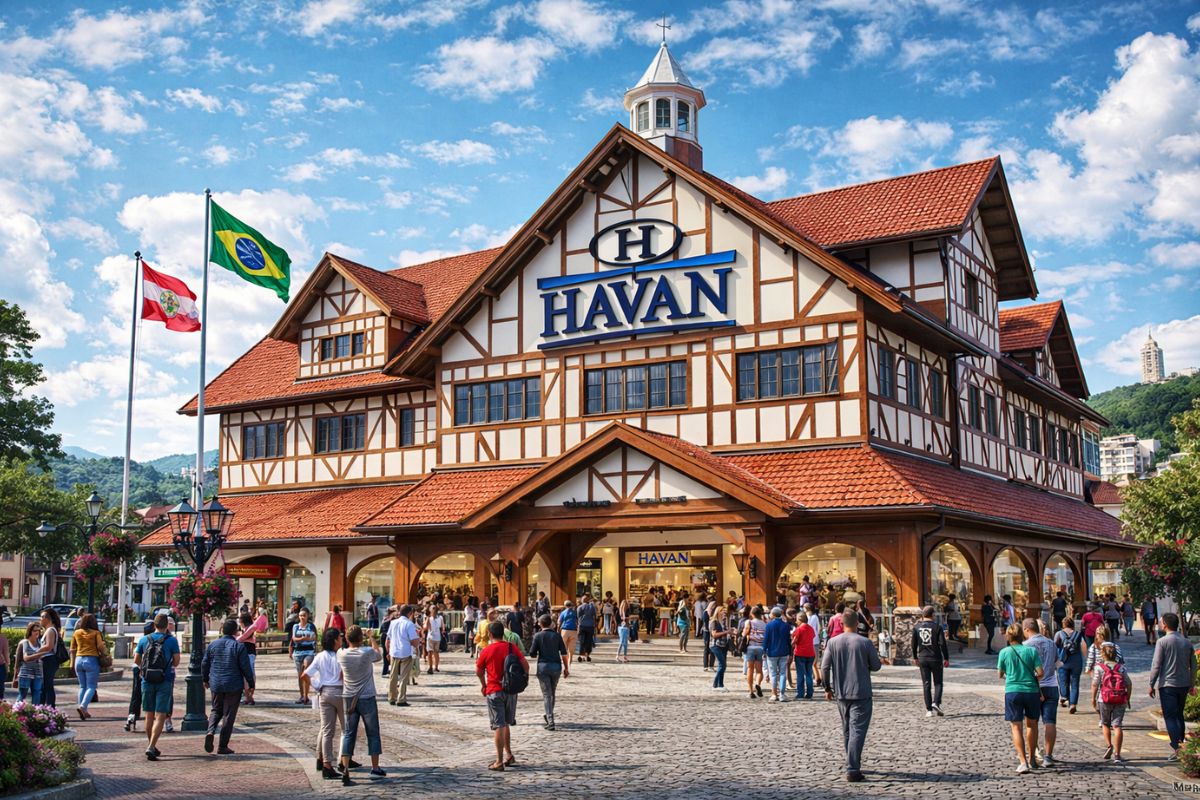
Havan will leave the shopping mall in Blumenau to inaugurate something that the chain has never done before: a megastore in half-timbered style in the Historic Center of the city, which is expected to be completed in May and change the landscape of local retail.

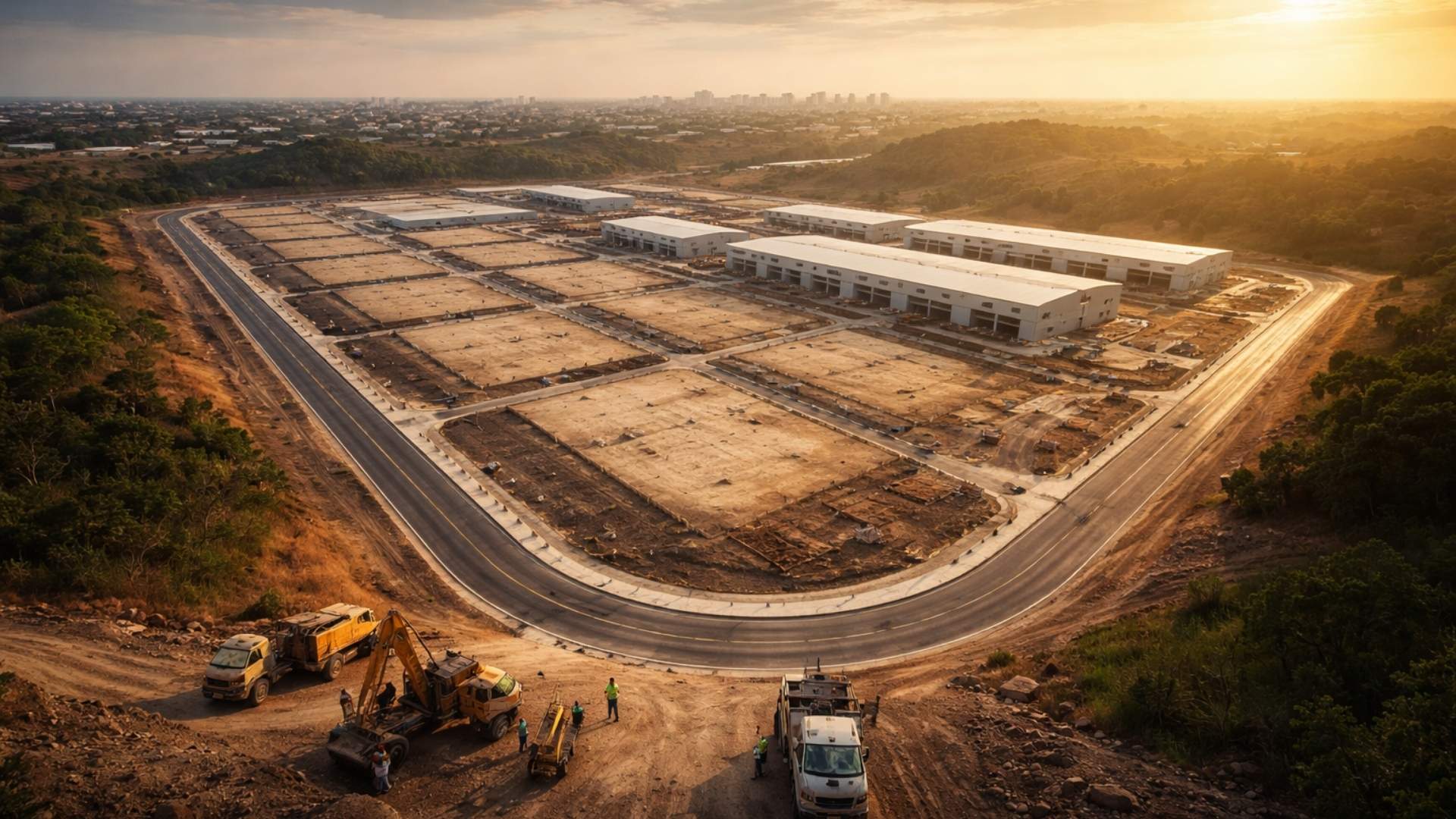
According To The National Department Of Transport Infrastructure (DNIT), The Paving Works Of BR-158, Including The Bypass Of The Marâiwatsédé Indigenous Land, Of The Xavante Ethnicity, Are Already Underway.
At The Moment, Teams Are Performing Earthworks And Sub-base Services, Fundamental Stages For The Completion Of This Important Project.
The Investment Of More Than 670 Million Reais Promises To Solve An Old Logistic Bottleneck In Mato Grosso, A State Responsible For A Large Part Of Soy, Corn, And Cotton Production In Brazil.
The Highway Is An Essential Route For The Flow Of These Grains, Connecting Local Producers To The Ports Of The Northern Arc, In Pará, Where The Production Is Exported To The International Market.
The Impact Of The Project On Logistics
Daily, About 2,000 Trucks Cross The BR-158, Traveling Through A Stretch That Until Now Remained Unpaved, Cutting Through Part Of The Indigenous Land.
This Point Was The Only One Of The Highway That Had Not Yet Received Paving, Which Became An Obstacle To The Efficient Transportation Of Agricultural Production.
In 2024, The DNIT Began Construction Of The First 12 Kilometers Of The Project, A Stretch That Already Has The Necessary Environmental License.
Between Km 201.2 And Km 213.3, In The Municipality Of Canabrava Do Norte, In The Araguaia Region, An Investment Of 40 Million Reais Has Already Been Applied.
This Is Only The Beginning Of The Transformation Of 195.42 Kilometers, Which Will Be Paved Over Two Construction Lots.
Division Of The Project Into Lots
The Paving Of BR-158 Has Been Divided Into Two Main Parts.
Lot A, Already Started, Covers 93.99 Kilometers, Starting At Km 201.2, Near The Luizinho Post, Up To The Municipality Of Alto Boa Vista, Where The Highway Connects With The BR-242/MT.
Despite The Progress, The Rest Of The Work For This Lot Still Depends On The Release Of More Environmental Licenses, An Issue That Could Delay The Project.
Lot B, Still In The Project Phase, Encompasses 101.43 Kilometers Between Alto Boa Vista And The District Of Alô Brasil, Located In Bom Jesus Do Araguaia.
Although The Project Is Still Under Development, The Expectation Is That This Stretch Will Be Executed Soon, Allowing The Highway To Finally Be Fully Paved, Facilitating The Flow Of Tons Of Agricultural Products That Drive The Economy Of The State And Brazil.
Challenges And Expectations For BR-158
Expectations Are High Among Drivers And Agribusiness Entrepreneurs.
The Completion Of The Paving Promises Not Only To Improve Transportation Logistics But Also To Reduce Operating Costs And Increase Brazil’s Competitiveness In The International Commodity Market.
However, Challenges Still Lie Ahead. The Dependence On The Release Of Environmental Licenses And The Complexity Of Working In Indigenous Regions Are Factors That Could Delay The Planned Timeline.
The Bypass Of The Marâiwatsédé Indigenous Land Is A Sensitive Project That Involves Delicate Negotiations With Local Communities And Respect For Environmental Regulations.
A Transformative Project
In Total, More Than 670 Million Reais Will Be Invested To Pave One Of The Most Critical Sections Of The BR-158, Solving A Bottleneck That Has Affected Logistics In Mato Grosso For Decades.
This Project, When Completed, Will Be A Milestone For Brazilian Road Infrastructure, With Direct Impacts On The Agribusiness Economy And Exports.
But Will This Project Finally Be Realized Without Further Delays Or Complications? The Sector Awaits With Expectation And Caution.








Seja o primeiro a reagir!