





 Português
  Inglês
  Espanhol
 3 min de leitura
  0 comentários



Technical Training Centers Should Have Been Delivered in 2023, But Works Remain Incomplete in Several Cities in Rio de Janeiro.
Eight works from Faetec (Technical School Support Foundation), linked to the Government of RJ, have been delayed for nearly two years. The units, which are part of the Pacto-RJ program and were supposed to be delivered in July 2023, are still far from being completed. The promise was to offer technical and vocational courses, as well as High School and Higher Education in hubs spread across Baixada Fluminense and the interior of the state.
This Wednesday (30), a team from RJ2 visited some of the construction sites and found structures either halted or progressing very slowly. In some cases, the locations appear abandoned, with no presence of workers or machinery.
Delayed Works in the Cities of Baixada and the Interior
In Baixada Fluminense, the Faetec centers were supposed to be inaugurated in the municipalities of Duque de Caxias, São João de Meriti, Nova Iguaçu, and Nilópolis. In the interior of the state, the planned units are located in Resende, Cabo Frio, Itaperuna, and Campos dos Goytacazes.
-
A megaproject worth R$ 89 billion is advancing in Iraq and promises to change the game in global trade by creating a new corridor between Asia and Europe, reducing traditional routes and repositioning the country as a logistics powerhouse.

-
Goodbye bedside table: floating shelves become a trend in 2026 by freeing up space in the bedroom, improving circulation, bringing visual lightness, and integrating technology without taking up floor space.

-
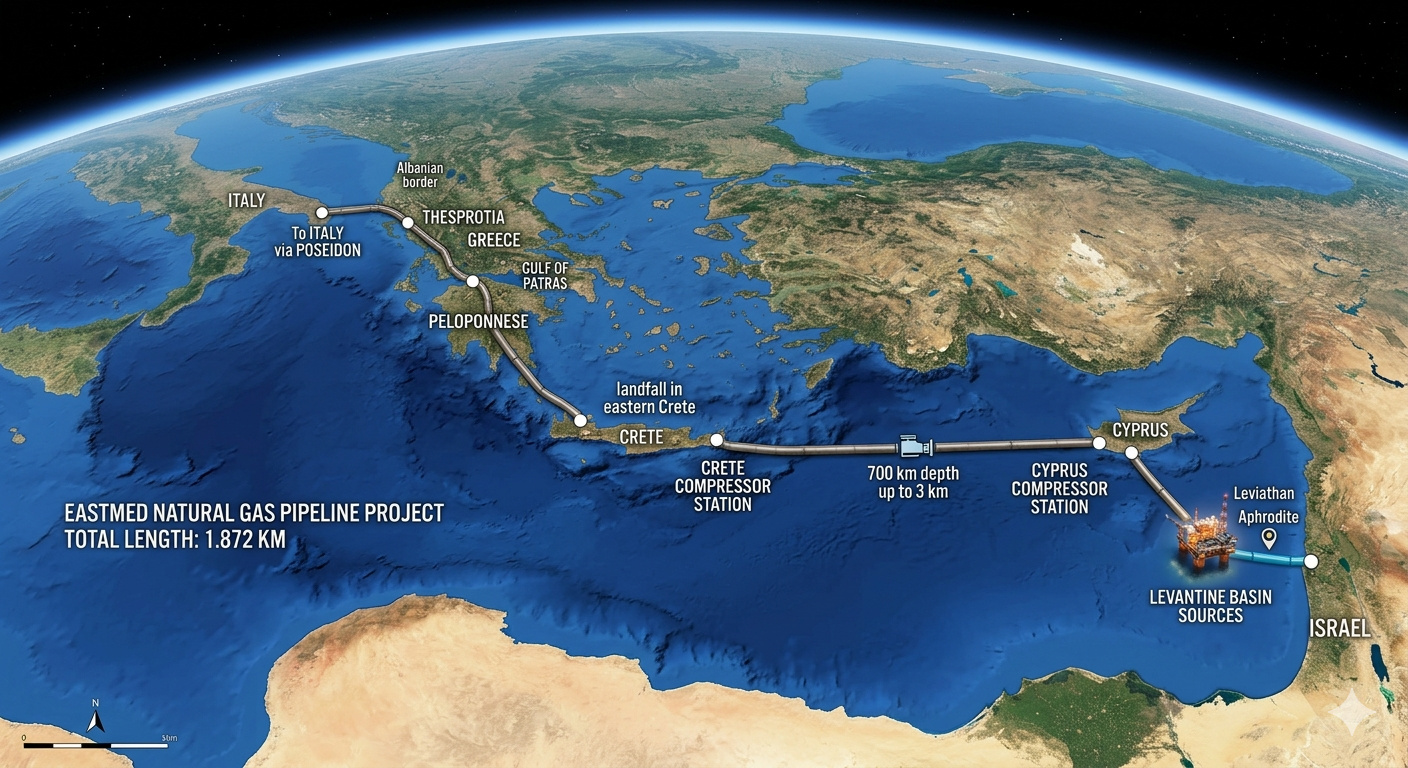
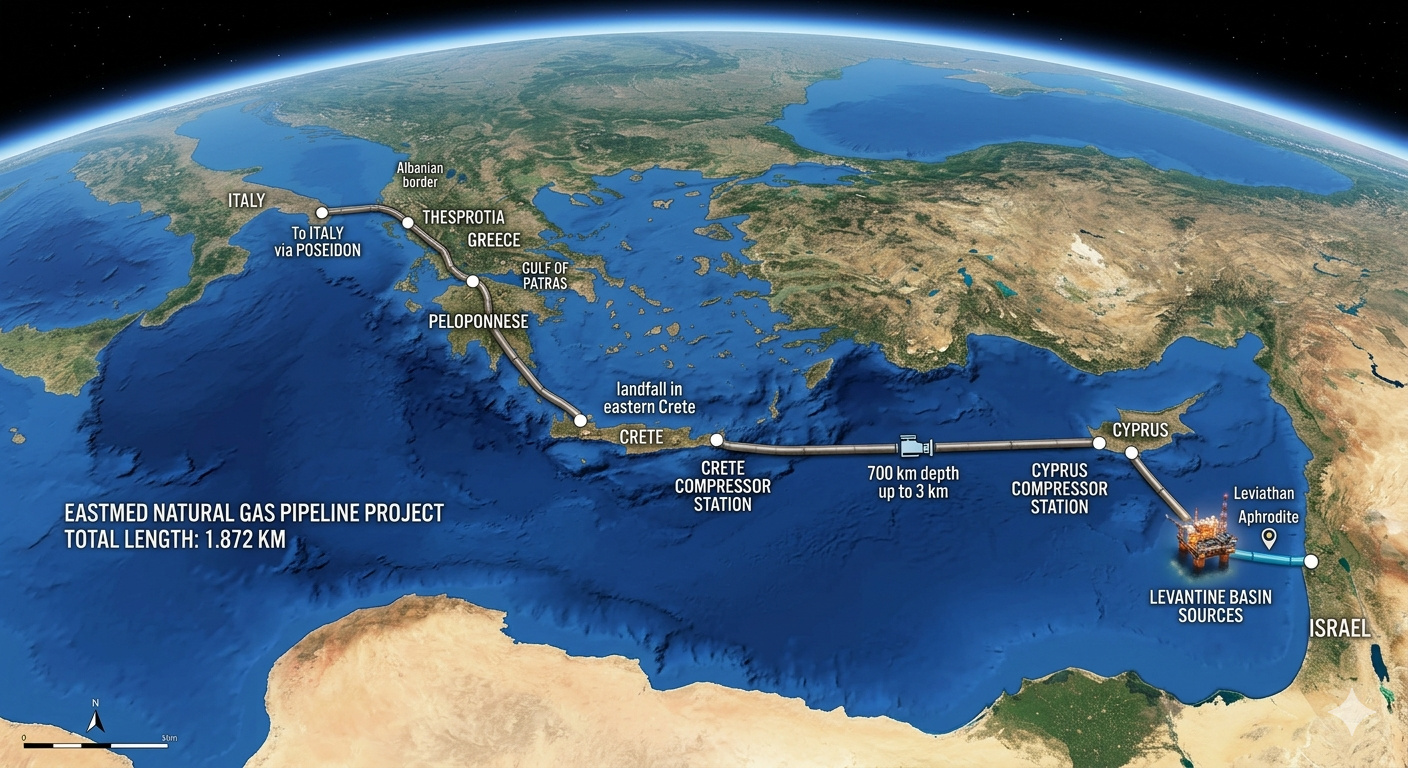
Israel, Greece, and Cyprus signed an agreement in 2020 to transport gas from the Mediterranean to Europe via a 1,872 km pipeline, but Turkey claimed sovereignty over part of the maritime route, and the project never materialized.
-
Israel, Greece, and Cyprus signed an agreement in 2020 to transport gas from the Mediterranean to Europe via a 1,872 km pipeline, but Turkey claimed sovereignty over part of the maritime route, and the project never materialized.
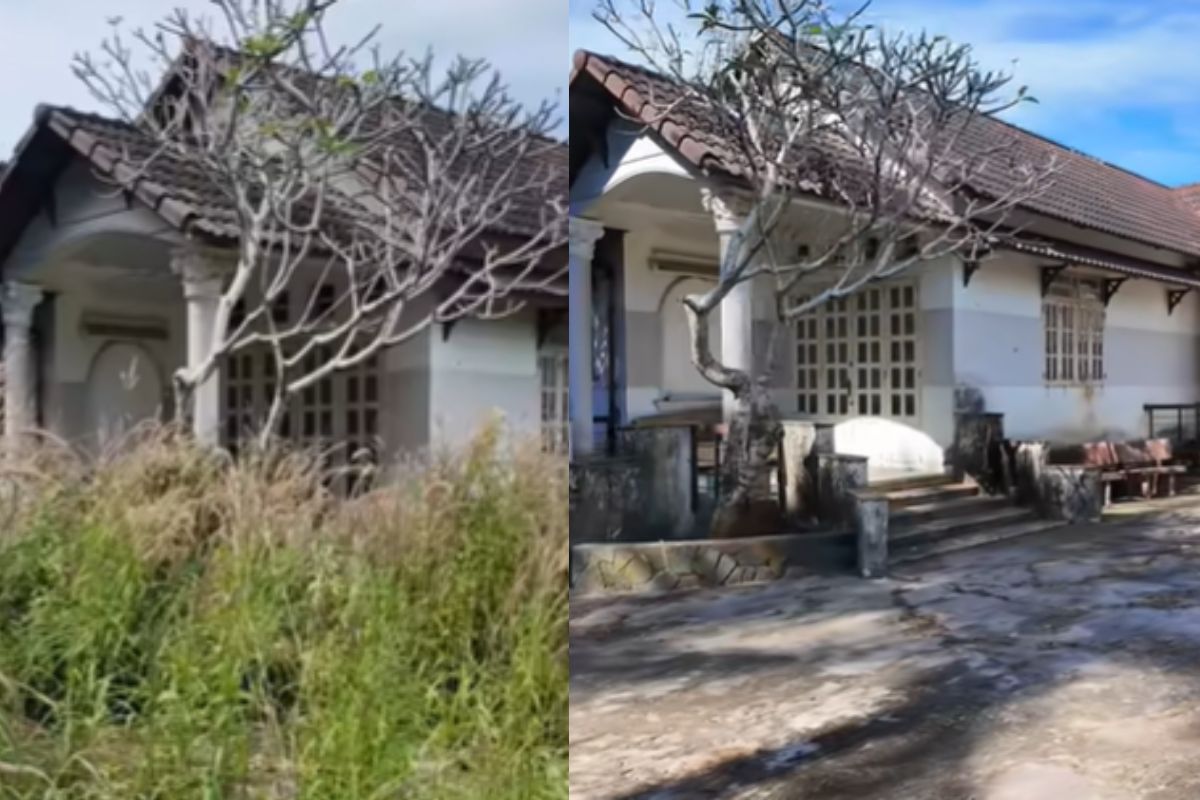
In Caxias, in the Vila Sarapuí neighborhood, the project launch was attended by Governor Cláudio Castro and the State Secretary of Science and Technology, Dr. Serginho. Today, the scenario is one of abandonment: no workers, machines, or any movement on-site.
In São João de Meriti, where the project was announced in front of the city’s courthouse, the work continues at a slow pace. Only a few employees are present. In Nova Iguaçu, parts of the metal structure are rusted, and construction is halted. Meanwhile, in Nilópolis, there are few workers on-site, indicating that delivery may still take some time.
Pacto-RJ Program Financed the Projects
The projects are part of Pacto-RJ, the largest works program from the Government of RJ, financed with resources from the state budget and the sale of Cedae. According to the official website of the program, the works are also suspended at the units in Resende, Cabo Frio, Itaperuna, and Campos.
The contract for the construction of the eight centers was signed in December 2021 with Construtora Metropolitana. The initial value was nearly R$ 155 million. Since then, the company has requested economic-financial rebalancing, citing unforeseen cost increases of approximately R$ 18 million. The Government of RJ approved about R$ 16 million in additive terms, raising the total contract value to over R$ 170 million.
Faetec Claims Contractor Was Fined for Delayed Works
In a statement, Faetec reported that the delays are the contractor’s responsibility and that it therefore imposed a fine of nearly R$ 10 million. The foundation also states that it is working to complete and deliver the units “as quickly as possible.”
Construtora Metropolitana, for its part, stated that all construction sites are active and that there are no total halts. According to the company, the delayed works are related to the need for adjustments to the schedule and the addendums made with the Government of RJ. The contractor’s current forecast is that the works will be delivered by the end of 2025.
Impact on Technical and Vocational Education
The Faetec units planned in these cities aimed to expand the offer of technical and vocational education, serving thousands of students in various regions of the state. With the delayed works, the implementation of new courses and the expansion of the public technical training network remain compromised.
The Research, Technology, Innovation, and Training Centers, as originally planned, would serve as a reference for professional qualification and offered an educational approach that integrated technology and integration into the job market. Faetec, linked to the Secretariat of Science and Technology, currently has other units in operation, but these new structures represented a strategic expansion of the network.
Source: G1









Seja o primeiro a reagir!