





 Português
  Inglês
  Espanhol
 4 min de leitura
  7 comentários




With a Billion-Dollar Investment from BNDES, Over 800 Km of Highways Will Be Transformed, Boosting the Local Economy and Creating Thousands of Jobs.
Behind great business and transformations in Brazil, there is always a robust infrastructure that supports them.
Although the spotlight is often on the billion-dollar figures and the new factories that drive the economy, little is said about what truly enables these changes to occur.
A true revolution is underway in Mato Grosso do Sul, and this time, the impact goes far beyond what you can imagine.
-
Brazilian city gains industrial hub for 85 companies that is equivalent to 55 football fields.

-
Peugeot and Citroën factory in Argentina cuts production by half and opens a layoff program for more than 2,000 employees after Brazil drastically reduced purchases of Argentine vehicles.

-
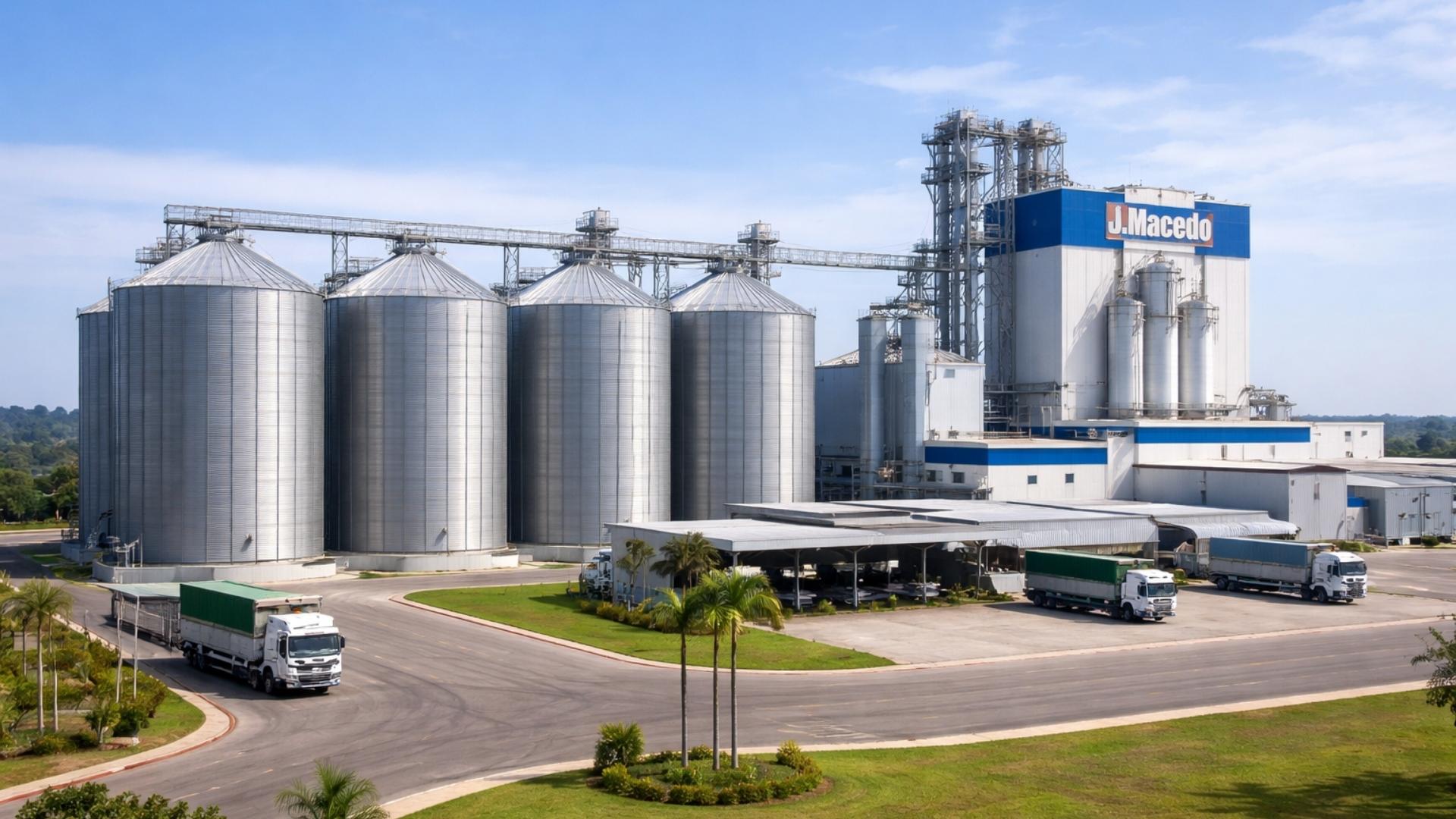
A Brazilian city gains a factory worth R$ 300 million with the capacity to process 200 thousand tons of wheat per year, a mill of 660 tons/day, silos for 42 thousand tons, and an industrial area of 276 thousand m².
-
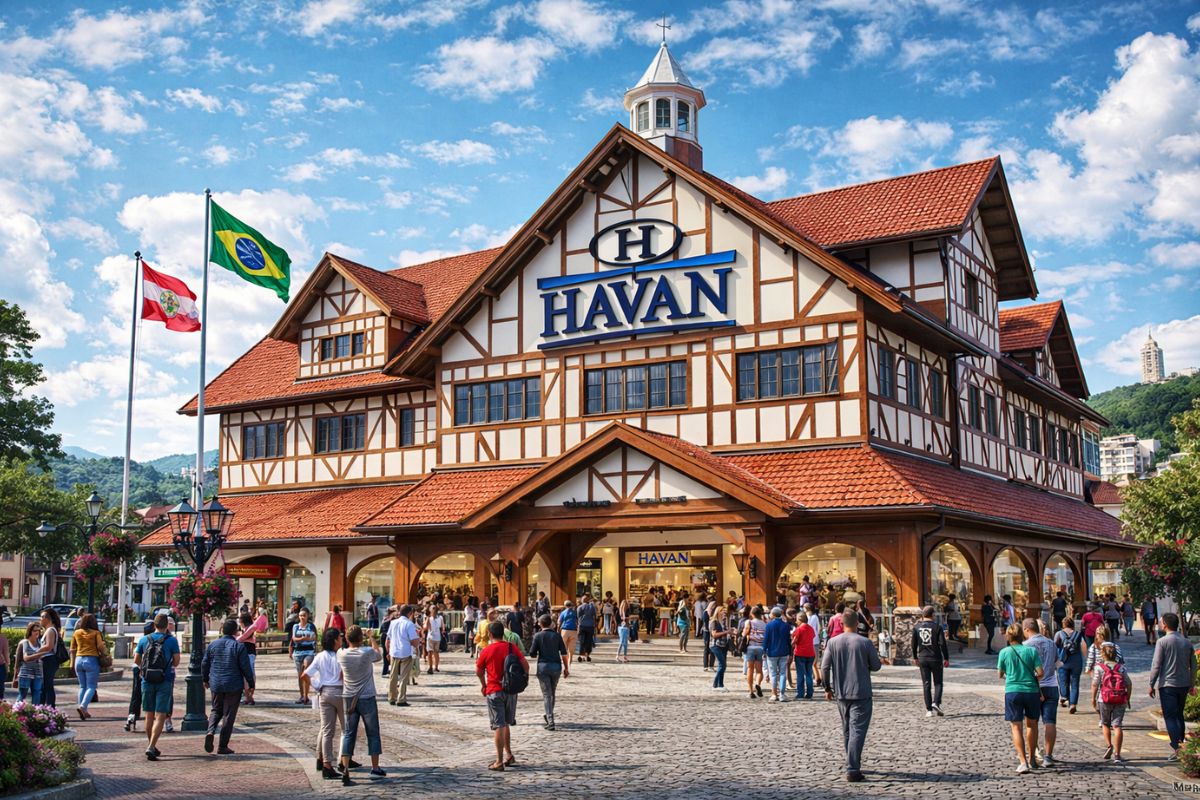
Havan will leave the shopping mall in Blumenau to inaugurate something that the chain has never done before: a megastore in half-timbered style in the Historic Center of the city, which is expected to be completed in May and change the landscape of local retail.
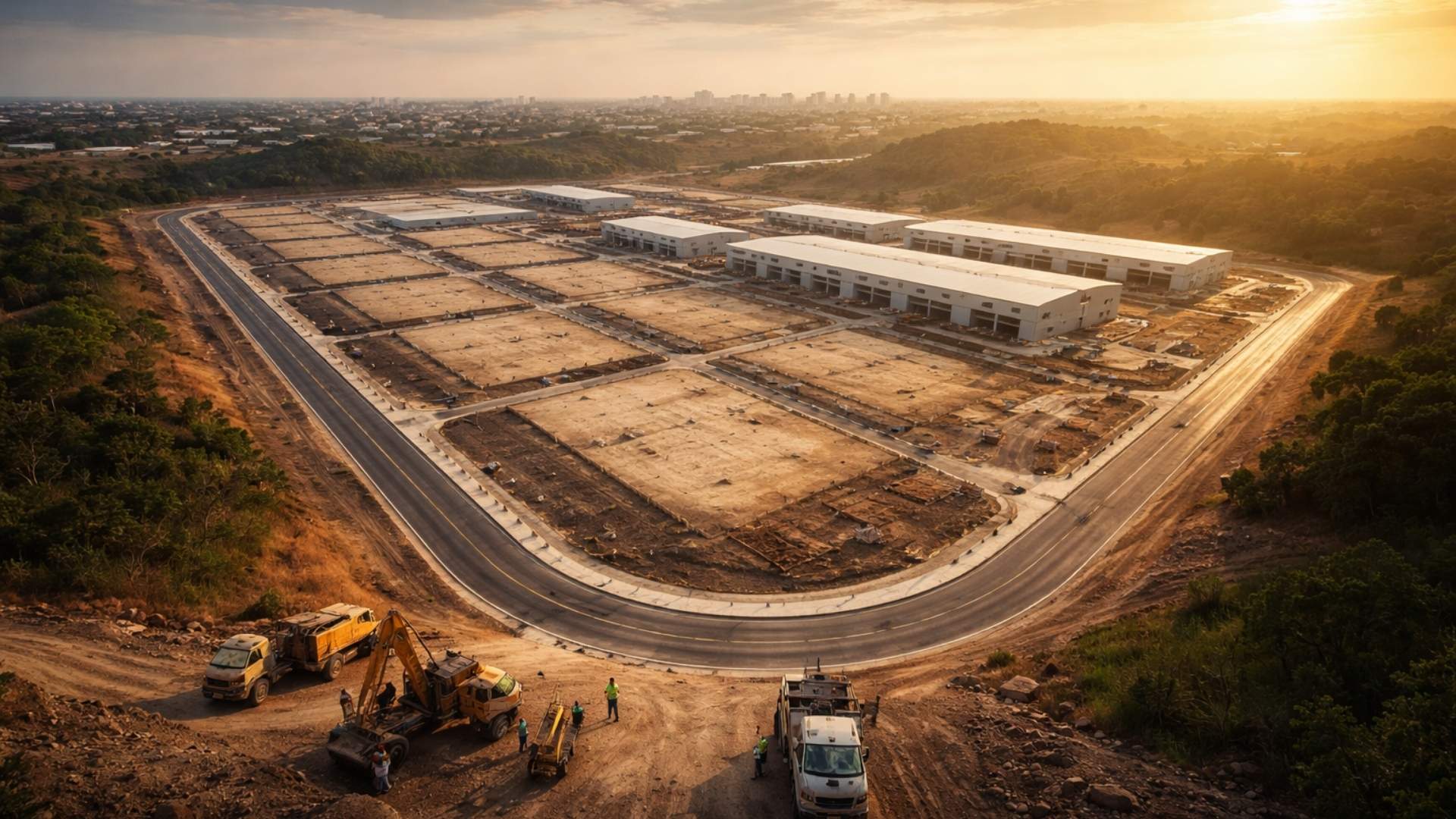
The Government of Mato Grosso do Sul signed, in September 2024, a financing agreement with the National Bank for Economic and Social Development (BNDES) for R$ 2.3 billion.
This investment will be allocated to the renewal and paving of 818 km of state highways, aiming to improve the logistics of the eastern region of the state, an area known as the Cellulose Valley.
This work not only expands local infrastructure but also boosts the economy of a region that is experiencing full expansion.
The Future of Highways and the Economy in Mato Grosso do Sul
With the support from BNDES, the project will transform 569 km of unpaved roads into paved highways.
In addition, another 249 km will undergo significant restorations, ensuring better traffic conditions and safety.
The investment also includes a counterpart of R$ 300 million from the state government, totaling an immense economic and structural impact.
Governor Eduardo Riedel highlighted the significance of this moment, emphasizing that Mato Grosso do Sul is experiencing a period of rapid growth, driven by investments from major companies such as Suzano, Eldorado, and Arauco.
The expectation is that these ventures will bring not only an increase in the Gross Domestic Product (GDP), which already had a rise of 6.6% in 2023, but also new job opportunities and regional development.
According to Riedel, the new factory from Arauco, approved with an investment of R$ 26 billion, will not only affect the municipality of Inocência but will also benefit the entire East Coast of the state.
The arrival of these industries increases the demand for efficient infrastructure, and the government is moving to meet this need.
The Impact of the Partnership with the Federal Government and the New Concessions
In addition to the billion-dollar investment in state highways, the Federal Government also plays a crucial role in this process.
According to the governor, the government of Luiz Inácio Lula da Silva was an important partner in delegating part of BRs 262 and 267, which now join other federal highways.
These highways, totaling 870 km, will be awarded in December 2024 at B3 in São Paulo, with an investment of R$ 5.7 billion.
Riedel noted that, combined with state investments, the amount reaches nearly R$ 10 billion, placing Mato Grosso do Sul at a new level of competitiveness.
The project also aims to create around 80,000 direct jobs in the eastern region of the state.
This economic movement further strengthens the investment capacity of Mato Grosso do Sul, which holds the highest proportional investment capacity in Brazil, equivalent to 15% of the Net Current Revenue (RCR).
Technological and Environmental Innovations
During the contract signing ceremony, President Luiz Inácio Lula da Silva emphasized that this type of project is an example of how solid investments can drive national development.
According to him, BNDES only approves well-structured projects that bring positive impacts to both the economy and society.
“It’s no use making speeches; there must be a project,” Lula emphasized, adding that well-structured projects have the capacity to generate a virtuous cycle of employment and economic growth.
Aluízio Mercadante, president of BNDES, also praised the quality of the project presented by the government of Mato Grosso do Sul.
He highlighted that, in addition to improving the logistical infrastructure of the state, the project brings important innovations, such as fire prevention measures on highways and devices aimed at increasing climate resilience.
These innovations are essential, especially in a region where planted forests for cellulose production are present. Mercadante suggested that such advancements should serve as an example for future projects funded by the bank.
Governor Eduardo Riedel corroborated Mercadante’s words, emphasizing that the project will help mitigate the impacts of extreme droughts, common in the region.
Furthermore, private companies operating in the Cellulose Valley are engaged in monitoring and collaborating with these environmental innovations in partnership with the state government.
Other Ongoing Projects in Mato Grosso do Sul
The advancement of state highways is just one of the projects that the government of Mato Grosso do Sul is conducting with the support of BNDES.
According to Mercadante, other ventures are also in the planning phase, such as expanding the gas distribution infrastructure by the state company MSGÁS and implementing a Public-Private Partnership (PPP) for park management in the state.
These initiatives reinforce the state government’s commitment to promoting sustainable and diversified growth.
With so much investment in infrastructure, logistics, and innovation, the question remains: is Mato Grosso do Sul ready to become one of the largest economic hubs in Brazil?








O Brasil da reconstrução, da nova industrialização, com união e no rumo certo.
Já faz alguns anos que há uma carência aguda de moradias na região de Rio Pardo devido a investimentos de grande monta que lá se realizam. Esperemos que se pense nesta realidade diante de novos investimentos tão grandes.
O estado do MS tem uma das topografias menos acidentadas do país. Isso favorece o transporte Ferroviário!! À distância, seria imprudente criticar a destinação de recursos para ‘Rodovias’; não obstante os apelos ‘ESG’ tão em moda nos argumentos de alocação de RECURSOS PÚBLICOS! Infelizmente o que realmente chama atenção são os 569Km de Rodovias DE CHÃO!! Tão inacreditável qto a comemoração de 800Km de Asfalto num estado cujas dimensões geográficas e importância na Produção Do AGRO tem Relevância Numérica MUNDIAL! Será que os tais ‘projetos’ prevêem Concreto em substituição ao Agressor Ambiental Asfalto?!