





 Português
  Inglês
  Espanhol
  3 min de leitura
  1 comentário


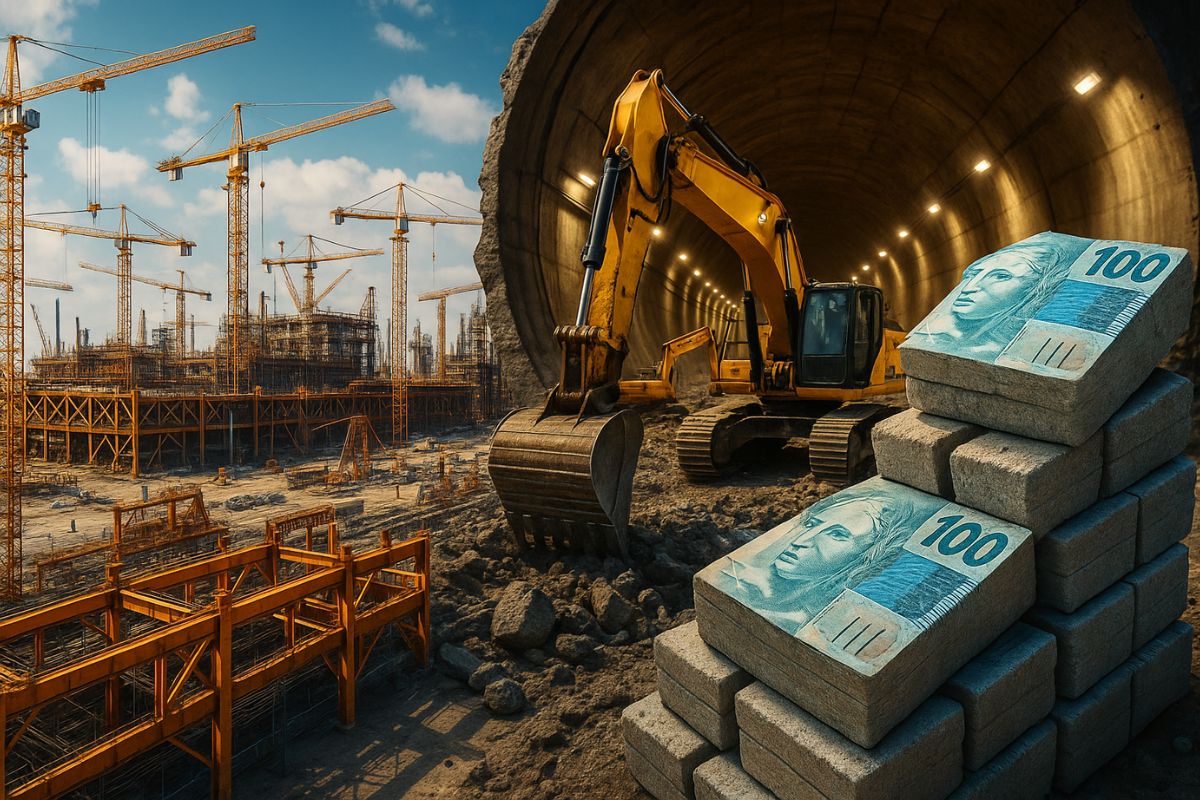


The Most Expensive Projects Underway in Brazil and Their Impressive Values. Modernization of Comperj and Line 6-Orange of the São Paulo Metro Sum Billion-Dollar Investments and Promise to Transform Economy and Mobility.
Brazil currently houses the most expensive projects underway in Brazil, which concentrate billion-dollar values and have a direct impact on economic development. Among them, the modernization of the Petrochemical Complex of Itaboraí (Comperj), in Rio de Janeiro, and the construction of the Line 6-Orange of the São Paulo Metro stand out, both essential for the country’s energy and mobility future.
These projects, which together exceed R$ 70 billion in investments, face financial and environmental challenges, but also represent opportunities for job creation, social integration, and attracting foreign investments. Their execution brings into discussion the role of infrastructure as a driver of Brazilian growth.
The Impact of the Petrochemical Complex of Itaboraí
The Petrochemical Complex of Itaboraí (Comperj) is considered the most expensive project underway in Brazil. Launched in 2008, the project has already consumed more than R$ 44.5 billion, a figure indicated by the Federal Court of Accounts (TCU), representing an increase of more than 400% compared to the initial estimate of R$ 8.3 billion.
-
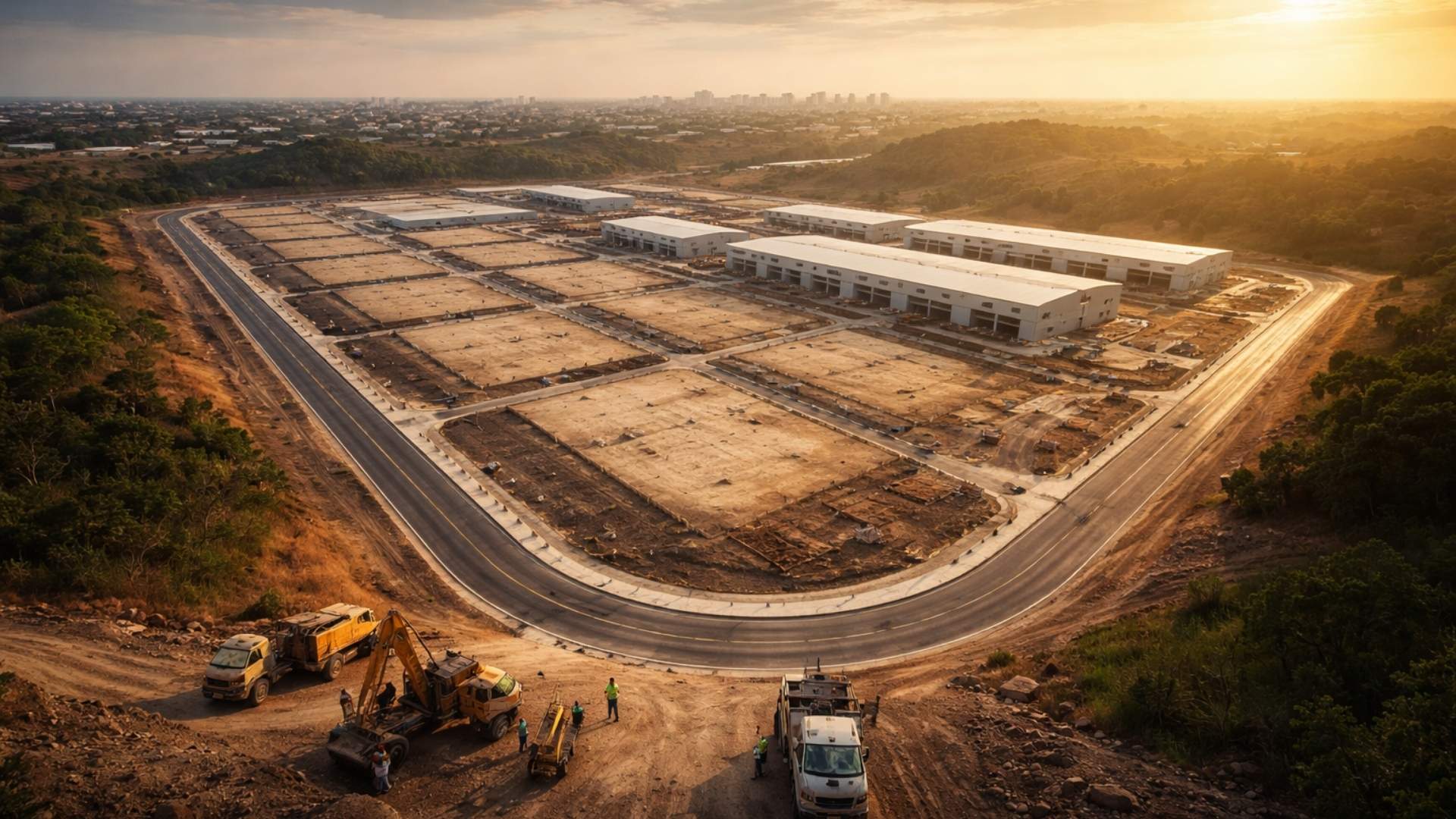
Brazilian city gains industrial hub for 85 companies that is equivalent to 55 football fields.

-
Peugeot and Citroën factory in Argentina cuts production by half and opens a layoff program for more than 2,000 employees after Brazil drastically reduced purchases of Argentine vehicles.

-
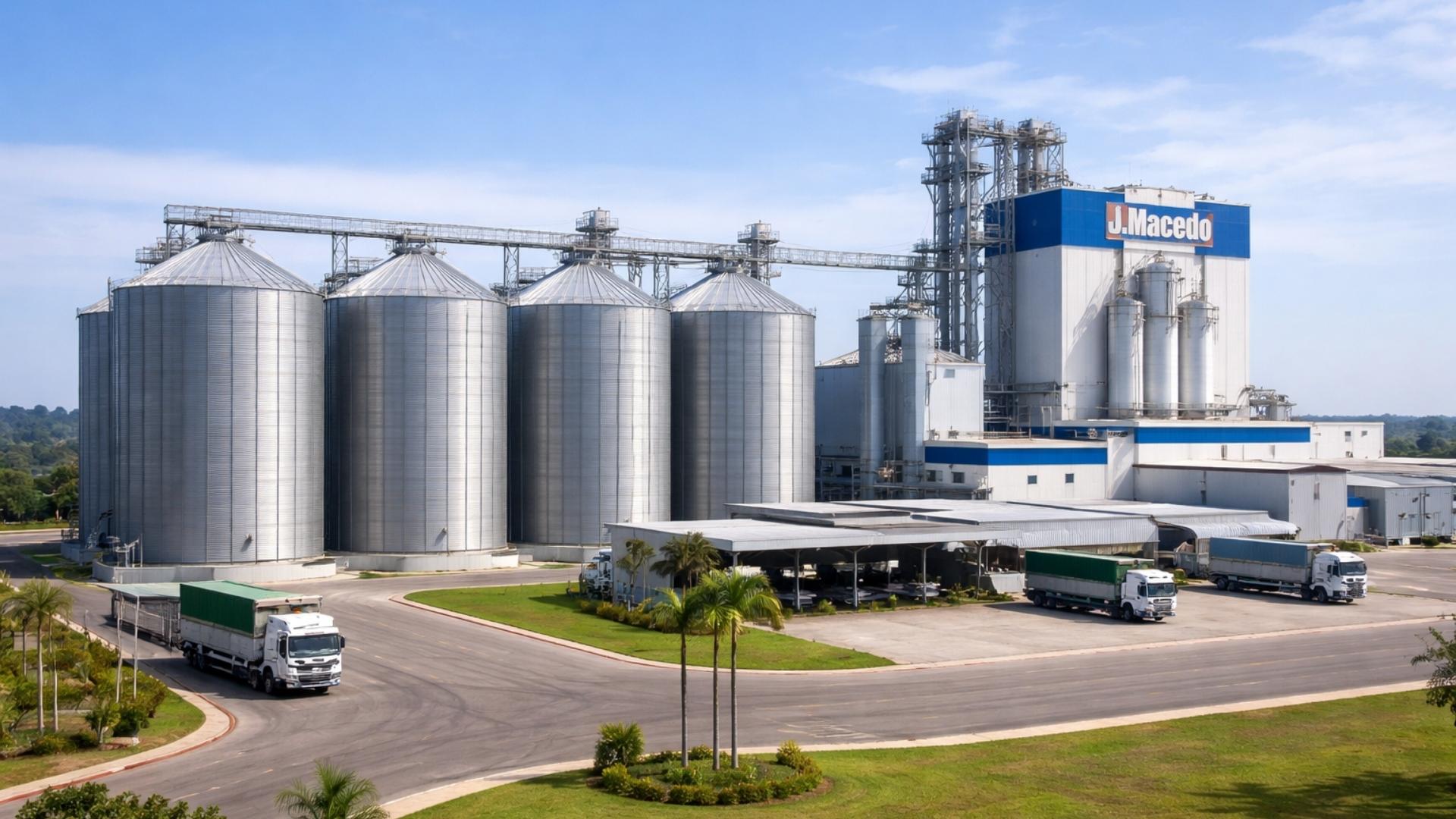
A Brazilian city gains a factory worth R$ 300 million with the capacity to process 200 thousand tons of wheat per year, a mill of 660 tons/day, silos for 42 thousand tons, and an industrial area of 276 thousand m².
-
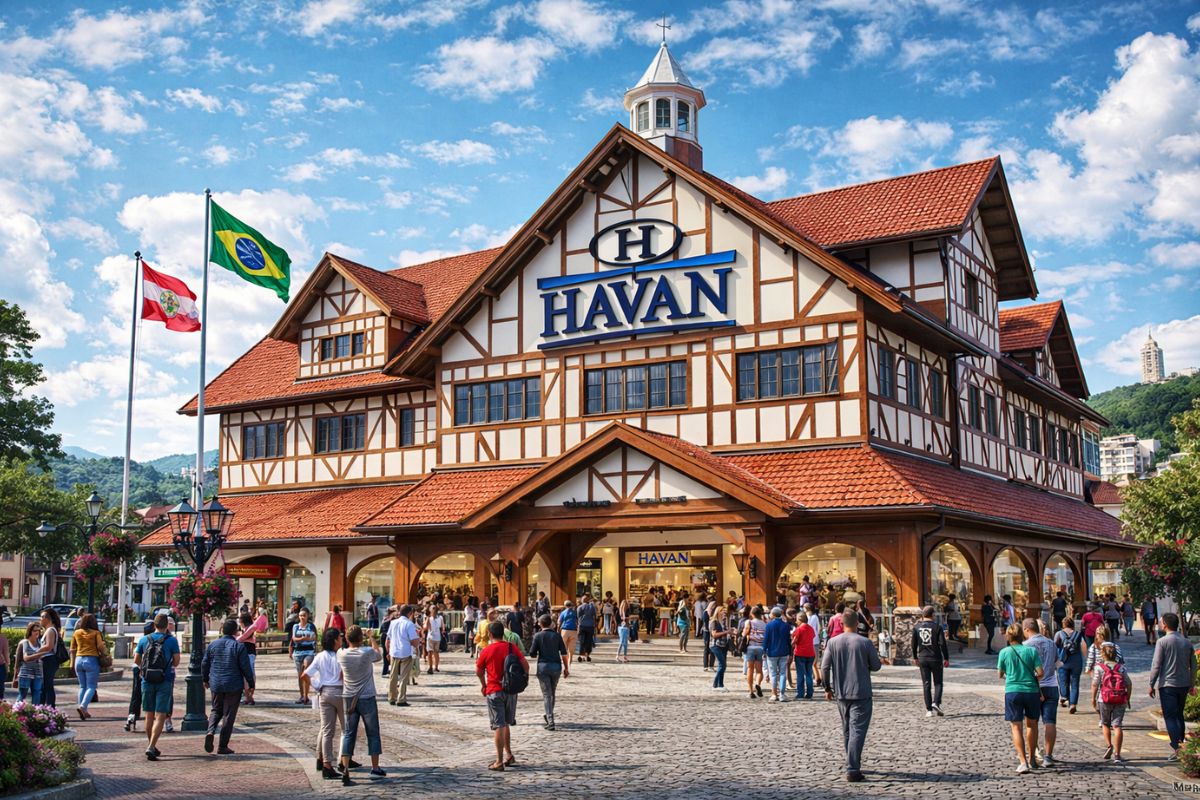
Havan will leave the shopping mall in Blumenau to inaugurate something that the chain has never done before: a megastore in half-timbered style in the Historic Center of the city, which is expected to be completed in May and change the landscape of local retail.

The goal is to transform Comperj into a strategic hub for refining and petrochemical production, capable of reducing dependence on imported derivatives and generating thousands of jobs. However, the constant delays and stoppages over the years raise doubts about the project’s viability, which continues to demand a high volume of resources and technology to be completed.
Line 6-Orange: The Most Expensive Mobility Project in the Country
The Line 6-Orange of the São Paulo Metro is another emblematic example of the most expensive projects underway in Brazil. With 15.3 km in length and 15 stations, the investment has already reached R$ 30 billion, with a predicted completion date by 2027.
The expectation is that the new line will transport more than 600 thousand passengers daily, connecting the Northern Zone to the center of the capital. In addition to easing traffic, the project should increase property values, boost the local economy, and integrate different regions of the city, bringing social and environmental benefits with reduced pollutant emissions.
Benefits and Challenges for the Future of Brazil
Projects of this magnitude reinforce the importance of infrastructure as a growth vector. The Comperj has the potential to strengthen the national petrochemical industry and enhance energy self-sufficiency. The Line 6-Orange is expected to redefine urban mobility in São Paulo, promoting social inclusion and greater productivity for the most populous metropolis in the country.
However, challenges remain significant. High costs, environmental and bureaucratic obstacles may still delay timelines. The key for the most expensive projects underway in Brazil to fulfill their role is to maintain transparency, budget control, and a focus on efficiency.
The most expensive projects underway in Brazil — Comperj and Line 6-Orange — highlight the strategic importance of infrastructure for the country’s energy and urban future. The billion-dollar investments can generate jobs, reduce inequalities and boost national competitiveness, but they depend on good management to realize their benefits.
And you, do you believe that these investments will really bring the expected return or just increase the risk of wasting public resources? Leave your opinion in the comments — we want to hear from those closely following this reality.









Essa obra da Comperj foi muito mal planejada! A região não tem água potável , e a dispersão do esgoto no caso de um acidente na ETE será no fundo da baía onde não há renovação, será um desastre ambiental . A escolha do local era Campos , mas aí entrou a demagogia e escolheram o local atual. Não haverá água para abastecer a população que se espera