





 Português
  Inglês
  Espanhol
 3 min de leitura
  0 comentários


Brazil Faces A Series Of Paralyzed And Poorly Planned Public Works That Consume Millions Of Public Funds Without Offering Benefits To The Population
In Brazil, several public works have become symbols of resource wastage and mismanagement, leaving the population without the promised benefits. Grand projects, involving millions of reais, often remain unfinished or poorly planned, resulting in underutilized structures or completely abandoned. Below are some of the most notorious useless works in Brazil, highlighting how failures in planning and execution of these initiatives have negatively impacted the population and public funds.
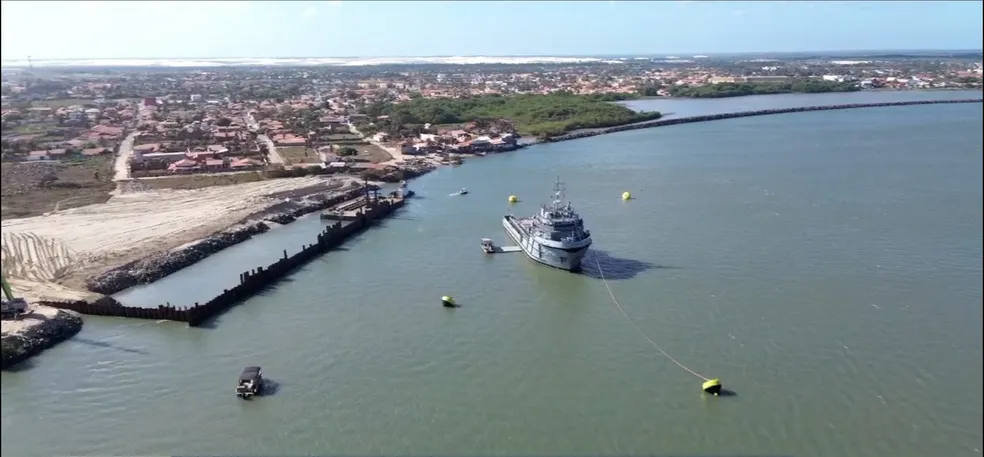
Port Of Luís Correia: A Decades-Long Project Without Ships
The Port of Luís Correia, in Piauí, is an emblematic example of resource wastage from the population. Initiated 47 years ago, the project aimed to boost the local economy, but to this day has not received a single ship. With an estimated cost of over 770 million reais, the construction has been interrupted and resumed several times, facing issues of overpricing and lack of preliminary studies.
Airport Of São Raimundo Nonato: A White Elephant In The Middle Of Piauí
Another example of a work in Brazil is the Airport of São Raimundo Nonato, also in Piauí. Built to attract tourists to the Serra da Capivara National Park, the airport was completed 11 years after construction began, consuming 22 million reais of public money.
-
A megaproject worth R$ 89 billion is advancing in Iraq and promises to change the game in global trade by creating a new corridor between Asia and Europe, reducing traditional routes and repositioning the country as a logistics powerhouse.
-
Goodbye bedside table: floating shelves become a trend in 2026 by freeing up space in the bedroom, improving circulation, bringing visual lightness, and integrating technology without taking up floor space.

-
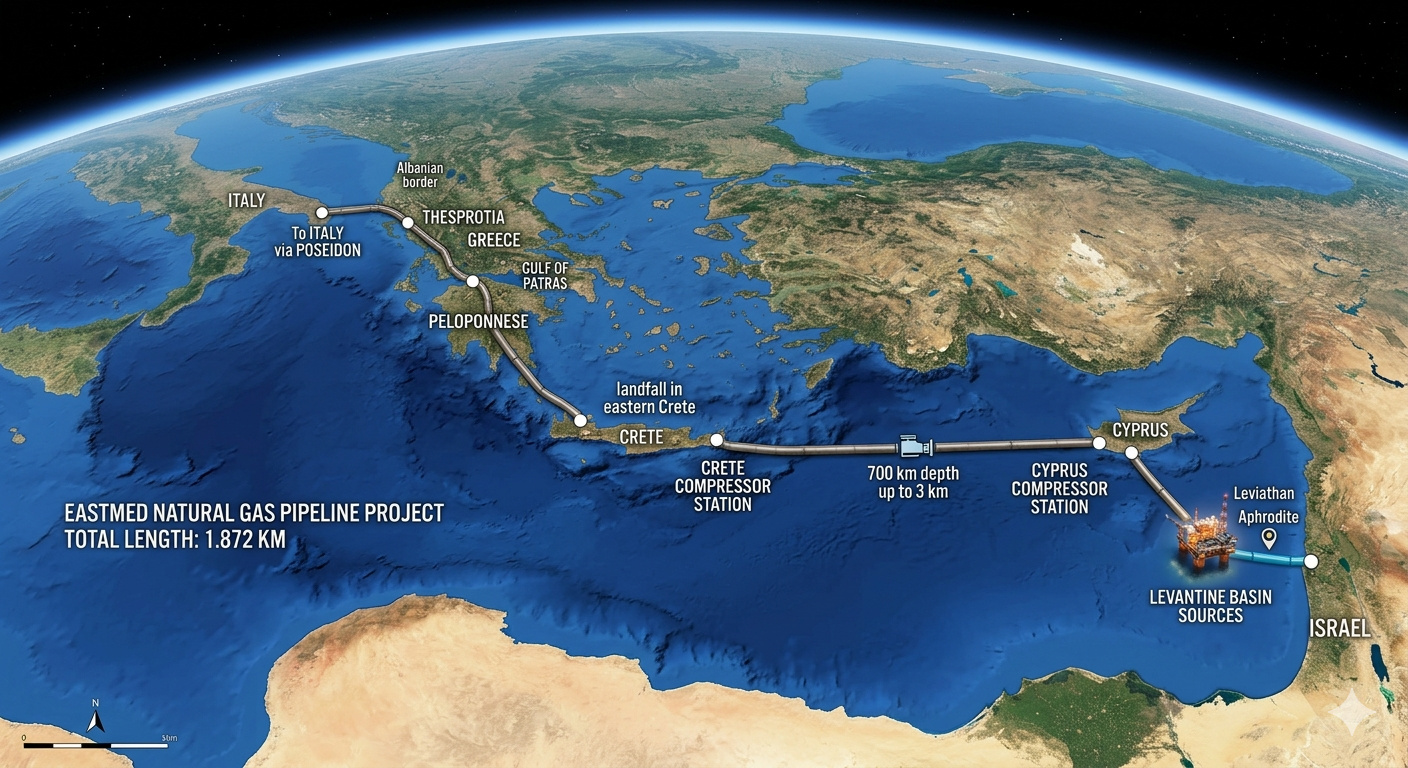
Israel, Greece, and Cyprus signed an agreement in 2020 to transport gas from the Mediterranean to Europe via a 1,872 km pipeline, but Turkey claimed sovereignty over part of the maritime route, and the project never materialized.
-
Israel, Greece, and Cyprus signed an agreement in 2020 to transport gas from the Mediterranean to Europe via a 1,872 km pipeline, but Turkey claimed sovereignty over part of the maritime route, and the project never materialized.

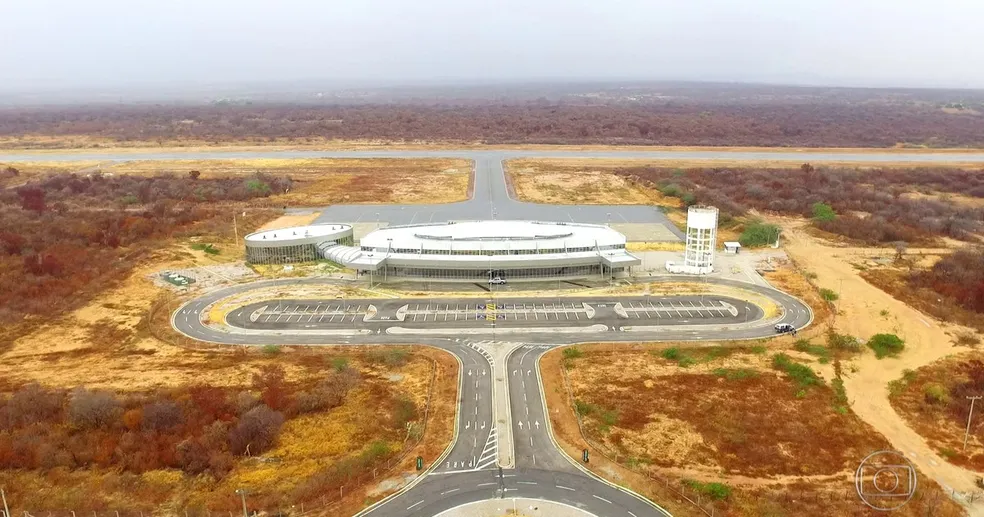
With an annual maintenance cost of 1.8 million reais, the airport receives very few passengers. Despite the recent announcement of regular flights, the low demand is unlikely to be resolved quickly, as the only local attraction is the archaeological park, insufficient to justify the investment.
Bike Path In Cachoeirinha: Poorly Planned And Paralyzed Works
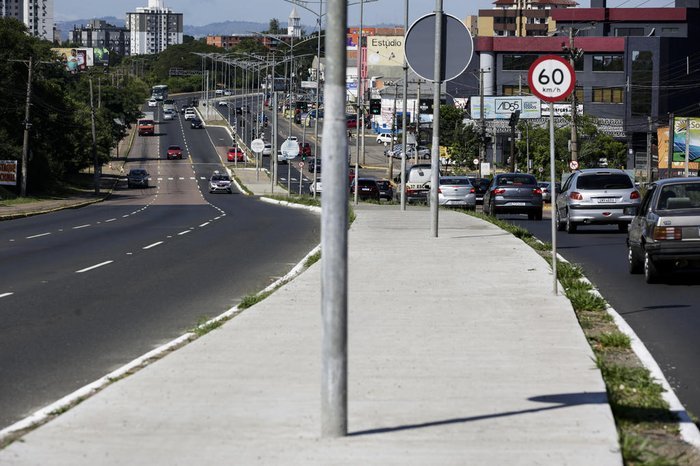
In Cachoeirinha, in Rio Grande do Sul, a bike path of 4.5 km long was announced in 2019 with a completion estimate of four months. However, planning issues such as trees and poles along the route have paralyzed the work, which has already consumed 1.35 million reais and is 70% complete. The city hall is considering abandoning the project and transforming the area into a concreted central median to save on maintenance.
Bridge Of Minas Novas: An Unfinished Project For 19 Years
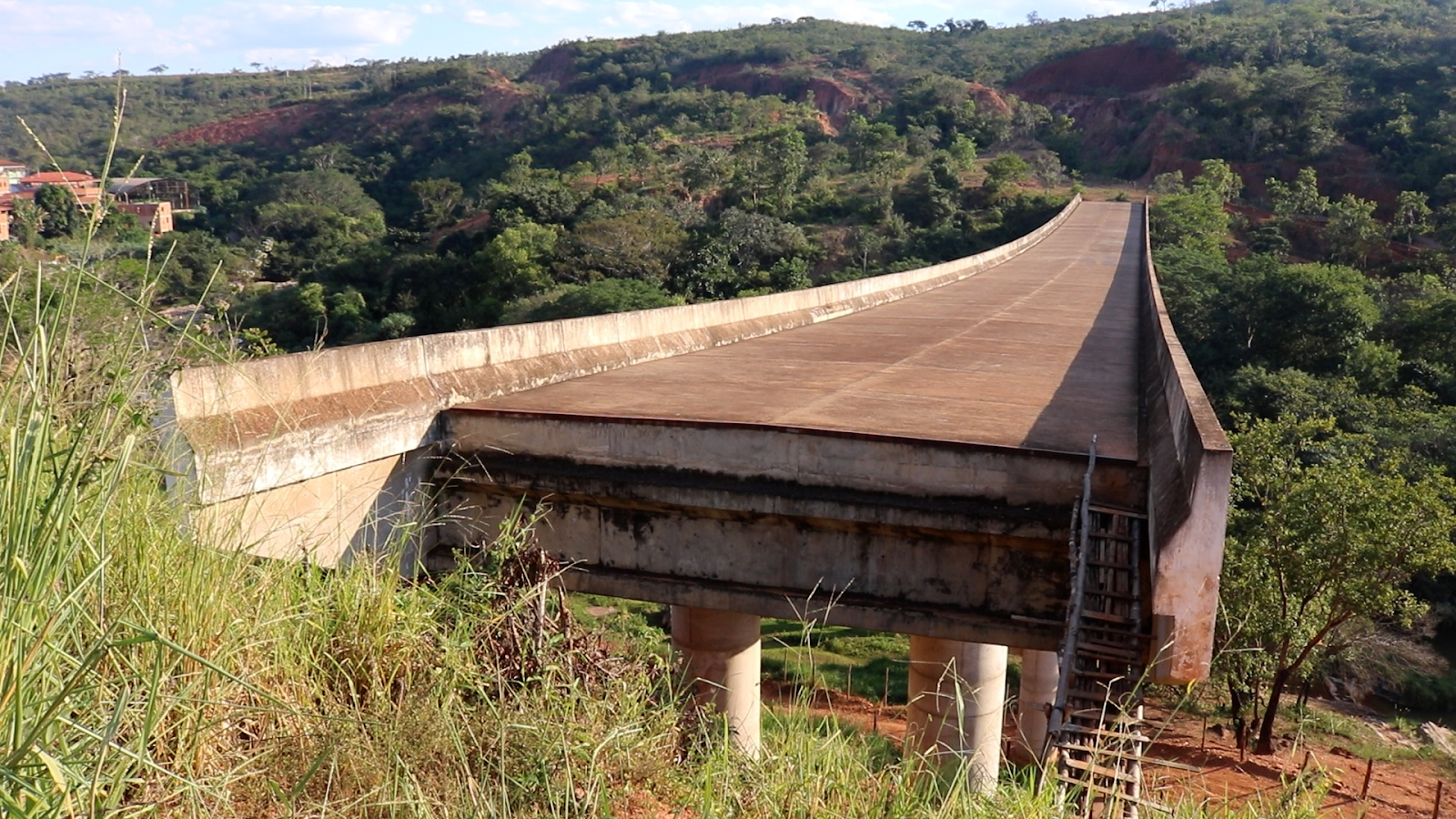
The Bridge of Minas Novas, in Minas Gerais, is another example of public money wasted. Built 19 years ago for 3 million reais, the bridge was never completed, as it lacks end supports on either side. In 2021, the city hall announced the resumption of construction, but so far only 40% of the work has been completed.
Canal De Saquarema: Incomplete Work And Environmental Problems
The Canal De Saquarema, in Rio de Janeiro, is crucial for the local ecosystem but suffers from silting. Since 2001, several works have been done, including the construction of a 150-meter-long stone jetty, which cost 52 million reais and was never completed. In 2021, a new attempt to finalize the project was interrupted by the Federal Public Ministry due to the lack of updated technical studies.

Suspension Bridge Of São José Dos Campos: An Ineffective Solution
The Suspension Bridge Of São José Dos Campos, in São Paulo, cost 61 million reais and was supposed to improve local traffic. However, studies indicate that the bridge will increase congestion and will not benefit the public transportation. The Public Ministry and the Public Defender’s Office have filed a lawsuit to demand improvements in traffic in the region.
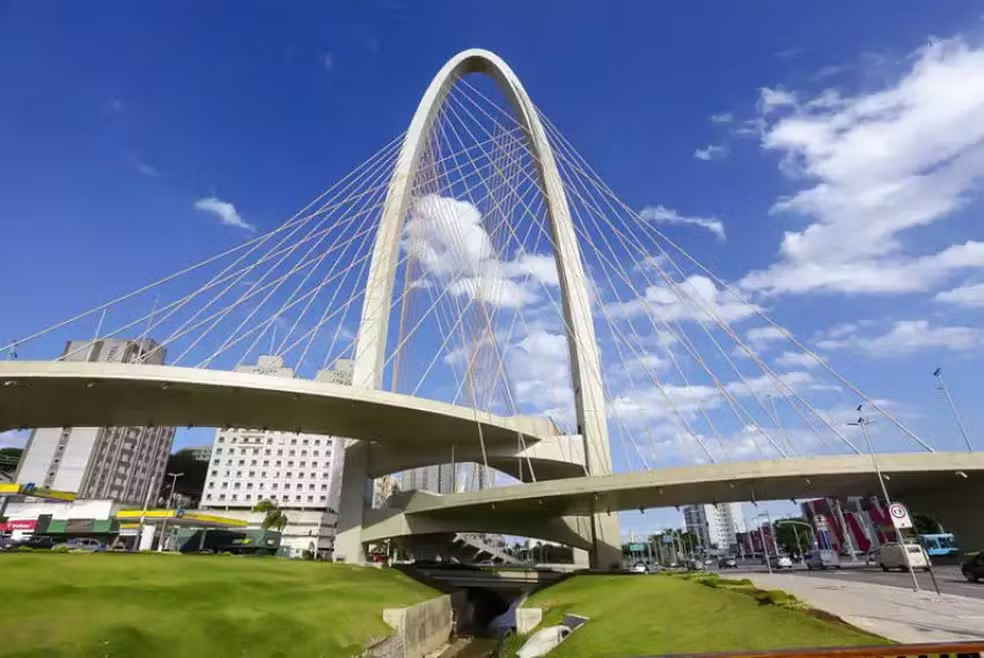
These examples show the urgent need for better planning and management of public resources in Brazil. Poorly conceived and executed projects not only waste money but also frustrate the population’s expectations and hinder the country’s development.
To avoid more useless works, it is essential that government officials and public managers prioritize transparency, proper planning, and strict oversight of all project phases.









Seja o primeiro a reagir!