





 English
  Francês
  Alemão
  Italiano
  Japonês
  Norueguês
  Portuguese
  Spanish
  4 min of reading
  0 comments


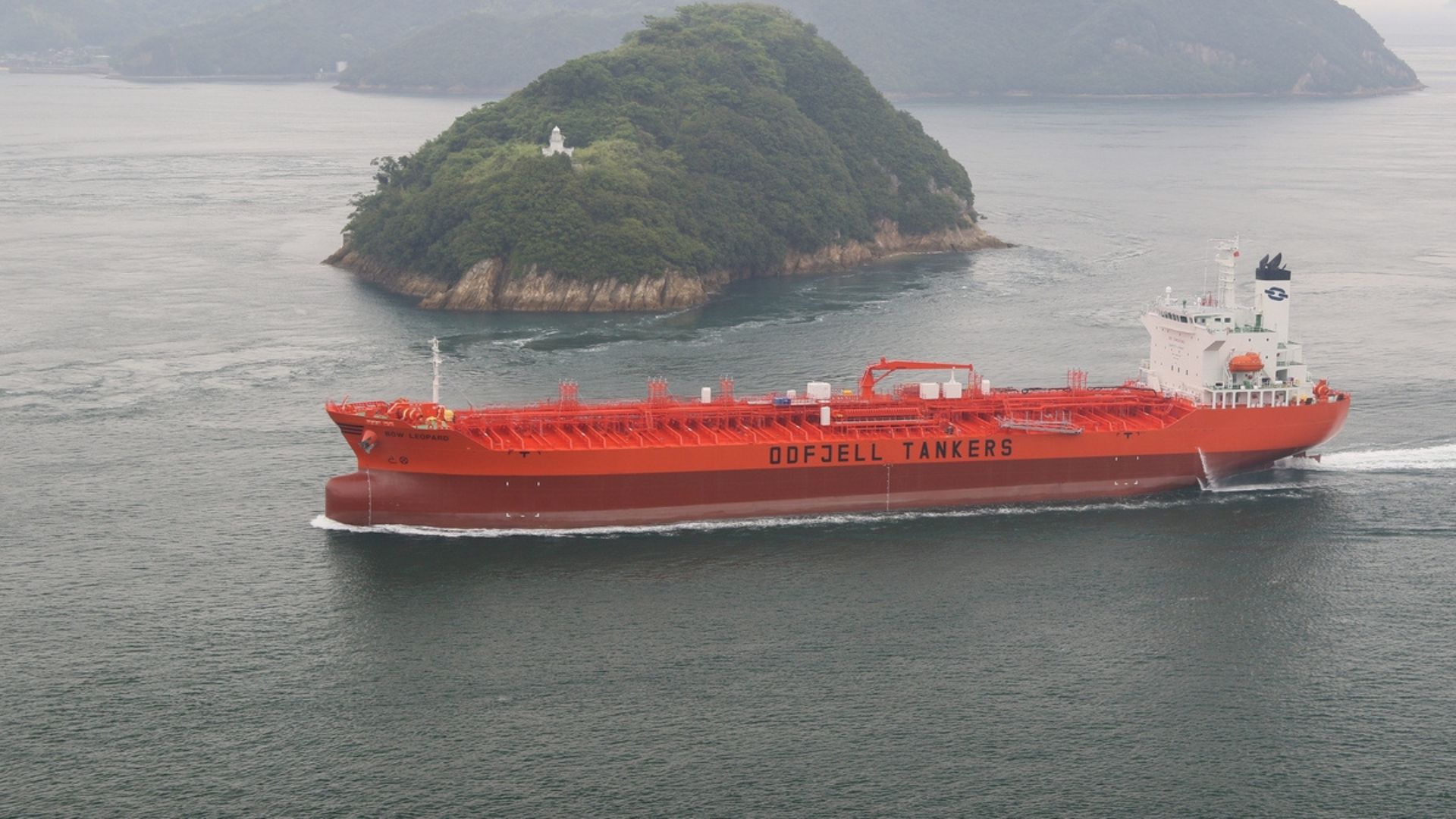
Odfjell Starts Regular Operations Between Brazil and Europe Using Sustainable B24 Biofuels, Consolidating the First Green Corridor and Advancing the Decarbonization of International Maritime Transport
The Odfjell officially launched the operation of the first fully functional green corridor between Brazil and Europe, using sustainable B24 in maritime routes for long distances. According to a publication by the company on its website on December 15, the initiative connects strategic ports in Brazil and Northern Europe and marks a concrete advance in the use of certified biofuels in ocean navigation.
Odfjell’s First Green Corridor Between Brazil and Europe is Now Operational
Unlike experimental projects, Odfjell’s green corridor is already operating regularly, with recurring voyages, guaranteed fuel, and logistical integration among ports, shipowners, and suppliers. The project reinforces the company’s assessment that low-carbon solutions are already available for operational application in maritime transport.
The first operational green corridor of Odfjell connects the Port of Rio Grande in Brazil to the European ports of Antwerp-Bruges and Rotterdam. The route covers approximately 5,000 nautical miles between Brazil and Europe, served by the company’s chemical tanker ships.
-
Brazil accelerates decarbonization in the South: International forum in Foz do Iguaçu gathers leaders to discuss the advancement of biomethane in the energy matrix and the potential of “caipira pre-salt.”
-
As diesel prices soar due to conflicts in the Middle East, a Brazilian city decides to test a little-known biofuel that promises to completely replace fossil fuel without adaptation and could change the future of energy in the country.
-
Innovation with biofuel engines transforms agribusiness by replacing diesel without the need for major adaptations, ensuring energy efficiency and helping to reduce dependence on oil.
-
Used Cooking Oil Transforms Into Kerosene: How 1 Million Tons of Used Fat Are at the Center of an Aviation Fuel Market That Could Attract Over $1 Trillion in Investments, Already Fuels Planes with Up to 80% Lower Emissions, and Triggered a Global Competition for This Waste


Between 12 and 15 voyages per year are planned, with an average duration of approximately 40 days per crossing. All these operations utilize sustainable B24, resulting in significantly lower emissions compared to conventional maritime fuel.
The green corridor is not a one-time initiative, but a continuous operation integrated into the company’s decarbonization strategy.
Sustainable B24 and the Role of Biofuels in Maritime Navigation
The sustainable B24 used by Odfjell in Brazil is a blend composed of 24% renewable biodiesel derived from waste and 76% VLSFO, low sulfur marine fuel. It is a certified and traceable product that meets international sustainability criteria.
The use of biofuels like B24 allows for emissions reduction without the need for significant technical adaptations on ships, enabling immediate adoption on long-distance ocean routes. This factor makes sustainable B24 a pragmatic solution for energy transition in maritime transport, especially in the short and medium term.
Supply Contract Ensures Scale for the Brazil-Europe Green Corridor
To ensure the continuity of the first green corridor, Odfjell signed a supply contract for sustainable B24 at the Port of Rio Grande, ensuring long-term fuel availability.
Additionally, the ports of Rio Grande, Antwerp-Bruges, and Rotterdam work together with the company to optimize port processes, reduce waiting times, and increase operational efficiency.
Port collaboration is essential for the success of the green corridor between Brazil and Europe, contributing to emission reductions not only during navigation but also in land operations.
Odfjell Takes on Costs and Advances Without Public Subsidies
One of the most significant aspects of the initiative is Odfjell’s decision to self-finance the project, without resorting to government subsidies. By absorbing the additional costs associated with biofuels, the company removed financial barriers to implementation.
According to CEO Harald Fotland, this approach has allowed for a direct transition to the actual operation of the green corridor. He stated that the initiative demonstrates that certified fuels, technologies, and infrastructure are already available to enable low-carbon navigation. The strategy reinforces Odfjell’s long-term commitment to decarbonization, going beyond one-time actions or demonstrative projects.
Emission Reduction and Odfjell’s Decarbonization Strategy
The introduction of sustainable B24 in the first green corridor is part of Odfjell’s continuous effort to reduce its carbon footprint. Over the last decade, the company has managed to reduce its carbon intensity by over 54% compared to the 2008 benchmark.
This result was achieved through technical improvements, operational optimization, and, more recently, through the structured incorporation of biofuels into the fleet. The green corridor consolidates cleaner fuels as a new strategic pillar, integrating the entire maritime value chain.
Alignment with Global Goals and Agreements Between Brazil and Europe
The initiative by Odfjell aligns with the International Maritime Organization’s goals for 2030, as well as the European Union’s climate ambitions under the Fit for 55 program.
The project also relies on the memorandum of understanding signed between Norway and Brazil in 2024, which establishes the foundations for developing a sustainable transatlantic navigation corridor. This alignment reinforces the role of the green corridor as a replicable model for other global routes.
Institutional Support Strengthens the First Green Corridor
The Norwegian Minister of Climate and Environment, Anders Bjelland Eriksen, emphasized that long-distance green corridors are still in the initial phase, and Odfjell’s initiative represents a fundamental step toward zero emissions in maritime transport.
For him, the ocean is a commercial link between Brazil and Norway, and the new green corridor symbolizes international cooperation for more sustainable navigation.
Biofuels as a Viable Solution for Global Maritime Transport
Studies highlight that maritime transport accounts for about 3% of global greenhouse gas emissions, making initiatives like this essential to meet climate targets by 2050.
The Maritime CEO of DNV, Knut Ørbeck-Nilssen, stated that biofuels represent a viable option for navigation in deep waters, especially when associated with robust certification systems, as is the case with the sustainable B24 adopted by Odfjell.
An Operational Milestone for Low-Carbon Navigation
The launch of the first green corridor between Brazil and Europe positions Odfjell as one of the global references in the decarbonization of maritime transport.
More than a pilot project, this is a regular, scalable, and financially viable operation, based on the continuous use of certified biofuels.
The green corridor demonstrates that the energy transition in the maritime sector is already underway, combining clean fuel, efficient port infrastructure, and international cooperation to reduce emissions on one of the most relevant commercial routes in the Atlantic.









Seja o primeiro a reagir!