





 English
  Francês
  Alemão
  Italiano
  Japonês
  Norueguês
  Portuguese
  Spanish
 4 min of reading
  1 comment





Expansion of Pre-Salt, New Offshore Projects, and Advancements in the Equatorial Margin Should Drive Investments and Opportunities in the Oil and Gas Chain
The future of Brazilian offshore and new investment opportunities throughout the oil and gas productive chain will be central themes of the Macaé Energy 2026, an event that will take place from March 17 to 19, 2026, at the Jornalista Roberto Marinho Convention Center in Macaé, Rio de Janeiro.
The offshore sector is experiencing a moment of expansion primarily driven by advances in pre-salt production, new FPSO platform projects, and the possibility of opening new exploratory frontiers in the country, such as the Brazilian Equatorial Margin, considered one of the most promising regions of the global oil industry.
According to data released by the National Agency of Petroleum, Natural Gas, and Biofuels (ANP) in 2024, Brazil produced about 4.3 million barrels of oil equivalent per day, establishing itself as one of the largest oil producers in the world. Approximately 78% of this production already occurs in deep and ultra-deep waters, characterizing the country as an offshore powerhouse.
-
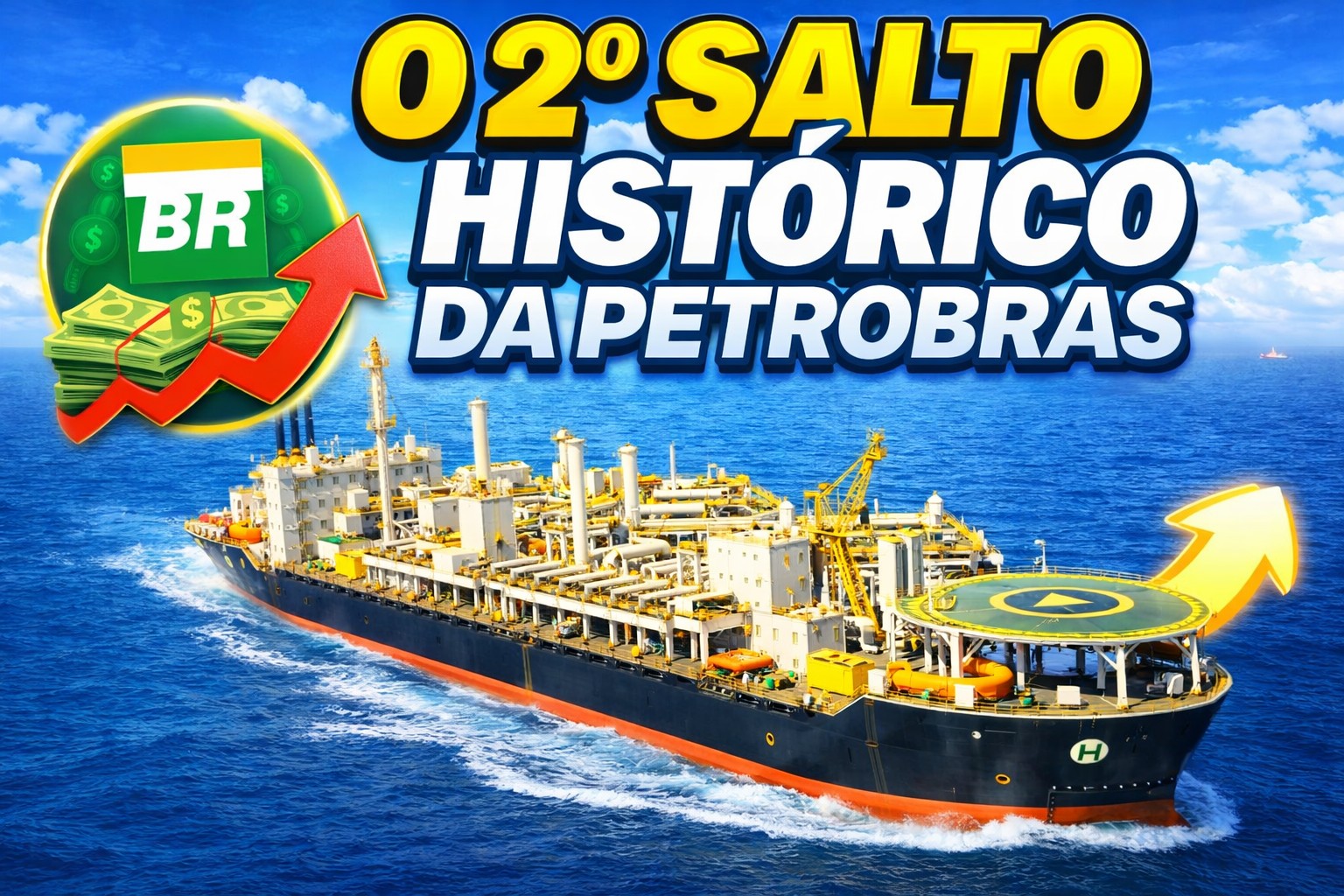
The largest South American oil company, Petrobras, is preparing for a historic leap in production with new FPSO platforms and the expansion of refining — projects that could add up to 900,000 barrels per day and strengthen Brazil’s energy security.
-
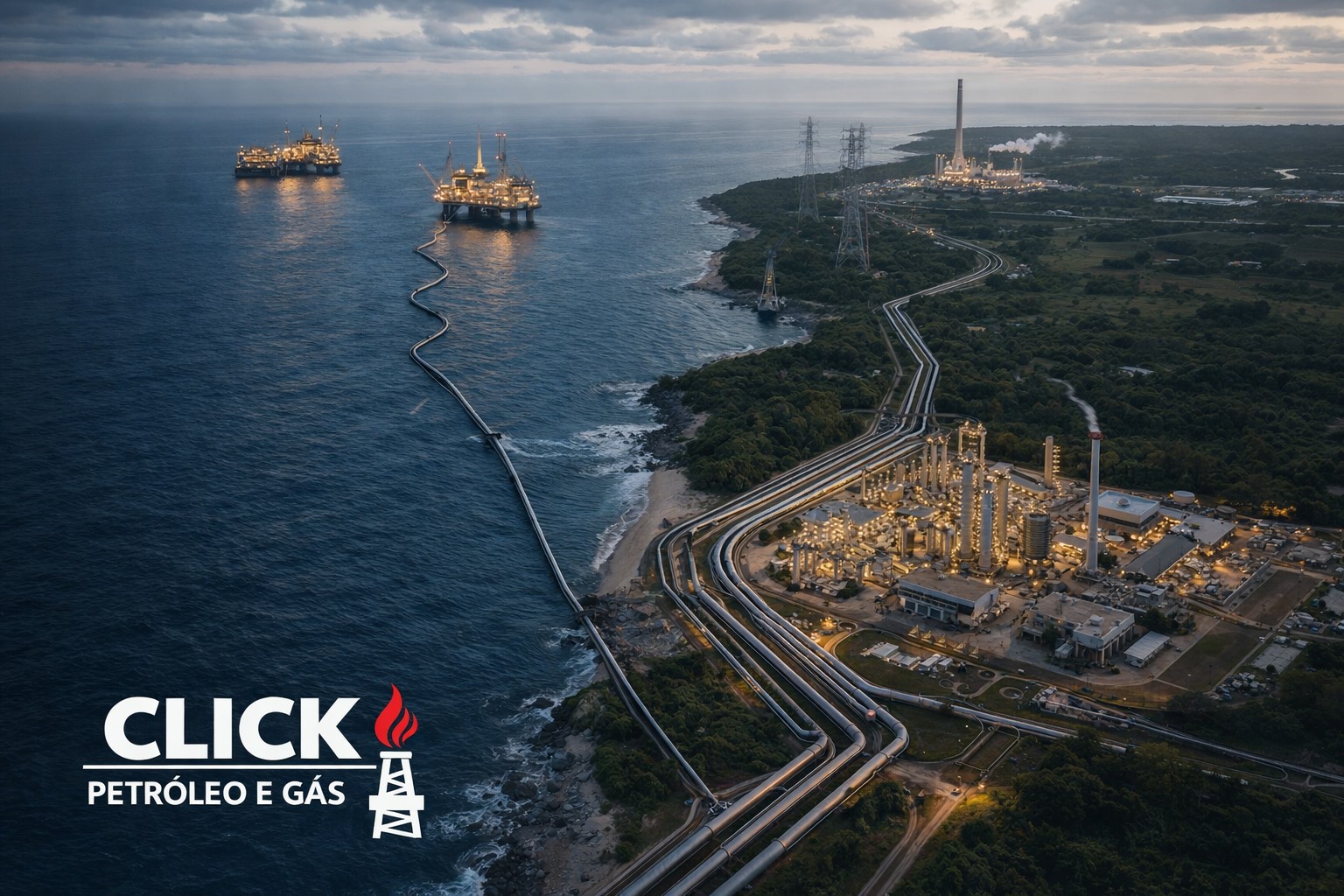
Billions of barrels in the Equatorial Margin could double Amapá’s oil production in Brazil and attract companies from the Campos Basin.

-
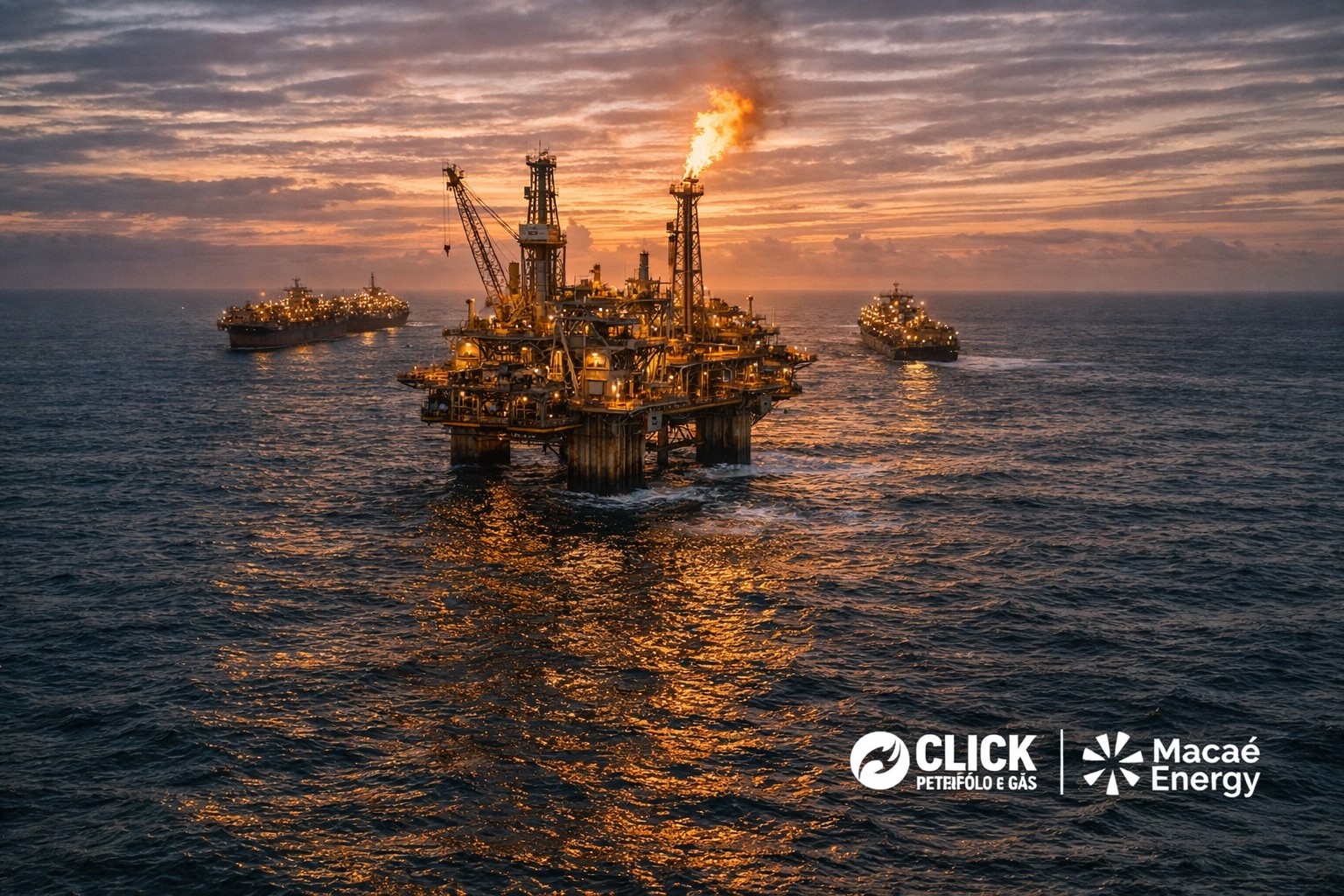
Mature Fields Take Center Stage and Are Expected to Generate New Opportunities in the Oil and Gas Sector
-
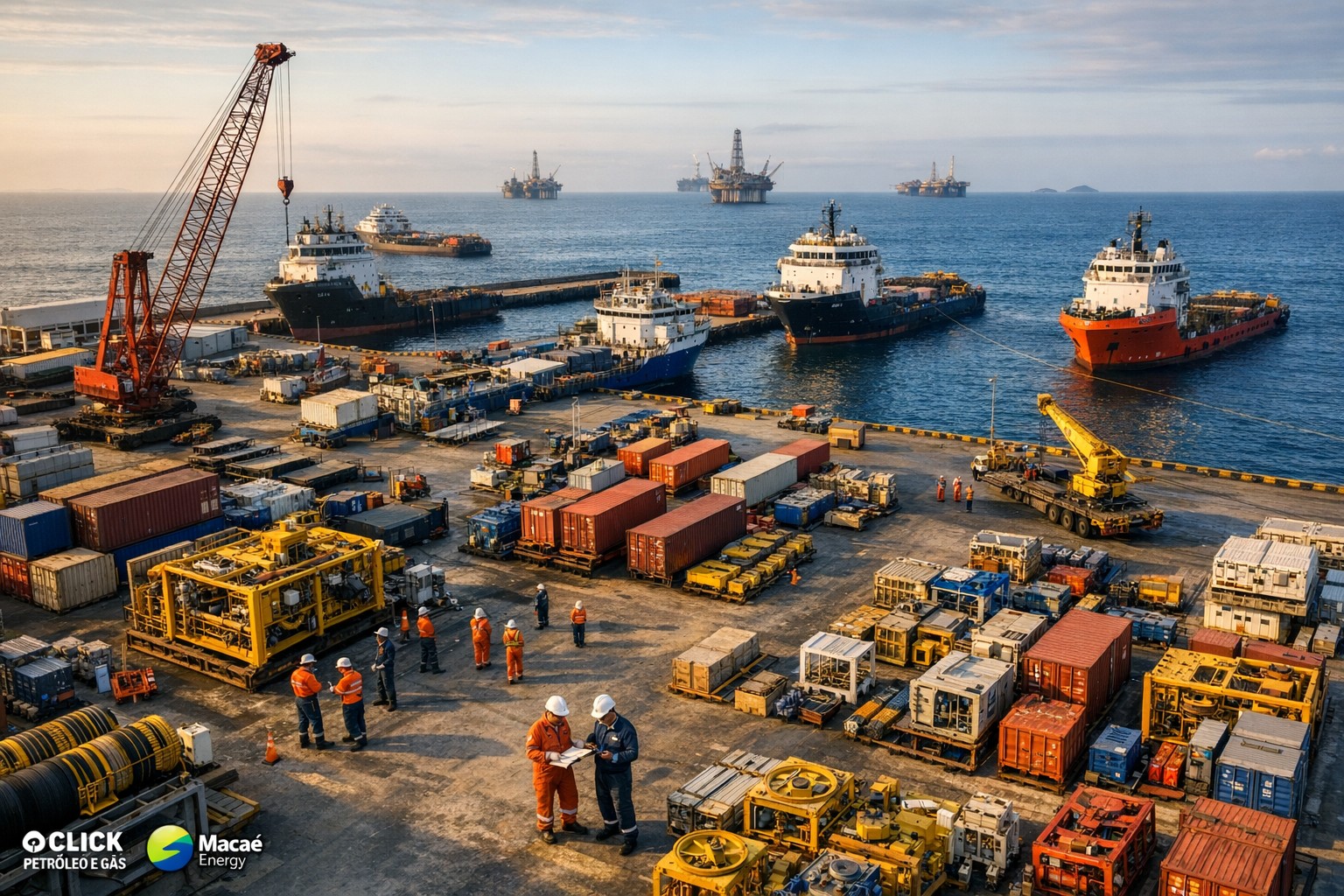
Oil And Gas Supply Chain Gains Prominence And Will Be A Strategic Topic At Macaé Energy 2026

Pre-Salt Remains the Engine of Investments
A large part of the expansion of the Brazilian offshore industry is concentrated in the Santos Basin, where some of the largest oil fields in production on the planet are located.
Among the main projects are fields operated by Petrobras, such as:
• Búzios
• Mero
• Tupi
• Sépia
• Itapu
According to the Petrobras Strategic Plan 2024–2028, released in November 2023, the company plans to invest approximately US$ 102 billion by 2028, with about US$ 69 billion allocated for oil and gas exploration and production.
A significant part of these investments involves the installation of new FPSO (Floating Production Storage and Offloading) units.
According to projections from the Energy Research Company (EPE), Brazil could have more than 30 FPSOs operating by 2030, significantly expanding offshore production.
Supplier Chain Should Grow with New Projects
The advancement of offshore projects also generates opportunities for the entire productive chain of the oil and gas industry.
The installation of platforms, subsea systems, subsea equipment, and logistical infrastructure mobilizes a wide network of supplying companies.
According to data from the Brazilian Institute of Oil and Gas (IBP) released in 2024, the supplier chain of the energy sector in Brazil involves more than 30,000 companies, operating in areas such as engineering, construction, logistics, maintenance, and industrial services.
This movement creates opportunities in various segments, including:
• construction and integration of platforms
• subsea and underwater equipment
• offshore logistics and maritime support
• inspection and maintenance services
• engineering and technology applied to the energy sector
Cities like Macaé, a traditional operational base of the Campos Basin, continue to play a strategic role in the logistics chain of the Brazilian offshore.
Equatorial Margin Emerges as a New Exploratory Frontier
Another topic that should gain prominence in discussions about the future of offshore is the potential of the so-called Brazilian Equatorial Margin.
The region extends approximately 2,200 kilometers from the Brazilian coast, encompassing five sedimentary basins:
• Amazon Delta
• Pará-Maranhão
• Barreirinhas
• Ceará
• Potiguar
Geological studies indicate that this region has characteristics similar to the oil fields of Guyana and Suriname, where significant discoveries have been made in recent years.
Since 2015, companies such as ExxonMobil, TotalEnergies, and Hess have announced significant discoveries in the Guyana region, which today produces about 600,000 barrels of oil per day, according to data released by the U.S. Energy Information Administration (EIA) in 2024.
In Brazil, the exploration of the Equatorial Margin still faces regulatory and environmental challenges. In 2023, IBAMA denied a license requested by Petrobras for exploratory drilling in the Amazon Delta Basin, requesting new environmental studies.
Even so, the federal government and the energy industry continue discussing the exploratory potential of the region.
According to estimates released by the Ministry of Mines and Energy (MME) in 2024, the Equatorial Margin could represent one of the largest opportunities for oil production expansion in Brazil in the coming decades.
Debates About Offshore and New Opportunities Will Be at Macaé Energy
The advancement of the offshore industry and new investment projects will be among the topics discussed at Macaé Energy 2026, which will gather executives, specialists, and companies from the energy chain.
Among the expected topics for discussion are:
• new offshore projects in Brazil
• investments in FPSO platforms
• opportunities for suppliers in the productive chain
• regulatory and environmental challenges
• exploratory potential of the Equatorial Margin
The presence of operating companies, suppliers, and sector institutions is expected to enhance discussions about the future of the Brazilian offshore industry and its economic opportunities.
How to Participate in Macaé Energy 2026
Professionals, companies, and individuals interested in following the discussions about the future of the energy sector can register on the official event website.
Registration for Macaé Energy 2026 is available at: https://macaeenergy.com.br/
The event will take place from March 17 to 19, 2026, bringing together specialists, executives, and companies from the oil, gas, and energy sectors to discuss investments, market trends, and opportunities along the productive chain of the Brazilian energy industry. Click Petróleo e Gás will provide special coverage of the event.









Ótima matéria, estou morando em Macaé há 3 dias,vou fazer mestrado em Energia Renováveis,boa oportunidade de adquirir conhecimento