





 Portuguese
  English
  Spanish
  5 min of reading


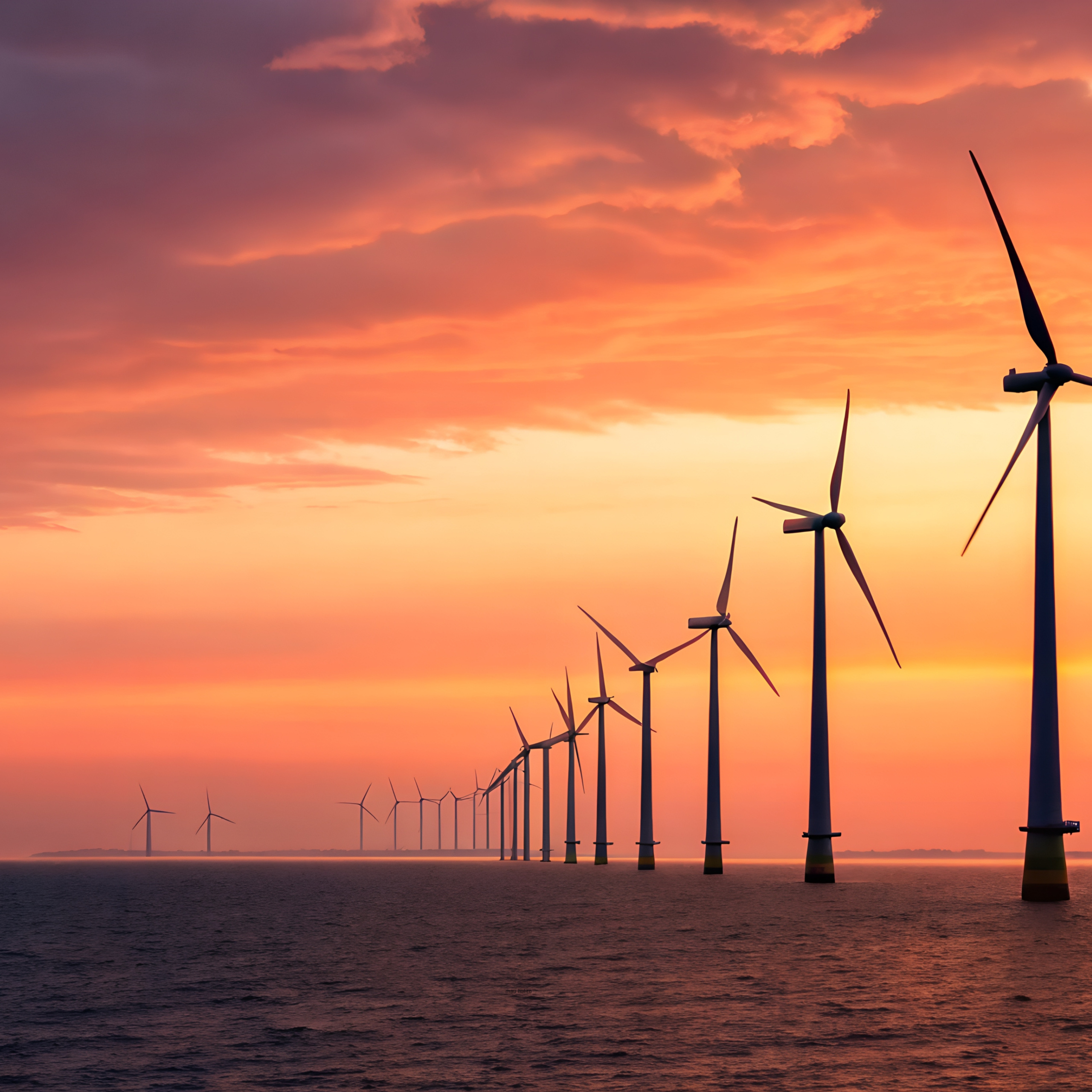
The search for sustainable solutions is growing rapidly in Brazil, and offshore energy emerges as one of the most promising routes in this process. Right at the beginning of this transformation, it is possible to see that the country is leveraging its natural characteristics to develop a more modern and efficient energy sector. Thus, the installation of the first pilot offshore wind farm marks an important moment for the Brazilian economy and energy sovereignty.
Moreover, this advancement occurs in a context where the energy transition is becoming a global priority. Thus, the new phase of Brazilian offshore wind energy connects with the need to diversify sources, reduce emissions, and stimulate technologies that sustain economic growth without increasing environmental impacts. According to the Ibama website, the preliminary authorization granted for the pilot plant in the sea of Areia Branca, in Rio Grande do Norte, was issued during 2025 and allows studies and installations to progress with regulatory safety.
The Evolution of Offshore Energy in the World and Brazil’s Arrival in the Sector
Offshore wind power generation began in Europe in the early 1990s, particularly in Denmark and the United Kingdom. Since then, different countries have increased investments and created projects that now provide electricity to millions of people. This history demonstrates that when governments prioritize innovation, new energy matrices emerge strongly. Therefore, the Brazilian movement is not happening in isolation. It is part of a global cycle that seeks to reduce dependence on fossil fuels.
-
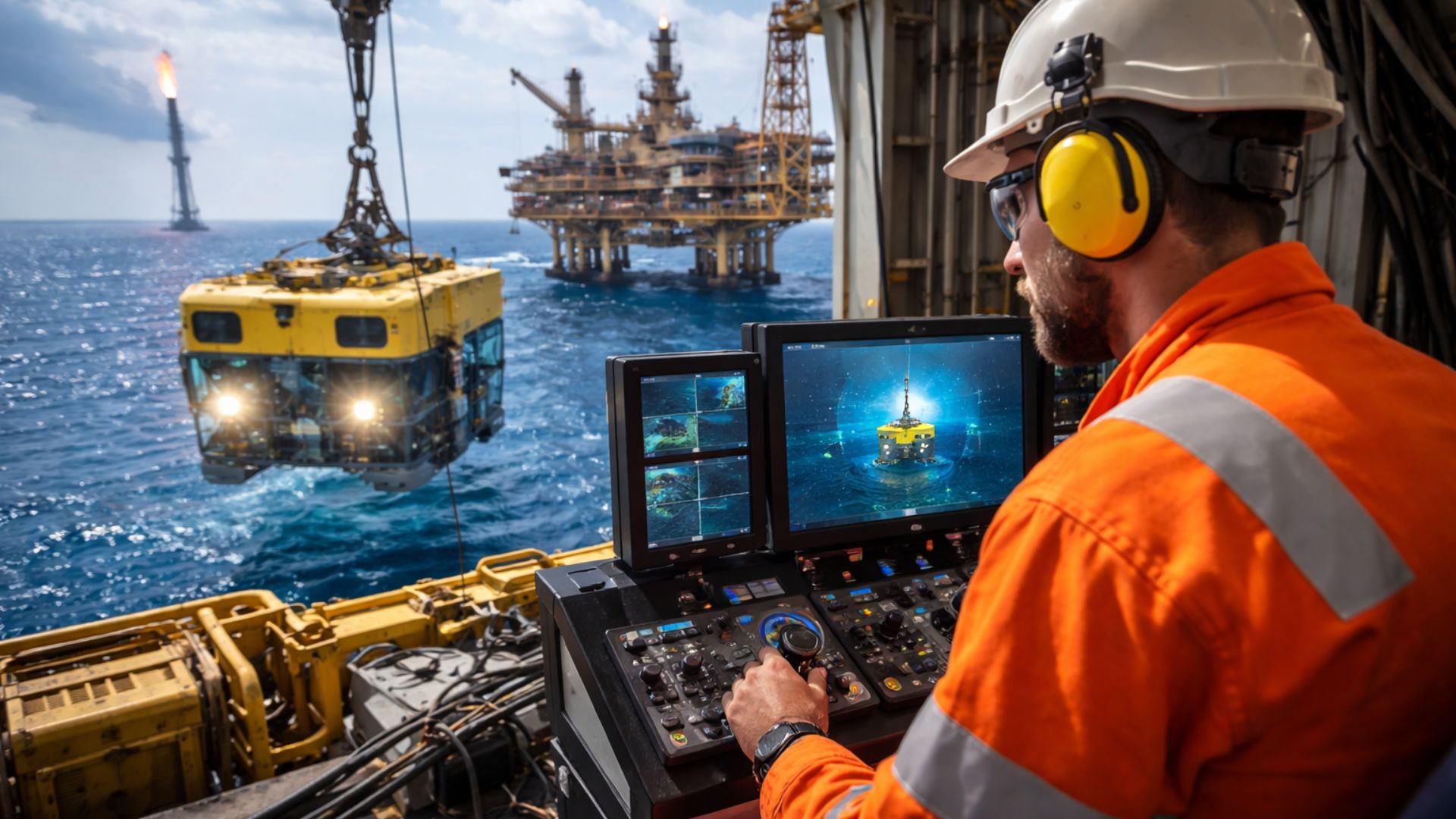
With Announcement for ROV Course in Partnership with Zen, Rio das Ostras Aims to Transform Technical Qualification into Real Jobs in the Competitive Offshore Market
-
Free Offshore Steward Course in São Gonçalo Emerges as a Strategic Opportunity for Those Seeking Qualified Work at Sea

-
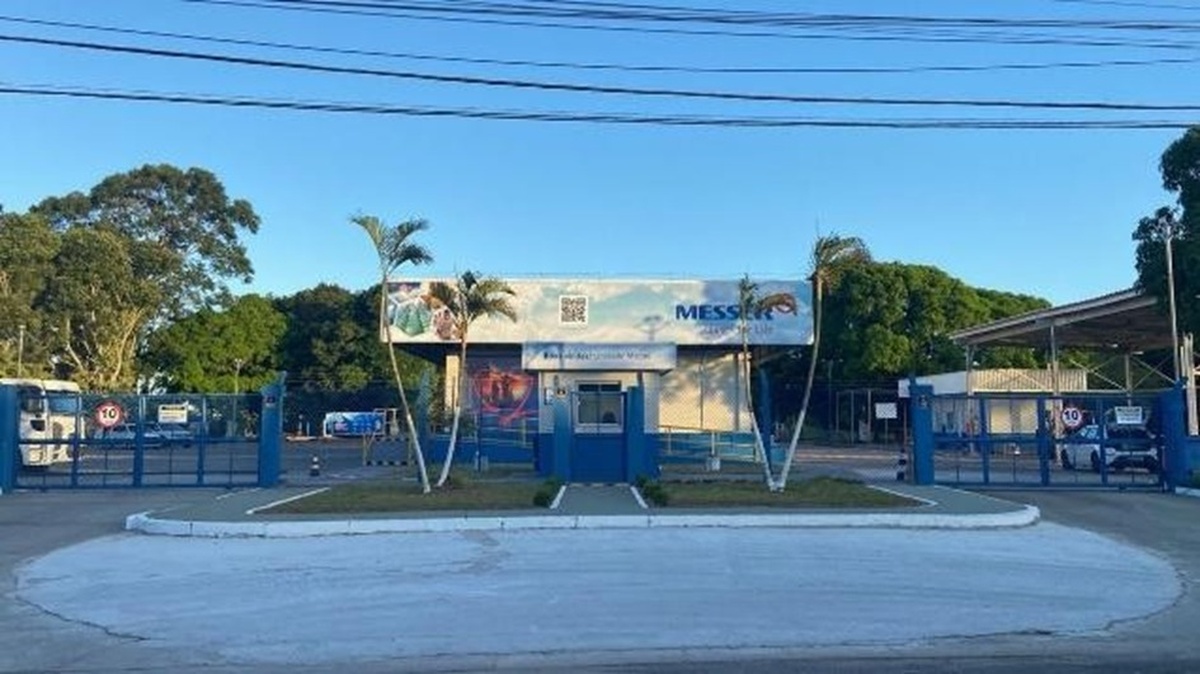
Messer Gases Reopens Branch in Macaé to Serve Offshore Oil and Gas Market in Northern Fluminense with Supply of Oxygen, Argon, and CO₂
-
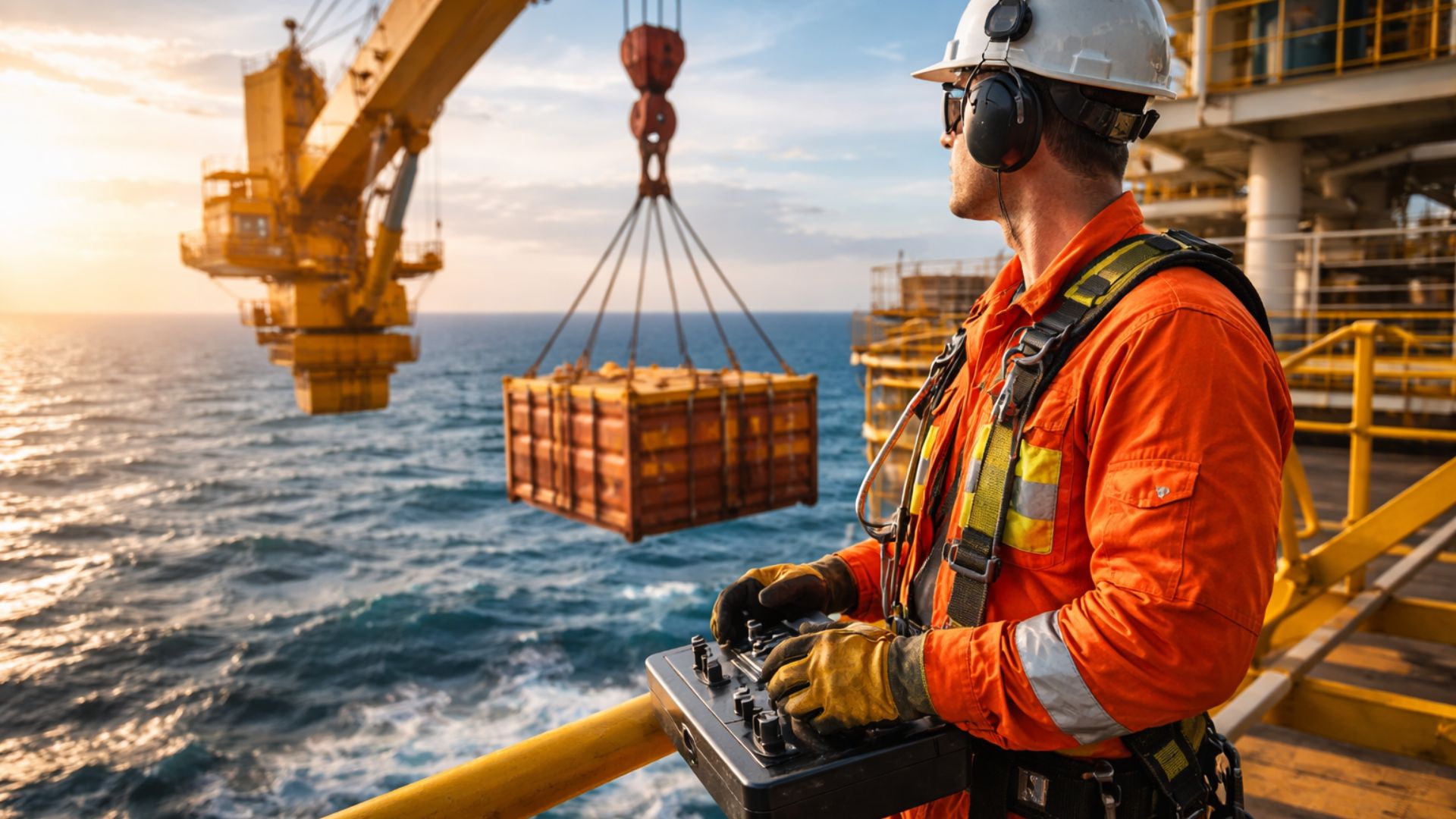
Offshore Profession Simplified: Comprehensive Guide Reveals How to Trade Common Routine for High Salaries and Long Breaks in Life Aboard in the Oil Sector

According to data from the International Energy Agency (IEA) released in 2024, offshore energy has been growing faster than onshore wind in several markets, mainly due to its capacity for continuous generation and the enormous potential in coastal regions. In this way, Brazil positions itself strategically, as it has one of the largest maritime extensions on the planet and winds considered ideal for this type of technology.
Meanwhile, the Brazilian process is advancing at a steady pace. Ibama’s preliminary license confirms that environmental studies, oceanographic analyses, and impact assessments have been approved at an early stage. Thus, the pilot plant paves the way for future large-scale plants.
The Energy Potential of the Northeast and the Relevance of Areia Branca
The Brazilian Northeast plays a fundamental role in this expansion. Since the 2000s, the region has stood out in onshore wind power production. Now, with offshore technology, the potential becomes even more expressive. According to the Ministry of Mines and Energy, the northeastern coastline has some of the most promising areas in the world for installing offshore wind turbines, thanks to the reliability of the winds and favorable natural conditions.
Areia Branca, in Rio Grande do Norte, becomes a symbol of this new phase. The location became known for the operation of salt flats and strategic ports, but now it begins a new stage by hosting the country’s first offshore project. Thus, regional development strengthens and creates opportunities for the arrival of new industries.
Additionally, the project encourages partnerships between universities, companies, and research centers. UFRN and other institutions reinforce studies on oceanic impacts, logistics, and the performance of wind turbines, expanding the training of specialized labor and promoting scientific innovation.
The Importance of Energy Transition and the Role of Offshore Technology
The energy transition requires alternatives that are renewable and efficient. Therefore, offshore energy stands out. The sea offers more stable and generally stronger winds than those on land. As a result, production becomes more predictable and continuous. This ensures greater security for the electrical system, in addition to allowing expansion without competing with urban or agricultural areas.
Thus, offshore energy intelligently complements other renewable sources. While hydropower faces challenges in dry periods and solar energy depends on sunlight exposure, offshore wind maintains high performance for a significant part of the year. In this way, the country strengthens its matrix and reduces risks of scarcity.
Furthermore, global technological advancements help reduce costs and increase the efficiency of offshore wind turbines. According to the IEA, the cost of offshore energy has fallen by more than 40% over the last decade, making the sector competitive and attractive to investors.
Economic Development, Innovation, and Sustainability
The advancement of offshore energy generates significant economic impacts. The construction, operation, and maintenance of the plants create qualified jobs and boost different industrial chains, such as metallurgy, port logistics, and digital technology. Consequently, coastal regions begin to develop in a more integrated and sustainable manner.
Furthermore, the sector helps Brazil meet international targets related to carbon emissions. According to the federal government, the country reinforces commitments made in the Paris Agreement and seeks to increase the share of renewables in the energy matrix. Offshore energy aligns directly with this goal, as it presents very low emissions and reduces the need for thermoelectric plants powered by oil and gas.
Another important aspect involves attracting foreign investments. As Brazil advances in regulations and licenses, international companies observe the market with increasing interest. This creates partnership opportunities and accelerates the arrival of technologies that were previously available only in large economies.
The Consolidation of Offshore Energy as a New Frontier for Brazil
With all these transformations, Brazil officially enters the global offshore energy route. The country combines maritime extension, wind potential, and a growing demand for clean energy. Thus, the installation of the pilot plant in Areia Branca represents a watershed moment for national innovation.
Moreover, the participation of Ibama and other public institutions ensures legal security, environmental protection, and better conditions for balanced growth. Thus, the country creates a sustainable and technologically competitive path for the coming years.
Offshore energy is not just a one-off project. It becomes one of the foundations for Brazil’s energy future.









Seja o primeiro a reagir!