





 English
  Francês
  Alemão
  Italiano
  Japonês
  Norueguês
  Portuguese
  Spanish
  2 min of reading
  15 comments


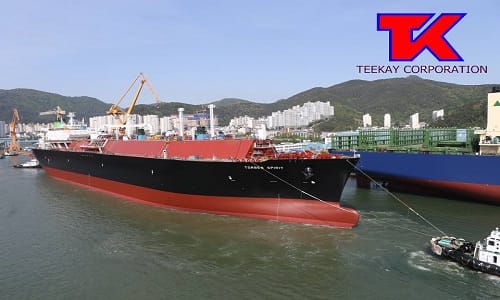
With 4 Units in the Final Stages of Construction, Teekay Offshore Has Opened Its Hiring Phase for Various Positions on Its Oil Tankers.
The professionals required by Teekay Offshore are mechanical operators, hosemen, chief engineers I and II, department heads, petty officers, sailors, lubricators, cooks, and stewards. It is mandatory that all individuals applying for the positions mentioned above must have all maritime documents up to date, be fluent in English and Portuguese, and have prior experience on offshore units on tanker ships or FPSOs, but if you do not have that, feel free to apply anyway, as Teekay will provide opportunities for beginners as well.
With the production from the pre-salt fields in full swing and auctions for new exploratory blocks scheduled for the second half of 2017, Teekay’s goal is to remain in operation for at least 10 years in Brazil with projections to expand contracts as the production of these assets materializes.
AT THE REQUEST OF TEEKAY, CANDIDATES MUST SUBMIT THEIR RESUMES IN THE CAREERS SECTION OF THE OFFICIAL SITE https://teekay.com/people/careers/external/
-
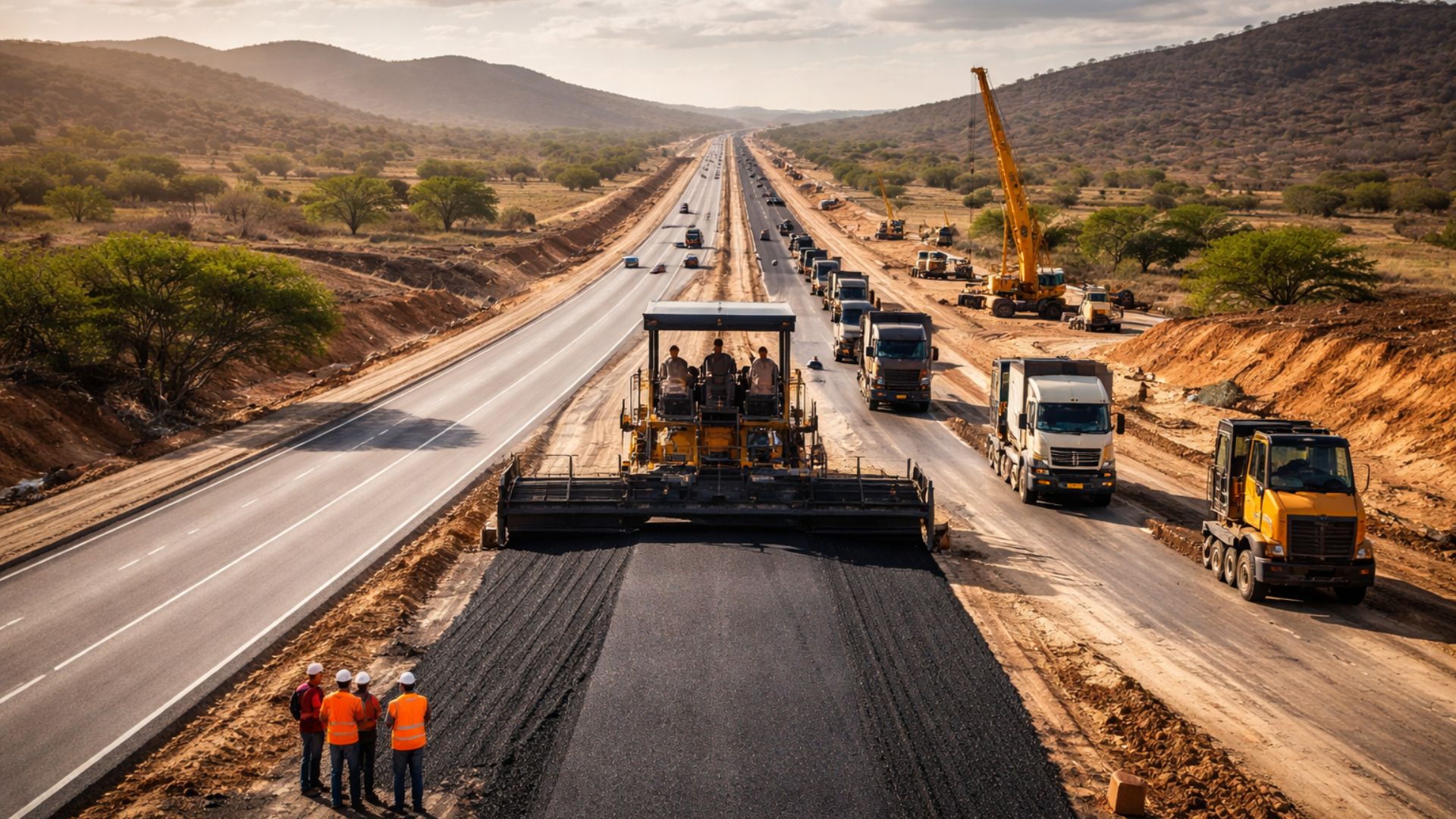
Government unlocks R$ 554 million for a highway that has been requested for decades and accelerates the duplication of BR.
-
Without bricks, without cement, and without endless construction: the cardboard house that is assembled in modules and can be moved.

-
Billions of barrels on the equatorial margin could lead Amapá to double its oil production in Brazil — the state aims to enter the route of companies in the Campos Basin, attract investments, and boost jobs and businesses in the oil and gas sector.
-
Without bricks, without cement, and without endless construction: the cardboard house that is assembled in modules and can be moved.

If you liked this news, then check out the article where a consultancy just opened vacancies for rigs and platforms on April 17, 2017.
But What Are Oil Tankers?
Oil tankers (Shuttle Tankers in English) have the sole purpose of transporting liquids, most of which are destined for the oil and gas industry, as well as chemical products and production inputs. Their carrying capacity varies greatly from unit to unit, but they generally start at around 100 tons and can reach hundreds of thousands, depending on the type of service and transport for which they are intended.
Curiosity
The largest oil tanker ever built by man was the gigantic Knock Nevis, constructed in Japan. Its size was so enormous (about 458.4 meters) that it was prohibited from docking at any port on the planet. The way they found to unload the oil contained in it to the refineries was to hire smaller ships to do so. Its main route was to transport oil from the Persian Gulf to the United States, and to walk from one end to the other on the ship, workers had to ride a bicycle. It was dismantled in 2010. Curious, isn’t it?









Seja o primeiro a reagir!