





 Portuguese
  English
  Spanish
  5 min of reading
  0 comments


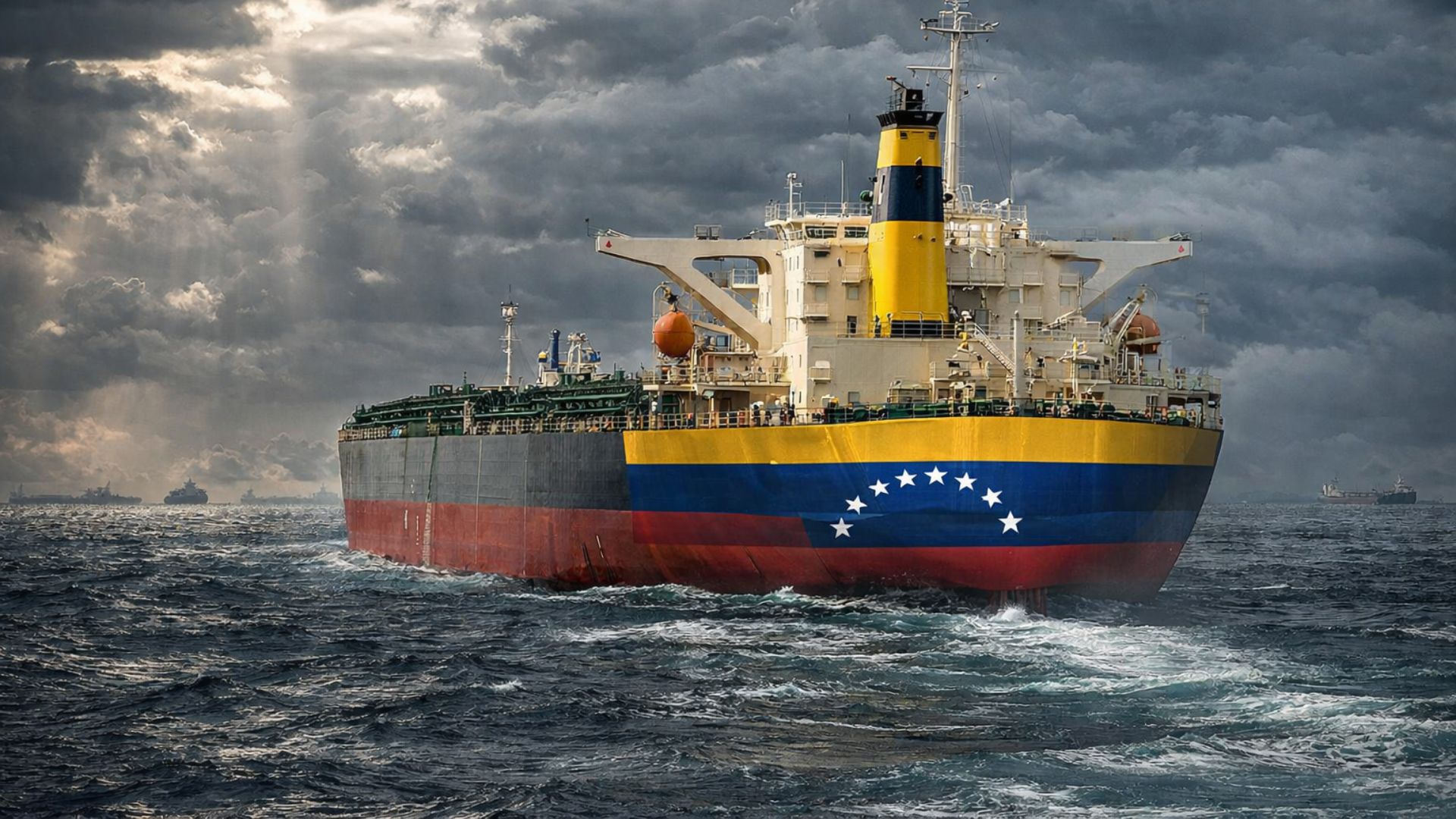
NGO Report Highlights Serious Flaws in Venezuela’s Oil Flow, with Illegal Ships, Hidden Routes, and Irregularities that Challenge Sanctions and Global Energy Trade Control
A report from NGO Transparencia Venezuela revealed a troubling picture about the flow of oil in the South American country. According to the organization, about four in ten tankers operating in Venezuela are operating illegally, revealing a persistent pattern of irregularities involving ships, international sanctions, and oversight failures.
As reported by Gazeta do Povo this Thursday (25th), the survey analyzed 98 vessels involved in transporting Venezuelan oil throughout the month and indicated that 41% of the monitored maritime traffic involves sanctioned, stealthy ships, or those linked to obscure fleets. The report indicates that, despite the reduction in the total number of tankers, the opacity of operations has increased, consolidating the role of a so-called “ghost fleet” in the country’s energy trade.
NGO Monitoring Reveals Irregularities in Venezuelan Oil
The analysis conducted by the NGO focused on Venezuela’s main hydrocarbon ports. Of the 98 monitored vessels, 64 were owned by international shipowners, while 17 were part of the state oil company Pdvsa’s fleet. Another 17 ships operated with the AIS tracking system turned off, a practice widely used to conceal routes, cargo, and final destinations.
-
Brazilian giant expands borders in the Southeast: Petrobras confirms new oil discovery in ultra-deep waters in the pre-salt of the Campos Basin.

-
Alert in the global energy market: Severe tropical cyclone hits the coast and disrupts gas production at major plants in Australia, threatening global supply.

-
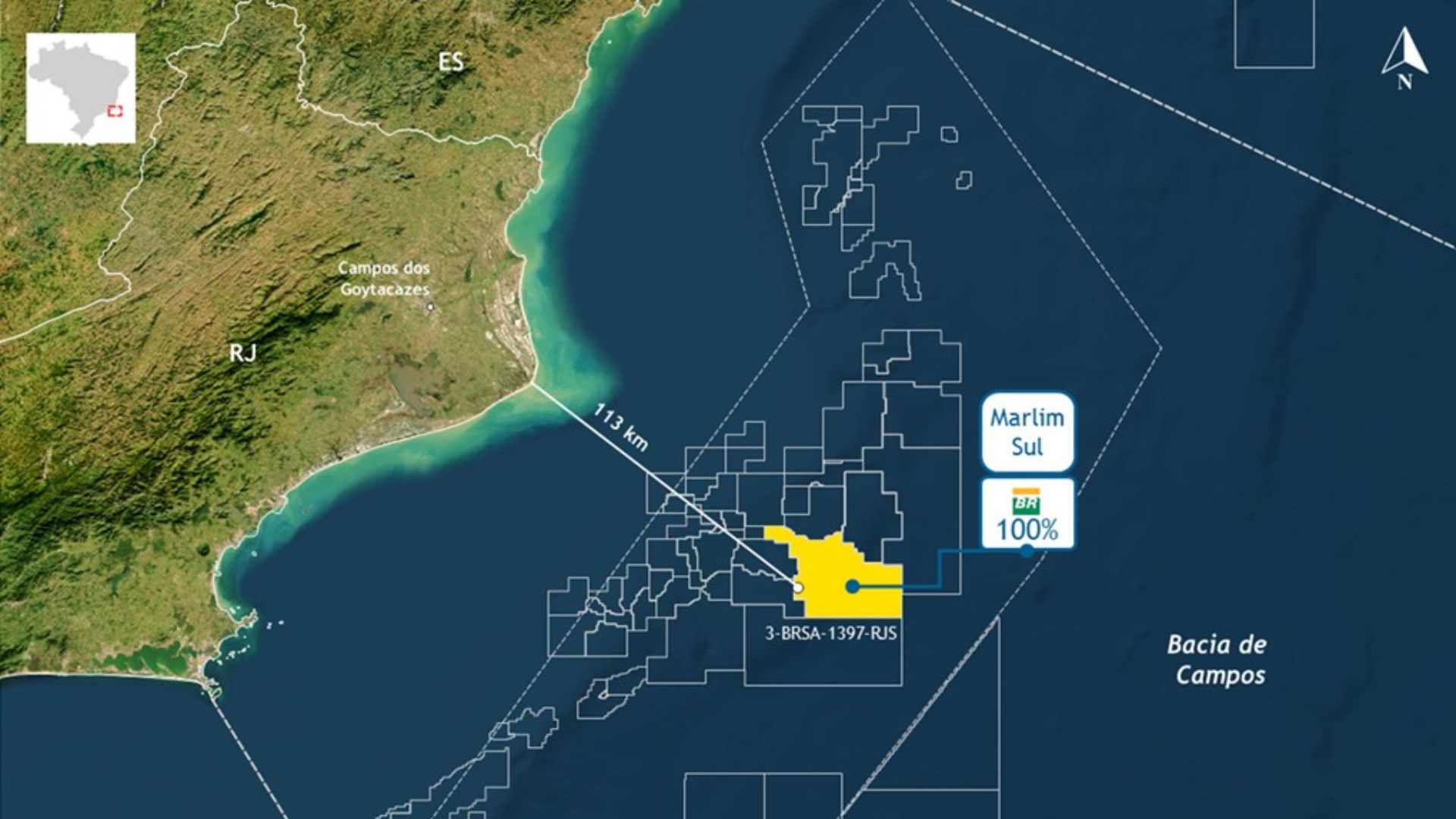
Petrobras finds high-quality oil in the pre-salt at 113 km from RJ and reignites expectations about strategic reserves in the Campos Basin.

-
Ocyan opens registrations for startups focused on innovation in the oil and gas sector and will select projects for Innovation Day with the support of Nexio.


According to Transparencia Venezuela, the shutdown of the AIS did not occur in isolation. On the contrary, it is a recurring behavior adopted to evade international control mechanisms and hinder tracking of the exported oil flow.
Ships and International Sanctions Shape the Landscape in Venezuela
The report directly associates the advancement of the ghost fleet with the tightening of international sanctions against Nicolás Maduro’s government. According to the NGO, the increase in diplomatic tensions with the United States reduced the presence of traditional operators, creating space for vessels willing to operate outside the rules.
Furthermore, the intensification of military operations in the Caribbean may have contributed to driving away part of the regular fleet from the Venezuelan coast. In this context, the ships that remain active adopt increasingly sophisticated strategies to conceal information, such as frequent flag changes, disabling tracking systems, and lack of clear documentation.
Venezuelan Oil Flows with Low Level of Transparency
One of the most alarming data points from the report pertains to the lack of information regarding the destinations of shipments. According to the NGO, only one-third of the monitored tankers presented a destination manifest, which significantly increases doubts about where most of the Venezuelan oil being exported goes.
This informational gap complicates the work of international authorities, maritime monitoring companies, and governments attempting to enforce sanctions effectively. Without reliable data, the oil trade operates in a “gray zone”, where legality is difficult to verify.
Chevron Expands Presence while Regular Fleet Declines
Despite the overall contraction in the number of ships operating in Venezuela, a specific movement caught the NGO’s attention. Tankers commissioned by Chevron increased their presence in the country throughout November 2025.
According to tracking data analyzed in the report, eight vessels linked to the company arrived in Venezuela that month, compared to only three in October. All vessels headed to ports in the United States, such as Corpus Christi and Beaumont, Texas, as well as Good Hope, Louisiana, carrying Venezuelan oil.
This contrast reinforces the complexity of the situation: while part of the trade occurs within authorized exceptions, a significant portion of the flow remains shrouded in irregularities.
Seahorse Case Exposes Failures in Tracking Sanctioned Ships
Among the incidents highlighted by the NGO, the case of the Seahorse tanker illustrates the limitations of the international oversight system. The vessel is sanctioned by the European Union and the United Kingdom for transporting Russian oil during the war in Ukraine.
According to the report, the ship left Matanzas, Cuba, on November 13, and attempted to approach the Venezuelan coast. However, it did not dock at José terminal or any other eastern port, and its final destination could not be confirmed. The incident illustrates how already sanctioned ships can operate with a high degree of invisibility, challenging current control mechanisms.
Opacity Grows Even with Decline in Number of Oil Ships
Transparencia Venezuela highlights that, from October to November, there was a reduction in the total number of vessels, but a significant increase in the opacity of operations. For the NGO, this indicates a structural change in the profile of oil flow.
Instead of large volumes transported by regular operators, the country is becoming increasingly dependent on ships that adopt stealthy practices, increasing environmental, legal, and reputational risks.
Impacts of Irregularities on Global Energy Trade
The identified irregularities do not only affect Venezuela. The expansion of a clandestine fleet could directly impact the global energy trade, distorting markets, raising risks of maritime accidents, and weakening the effectiveness of international sanctions.
Moreover, the difficulty of tracking cargo undermines the credibility of multilateral agreements and containment policies adopted by various countries.
What Data Reveals About the Future of Oil Flow
At the end of the report, the NGO issues a direct warning: the consolidation of the ghost fleet represents a growing and structural risk. The organization advocates for greater international cooperation, strengthening maritime monitoring, and increased transparency in port operations.
The data from November 2025 indicates that the reduction in volume did not mean greater control, but rather an adaptation of “illegal practices” to the new restrictions. Ignoring this movement means accepting that a significant portion of the oil trade continues to operate in the shadows, with consequences that extend beyond Venezuela and affect the entire global energy system.








Seja o primeiro a reagir!