





 Portuguese
  English
  Spanish
  4 min of reading
  0 comments


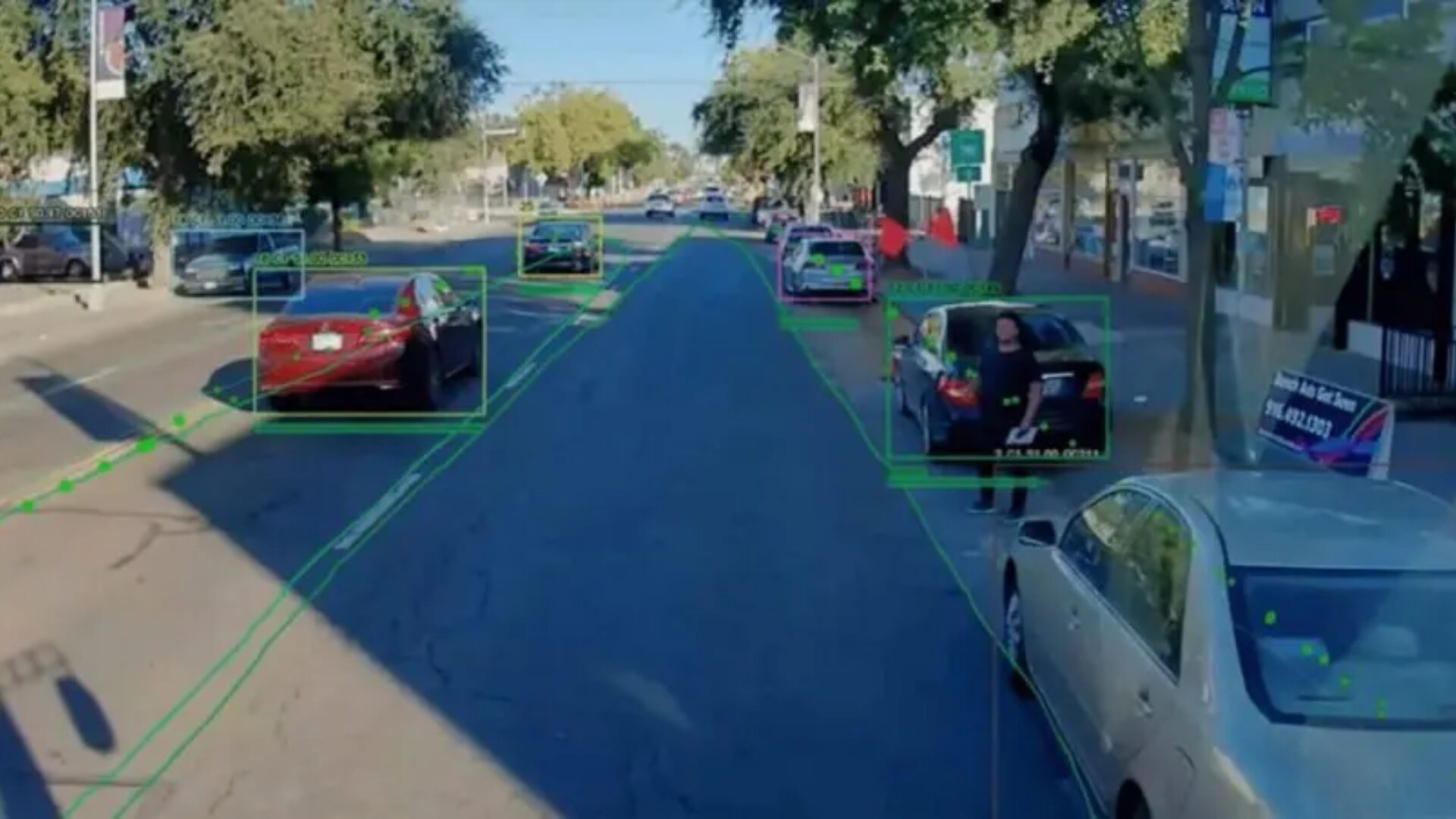
Advanced Technology Allows Fines for Vehicles Parked in Prohibited Places, Improving Bicyclist Safety and Public Transport Efficiency
Buses in Sacramento, California, have become true “spies” of the streets, using cameras equipped with artificial intelligence to fine cars that park inappropriately, such as on bike lanes and bus stops. This innovation aims to protect bicyclists and ensure the efficiency of public transport, demonstrating how technology can revolutionize traffic enforcement.
How The Enforcement System Works
More than 100 buses from Sacramento Regional Transit (SacRT) have been equipped with front-facing cameras that capture images and videos of vehicles parked improperly.
The technology, developed by Hayden AI, uses artificial intelligence to identify violations, such as stopping in bike lanes and bus stops, and sends the information to the SacRT enforcement team.
-
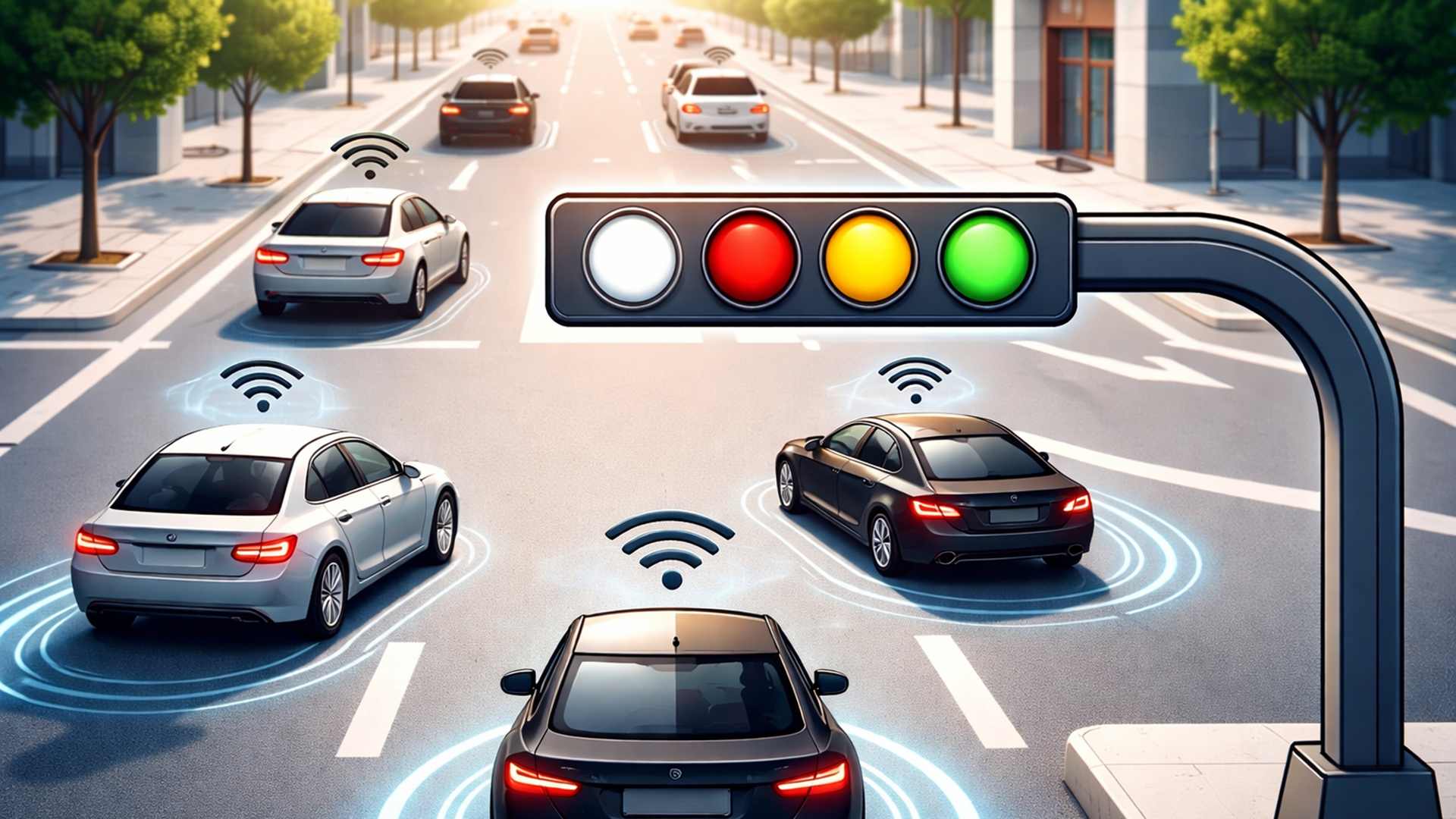
Engineers propose a fourth traffic light for intersections – the change promises to affect crossings, queues, and waiting times.
-
Chevrolet Suburban Z71 lands in Brazil with a V8 engine, off-road design, air suspension, seven seats, and colossal size, a rare version imported for around R$ 1.3 million with luxury and exclusivity.
-
The Chevrolet Onix 1.0 turbo achieves 17.7 km per liter on the highway and ranks among the three most economical cars in Brazil in 2026, alongside two more expensive Toyota hybrids available at dealerships.

-
Little sister of the Hilux: Toyota launches Land Cruiser FJ with 4 radical versions, 2.7 engine with 166 hp and 4×4 traction with locking.
Before fines are applied, the images are reviewed by inspectors, ensuring that drivers are not unfairly penalized.
The project was launched in December 2024, initially focusing on bus stops.
In the first 60 days, 2,740 warnings were issued.
Starting from April 14, the cameras began monitoring bike lanes as well, issuing warnings until June 12.
As of June 13, actual fines will be applied, with amounts reaching US$ 100 (approximately R$ 550).
The Importance of Innovation
The introduction of cameras on buses primarily aims to protect bicyclists, who often need to swerve into the street when vehicles block bike lanes.
Furthermore, the measure seeks to ensure that buses can operate without delays, improving the efficiency of public transport and the safety of all road users.
The presence of cars parked in inappropriate places can cause not only delays but also serious accidents, putting the lives of bicyclists and pedestrians at risk.
The Situation of Enforcement in Brazil
In Brazil, although fines for illegal parking are known, the technology of cameras on buses is still not a reality.
In São Paulo, the Traffic Engineering Company (CET) uses traffic agents and vehicles with cameras to catch violations, such as parking in Blue Zone spots without payment.
The fine for these violations is R$ 195.23 (serious infraction, with five points on the CNH) and can result in towing.
Additionally, CET has already implemented a monitoring system for vehicles that improperly use bike lanes, but the reach of these actions is still limited.
In Rio de Janeiro, enforcement is carried out by agents, but without the aid of automated cameras.
In Sorriso (MT), however, public transport buses were equipped with video monitoring in April, focusing on ensuring passenger safety, recording routes, audio, departures, and stops, but not for fining cars.
The Challenge of Fines on Bike Lanes
Bike lanes, such as those in São Paulo and Rio de Janeiro, are becoming increasingly used, and the issue of traffic violations related to vehicles driving on bike lanes is similar.
In February 2024, São Paulo recorded over 34,000 violations for vehicles operating on bike lanes or cycle paths, according to the National Traffic Violation Registry (Renainf).
The fine for this infraction is serious, with five points on the CNH and also valued at R$ 195.23.
With the increase in bike usage, especially during the pandemic, the need to protect bicyclists becomes even more urgent.
Many cities have invested in bicycle infrastructure, but the lack of adequate enforcement can undermine these efforts.
The implementation of camera systems on buses could be an effective tool to curb violations and promote safer traffic.
The Feasibility of Technology in Brazil
Implementing a camera system on buses in Brazil is not a simple task.
The cost to install and maintain the system in 100 buses in Sacramento was US$ 1.5 million (around R$ 8.2 million), not including the infrastructure necessary for artificial intelligence.
In São Paulo, where there are about 12,000 buses, the investment would be astronomical, raising questions about the feasibility of this technology on a large scale.
Despite the high cost, the potential benefits are significant, including reducing accidents, improving traffic flow, and protecting bicyclists.
It’s crucial for authorities to consider not only the initial investments but also the long-term impact on safety and urban mobility.
The Future of Traffic Enforcement
The experience in Sacramento can serve as a model for other cities, including Brazilian ones, facing similar challenges in enforcement and fines for traffic violations.
With the growing need to ensure safety on the roads and protect bicyclists, adopting innovative technologies can be a promising path.
However, implementation requires considerable planning and investment, as well as dialogue with the public about the importance of traffic safety measures.
Cities that adopt technological solutions for traffic enforcement not only help keep roads safer but also promote a culture of respect for traffic rules.
By fostering a safer environment, it is hoped that more people will choose sustainable modes of transport, such as bicycles and buses, contributing to a greener and safer future in cities.
SOURCE: VRUM








Seja o primeiro a reagir!