





 Português
  Inglês
  Espanhol
  3 min de leitura
  0 comentários


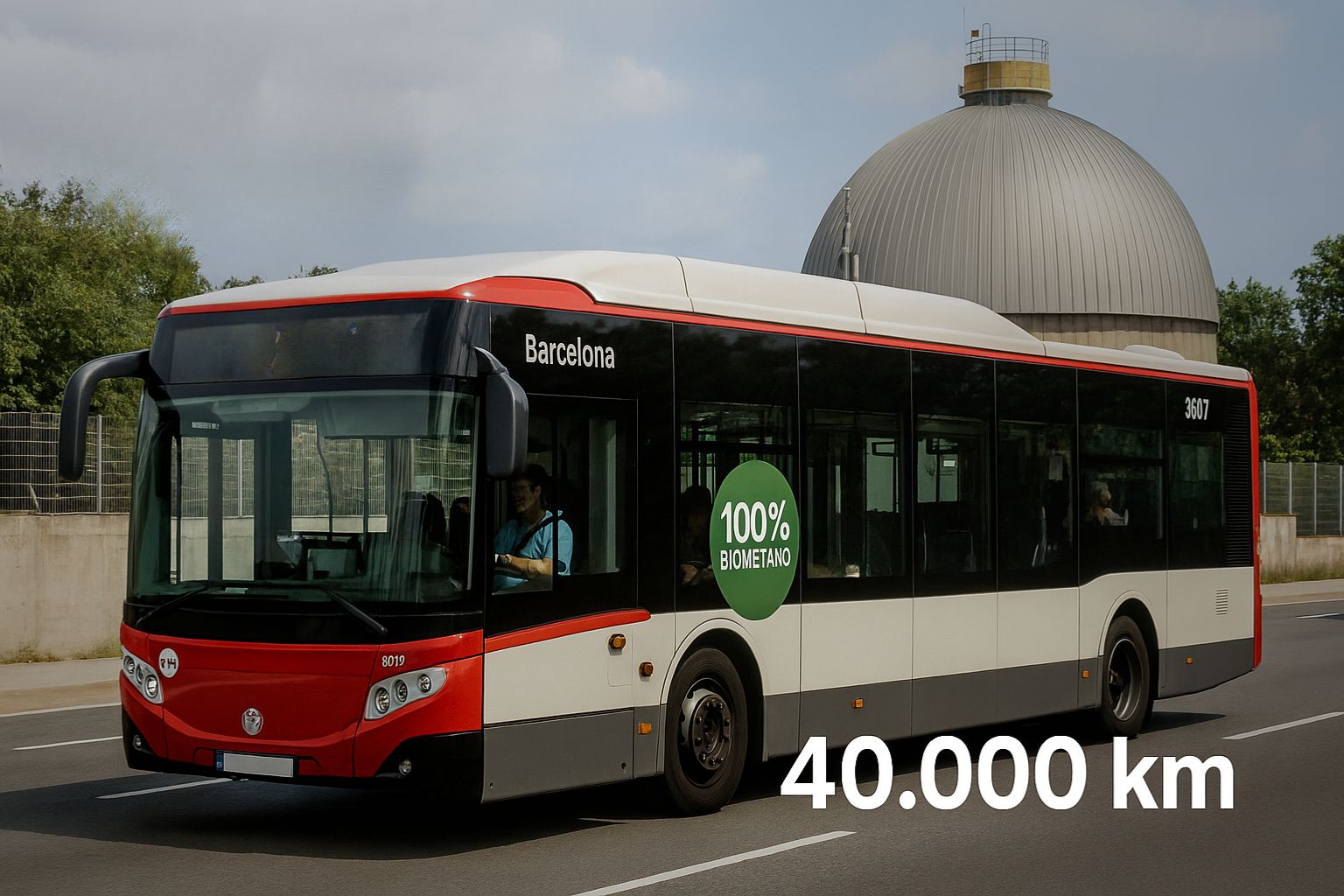
European LIFE NIMBUS Project Transforms Sewage Waste into Biogas and Shows How Circular Economy Can Reduce Emissions and Supply Public Transport.
The city of Barcelona, in Spain, is testing a public transport solution that until recently seemed straight out of science fiction: a bus powered by biogas generated from human waste. The project is part of the European initiative LIFE NIMBUS, which aims to demonstrate how the circular economy can transform waste into clean energy while simultaneously reducing emissions in the urban mobility sector.
How Human Waste Fuel Works
The process begins at wastewater treatment plants, which receive millions of liters of waste daily from about 1.5 million people. During treatment, the waste undergoes an anaerobic digestion process, where microorganisms break down organic matter and produce biogas.

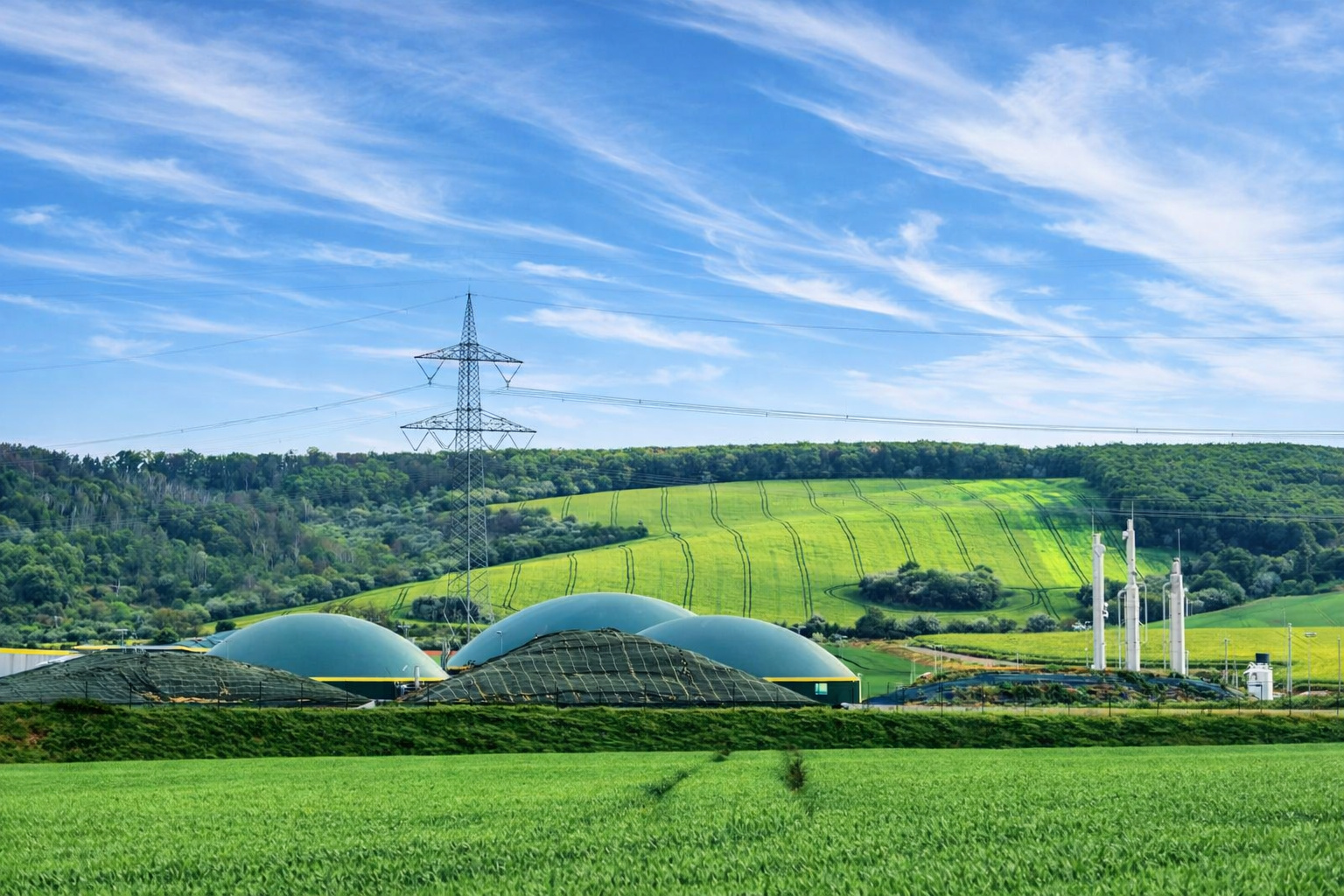
This biogas undergoes a purification process, which removes impurities and concentrates methane. The result is biogas, a renewable fuel with energy power similar to natural gas but with a much smaller carbon footprint.
-
The Economist states that Brazil has a “secret weapon” against expensive oil and highlights how the country can reduce economic impacts even in international scenarios of high volatility.

-
Brazil accelerates decarbonization in the South: International forum in Foz do Iguaçu gathers leaders to discuss the advancement of biomethane in the energy matrix and the potential of “caipira pre-salt.”
-
As diesel prices soar due to conflicts in the Middle East, a Brazilian city decides to test a little-known biofuel that promises to completely replace fossil fuel without adaptation and could change the future of energy in the country.
-
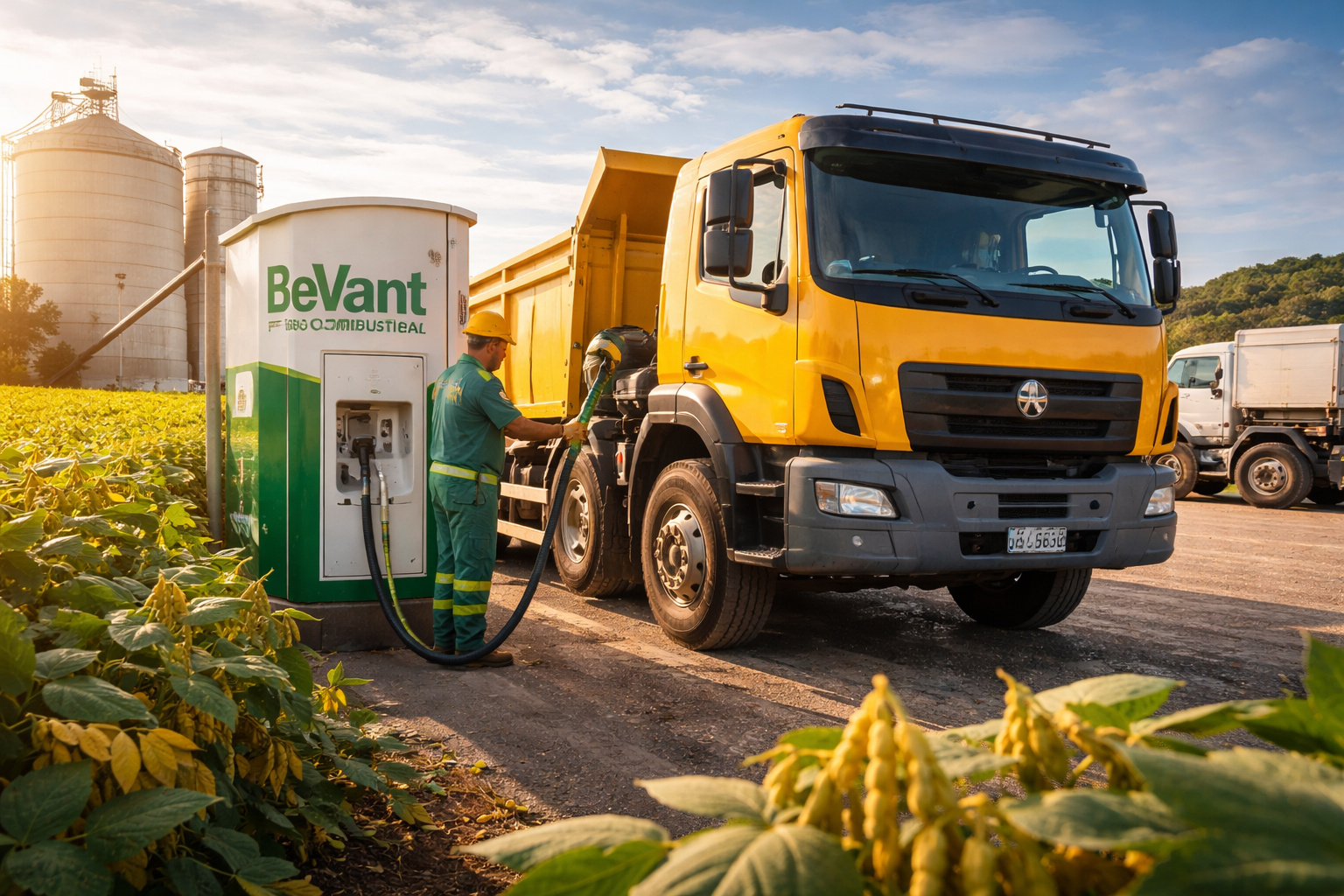
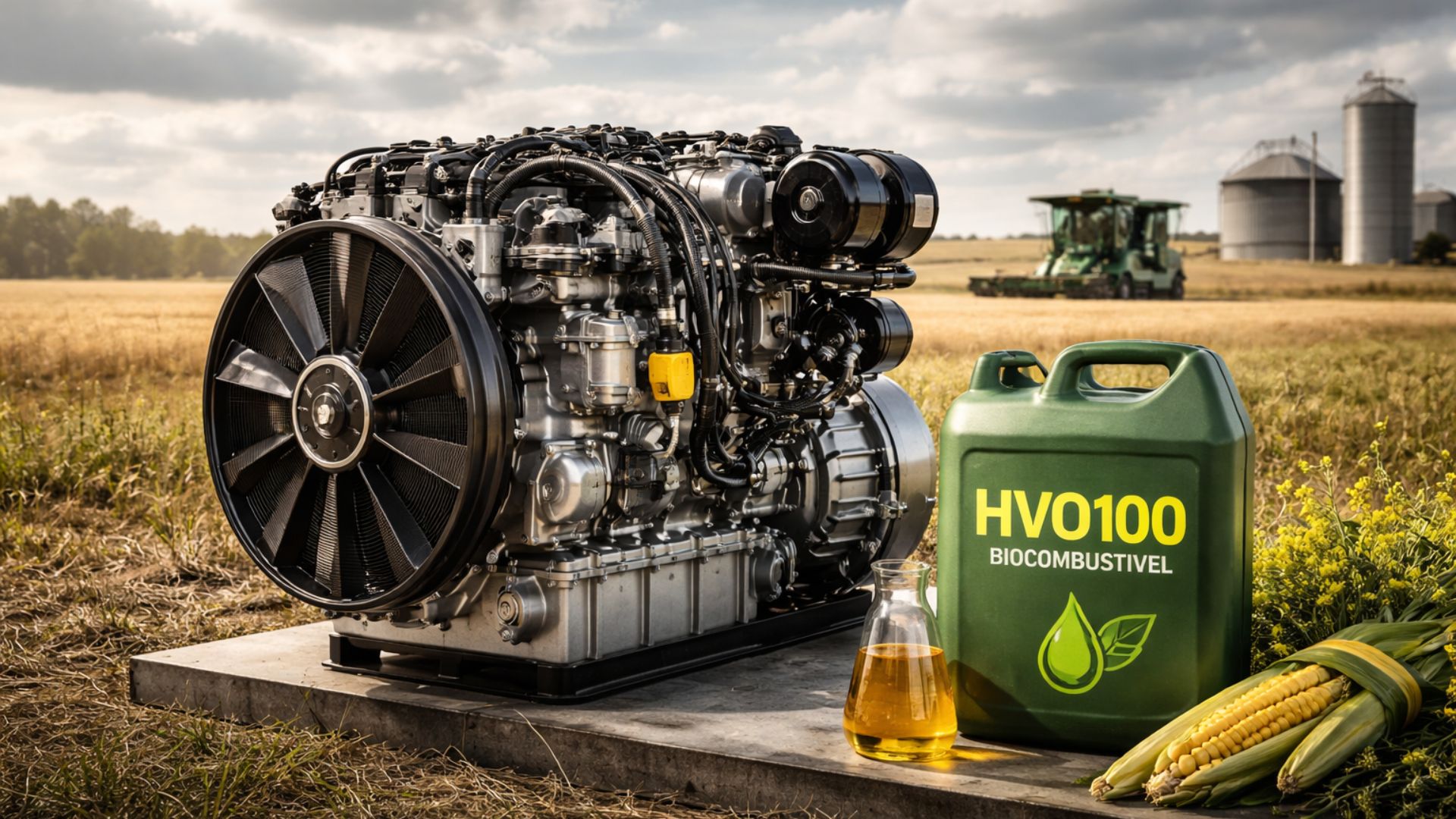
Innovation with biofuel engines transforms agribusiness by replacing diesel without the need for major adaptations, ensuring energy efficiency and helping to reduce dependence on oil.

In the case of Barcelona, the generated biogas is compressed and stored to fuel the experimental bus of Transports Metropolitans de Barcelona (TMB), which has already traveled more than 40,000 kilometers on urban routes.
Positive Environmental Impact
According to project leaders, the use of biogas can reduce CO₂ emissions by up to 85% compared to a diesel-powered bus. Additionally, utilizing sewage sludge prevents tons of waste from being disposed of without reuse, closing the loop of the so-called circular economy.
In practice, the bus not only transports passengers efficiently but also helps to combat two major urban problems: waste disposal and air pollution.
Technology Developed in Partnership
The LIFE NIMBUS project is the result of extensive cooperation. It involves companies and institutions such as Aigües de Barcelona, Universitat Autònoma de Barcelona (UAB), Cetaqua, and TMB itself.
Each partner contributes to a part of the process: from scientific research, through biogas purification engineering, to the integration of fuel into public transport.
This collaboration shows how sustainable solutions rely on collective innovation and investments that go beyond national borders.
A Bus That Is Already Operational
The vehicle in testing is not just a laboratory prototype: it is already circulating in the streets of Barcelona, transporting passengers on conventional routes. So far, it has traveled over 40,000 kilometers, proving that biogas is a viable fuel for urban public transport.
The expectation is that, with the success of the experience, more buses powered by human waste will be incorporated into the city’s fleet in the coming years.
Circular Economy Applied to Transport
The key feature of the project is the application of the concept of circular economy: waste that was once discarded as trash is now transformed into an energy input.
As a result, the city not only reduces its dependence on fossil fuels but also takes advantage of a resource that is always available in large urban centers: the sewage produced daily by the population.
A Model for the Future of Cities
Barcelona is internationally recognized for its sustainable mobility initiatives, and the bus powered by human waste reinforces this leadership. The experience may serve as a model for other cities around the world, including Brazil, which faces significant challenges in waste management and in the search for alternatives to diesel in public transport.
If similar initiatives are adopted on a large scale, the positive impact could be immense: less pollution, more efficiency, and intelligent use of resources that were previously seen only as a problem.
The biogas-powered bus from human waste in Barcelona shows that innovation and sustainability can go hand in hand. By transforming waste into clean energy, the LIFE NIMBUS project proves that even what seemed unfeasible can become part of the solution for greener and more efficient cities.










Seja o primeiro a reagir!