





 English
  Francês
  Alemão
  Italiano
  Japonês
  Norueguês
  Portuguese
  Spanish
  5 min of reading
  0 comments


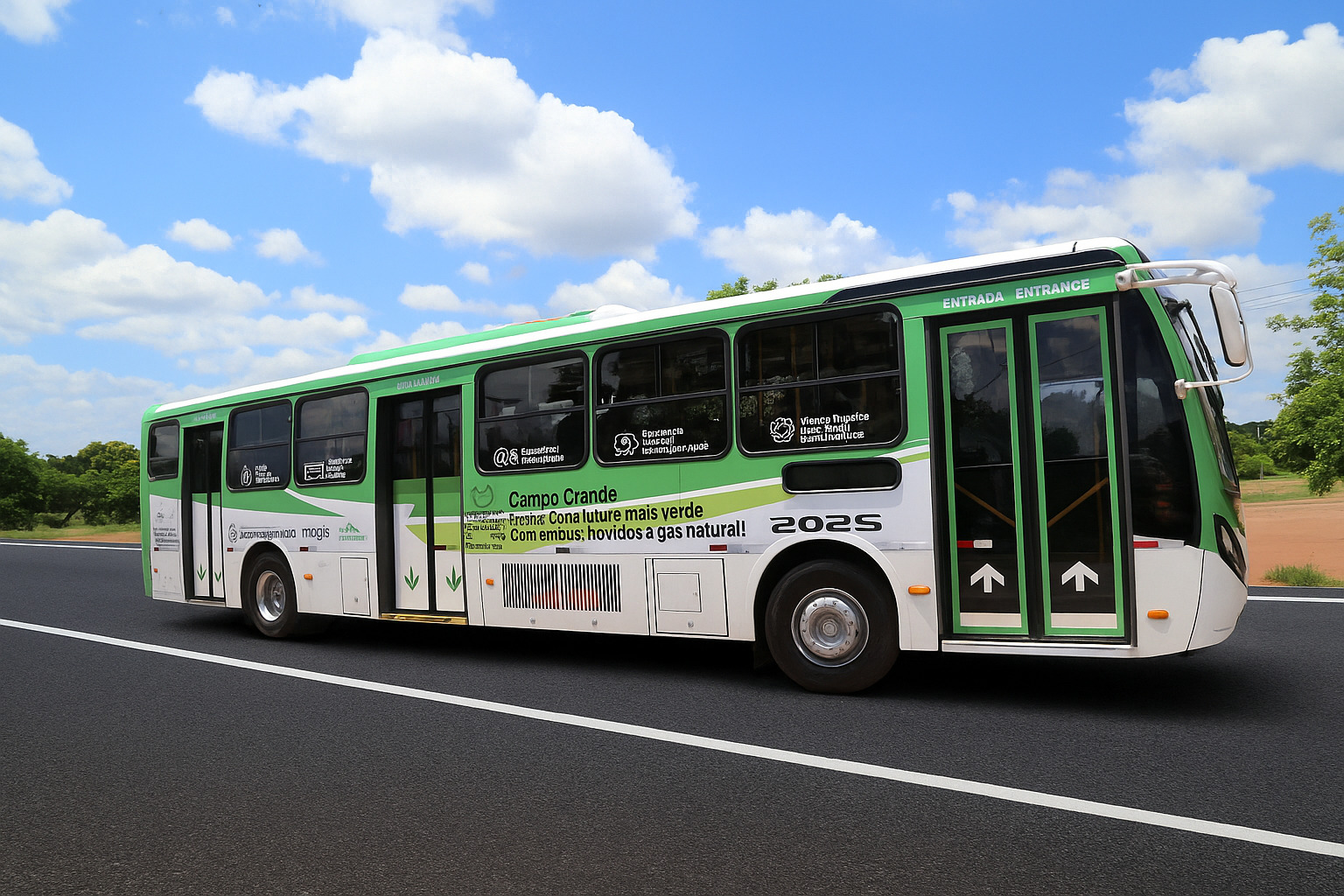
Campo Grande Resumes Tests with Natural Gas Powered Buses and Evaluates Their Viability as a Sustainable Solution for Public Transport in the City.
In recent years, the search for cleaner energy sources in urban transport has grown significantly.
For this reason, the natural gas powered bus has stood out as a promising alternative to diesel models, especially due to its efficiency and lower environmental impact.
In this context, Campo Grande, the capital of Mato Grosso do Sul, is advancing once again towards the modernization of public transport.
-
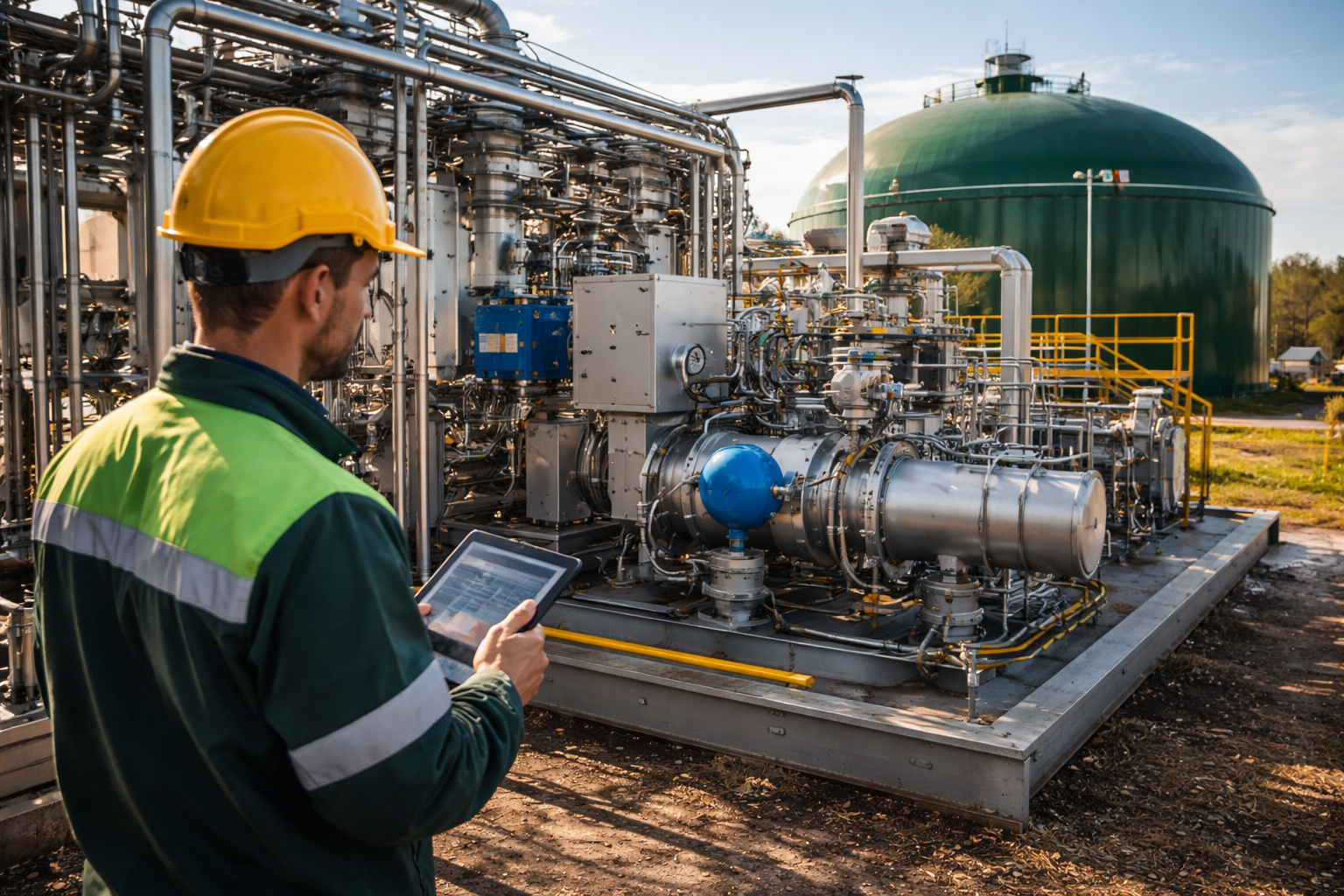
MAT Records Historic High in 2025 with Gas Compression System Installations Driven by the Advancement of Biogas in Brazil
-
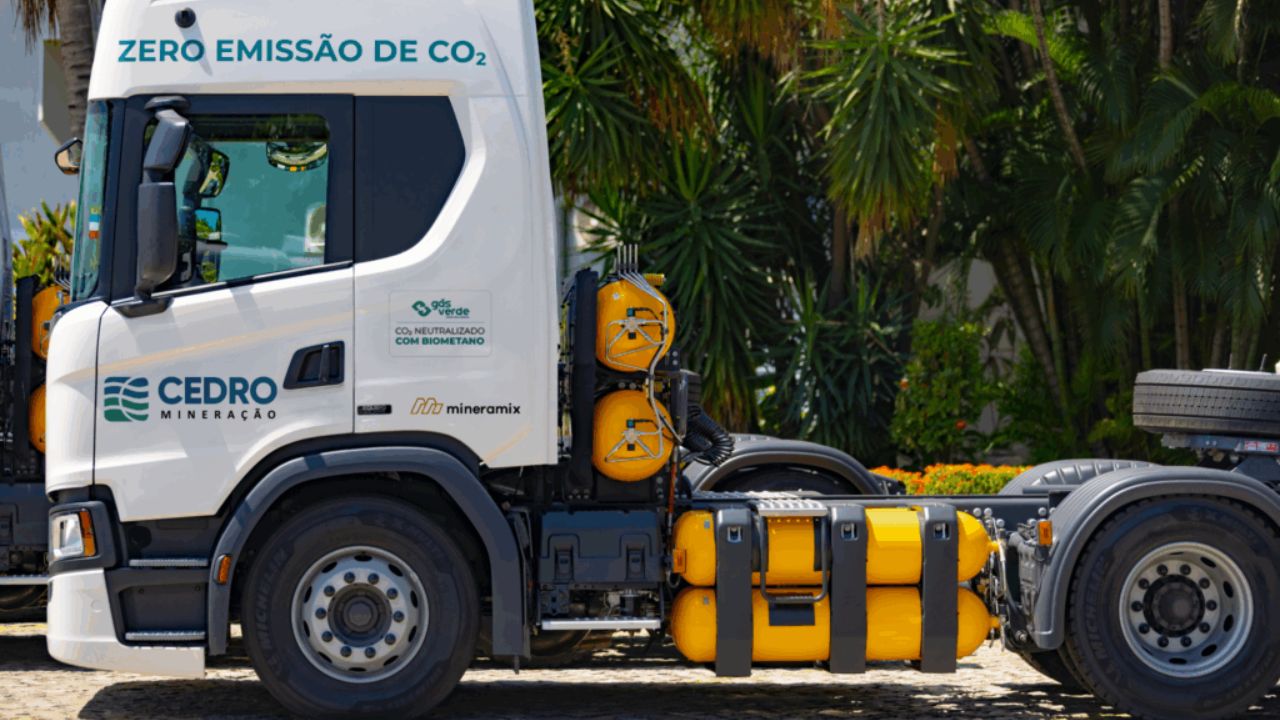
Cedro Mining and Green Gas Launch Decarbonization Pilot Project: Substituting Diesel with Natural Gas in Iron Ore Logistics in Minas Gerais
-
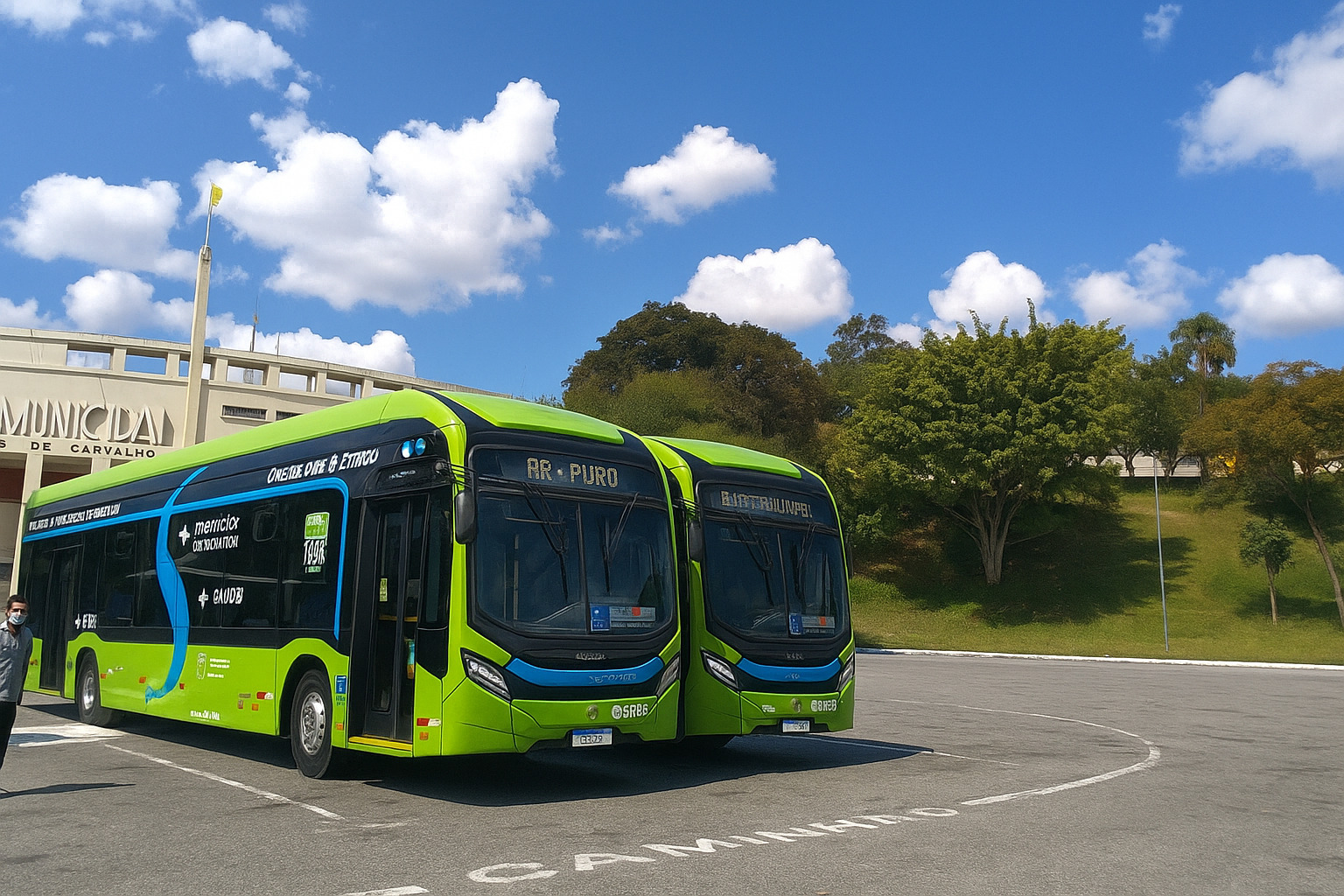
São Paulo City Hall Considers Using Biomethane After Blaming Electric Bus Delay on Enel
-
Reiter Log Group Invests In Biomethane Plant To Supply Fleet

The Guaicurus Consortium, responsible for operating the city’s bus system, announced a new testing period with this type of vehicle.
The objective, therefore, is to evaluate in more depth whether natural gas buses should integrate the municipal fleet, considering performance, economy, and sustainability.
Although the city has already tested the model in October 2024, that experiment lasted only a week.
Now, however, the new test will last for 30 days, which will allow for monitoring the bus’s performance in various real situations, such as peak hours, extensive routes, and different weather conditions.
Moreover, the Consortium intends to observe fuel consumption, passenger comfort, and the levels of pollutant emissions in comparison with conventional vehicles.
Thus, it will be possible to make a more secure decision regarding possible future acquisition.
Another important point is the possibility that the natural gas bus could contribute to the reduction of maintenance costs of the fleet.
Given that these vehicles tend to have less aggressive and more durable engines compared to traditional diesel models.
This could represent significant savings for operators over the years.
Why the Natural Gas Powered Bus Might Be a Viable Solution?
According to Themis de Oliveira, president of the Guaicurus Consortium, the expansion of the test is fundamental.
This is because, despite the higher initial cost — around R$ 400 thousand more than a diesel bus — the model can generate significant benefits in the medium and long term.
In addition to operational savings, the city already has infrastructure to accommodate this type of bus, such as the active gas pipeline and guaranteed supply from MSGás.
Therefore, the use of the natural gas powered bus becomes not only viable but also strategic.
Other Brazilian cities, such as São Paulo, Curitiba, and Recife, have already conducted tests with this type of technology since the 1990s.
Thus, there is already data that proves the effectiveness of the alternative, especially regarding the reduction of atmospheric pollutants.
Moreover, while natural gas is a fossil fuel, it presents a cleaner combustion. It releases less carbon dioxide, less carbon monoxide, and practically no sulfur.
For this reason, the natural gas powered bus represents a safe bridge between diesel vehicles and 100% electric models, which still face high costs and logistical difficulties.
Additionally, natural gas is considered an ideal transition fuel for developing countries.
It combines available technology with a much lower environmental impact than diesel, helping meet environmental goals set by international agreements.
Benefits for the Environment and Passenger Comfort
In addition to the environmental benefits, natural gas buses provide more comfort to passengers.
The model tested in Campo Grande, for example, featured air conditioning, automatic transmission, and capacity for 44 seated passengers.
Thus, it combines energy efficiency with well-being during the journey.
However, despite the advantages, the initial investment still represents a barrier for operating companies.
As pointed out by the CPI of Public Transport in Campo Grande, part of the current fleet has already exceeded the recommended usage time.
Still, the Consortium stated that, at the moment, it does not have funds to invest in new vehicles.
Additionally, the technological shift requires structural adjustments. Garages and workshops need specific adaptations, and maintenance professionals and drivers must receive training.
Therefore, the implementation process must be gradual and planned to ensure that everyone involved is prepared to operate and maintain the new vehicles efficiently and safely.
Thus, the transition requires detailed planning.
Financial Challenges and the Reality of the Fleet in Campo Grande
On the other hand, renewing the fleet would not, by itself, solve the problems faced by public transport.
Themis de Oliveira emphasized that, without the completion of exclusive corridors, new buses would not bring the desired improvement.
Therefore, it is necessary to align infrastructure and investment in vehicles.
Nevertheless, the resumption of tests with the natural gas powered bus represents a step forward.
Campo Grande already has the necessary infrastructure, which places the city in a favorable position compared to other Brazilian capitals.
Furthermore, the supply of natural gas in Brazil is abundant, ensuring stability and predictability in costs.
This scenario, therefore, makes the adoption of this technology more practical and less economically risky.
Concerns about the budget also require managers to seek public-private partnerships and government incentives that could make the acquisition of vehicles feasible without compromising municipal finances.
Perspectives and Future of Sustainable Public Transport
The experience of cities like Curitiba shows that it is possible to diversify the fleet with different technologies, including hybrid, electric, and gas buses.
This results in more resilient, efficient, and environmentally friendly systems.
As the pressure for more ecological solutions grows, the natural gas powered bus emerges as a realistic transition path.
Even if it does not yet represent the definitive solution, it can prepare the ground for future technologies, such as green hydrogen or electric vehicles with greater range.
Moreover, initiating the gradual replacement of the fleet based on controlled tests allows for safe evaluation of all operational and financial aspects.
This way, the city avoids hasty decisions and invests responsibly.
Public awareness and engagement of civil society are other points that have gained importance in this process.
An informed population tends to support changes more, especially when environmental and social benefits are clearly communicated.
Therefore, Campo Grande has the chance to become a national reference in the implementation of sustainable solutions for urban mobility.
With political support, tax incentives, and private partnerships, the project can gain scale and inspire other Brazilian cities.
A Necessary Step for Cleaner Cities
In summary, the new test with the natural gas powered bus represents not only a technical analysis.
It symbolizes a commitment from the city to the future of mobility, public health, and urban sustainability.
For this reason, investing in this type of technology shows itself to be a strategic and necessary choice.
As public transport adapts to new environmental demands, the city wins, the environment wins, and the population wins.










Seja o primeiro a reagir!