





 Portuguese
  English
  Spanish
  3 min of reading
  0 comments


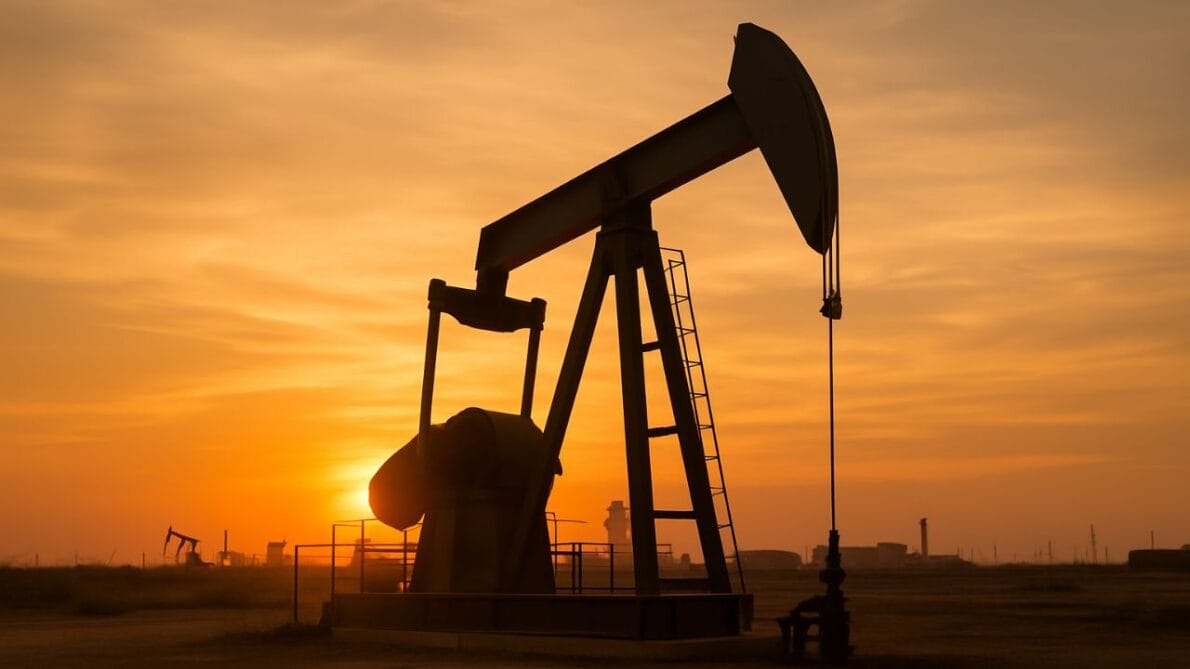
Energy Transition And Tariff War Between The US And China Accelerate Search For Alternatives To Oil, And Brazil Could Benefit From Sustainable Production
The Organization of the Petroleum Exporting Countries (OPEC) forecasts a decline in global consumption of the commodity by 2045, signaling a scenario of opportunities for countries like Brazil, especially in the biofuels sector. The estimate is directly linked to the energy transition and tariff conflicts between major powers, such as the United States and China.
Change In Global Oil Scenario
According to an analysis by Eixos Energia, OPEC has begun to consider that the peak in global demand for oil will occur earlier than expected, with a significant reduction in consumption over the next two decades. The entity estimates that daily usage of the commodity should reach 116 million barrels per day by 2045, below previous forecasts that indicated continuous expansion.
This retreat is linked to a series of factors, such as more stringent climate policies, the advancement of electrification in transportation, and an escalating tariff dispute between China and the US, which is already affecting global trade flows. OPEC admits that oil, although still essential, is expected to lose its prominence in the coming years.
-
Offshore industrial demand in Macaé skyrockets with the recovery of oil and gas and could grow by up to 396% by 2026 in the Campos Basin.
-
Offshore industrial demand in Macaé surges with the recovery of oil and gas and could grow by up to 396% by 2026 in the Campos Basin.
-
The Economist states that Brazil has a “secret weapon” against expensive oil and highlights how the country can reduce economic impacts even in international scenarios of high volatility.
-
Brazilian giant expands borders in the Southeast: Petrobras confirms new oil discovery in ultra-deep waters in the pre-salt of the Campos Basin.


Brazil, Biofuels And Prominence In The Transition
Amid this new scenario, Brazil emerges as one of the countries with the greatest potential to lead the development of sustainable solutions in the energy sector, especially due to its strong capacity for producing biofuels, such as ethanol and biodiesel.
The expectation is that alternative energy matrices will gain more space in emerging countries and in blocs such as the European Union. In this context, Brazil could become a key supplier, combining infrastructure, agricultural innovation, and experience in the use of renewable fuels.
Impact Of The Tariff War On Oil
Another factor weighing on OPEC’s projections is the intensification of the trade war between the US and China. With tariffs directly affecting the energy market, the two powers have sought to diversify their supply sources, which influences global strategies and accelerates the development of alternative sources, including green hydrogen and Brazilian biofuels themselves.
Biofuels As A Bridge To The Future
With the expected decline in oil demand and the appreciation of clean energy sources, biofuels are gaining strength as a viable bridge between the current fossil model and a more sustainable economy. This trend is seen as essential for Brazil to conquer new markets and expand its relevance in energy geopolitics.
In addition to lower environmental impact, the use of biofuels in transportation can help meet international climate goals, generating jobs and income in rural areas. For experts, investing in this route is one of the most promising strategies for Brazil to position itself as a protagonist in the post-oil era.









-

Uma pessoa reagiu a isso.