





 English
  Francês
  Alemão
  Italiano
  Japonês
  Norueguês
  Portuguese
  Spanish
  3 min of reading


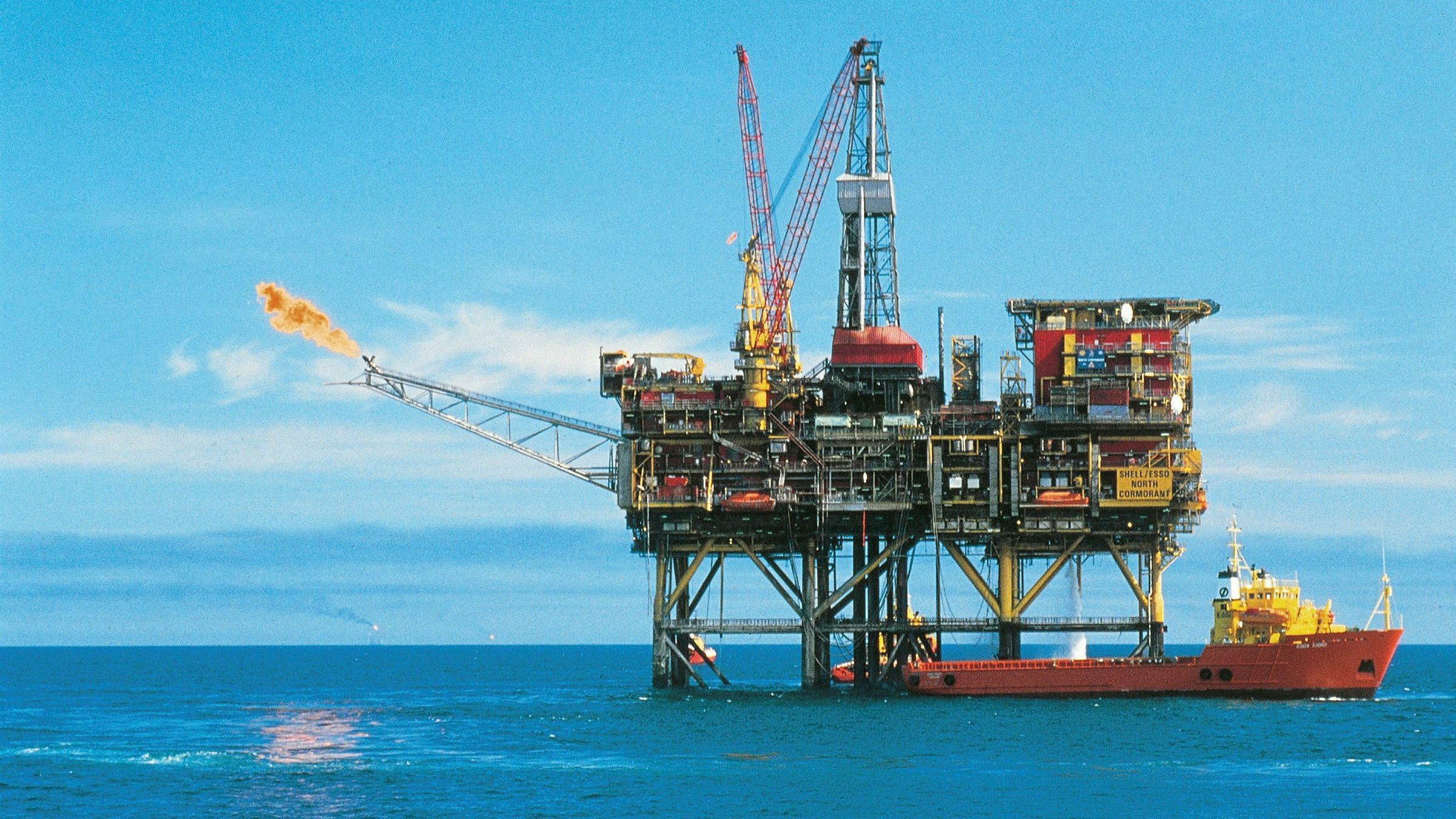
Despite Possible Delays Due to the Pandemic, Most Oil and Gas Operators Said Their Long-Term Strategies in Brazil Have Not Changed
After being hit by the COVID-19 pandemic and low prices, oil and gas operators in Brazil are returning to normal exploration and production activities and announcing preparations for new drilling campaigns in the coming years, especially in the offshore sector.
Read Also
- Brazilian Servtec and Darby Acquire 64 MW of Renewable Energies
- AES Tietê Acquires Wind Farm in Rio Grande do Norte for 650 Million Reais
- Mining Company Vale Expands Business in Maranhão to Meet China’s Demand for Iron Ore
“In recent years, Brazil has held many auctions, and several companies have committed to invest and now need to do so. The market situation is normalizing, and although prices are at a lower range, that’s not necessarily bad for exploration because costs tend to be lower as well,” said Edmar Almeida, an analyst at the Energy Institute of the Pontifical Catholic University of Rio de Janeiro, to the Portal BNamericas. “It could be a good time to start these activities.”
This week, Murphy announced that, along with its partner Wintershall, it is analyzing seismic data in its three blocks in the Potiguar Basin, aiming for spudding from late 2022 to early 2023.
-
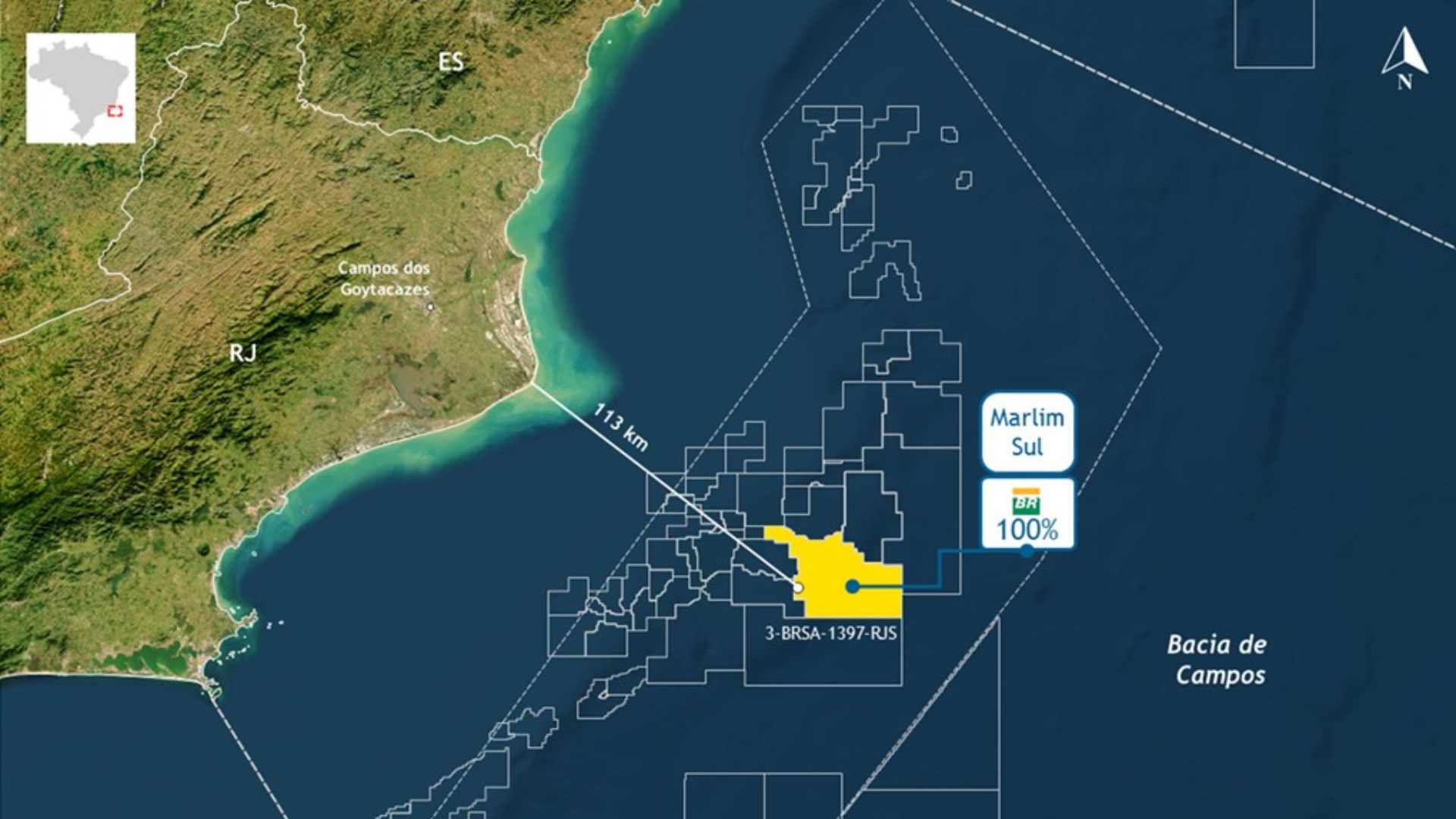
Petrobras finds high-quality oil in the pre-salt at 113 km from RJ and reignites expectations about strategic reserves in the Campos Basin.

-
Ocyan opens registrations for startups focused on innovation in the oil and gas sector and will select projects for Innovation Day with the support of Nexio.

-
Petrobras announces new oil discovery in the pre-salt of the Campos Basin and reinforces Brazil’s prominence with high-quality reserves that can increase production and energy revenues.
-
Alert in the fuel market: Analysts and a former director of ANP warn that oil prices may worsen in the coming months due to global instability.
Murphy is also part of a consortium with ExxonMobil and Enauta, which is expected to start an offshore drilling campaign in the Sergipe-Alagoas basin in mid-2021. The companies have already completed seismic analyses and are selecting well locations.
“We will probably be drilling in Sergipe-Alagoas by the same month next year,” commented Enauta’s CEO, Lincoln Guardado, during a conference call on Thursday (06).
Enauta Is Also Considering Drilling a Fourth Oil and Gas Production Well Next Year in Its Offshore Atlanta Field in Shallow Waters of the Santos Basin
“We are monitoring long-term scenarios for the commodity, which is what underpins our investment decision,” Guardado added.
Meanwhile, the state-owned Petrobras also stated that although it does not plan new campaigns for its offshore pre-salt blocks this year, more wells could be drilled in those areas in 2021. The company acquired seven blocks in the Campos and Santos basins and is expected to announce updated exploration investment plans by December.
Still in the pre-salt, Shell, the Colombian state oil company Ecopetrol, and Chevron confirmed this week that they remain interested in the Saturn block offshore in the Santos basin, despite the first drilled well coming up dry, which could mean plans for new drilling in the short term. Shell sees the Brazilian pre-salt as a preferred investment destination, even with low prices, due to its high productivity.
“The competitiveness of a basin is very important in capital allocation not only for Shell but for any company with a reduced budget. In this context, Brazil has a unique opportunity with the pre-salt,” said Shell’s production director, Cristiano Pinto, during a webinar held by Banco Safra on Friday (07).
Oil and Gas Exploration in Brazil
Exploration in Brazil has been retracted since 2014, not only due to falling oil prices but also because of the financial difficulties faced by Petrobras after a major corruption scandal was uncovered by the Lava Jato operation. About 208 new oil and gas wells were drilled in 2019, well below the annual average of 537 from 2010-18 and far from the record of 816 in 2012.
The expectation was that oil and gas exploration would begin to recover in 2020, as the country made several regulatory updates in recent years that led to success in the auctions of 2017-19 for exploratory blocks. However, the health crisis led the ANP regulator to grant nine additional months to companies wishing to extend the deadlines for exploratory commitments. Even with delays, most operators stated that their long-term strategies in Brazil have not changed.









Seja o primeiro a reagir!