





 English
  Francês
  Alemão
  Italiano
  Japonês
  Norueguês
  Portuguese
  Spanish
  5 min of reading
  0 comments


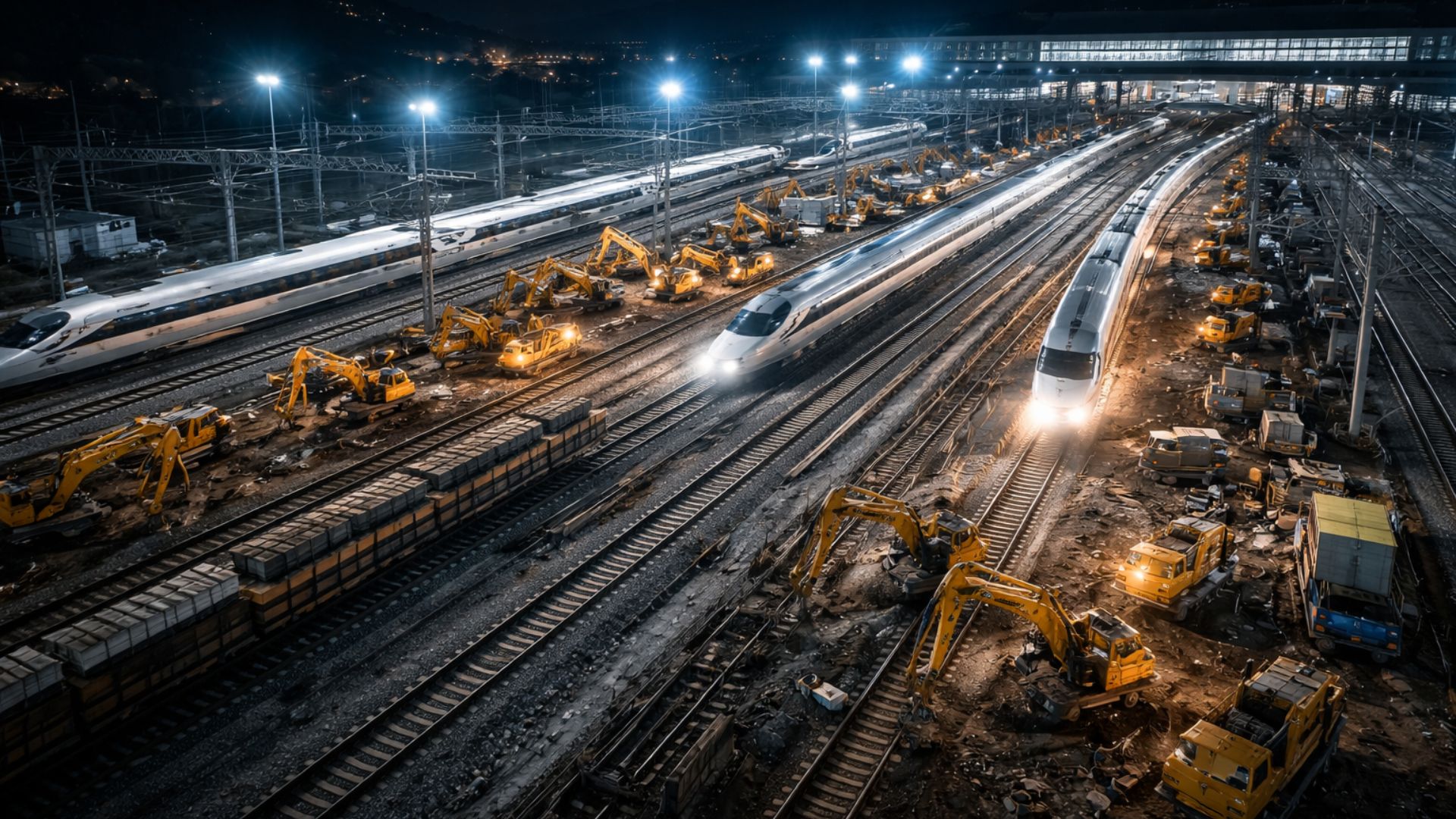
Synchronized Night Intervention Connected Existing Lines to a New High-Speed Section in Longyan, Southeast China.
With 1,500 workers, excavators, and support trains, the reform concentrated tasks in a few hours, after months of preparation, enabling a connection that shortened travel between Longyan and Nanping to about 90 minutes.
A concentrated intervention at a railway station in Longyan, Southeast China, mobilized around 1,500 workers, 23 excavators, and seven support trains to install a new stretch of track and integrate a newly built line with three existing branches.
The operation, planned to take place overnight, was completed in less than one night and aimed to facilitate the connection with the high-speed railway between Longyan and Nanping, reducing the estimated travel time between the two cities from about seven hours to approximately 90 minutes.
-
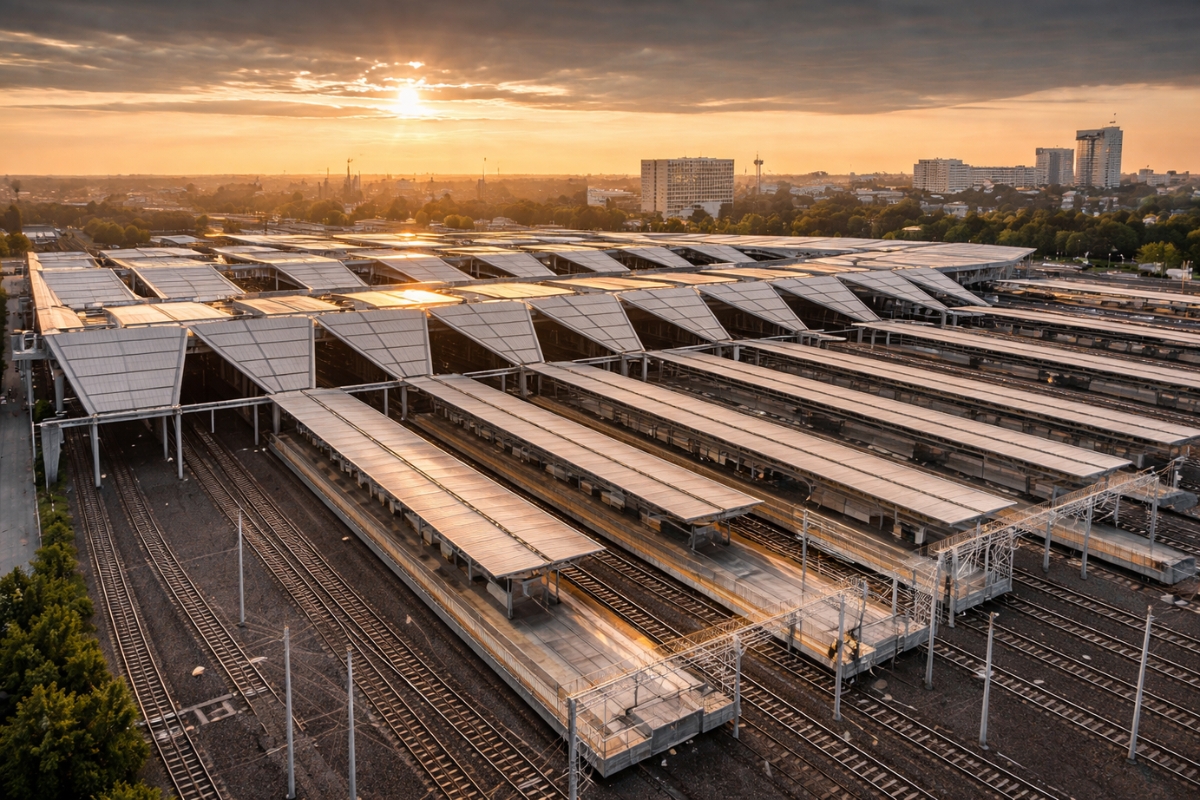
In A European City, The Country’s Largest Railway Junction Was Modernized Without Closing Its Doors, Kept Trains Running During Years Of Construction, Now Serves Up To 60,000 Passengers Per Day, And Installed Solar Panels That Generate About 30% Of Its Energy
-
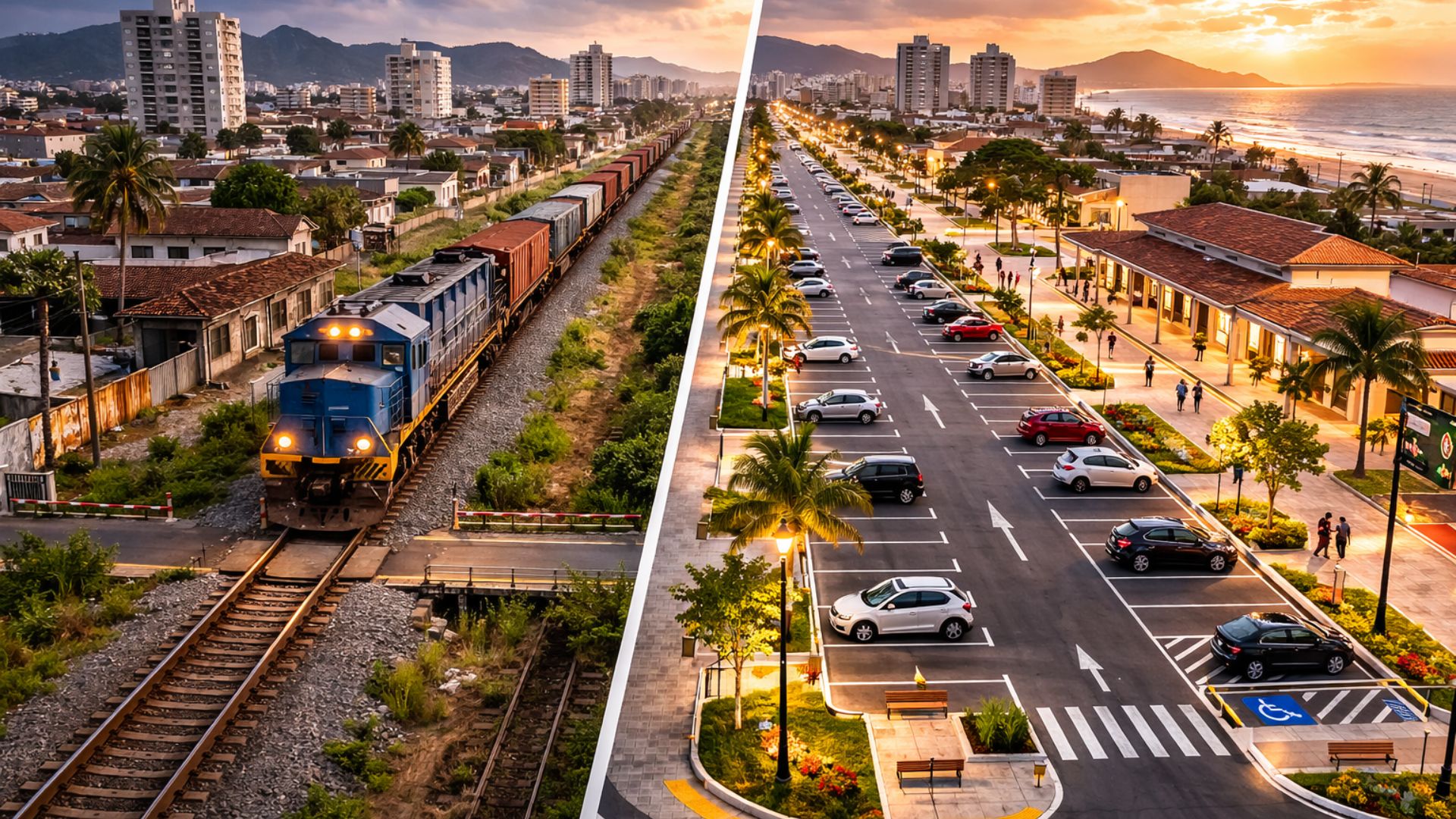
Famous Brazilian Railway May Become a Parking Lot
-
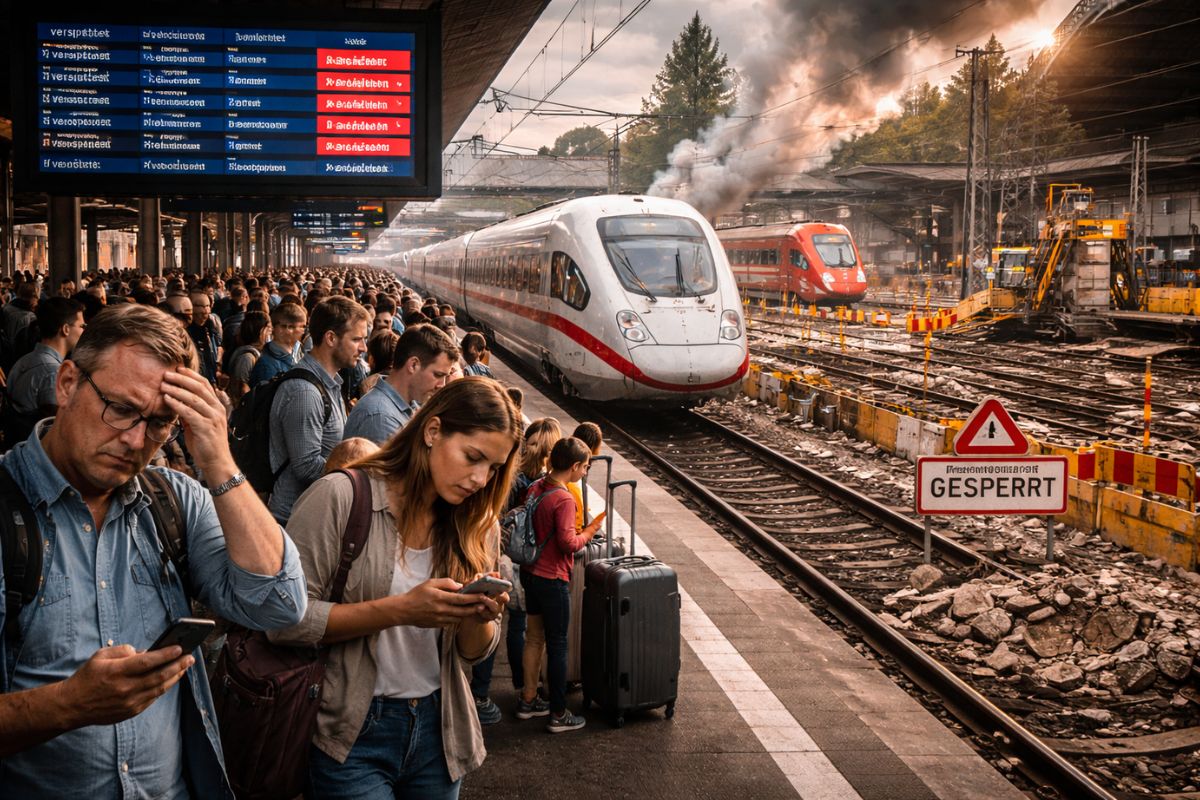
The Country of “Punctual As a Train” Admits It Has Lost Control: High-Speed Trains Delay, Stop, Disappear from the Map and Turn 6-Hour Trips into 10, While Deutsche Bahn Promises Restructuring in 2026 But Faces 19th Century Infrastructure, Staff Shortages and Sections Closed for Months
-
With an Investment of R$ 700 Million in One of the Country’s Main Rail Networks, VLI Reinforces Infrastructure, Receives 8 New Locomotives, and Expands the Corridor Connecting 7 States, Boosting Jobs and the Transportation of Grains, Ore, and Oil Products to the Port of Santos

The action took place in January 2018 and was conducted as a major renovation of the tracks and systems of an operational station.
The schedule anticipated that the most critical part of the work would occur within a short window, with teams working simultaneously to minimize impacts on local railway traffic.
Operation in Short Window and Team Coordination
The work was divided into seven fronts, each responsible for different tasks, in a coordinated effort to ensure that distinct phases progressed simultaneously.
While one group worked on installing devices associated with the operation of the segment, such as signaling and monitoring equipment, another focused on preparing the ground and restoring areas with asphalt and concrete to ensure the surroundings were ready to return to routine.
Throughout the night, the excavators and transport trains served as support to remove and position materials, accelerate internal movements, and maintain the flow of parts and supplies.
The logic was to reduce pauses and avoid having one activity stalled waiting for the previous one to finish, which tends to lengthen interventions on railways that continue operating.
Although the “field” execution was compressed into a few hours, the project did not start there.
Before the night of the reform, there were months of studies and preparation to assess the terrain, organize logistics, anticipate interferences in infrastructure, and ensure that the service could be performed safely and accurately.
Modernization of Station and Integration of Tracks
The central point of the story lies in the type of work carried out.
This was not about building, from scratch, a complete railway between two cities in one night, but rather about updating and expanding the infrastructure of a station to fit a new segment of track and allow the junction between lines.
In practice, the speed was possible because the most complex part of the service was concentrated in a short operational window, pre-planned, with a large workforce and sufficient machinery to execute several stages at once.
The result was the transformation of the local railway arrangement, creating conditions for the station to connect to a line designed for faster travel.
This type of strategy, with intensive overnight interventions, is common in railway systems that seek to reduce disruptions.
The case drew attention for the volume of resources mobilized and the synchronized execution, allowing the most sensitive stage to be completed in a few hours.
Travel Time Between Longyan and Nanping Falls to 90 Minutes
The connection between Longyan and Nanping was presented as a leap in regional connectivity.
With the commencement of the railway between the cities, the journey, previously estimated at approximately seven hours on slower routes with connections, is now made in about 90 minutes, according to information released at the time by media outlets in China.
The line was designed to support trains at speeds up to 200 km/h in the project design.
This figure is below the fastest Chinese routes, but still represents a significant advancement in mountainous regions and corridors where the previous network required longer journeys and often had speed limitations.
By shortening the trip, the new connection tends to favor commuting for work, study, and services between medium-sized cities, in addition to facilitating integration with other already existing lines.
In extensive railway networks, this “stitching” together of branches can be as important as the construction of major axes because it reduces bottlenecks and improves the continuity of the system.
China’s High-Speed Network and Expansion Numbers
China has consolidated, in recent decades, the largest high-speed railway network in the world.
Data released at the end of 2024 indicated that the country reached 47,000 kilometers of high-speed tracks in operation, a figure that reflects the rapid pace of construction and expansion of the railway network.
This growth helps explain why interventions like the one in Longyan gain prominence.
They connect to a broader strategy of integrating regions and reducing the time between urban centers, with a combination of new lines and adjustments in stations, yards, and connections with pre-existing branches.
Even so, it is important to distinguish between the speeds projected for certain lines and the speeds actually practiced in commercial operations.
On Chinese routes, high speeds are common, but there are variations depending on the alignment, type of service, level of demand, and operational safety standards adopted in each corridor.
Speed Tests and Magnetic Levitation in the Country
In recent years, China has also been releasing research and tests related to high-speed transport technologies, including magnetic levitation projects.
A widely reported test in 2025 indicated that an experimental vehicle weighing about 1.1 tons reached 650 km/h in approximately seven seconds, over a stretch of about 600 meters, a result associated with a propulsion system and testing infrastructure.
This type of demonstration does not, by itself, mean that such speeds are used in daily passenger transport, but indicates the presence of applied research and facilities dedicated to acceleration and performance experiments.
In terms of public communication, these records often appear as a symbol of investment in engineering and the goal of expanding the technical boundaries of the railway sector.
At the same time, stories like that of Longyan show a less “futuristic” and more operational dimension.
The ability to plan, coordinate, and execute complex works in existing railways, with minimal interruptions and rapid integration with new lines.
With the network growing and the demand for more efficient connections increasing, how many other stations can still undergo flash renovations to fit new corridors and reduce travel hours in just a few tens of minutes?
Corrected/updated information: the intervention in Longyan was a modernization/integration of the station and tracks, not the complete construction of a new railway; the duration reported by an official Chinese source was about 8.5 hours (though often rounded to 9); the total high-speed railways in operation in China reached 47,000 km by the end of 2024; correction of “commercial speeds of 400 km/h” to distinguish between commercial operation and tests/prototypes; title may mislead by suggesting a “new railway” built entirely in 9 hours and contains informal construction (“changed everything”).









-

Uma pessoa reagiu a isso.