





 Portuguese
  English
  Spanish
  6 min of reading
  9 comments




The Technique Behind The New Civil Construction Replaces Slow Stages With Liquid, Modular And Automated Systems: Airium Enters As Mineral Foam, Fills Gaps And Hardens Quickly; Roof And Structure Are Assembled On The Ground And Hoisted By Hydraulic Systems; Click Modules Reduce Labor; Robot Uses Laser For Precise Bedding.
On the construction site, the technique is no longer just concrete and began to combine materials that flow, pieces that fit, and machines that repeat movements consistently. The promise is simple: to speed up stages without losing performance, reducing risks when the roof rises hydraulically and when the robot takes on precision tasks.
The construction sector is changing rapidly, and the technique appears in very different solutions, from mineral foam to the “click-click” module, with insulation, pre-assembly, and automation gaining ground. In practice, what once required scaffolding, manual adjustments, and rework is reorganized by insulation, pre-assembly and automation, with a direct impact on the routine of the construction site.
Airium: Mineral Foam That Enters Liquid, Fills Gaps And Hardens Quickly

Airium is a mineral-based insulating foam developed by Holcim.
-
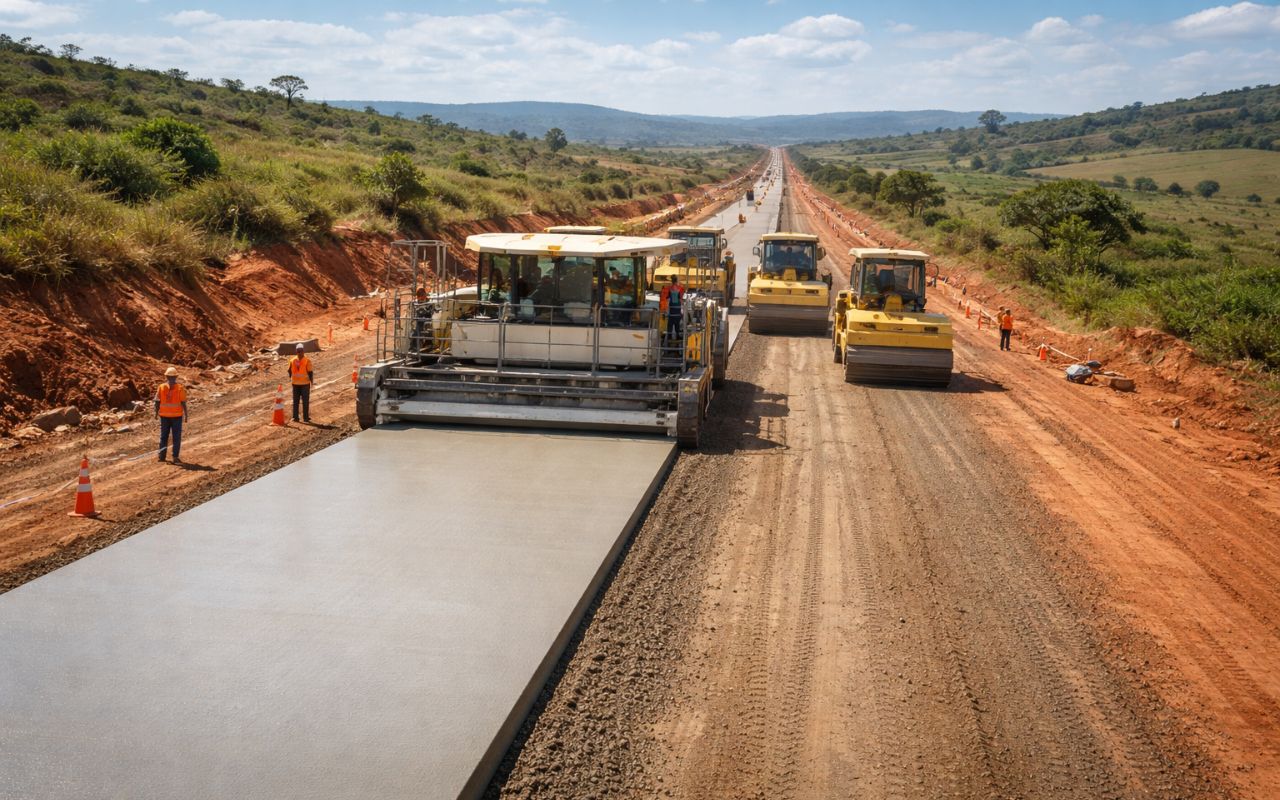
New CCR concrete paving technology promises roads up to 3x more durable, less maintenance, and cost reduction in Brazil.
-
Made from recycled plastic, plastic wood is gaining space in the construction industry because it does not rot, resists moisture, and reduces maintenance costs over the years.

-
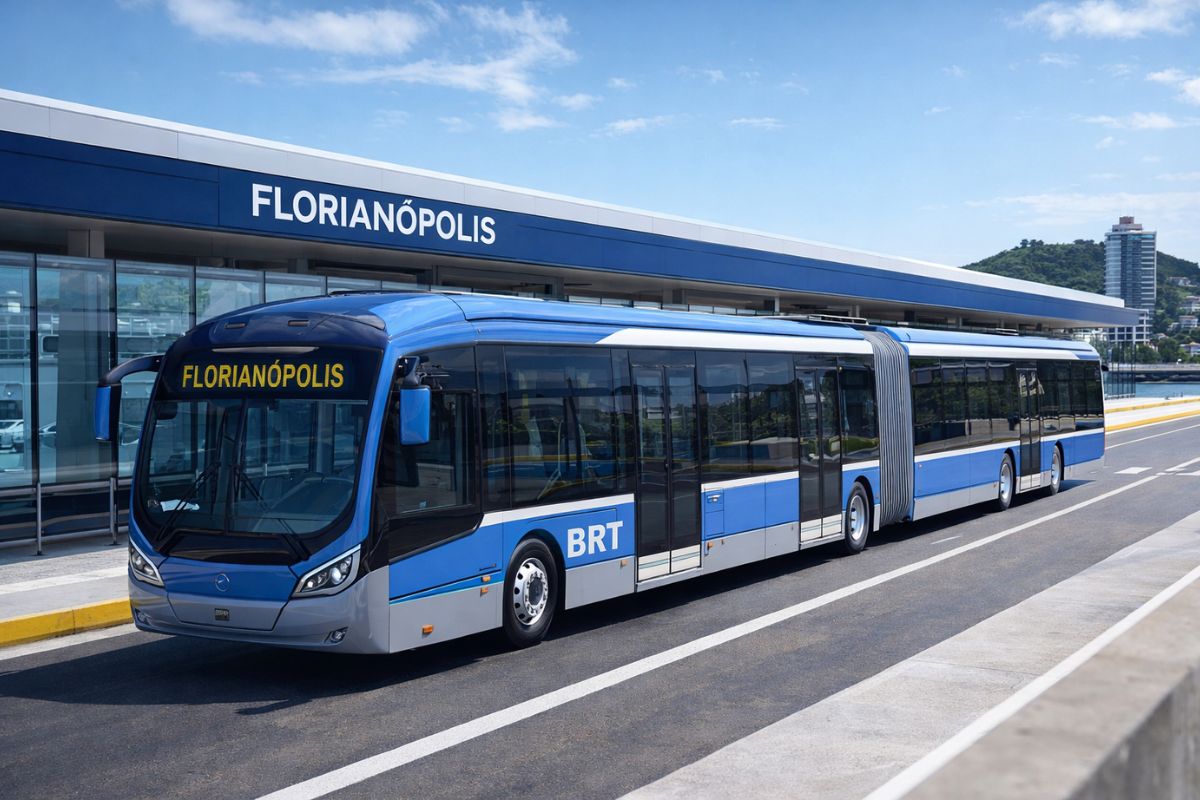
Florianópolis will receive a million-dollar BRT that will begin construction in 2026 with nearly 400 million in funding from the federal government and the Inter-American Development Bank, and the map already shows the routes for the exclusive bus corridors.
-
Without a blueprint, without an engineer, and using scrap from the dump, a father spends 15 years building an 18-room castle for his daughter, featuring tram tracks, 13 fireplaces, and over 700 m², which may now be demolished.


The technique consists of pouring the material in liquid form to invade gaps and fill all the voids, forming a lasting insulation.
According to the description, Airium is fire-resistant, does not mold, and is 100% recyclable.
When the technique is applied, the focus is to seal difficult points where insulation usually fails.
That’s why Airium appears as an alternative to close voids without depending on cuts, joints, and long drying times.
Roof Assembled On The Ground And Hoisted By Hydraulic Systems Without Scaffolding

Structured Build and Lift Systems assembles the roof on the ground and lifts it with hydraulic systems.
The technique eliminates scaffolding and reduces the risk of working at height because the roof and the structure rise ready.
The result, according to the description, is a very short execution time for the roof and structure.
In addition to the roof, the technique reorganizes the sequence of the work: instead of assembling everything at height, the construction site works on the ground and performs hoisting at the final stage.
Concrete Reservoirs And Faster Foundations: Steck-Box And Plastic Molds

Steck-Box is a modular solution to create space in reinforced concrete structures and walls.
The technique allows for creating reservoirs in 36 different sizes, saving time and labor.
In parallel, the technique of specially designed plastic molds can create walls and reinforced concrete foundations faster than traditional methods.
The reference indicates that a house can be built in just 7 days, with a strong and durable structure as it is made of reinforced concrete.
Walls In One Day With The “Click-Click” Method And Recyclable Modules
With the SYSTEM 3E, the technique assembles houses like LEGO using the “click-click” method.
The perlite-based modules combine insulation and durability, and the walls are erected in one day.
The material is described as 100% recyclable, repositioning insulation as a central part of the speed.
When the technique relies on fitting, the construction site replaces cuts and waits with repetition of pieces.
This reduces variability and can decrease rework in sealing and insulation stages.
Laser Robot In Bedding: From P900 To Hadrian X
Partner Robotics operates with the P900 model, a robot that aligns large ceramic tiles with laser and lays them with millimeter precision.
The description states that hundreds of tiles are completed daily without human intervention, with the technique based on repetition and laser alignment.
In brick laying, the Hadrian X is described as the first automatic mobile robot for the task, programmed with computer-aided design data.
The technique uses this data to position bricks accurately, increasing speed, precision and safety in wall lifting.
In both cases, the robot goes where mistakes are costly.
The technique replaces manual corrections with laser-guided positioning and data.
Waterproofing, Sealing And Insulation: Liquid Rubber, Spheres And Foams
Blue Max is a liquid rubber coating aimed at waterproofing.
The technique is applied on concrete, wood, metal and other surfaces, with 1200% elasticity, and resistance to water, mold and UV rays.
Another point is the insulation by micro-sealing: the ThermaBead system injects polystyrene spheres with a resin-based emulsion to micro-seal gaps in walls, creating lasting insulation that prevents energy loss.
On the roof, the technique of external closed-cell foam is applied by spraying a two-component liquid under high pressure.
The description says that the foam does not allow the passage of water vapor and prevents moisture, mold and problems under the roof, adapting to shape by filling cracks.
Insulation also appears in the uniform spraying of polyurethane foam across the entire roof.
Biological-Based Materials And Traditional Techniques Revisited
Just BioFiber uses hemp-based blocks for a house described as carbon negative, fire-resistant, mold and pest-free, non-toxic and earthquake-resistant.
The technique positions the material as a solution for healthy and durable living.
On the other end of the spectrum, the rammed earth technique is created by compressing soil layer by layer between molds.
The description highlights that it is as solid as concrete, breathable, and environmentally friendly, with nearly zero carbon footprint and a natural appearance.
Facades, Balconies And Integrated Thermal Comfort In The Walls
The BarkClad coating uses natural poplar bark with an aesthetic inspired by nature.
The technique includes hand peeling, oven drying, and cutting to size, making each panel unique and durable, with a natural aging process over time.
In the facade, Sapphire’s Clip-On™ technique prefabricates 350 kg aluminum balconies, hoisted by crane and installed on custom tracks, reducing installation from hours to minutes.
BLANKE PERMATOP WALL integrates water-based tubes into the walls, functioning as heaters and coolers.
The technique operates with low temperature differentials and increases comfort with radiant heat distribution.
Infrastructure, Technical Floors And Erosion Control
The HYDROTEX concrete mattresses are placed in areas exposed to erosion to pour concrete.
When dried, the technique forms a strong and flexible reinforcement, described as permanent and resistant to erosion.
In technical environments, Titanflor’s raised floor technique uses aluminum panels that can be raised up to 2.5 meters with steel legs and beams, creating space for cables.
The description points to ideal use in clean rooms and data centers, with anti-static features, quick installation and high durability.
In roads, the fiberglass network technique between asphalt layers seeks to prevent cracks, balance tensions, and make the surface more durable, reducing costs and having ecological appeal.
Mass Concrete Pouring And Reinforcements: Monopour, Fastfoot And Mechanical Concrete
The Monopour system allows for large volumes of concrete pouring at once. Fastfoot creates concrete feet using polyethylene fabric.
When combined, the technique is described as saving time and money, with advantages over wooden forms and a preference for rapid installation, durability, and versatility.
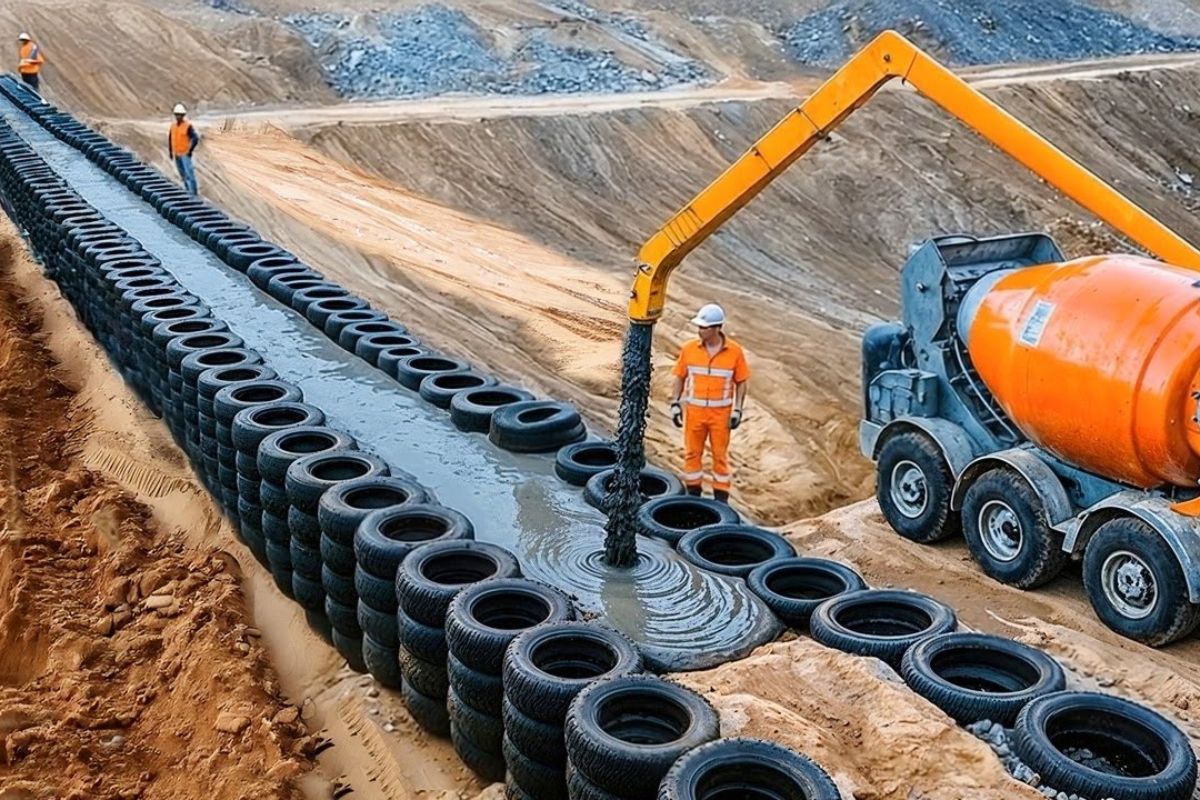
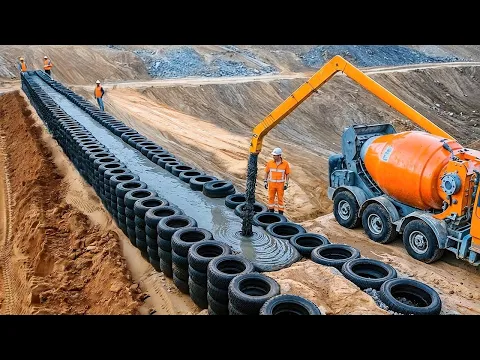
Mechanical Concrete, a geocellular aggregate technology developed by Sam Bonasso, repurposes used tires.
The technique allows the tires to retain and limit concrete, significantly increasing the load capacity, described as three times greater, as well as reducing the carbon footprint and speeding up construction.
The set of these solutions demonstrates a technique that replaces improvisation with controlled repetition: insulation that goes where hands cannot reach, roof assembled on the ground, modules that fit, and a robot that works with laser and data.
For construction teams, the realistic step is to map which technique reduces risk and rework on your construction site and to test it on a small scale, with training and safety criteria.
Which technique would you prioritize on your construction site: Airium, hydraulic roof, click modules, or laser robot?










Verificación de Uso de IA y Credibilidad Visual
Tras un análisis del portal CPG Click Petróleo e Gás respecto a su contenido visual, se confirman los siguientes puntos:
* Uso de Imágenes Generativas: El portal utiliza frecuentemente herramientas de Inteligencia Artificial (IA) para crear imágenes de portada. Estas representaciones suelen ser hiperrealistas, pero presentan inconsistencias anatómicas o físicas típicas de la generación sintética (ej. herramientas fusionadas con manos, reflejos incoherentes).
* Desconexión Visual-Técnica: Existe una discrepancia recurrente entre la imagen y el contenido. Mientras el texto describe tecnologías reales y patentadas (como la espuma Airium de Holcim o robots de Fastbrick Robotics), la imagen suele ser una interpretación artística exagerada que no corresponde a la maquinaria real utilizada en los proyectos citados.
* Objetivo de la Práctica: Esta técnica se emplea como recurso de marketing visual para aumentar la tasa de clics (Click-through rate). El sitio prioriza el impacto estético sobre la documentación fotográfica periodística.
* Calidad de la Información: Aunque el soporte visual es artificial y carece de valor documental, los datos técnicos y las innovaciones mencionadas en el cuerpo del texto suelen estar basados en comunicados de prensa reales de empresas de ingeniería. Sin embargo, el uso de IA en las imágenes reduce la percepción de rigor editorial y puede confundir al lector sobre el estado actual de la tecnología.
Observación: Se confirma que el material gráfico del portal no debe ser tomado como evidencia técnica de los procesos descritos. La credibilidad de CPG reside en su texto y fuentes externas, no en su soporte visual.
Fuentes:
* Análisis de metadatos y patrones visuales en publicaciones recientes de en.clickpetroleoegas.com.br.
* Comparativa de imágenes del portal vs. fotografías oficiales de proveedores tecnológicos (Holcim, Construction Robotics).
Tudo fora do Brasil. Tudo uma FORTUNA .
Maravilhoso! Mas precisa ser barato para ajudar a construir casas populares e resolver o problema de tanta gente sem moradias.