





 Portuguese
  English
  Spanish
  5 min of reading
  13 comments


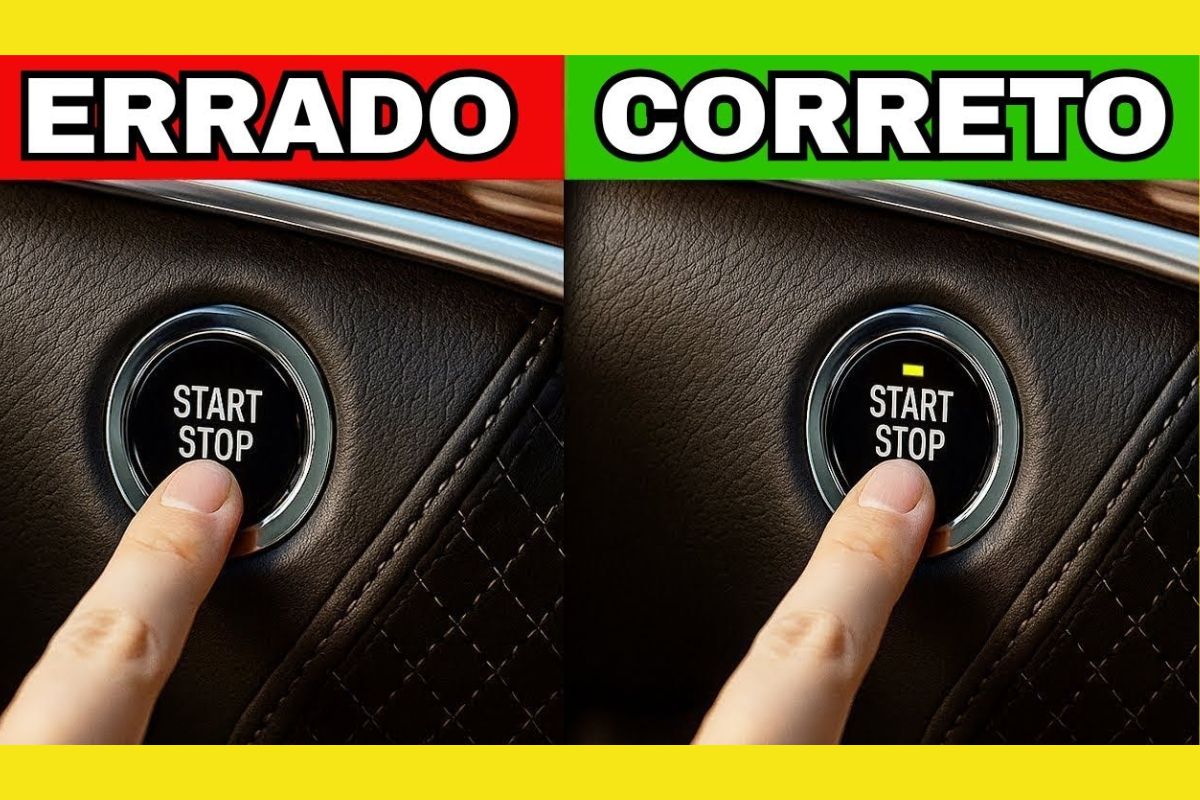


More than 60% of engine wear happens right after starting. Small habits when starting the car can determine if the engine will last 150,000 or 500,000 kilometers.
Most drivers believe that the engine suffers more at high speeds or on long trips. In practice, the most damage occurs in the first 30 seconds after starting. It is during this time that the oil has not yet circulated completely and the moving parts work virtually without lubrication. If the driver accelerates, keeps the key turned, or has systems on, internal friction multiplies, causing premature wear on pistons, valves, bearings, and rings.
Correcting these habits is what separates an engine that lasts 150,000 kilometers from one that exceeds half a million without needing a rebuild. Next, see the 11 mistakes that destroy your car’s engine in the first few seconds of use and what to do to avoid them.
1. Accelerating Right After Starting
This is a classic mistake. As soon as the car is started, many drivers accelerate hard to “wake up the engine”. When the oil is still cold and not fully circulated, this impulse creates dry friction between metal components.
-
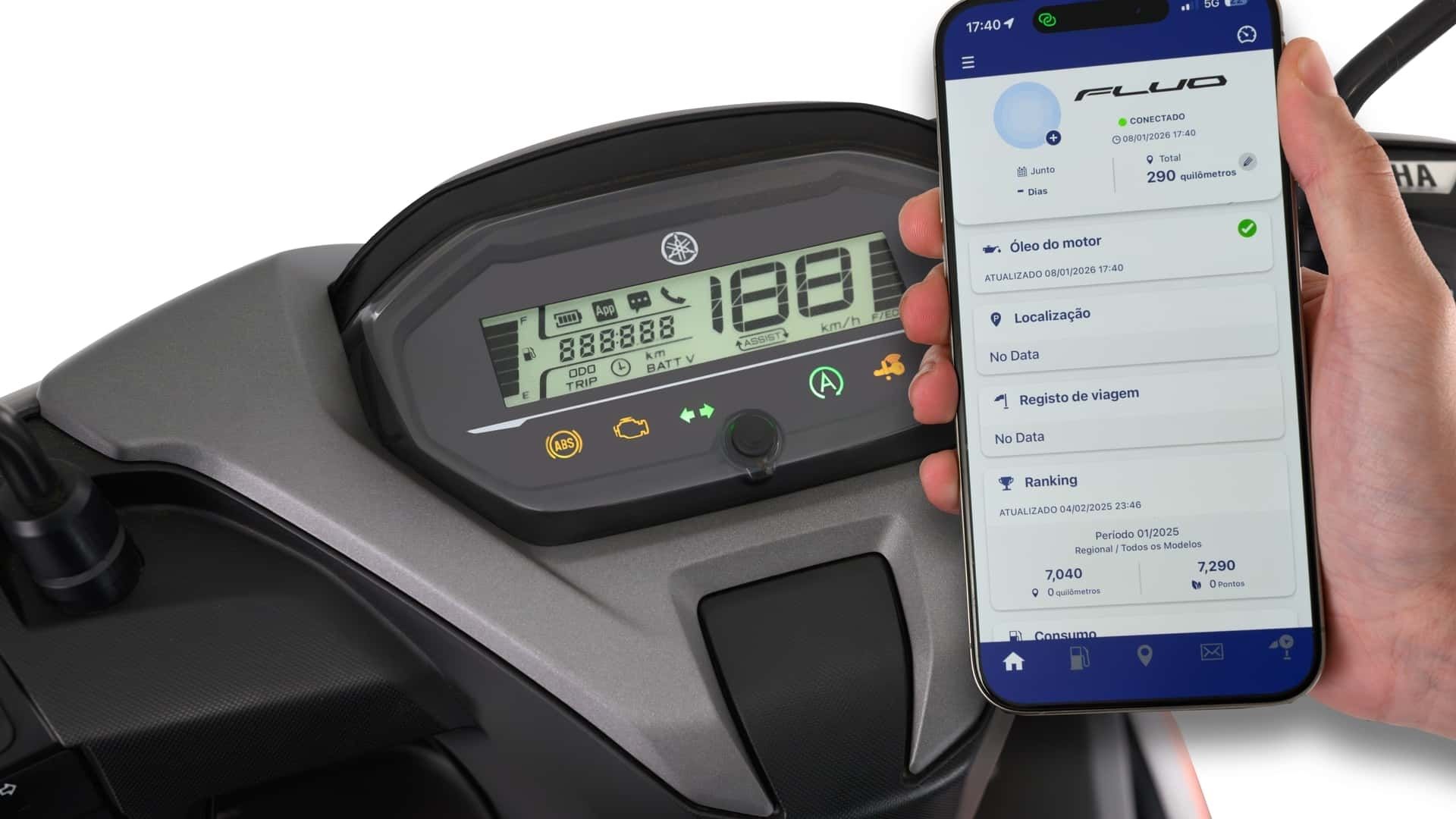
Costing R$ 16,000, the new Yamaha features a 125 cc hybrid engine with electric assistance, delivers 8.3 hp, includes ABS, optimized fuel consumption, Y-Connect connectivity, 25 liters of storage space, and a surprising 4-year warranty in the urban segment.
-
OMODA & JAECOO grows in Europe in 2026 with an integrated strategy of sales, innovation, local production, and technological advancement in the United Kingdom, Italy, and Spain.

-
OMODA & JAECOO expands after-sales service in Brazil with competitive maintenance, a 7-year warranty, and high availability of parts for technological SUVs.

-
OMODA & JAECOO appoints Alessandra Souza as executive marketing director in Brazil and accelerates brand expansion with a focus on innovation, networking, and hybrid portfolio.


Over time, this marks the cylinder walls, compromises sealing, and reduces compression in a way that drastically shortens the engine’s lifespan.
The solution is simple: wait 30 seconds at idle before accelerating, especially on cold days.
2. Ignoring Dashboard Lights
When turning the key, all the dashboard lights illuminate for a few seconds. This process is an electronic self-check of the system.
If the driver leaves immediately, they may miss critical alerts, such as lubrication failure, alternator issues, or temperature warnings. Running without oil pressure can seize the engine in minutes.
Wait for the dashboard to turn off completely and only then proceed.
3. Starting the Car with Headlights, Sound, or Air Conditioning On
Starting the car with accessories on increases the load on the battery and alternator exactly when the electrical system needs stability the most.
This electrical overloading reduces battery life and affects starting performance, which can compromise the engine in the long run. The correct approach is to turn off all systems before turning the key.
4. Holding the Start Key for Too Long
Holding the key for more than 5 seconds while trying to start the car overloads the starter motor and can damage the flywheel teeth.
If the car doesn’t start, stop, wait a few seconds, and try again. Insisting multiple times in a row can cause overheating and premature wear.
In models with a start button, just a press is enough—the system takes care of the rest automatically.
5. Pressing the Accelerator While Starting the Car
This habit stems from the carburetor era, but it is harmful in vehicles with fuel injection.
By accelerating during startup, the driver injects excess fuel into the cylinders, removing the thin layer of oil that protects the internal walls.
This causes wear from friction and engine flooding. The ideal is simple: foot off the accelerator and let the electronic control adjust everything on its own.
6. Taking Short and Repetitive Trips
Starting the car multiple times a day for short distances prevents the engine from reaching the ideal operating temperature.
In these conditions, the oil accumulates moisture and unburned fuel, generating sludge and internal corrosion.
Whenever possible, combine tasks into a longer trip and drive for at least 20 minutes each time to eliminate residues.
7. Insisting on Multiple Starts When the Car Won’t Start
Each failed attempt sends raw fuel to the cylinders, washing away lubrication and overloading the starter motor and battery.
If the vehicle doesn’t start after three attempts, stop the process and investigate the cause—insisting only worsens the problem and increases the risk of damage.
8. Starting the Car with the Steering Fully Turned
Rarely discussed, but dangerous: starting with the steering wheel turned makes the hydraulic pump work under maximum pressure, just when the engine is still cold and with low lubrication.
This wears out belts, seals, and hoses. The recommendation is clear: keep the wheels straight when starting the car.
9. Using Expired Oil or Oil Outside Specification
Oil is the engine’s main shield. When it is expired, contaminated, or of incorrect viscosity, it loses its ability to protect metal parts.
Worse: dirty oil drags microparticles that act like sandpaper inside the engine, accelerating internal wear. Change the oil at the specified intervals and follow the exact manufacturer’s specification.
10. Starting the Car in Gear
In manual cars, this mistake is common and very risky. The car can jolt suddenly and force the clutch and starter motor to work against the weight of the vehicle.
This impact deteriorates mounts, transmission, and the clutch disc. The correct habit: press the clutch all the way down before turning the key.
11. Starting the Car with a Weak Battery
A dying battery makes the starter turn slowly, causing irregular combustion and starting failures.
The starter motor, spark plugs, and even the catalyst suffer from the excess unburned fuel.
Replace or recharge the battery as soon as you notice slow starting or electrical failures; it’s a minimal investment compared to the cost of a damaged engine.
Small Habits, Big Consequences

None of these mistakes that destroy the engine cause immediate damage, but the daily accumulation shortens years of lifespan.
The secret is attention and patience: respect the lubrication time, avoid unnecessary efforts, and take care of the electrical system.
A well-maintained engine can last decades, while a neglected one requires a rebuild before reaching 150,000 km.
More than 60% of engine wear occurs even before the car leaves the garage. Correcting simple habits ensures economy, performance and longevity.
And you, which of these mistakes have you made without realizing? Have you had issues with premature engine wear? Share your real experience in the comments; your story may help other drivers avoid the same loss.








Impossível ler todo o conteúdo com tantas propagandas chega ser até falta respeito com leitor!!! Não gostei
Nos carros modernos com partida digital não corre risco desses erros. O motorista só deve se preocupar com os 30 segundos antes de movimentar o veículo. O restante faz tudo automático. Para veículo com botão de partida só precisa dar um leve toque como ligar um interruptor. A explicação acima está perfeita, para os carros mais antigos realmente precisa desse cuidados.
Excelente explicação muito bom