





 Portuguese
  English
  Spanish
  4 min of reading
  18 comments


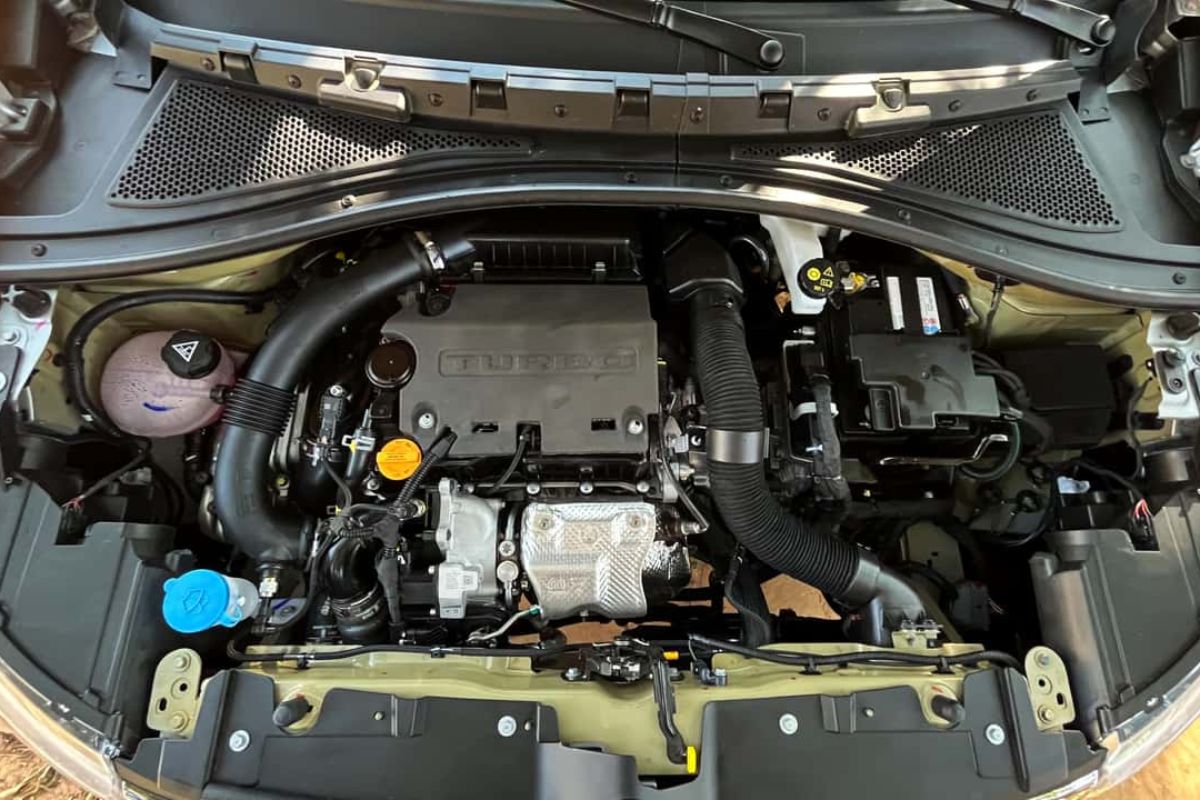

Looking for More Powerful Compact Turbocharged Engines with Low Maintenance? Discover Our Selection of the 4 Champions in the Brazilian Market for 2025, Their Features and Differentiators.
Discover the main turbocharged engines available in Brazil. Based on performance criteria and, crucially, lower maintenance, we reveal the 4 Most Powerful Compact Turbocharged Engines that also stand out for their promise of fewer headaches and predictable costs.
The compact turbo engines have dominated the Brazilian automotive scene, promising efficiency and more vigorous performance. But for the true turbo enthusiast, the real quest goes beyond: it’s for intelligent power allied with reliability and a peaceful ownership perspective.
What Makes an Engine a True Turbo?
An ideal true turbo engine combines stimulating performance with manageable and predictable maintenance. In assessing power, we consider not only horsepower (HP) but also the quality of torque (kgfm). Good torque available at low RPM translates into agility and quick responses in daily driving.
-
Son of a seamstress from the rural area of Ceará who did not speak English wins a scholarship of over 2 million reais at Williams College, one of the top 10 universities in the United States, covering everything including dormitory, meals, and annual trips to Brazil.

-
Bill Gates revealed that the true secret behind every great achievement is not a brilliant leap but rather small improvements repeated over the years, and the data from his own career and the fight against climate change prove that he is right.

-
With 22 thousand tons of steel, a height nearly three times greater than the Eiffel Tower, and a cost of R$ 1.6 billion, China is building the highest bridge on the planet over a colossal canyon, reducing a crossing time of over 2 hours to just over 2 minutes.

-
With more than 635,000 doctors, Brazil sees competition increasing in large cities, and recent graduates are competing for shifts at an accelerated pace while the countryside still faces shortages.


In terms of “lower maintenance,” the pillars are: a solid reliability history, with low incidence of chronic problems; durability of components, especially the turbocharger system; and transparent and reasonable scheduled maintenance costs. The goal is to find the perfect balance between driving pleasure and peace of mind for your wallet.
Meet the 4 Selected Engines
After careful analysis, we highlight four engines that come close to the ideal true turbo.
1. GM 1.0 Turbo (CSS) – Specification Chevrolet Onix/Onix Plus (121 HP)
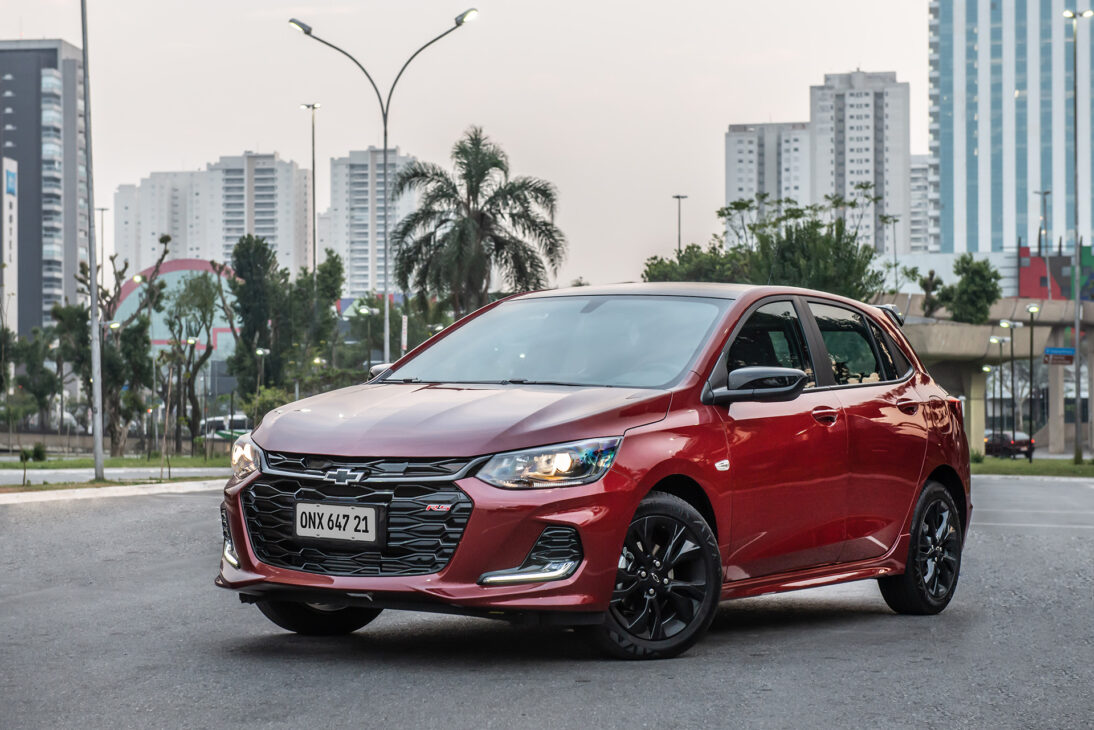
This engine delivers 121 HP with ethanol and 16.8 kgfm of torque. Its major asset for low maintenance is maintaining the multi-point (indirect) injection system. This characteristic tends to reduce complexity and long-term costs, especially the risk of carbon buildup on valves, common in direct injection engines. The parts basket for the Onix Plus Turbo also has competitive costs, despite the SIGNIFICANT flaw of the oil-bathed timing belt (consider this a warning).
2. Volkswagen 200 TSI (EA211)
With 128 HP (ethanol) and robust 20.4 kgfm of torque available starting at 2000 RPM, this engine offers excellent elasticity. Its history in the Brazilian market is well-established. Problems such as injector sensitivity are known but manageable with preventive maintenance and quality fuel. Scheduled maintenance costs are fixed, allowing for financial planning.
3. Renault H5Dt 1.0 TCe (Renault Kardian)
Debuting in the Renault Kardian, this engine impresses with 125 HP and the highest torque among the analyzed 1.0 turbos: 22.4 kgfm (220 Nm). Initial maintenance costs are competitive, with inspections up to 60,000 km and parts basket presenting attractive prices. Being a modern project, good durability is expected, but its long-term history in Brazil is still being built.
4. Stellantis T200 (GSE Turbo) (with reservations)
This is one of the most powerful 1.0 turbos, with 130 HP (ethanol) and 20.4 kgfm of torque at low 1750 RPM. Scheduled inspections have attractive costs. However, its inclusion comes with reservations: there are concerning reports about reliability in some applications (e.g., Fiat Fastback), including electrical failures and mechanical breakdowns. It’s an option for those who prioritize maximum power and accept a higher risk.
Why Are Some Well-Known Engines Not on the Podium?
Some popular turbo engines did not make it to the podium. The Hyundai Kappa 1.0 TGDI, despite good performance, was left out due to consistent reports of problems with the cylinder head and cooling system, which undermines the perception of “lower maintenance.”
Meanwhile, the GM 1.2 Turbo engine, used in the Tracker, although powerful, presented less detailed data on specific maintenance costs and a reliability history that was not as thoroughly examined in the research compared to the selected models.
How to Care for Your Turbo Engine and Ensure Its Longevity
To make the most of the Most Powerful Compact Turbocharged Engines and ensure their durability, some care is essential. Strict preventive maintenance is key: follow the manufacturer’s inspection schedule and always use high-quality fuel and the specified lubricant oil.
Respect the warming up and cooling down cycles. Avoid pushing the engine hard right after starting. Similarly, after driving intensely, let the engine idle for about a minute before turning it off to protect the turbocharger. Be alert for any warning signs, such as strange noises, loss of power, or warning lights on the dashboard.
Choosing the Most Powerful Compact Turbocharged Engines for Your Profile
There is no single perfect true turbo engine for everyone. The ideal choice depends on your priorities. If you are looking for potentially simpler maintenance, the GM 1.0T (Onix) with indirect injection is interesting. For elastic performance and a known history, the VW 200 TSI is solid. The Renault 1.0 TCe (Kardian) attracts with its novelty and torque. Meanwhile, the Stellantis T200 offers superior power with cheap inspections but requires more attention to reliability.
The future of compact turbo engines points towards integration with hybrid systems, which will bring new variables. For now, conscious choice, based on information and adequate care, is the way to enjoy intelligent power with peace of mind in maintenance.







Boa noite! Eu trabalhei com um Onix que peguei novo e só deu problema. Motor baixando óleo, baixando líquido de arrefecimento, motor batendo, suspensão então nem se fala… Com 6000 km tive que fazer suspensão, pintura acho que foi feito o tinta guache, ar condicionado deu problema duas vezes em 20000 km e a concessionária não deu garantia… Enfim, em 20000 km o Onix estava pior que o gol que retirei com 160000 km… Resumindo, melhor comprar um Peugeot em vez de comprar um Onix. Hoje a Peugeot está melhor
Fiat, sempre inovando, melhor de todoy
Onix kkkkkkkkkk
Quanto faturou ?????