





 Portuguese
  English
  Spanish
  4 min of reading
  1 comment


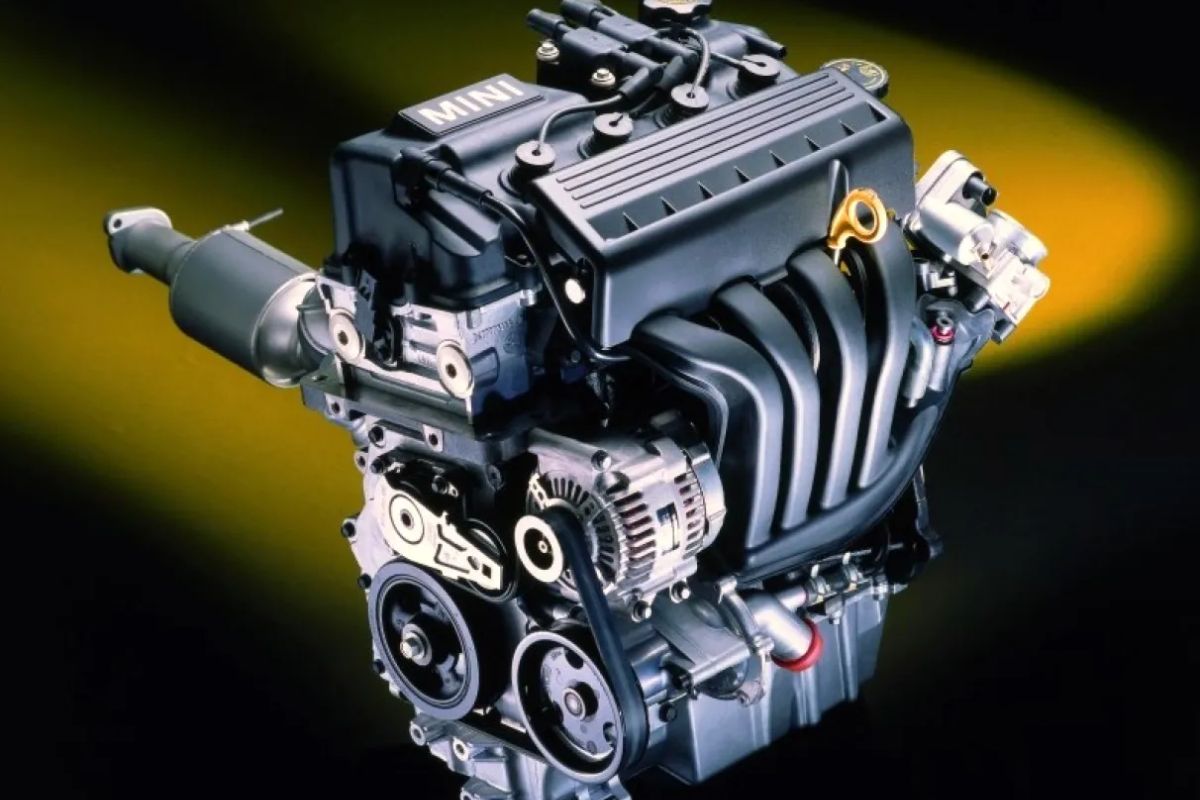

Chronic Problems And High Repair Costs: Meet The List Of Car Engines That Can Turn Your Dream Vehicle Into A Financial Nightmare Sooner Than Expected. Learn How To Protect Yourself When Buying!
Buying a car in Brazil, new or used, is a significant achievement for many. However, some car engines on the national market have gained notoriety for having serious issues and substantial repair costs long before reaching 100,000 km.
We will detail five families of car engines with problematic history in the country, addressing their common failures, the affected vehicles, and, most importantly, how you can protect yourself from mechanical traps.
The 5 Car Engines That Require Extra Attention From Buyers In Brazil
The 100,000 km mark is viewed as a point where serious maintenance may arise. However, for some engines, chronic problems appear much earlier. The popular saying “they ask for water, they ask for money” describes well engines prone to overheating (the “water”) and those that entail high repair costs (the “money”).
-
OMODA & JAECOO grows in Europe in 2026 with an integrated strategy of sales, innovation, local production, and technological advancement in the United Kingdom, Italy, and Spain.
-
OMODA & JAECOO expands after-sales service in Brazil with competitive maintenance, a 7-year warranty, and high availability of parts for technological SUVs.
-
OMODA & JAECOO appoints Alessandra Souza as executive marketing director in Brazil and accelerates brand expansion with a focus on innovation, networking, and hybrid portfolio.

-
Jaecoo 7 with super hybrid SHS system exceeds 1,200 km of combined range with a 1.5 turbo engine, high-density battery, and intelligent energy management.


THP 1.6 Turbo Engine (PSA/Stellantis): The “Prince” Of Premature Problems
This engine equipped various Peugeot models (208 GT, 308, 3008, 408, RCZ), Citroën (C3 THP, C4 Lounge, C4 Picasso), and the DS line. Despite the promise of performance, its complexity has made it problematic. Chronic failures include excessive carbon build-up (typical of direct injection and aggravated by Brazilian gasoline), thermostat failure (often before 70,000 km, causing overheating), issues with the high-pressure fuel pump, and premature wear of the timing chain and its tensioners.
Signs such as loss of power, overheating, metallic noises (“grilar”), and “Check Engine” light are common. Repairs are expensive for these car engines, involving decarbonization, replacement of the thermostat (which can cost over R$ 1,400 for the original part), high-pressure pump, and chain kit.
VW TSI Engines (EA211 And EA888): Efficiency That Can Come At A High Price
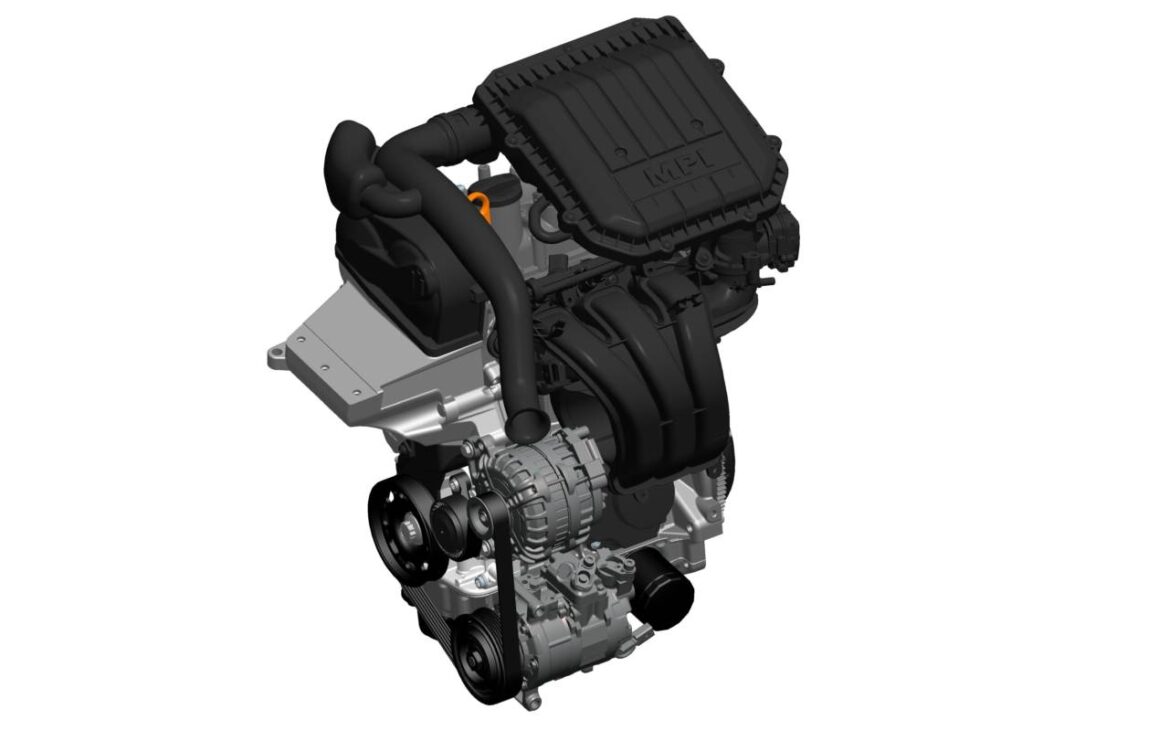
The TSI car engines from Volkswagen (Up!, Polo, Virtus, Nivus, T-Cross, Golf, Jetta) are popular for performance and efficiency. However, they also exhibit vulnerabilities. Common problems include carbon build-up on the intake valves (due to direct injection), high oil consumption (especially in some generations of the EA888 2.0 TSI engine), and failures in the wastegate valve of the turbo, causing noises and loss of turbo pressure.
The EA888 engine, in particular, has a history of failures in the water and fuel pump. Symptoms such as loss of power, noises in the turbo, and check engine light require attention. Decarbonization and the repair or replacement of the turbo are costly services. Maintaining an EA888 to correct chronic problems can cost around R$ 10,000.
Fiat E.torQ 1.8 16V Engine: Fragile Pistons And A Block That “Doesn’t Forgive” When Machined
Widely used by Fiat (Argo, Cronos, Toro, old Strada, Palio, Punto, etc.) and in the Jeep Renegade flex, the E.torQ 1.8 16V engine has accumulated a concerning history. The most severe failures include piston breakage even with low mileage, and the critical information that the block of the 1.8 engine was not designed to accept machining.
This means that damage to the cylinders usually requires complete replacement of the block, an extremely costly repair. Oil leaks and cooling system problems (overheating due to water pump failure) are also reported. Metallic noises (“tec-tec”) are a classic sign of piston issues. The cost of a new block or complete engine dramatically increases the repair bill.
Dodge Journey V6 2.7 Engine: The SUV Thirsty For Care (And Money)
The Dodge Journey equipped with the V6 2.7 engine (approximately 2008-2012 models) is known for problems that “ask for water” and money. Overheating is a central complaint, often caused by cracks in the radiator expansion tank, failures in the water pump or thermostat.
This engine is also prone to oil sludge formation, especially if maintenance is neglected, which can lead to catastrophic engine failure. Early warping of the brake discs and breakage of engine and transmission mounts are also common. Signs of overheating and engine noises are alerts. A complete machining of this V6 engine can cost over R$ 11,000.
Diesel Engines 2.0 Multijet (Stellantis): The Soot That “Stifles” Performance
Found in models like Fiat Toro Diesel, Jeep Renegade, and Compass Diesel, these engines are strong and efficient. However, they face challenges with emissions control systems. The main problems are soot build-up (carbonization) in the intake manifold and EGR valve, and clogging of the Diesel Particulate Filter (DPF), especially with predominantly urban use, which hinders filter regeneration. This results in power loss, increased consumption, and acceleration failures. Cleaning these components or replacing the DPF are costly services.
Tips To Avoid A Trap With These Car Engines
Avoiding a problematic car engine requires diligence. Research thoroughly the reputation of the specific engine from the desired model in forums, complaint sites, and specialized articles. Demand the complete maintenance history, checking for the correct oil usage and adherence to service intervals.
The most crucial step is to perform a complete Pre-Purchase Inspection (PPI) with a trusted mechanic, preferably a brand specialist. Ask to check the engine compression, leaks, noises, and use a scanner to read error codes. During the test drive, pay attention to any abnormal symptoms. Also, check for pending recalls. Be wary of prices that are significantly below average, as they may indicate hidden problems.









O tipo de combustível NAO causa carbonizaçao das valvulas de admissao nos veiculos com injeçao direta. O fenomeno é causado por blowby e a maldit4 valvula egr. Sugiro aos colunistas estudarem mais sobre i assunto.