





 Portuguese
  English
  Spanish
  4 min of reading
  86 comments





Mechanic Details The Most Common Problems Affecting The EA-111 Engine Found In Several Volkswagen Models Since 2002.
If you have a Fox, Gol, Polo, Voyage, Saveiro, or Golf, you have certainly heard of the famous chronic defects of the EA-111 engine. This engine, used in various Volkswagen models over two decades, is known for presenting a series of problems that, when not addressed in time, can cause headaches – and a nice hole in your pocket! Do these defects make the EA-111 a real “bomb”? We spoke with the mechanic specialist from DR Auto Mecânica to understand the five main defects of this engine and how to deal with them. Let’s explore?
Chronic Defects Of The EA-111 Engine: What You Need To Know
The EA-111 engine equips a vast range of vehicles from Volkswagen from 2002 to 2022, in both 1.0 and 1.6 versions. Although many believe that the 1.6 has fewer problems, the specialist from DR Auto Mecânica clarifies that the defects are practically the same. From noisy tappets to corrosion in the cylinder head, these engines require specific care to maintain performance and avoid unwanted breakdowns.
1. Noisy Tappets: A Classic Inconvenience
One of the main chronic defects of the EA-111 engine is the famous noise in the hydraulic tappets. The problem occurs when there is a lack of oil pressure, causing the tappet to seize and the noise to be constant, both in cold starts and during continuous operation. According to the specialist from DR Auto Mecânica, “many try to solve it by changing the oil or the tappet, but the problem may be related to the use of improper oil.” This technical detail is crucial, as the EA-111 engine does not tolerate oils outside of specification well.
-
For R$ 32,000, a brand new Hyundai car is a rival to the Kwid with a 1.2 engine producing 82 hp, 6 airbags as standard, multimedia with wireless Android Auto, up to 391 liters in the trunk, and a refreshed look for 2026 in India.

-
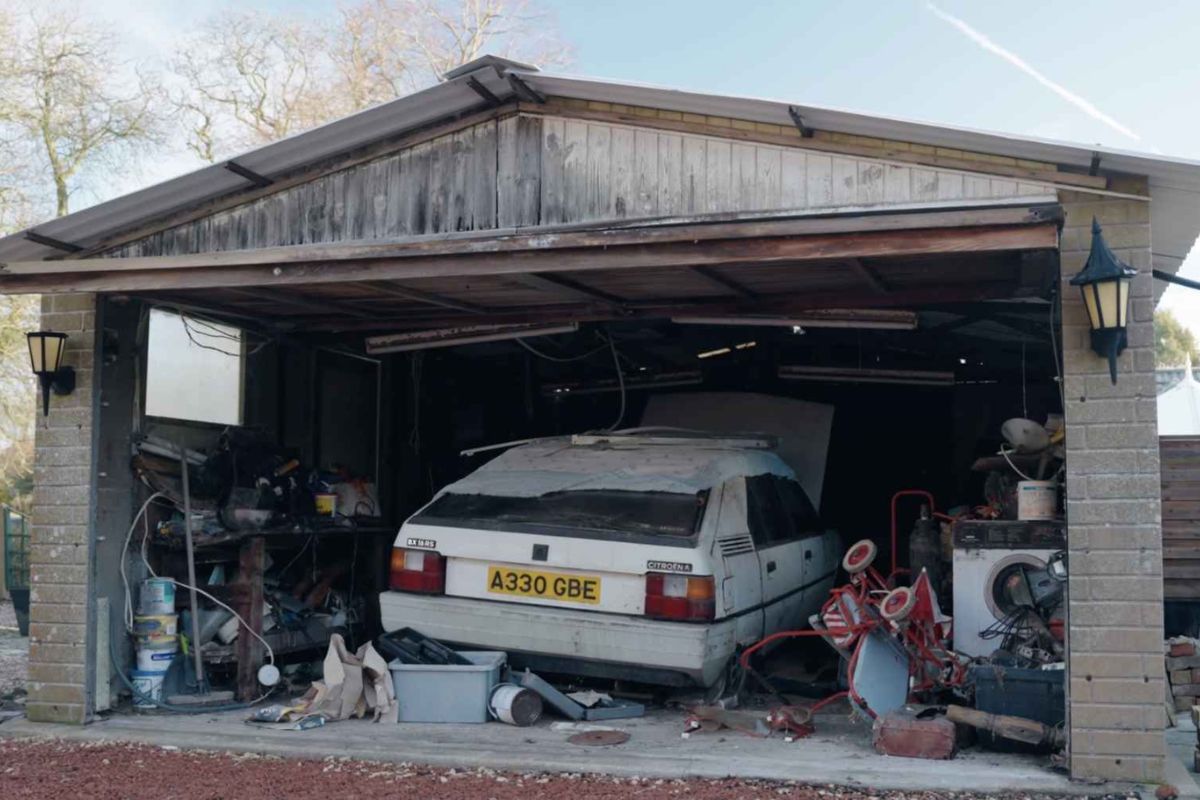
He bought a new car in 1983, locked it in the barn in 1988, and no one opened the door for 38 years until the family discovered what was stored inside and realized it looked like something out of a movie.
-
A 250cc motorcycle that can reach 560 km with a 14-liter tank, features disc brakes on both wheels and is among the most well-known in Brazil.
-
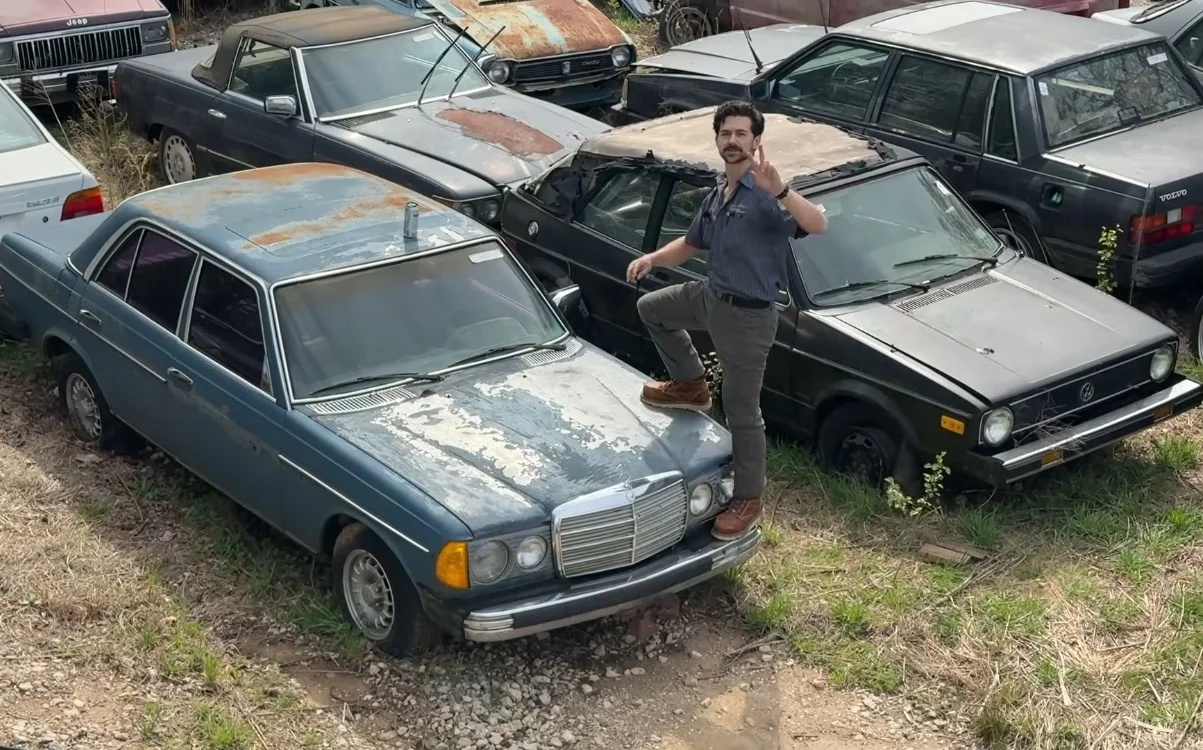
Man finds over 200 rare cars abandoned on a lot and tries to do the impossible in 8 hours with a surprise at the end.

2. Engine Carbonization: Hidden Danger
Changing the oil every 10,000 km? Forget it! The EA-111 is notoriously sensitive to carbonization when the oil is not changed more frequently. “The manual may say 10,000 km, but the ideal is to change it at 5,000 km, especially for those driving in urban areas,” warns the mechanic. Carbonization can cause blockages in the oil pickup, resulting in premature engine wear and, in more severe cases, even catastrophic failures.
3. Leak In The Antifreeze System
The antifreeze system of this engine is another weak point. It often clogs, causing leaks at various points in the engine, such as the flywheel and cylinder head seals. The specialist’s recommendation is simple: “Regularly change the antifreeze and avoid trying to clean it, as the internal passages are complex.” Ignoring this problem can cause excessive pressure in the engine, leading to the wear of other parts.
4. Corrosion In The Cylinder Head: A Silent Villain
The use of tap water in the radiator and the lack of proper additives are the main causes of corrosion in the cylinder head. According to DR Auto Mecânica, “the material of the cylinder head is very sensitive, and corrosion can cause water to enter the oil or even the cylinders, leading to engine failures.” Therefore, it’s essential to strictly follow maintenance guidelines for the cooling system.
5. Oil Light Flashing: Warning Of Serious Problems
Last but not least is the infamous oil light flashing. “This happens because the oil pickup may be clogged due to carbonization, or the engine may already be suffering from wear on the bearings,” explains the specialist. Many people try to solve it by changing the oil pump, but, in reality, the problem is much deeper, related to the overall wear of the engine.
Is It Worth Keeping The EA-111?


The chronic defects of the EA-111 engine are well known and can be resolved with proper maintenance. However, it is important to always pay attention to the recommendations of specialists to avoid bigger problems in the future. “Many of these defects can be prevented or minimized with frequent oil changes and the use of quality parts,” reminds the mechanic.
Do you have a Volkswagen with an EA-111 engine? Have you faced any of these problems? Leave your comment and share your experience!










Tenho um fox 2013 1.6, está com 230.000 km e nunca deu problemas, graças a Deus, e que continue assim. Más faço questão da troca de óleo e filtros, em dia. Sempre rodei com aditivo no sistema de arrefecimento. Só óleo recomendado e 100% sintético.
TENHO UM FOX 2016 1.6 E JA FIZ DE TUDO MAIS NAO CONSIGO APAGAR A LUZ DE OLEO DIZENDO QUE ESTA SEM PRESSAO DE OLEO,O QUE FAZER?
pode ser o comando, se for trocar nunca use paralelo, sempre original, paralelos costumam vir fora de plumo e depois de montado eles com o tempo acabam raspando o cabeçote e dando problemas maiores.
Tengo ese auto, tiene 388,000 km y solo como 10 cambios de aceite, no le duele nada.