





 Portuguese
  English
  Spanish
  6 min of reading
  0 comments


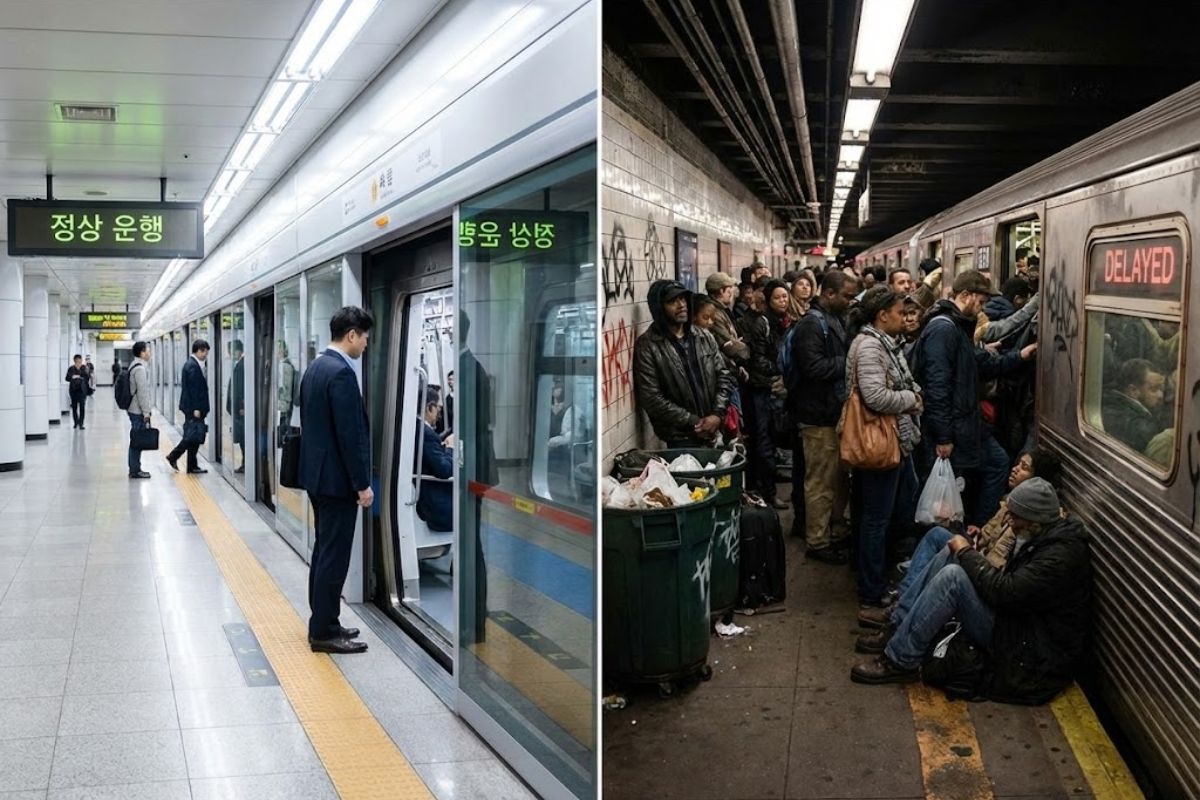
On A Journey Through The Best And Worst Subways In The World, A Traveler Who Has Experienced Over 80 Systems Compares Seoul, Hong Kong, Moscow, Bangkok, Pyongyang, Mumbai, Venezuela, And New York, Revealing Efficiency, Delays, Urban Chaos, Safety, And Dirt In Surprising Details For Those Who Use Public Transport Daily In Major Cities
In 1967, when the British government in Hong Kong decided to tackle street congestion by planning its subway, and in 1979, the year the first line was inaugurated, the idea of comparing the best and worst subways in the world still seemed distant, restricted to engineers and planners. Decades later, in 1997, the Asian financial crisis halted the expansion of the Bangkok system, while in 2018 hyperinflation in Venezuela turned the subway into a free service due to the inability to print tickets, marking opposite extremes on this same list.
Throughout a personal route that covers over 80 networks, from Baghdad to Berlin, from Boston to Pyongyang, this comparative look builds a panel in which the best and worst subways in the world are measured by criteria ranging from punctuality to cleanliness, safety to passenger experience. At one end, Seoul and Hong Kong offer speed, hygiene, and technology; at the other end, Mumbai, Venezuela, and New York represent overcrowding, delays, recurring failures, and a daily life of risks that turns every trip into a test of endurance.
Seoul, The Ultimate Benchmark In Efficiency, Cleanliness, And Safety

Among the best and worst subways in the world, Seoul stands out as a standard of excellence.
-
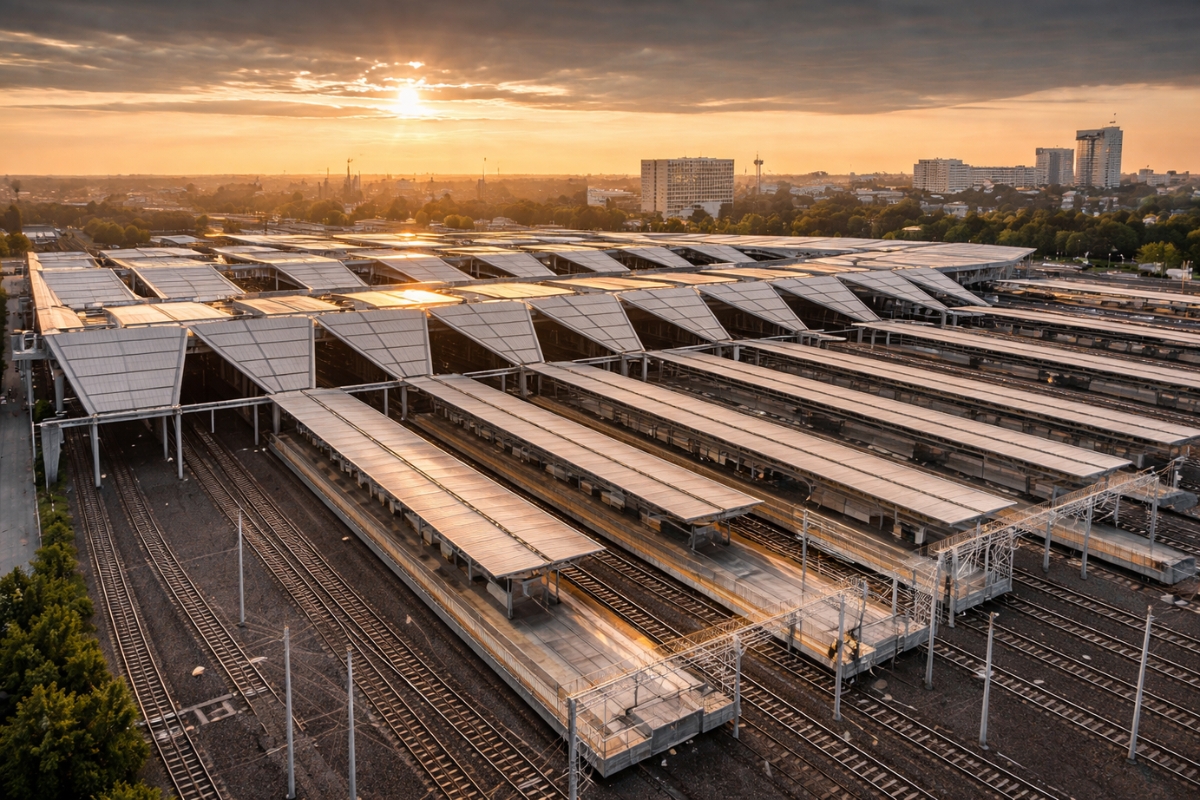
In A European City, The Country’s Largest Railway Junction Was Modernized Without Closing Its Doors, Kept Trains Running During Years Of Construction, Now Serves Up To 60,000 Passengers Per Day, And Installed Solar Panels That Generate About 30% Of Its Energy
-
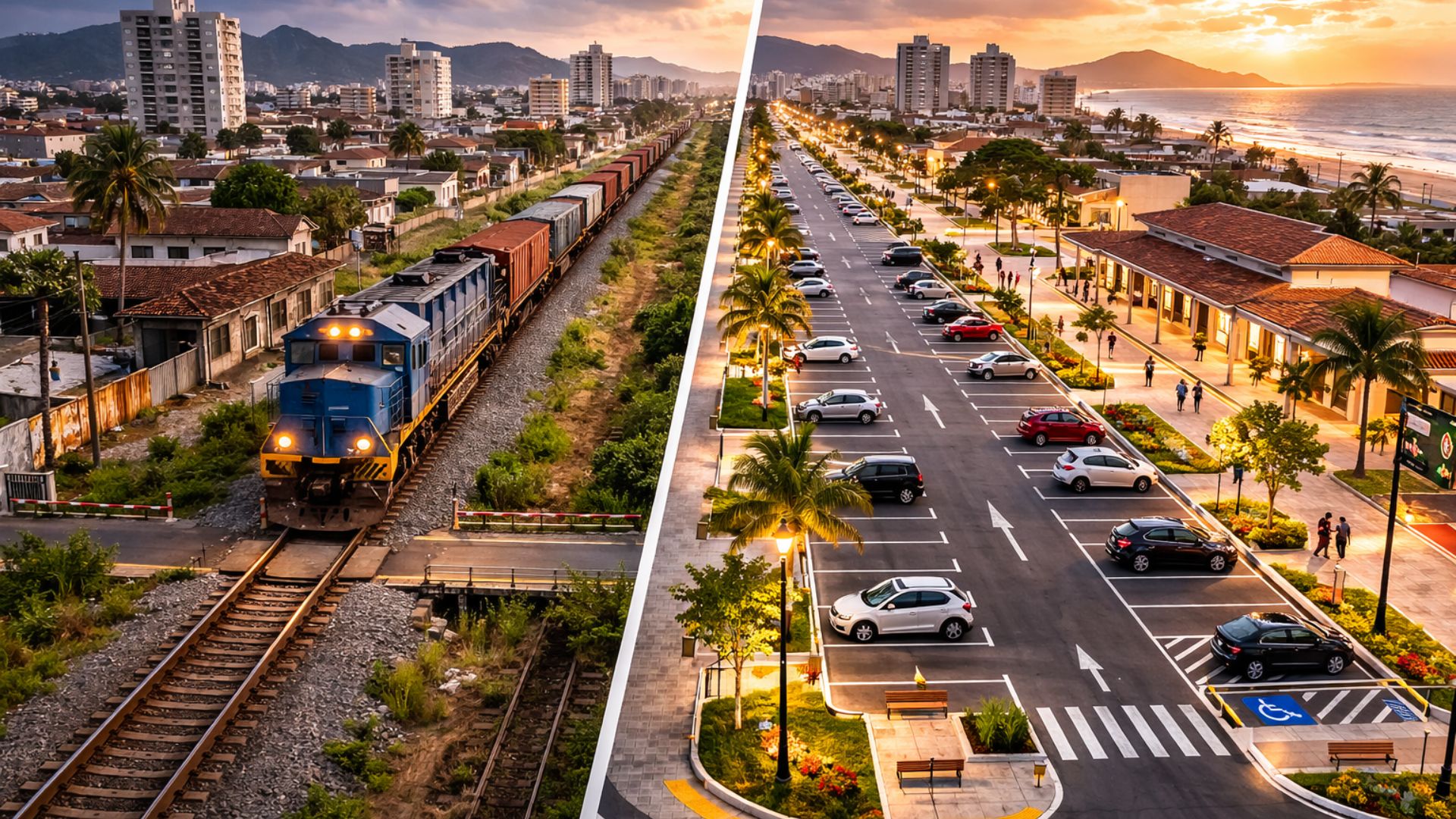
Famous Brazilian Railway May Become a Parking Lot
-
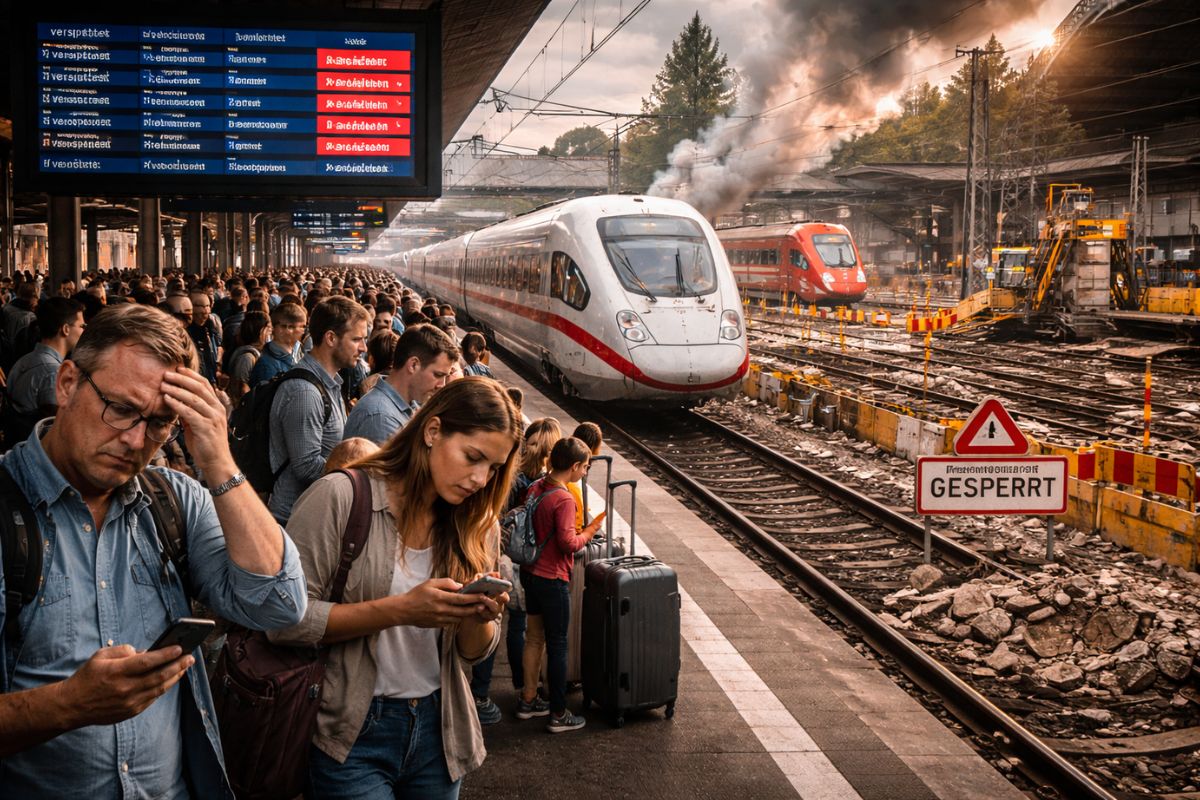
The Country of “Punctual As a Train” Admits It Has Lost Control: High-Speed Trains Delay, Stop, Disappear from the Map and Turn 6-Hour Trips into 10, While Deutsche Bahn Promises Restructuring in 2026 But Faces 19th Century Infrastructure, Staff Shortages and Sections Closed for Months
-
With an Investment of R$ 700 Million in One of the Country’s Main Rail Networks, VLI Reinforces Infrastructure, Receives 8 New Locomotives, and Expands the Corridor Connecting 7 States, Boosting Jobs and the Transportation of Grains, Ore, and Oil Products to the Port of Santos

The South Korean system transports about 7 million people daily across a network of over 300 stations, combining clear signage, integration between lines, and easy access even for those who do not speak Korean.
The simple fare is around 1 dollar, and under normal conditions, passengers never wait more than three minutes between trains.
The platforms and carriages are so clean that it is reported that one could eat off the floor, with heated seats, free Wi-Fi, and a large offering of shops and vending machines.
The theft rate is so low that informal tests have left bags filled with items abandoned for over an hour without being taken, reinforcing the perception of safety and adherence to rules.
Hong Kong And Bangkok, Crowded Subways, But Organized And Punctual

In the block of efficient systems within the ranking of the best and worst subways in the world, Hong Kong stands out for its operational numbers.
The MTR transports around 5 million people daily across 166 stations and records a punctuality rate of 99.9 percent, a level rarely achieved in large networks.
Instead of conventional tickets, the city popularized the Octopus card, a contactless rechargeable payment method that simplifies boarding and transfers.
High-speed escalators, quick transfers between lines, and standardized signage form a system designed to reduce surface congestion.
The logic is simple: the more reliable the subway, the less dependence on cars in daily life.
Bangkok appears as a case of a system still expanding, but with potential.
The Thai MRT registers about 92 million passengers annually and operates clean, safe, and efficient stations.
The financial crisis of 1997 delayed construction and increased bottlenecks, but the city plans to extend dozens of miles of tracks to serve one of the most visited metropolises on the planet, currently with trains that become extremely crowded during peak hours.
Moscow, Underground Museum And High-Capacity Corridor


On the spectrum of the best and worst subways in the world, Moscow combines operational performance with aesthetic impact.
Each station works as a sort of underground museum, featuring monumental architecture, mosaics, stained glass, chandeliers, and sculptures that hark back to the Soviet era.
The circular route, with stations deep about 250 feet below the surface, creates a high-capacity system, considered the longest in the world outside China, with around 270 miles of track.
In some stations, like Mayakovskaya, the ensemble resembles a ballroom, reinforcing the idea that the subway is a showcase of power, art, and engineering all at once.
Pyongyang, Extreme Depth And Unsettling Experience
At the other end of the scale, yet still among the most striking systems of the best and worst subways in the world, Pyongyang draws attention for its depth and internal atmosphere.
The North Korean subway is described as the deepest underground railway system on Earth, with platforms about 360 feet below the street, equivalent to a 36-story building turned upside down.
A single escalator ride can take up to three and a half minutes between the street level and the platform.
Socialist murals, propaganda music over loudspeakers, staff in military-style uniforms, and quiet passengers create a rigid, almost staged environment.
The reported feeling is one of a strange and tense experience, where basic efficiency coexists with a permanent atmosphere of surveillance.
Mumbai, Delayed Expansion And Chronic Overcrowding
When the focus shifts to the best and worst subways in the world, Mumbai appears as an example of a system under construction that still does not meet the scale of the city.
With about 22 million inhabitants and an annual growth rate of around 2 percent, the Indian metropolis faces a challenge: making the subway keep pace with the population explosion.
Designed to alleviate chaotic surface traffic, the Mumbai subway continues as a work in progress, with completion expected only by the end of 2026.
Land procurement issues, alignment mistakes, and poor implementation delay deliveries and keep part of the population dependent on overcrowded trains and congested buses.
In practice, the system is still far from providing the relief promised to the city’s routine.
Venezuela, Economic Crisis Reflected Underground
In the scope of the best and worst subways in the world, Venezuela is used as an extreme example of how macroeconomic crises appear on the tracks.
The country that once had one of the most prosperous economies in Latin America saw the combination of falling oil prices, political collapse, and hyperinflation hit the subway hard.
In 2018, the system became completely free due to a lack of resources to print tickets, as the government was unable to transfer cash to the transport authorities.
Frequent blackouts, electrical failures, closed stations during moments of political instability, and episodes of violence within the tunnels place the Venezuelan subway among the most precarious experiences reported in this global comparison.
New York, Global Icon With Slow Trains, Delays, And Insecurity
It is impossible to talk about the best and worst subways in the world without mentioning New York, perhaps the most famous system on the planet.
The reputation, however, no longer matches performance. Users face slow trains, constant construction, recurring delays, and platforms marked by trash, leaks, and flooding episodes on days of heavy rain.
Reports indicate a rise in crimes within the system, with an increase of around 73 percent in a recent year, as well as high-profile cases, such as the attack where a man launched smoke grenades and opened fire inside a car, leaving at least 23 injured.
The combination of insecurity, overcrowding, and lack of maintenance leads New Yorkers to describe themselves as united in frustration with their own subway.
What The Global Comparison Teaches About Urban Transport
The joint reading of the best and worst subways in the world shows that there is no one-size-fits-all solution.
Seoul and Hong Kong exemplify what happens when constant investment, technology, cleanliness, and a culture of respect come together.
Moscow proves that a subway can be both functional and aesthetically striking.
Pyongyang, Mumbai, Venezuela, and New York, each in their way, highlight how economic, political, and planning issues build up underground until they directly affect the lives of those who depend on public transport.
In the end, this panel serves as a thermometer of what cities are willing to offer in exchange for the time and trust of their residents.
Whoever delivers safety, punctuality, and comfort reduces daily stress and strengthens the urban economy; those who fail force millions of people to waste hours on delays, risks, and improvisation.
In your opinion, which city today deserves to be at the top of the list of the best and worst subways in the world and why?










Seja o primeiro a reagir!