





 Portuguese
  English
  Spanish
  4 min of reading
  0 comments


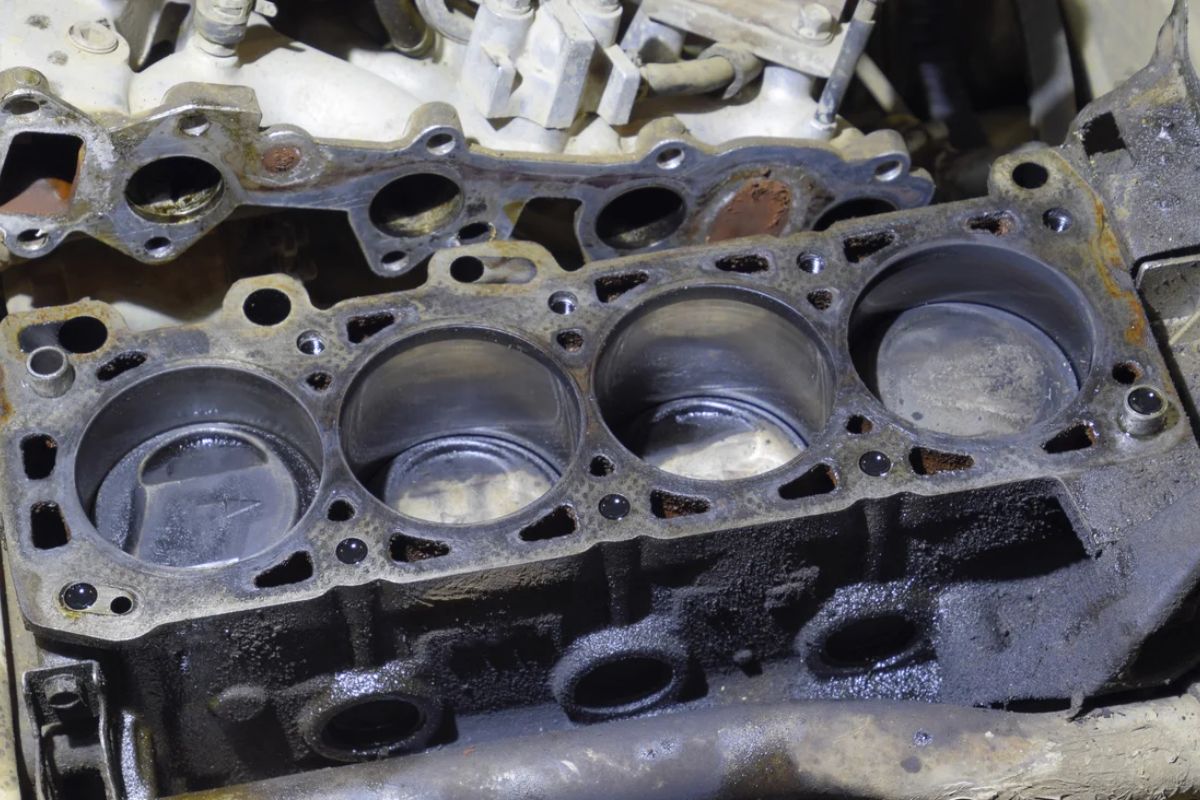
Carbon Build-Up Can Compromise The Performance And Durability Of Many Car Engines In Brazil. Learn About The Most Susceptible Engines, The Causes, And How To Prevent This Costly Problem.
Carbon build-up in car engines is a persistent challenge in the Brazilian automotive landscape, affecting performance, fuel consumption, and, in severe cases, the vehicle’s lifespan. Some popular engines in the country show a pronounced susceptibility to this phenomenon.
As of May 2025, carbon build-up continues to be a “headache” for many car engine owners in Brazil. This problem compromises functionality, increases fuel consumption, and can reduce the durability of the vehicle. Technologically advanced engines, such as those with direct injection (GDI) and turbo, may be more sensitive, especially with the variable quality of fuels and oils in the country and not always ideal maintenance practices. Knowing the most affected car engines is crucial.
Understanding Carbon Build-Up: What Is It, Where Does This Problem Occur, And What Are The Symptoms In Car Engines?
Carbon build-up is the gradual accumulation of solid carbon deposits (soot, residues from incomplete fuel combustion, and oil decomposition) in internal engine components. It primarily occurs in intake valves (critical in GDI engines, which do not ‘wash’ them with fuel), piston crowns, combustion chambers, fuel injectors, and, in diesel engines, in the intake manifold and EGR valve.
-
OMODA & JAECOO grows in Europe in 2026 with an integrated strategy of sales, innovation, local production, and technological advancement in the United Kingdom, Italy, and Spain.

-
OMODA & JAECOO expands after-sales service in Brazil with competitive maintenance, a 7-year warranty, and high availability of parts for technological SUVs.

-
OMODA & JAECOO appoints Alessandra Souza as executive marketing director in Brazil and accelerates brand expansion with a focus on innovation, networking, and hybrid portfolio.

-
Jaecoo 7 with super hybrid SHS system exceeds 1,200 km of combined range with a 1.5 turbo engine, high-density battery, and intelligent energy management.


Common symptoms of a carbonized engine include loss of power, increased consumption, acceleration failures, irregular idle, difficulty starting, and noises such as “pinking”. Increased pollutant emissions are also a sign. General causes involve the type of injection, fuel and oil quality, driving style (many short trips), and the positive crankcase ventilation (PCV) system.
THP Engines (PSA/Stellantis): A Well-Known History Of Carbon Build-Up In Peugeot And Citroën
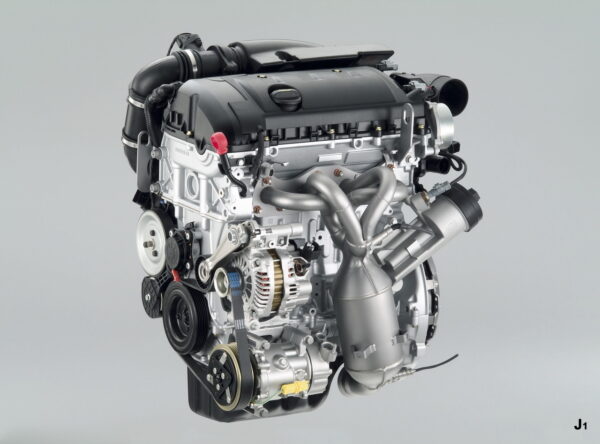
The THP (Turbo High Pressure) engine, a collaboration between PSA (Peugeot-Citroën, now Stellantis) and BMW, equipped models like Peugeot 3008, 208 GT, 308, and Citroën C4 Lounge, DS3 (especially earlier gasoline versions). Being a direct injection engine, it is vulnerable to carbon build-up on the intake valves.
Sensitivity to Brazilian low-quality gasoline or octane lower than recommended (premium) and lambda sensor failures also contribute to deposits in the combustion chamber and fuel injectors. Meticulous maintenance (correct oil, filters, spark plugs) is crucial.
VW TSI Engines (EA211 And EA888): The Vulnerability Of Direct Injection In Some Volkswagens
The Volkswagen TSI engines, such as the popular 1.0 TSI and 1.4 TSI (EA211 family in Up! TSI, Polo, Virtus, Golf) and 2.0 TSI (EA888 family in Jetta, Golf GTI), can also suffer from carbon build-up. The primary accumulation site is in the intake valves and ducts, due to the ‘dry’ operation of direct injection.
Severe urban usage, poor quality fuel and oil are aggravating factors. Interestingly, a Golf 1.4 TSI in a long-term test by Quatro Rodas showed a clean engine, indicating that rigorous maintenance and type of use can mitigate the problem. Solutions include cleaning injectors and valves, and the use of “oil catch can”.
2.0 Multijet Diesel Engines (Stellantis): The Challenge Of Soot In The Intake System In Fiat And Jeep
The 2.0 Multijet diesel engine, found in vehicles like Fiat Toro diesel, Jeep Renegade diesel, and Jeep Compass diesel, has a history of carbon build-up issues. The accumulation of carbon concentrates in the intake manifold and the EGR valve (Exhaust Gas Recirculation).
This occurs due to soot from diesel combustion, fuel quality (S-10 diesel is recommended), and gas recirculation. Symptoms include loss of power and increased consumption. Regular cleaning of the intake and EGR systems is recommended.
How To Combat Carbon Build-Up In Car Engines
Prevention is the best approach. Strictly follow the manufacturer’s maintenance plan, using oil with the correct specification and changing filters on schedule. Use good quality fuel (additive/premium gasoline or S-10 diesel) and consider cleaning additives. Avoid frequent short trips. If carbon build-up occurs, methods include chemical or manual cleaning at a shop. For GDI engines, an “oil catch can” may help reduce deposits on intake valves.
Chronic carbon build-up affects various popular car engines in Brazil, such as the THP, some VW TSI, and the 2.0 Multijet diesel. The problem is multifactorial, involving engine design, quality of inputs, and maintenance. Owners and buyers should research the engine’s history, adhere to preventive maintenance, and be attentive to symptoms. Awareness and demand for more robust engines and clear information are key to a more reliable automotive market.










-

Uma pessoa reagiu a isso.