





 Portuguese
  English
  Spanish
  3 min of reading
  6 comments


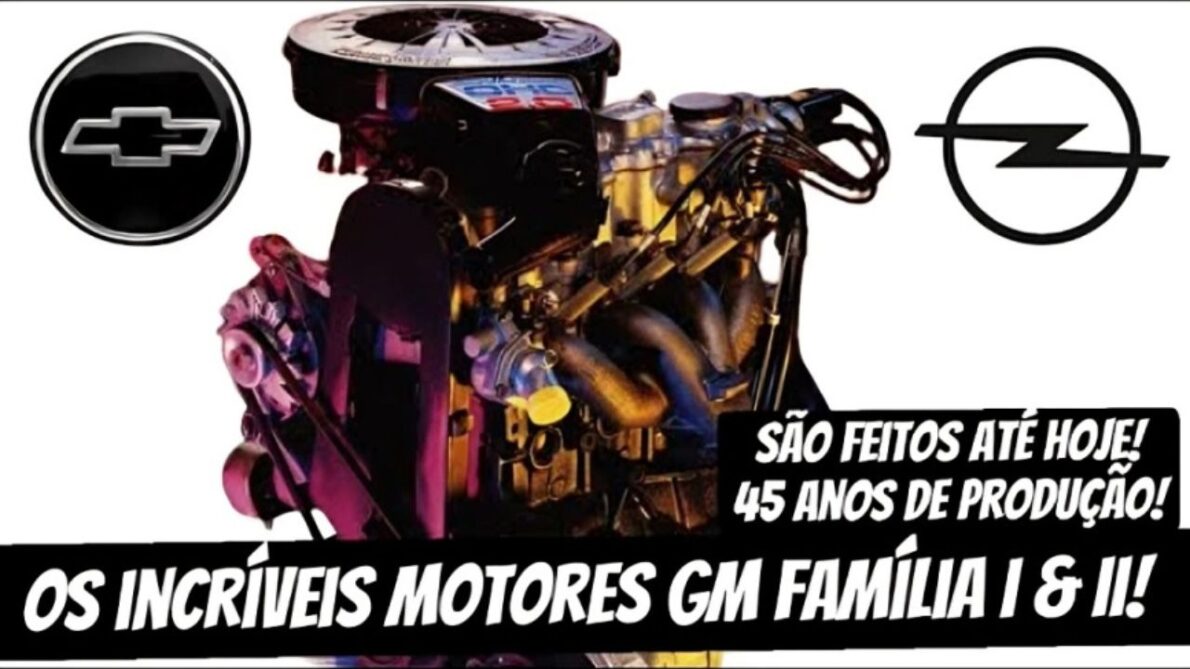


If You Think Engines Are Just Pieces of Metal That Make the Car Go, Get Ready to Change Your Mind! The GM Engines from the 1 Family and 2 Family Are True Legends That Conquered Not Only Hearts but Also Roads Around the World, Especially in Brazil. We Are Talking About a Story of 45 Years of Innovation, Reliability, and Performance That Transformed the Way We See Automotive Engineering. Sounds Exaggerated? Wait Until You Know the Details!
It All Started in the 1970s When Opel, Then Part of the General Motors Group, Developed Two Series of Revolutionary GM Engines: the 1 Family and 2 Family. Europe, Still Facing the Challenges of the Oil Crisis, Was Calling for More Economical and Efficient Engines. Opel Met This Demand with the 13N Engine, a Compact 1.3L with a Cast Iron Block and Aluminum Head, Launched in 1979 on the Kadett. These Engines Soon Caught the Attention of Chevrolet in Brazil, Which Saw Them as the Future of Their Vehicles.
Performance and Versatility: Immediate Success of GM Engines
Since the Late 1970s, GM Engines from the 1 Family and 2 Family Have Equipped Various Vehicles in Brazil, Such as the Legendary Monza, the Kadett, and Even the S10, Always Delivering a Combination of Performance and Durability.
The 1 Family Had Smaller Engines, Such as the Popular 1.3L and 1.4L, Ideal for Compact Cars. The 2 Family Brought More Robust Options, Such as the 1.8L and 2.0L, Which Gave Extra Breath to Larger and Sportier Models.
-
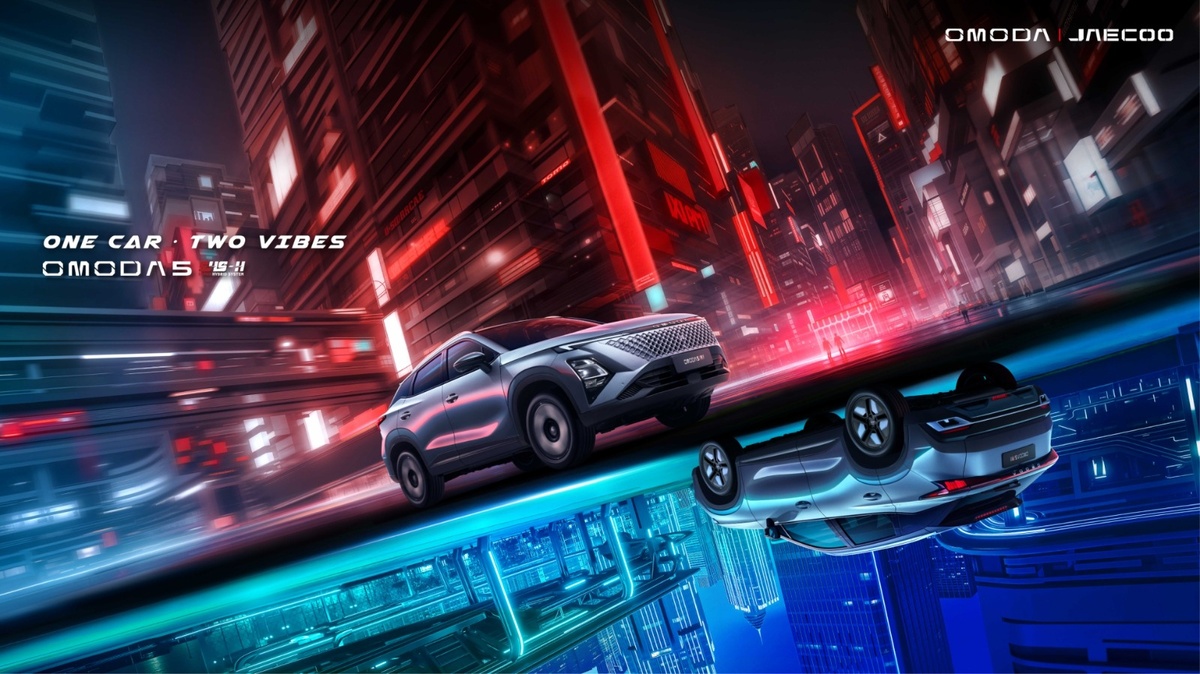
OMODA & JAECOO grows in Europe in 2026 with an integrated strategy of sales, innovation, local production, and technological advancement in the United Kingdom, Italy, and Spain.
-
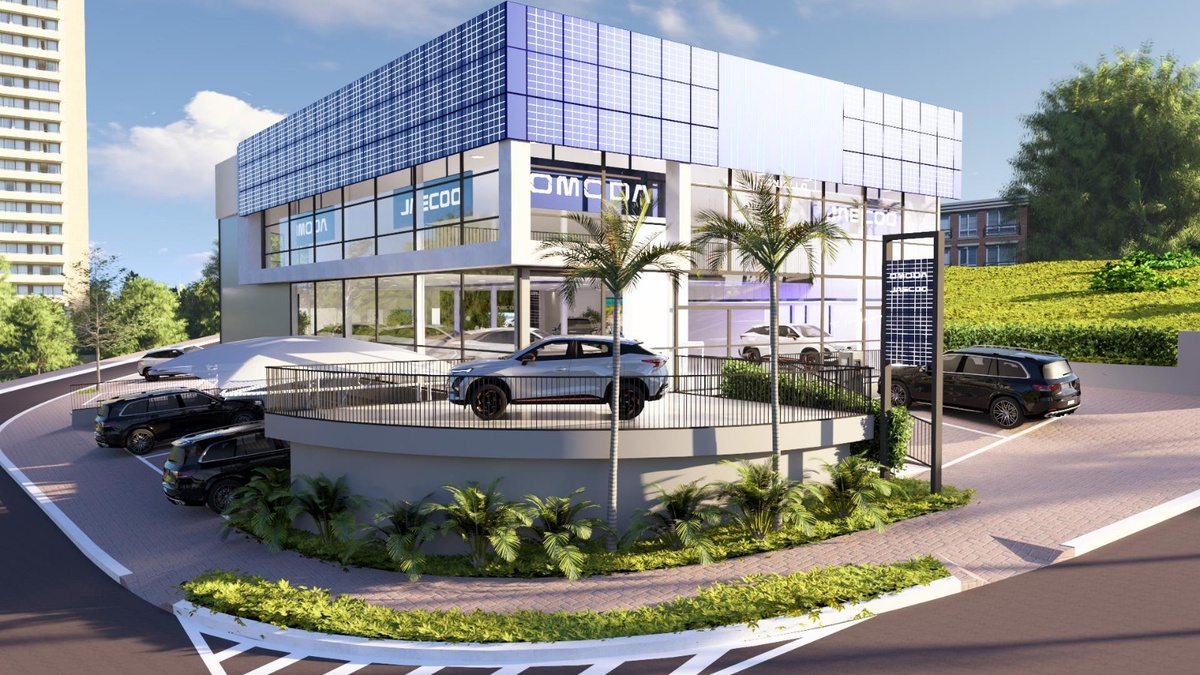
OMODA & JAECOO expands after-sales service in Brazil with competitive maintenance, a 7-year warranty, and high availability of parts for technological SUVs.
-
OMODA & JAECOO appoints Alessandra Souza as executive marketing director in Brazil and accelerates brand expansion with a focus on innovation, networking, and hybrid portfolio.

-
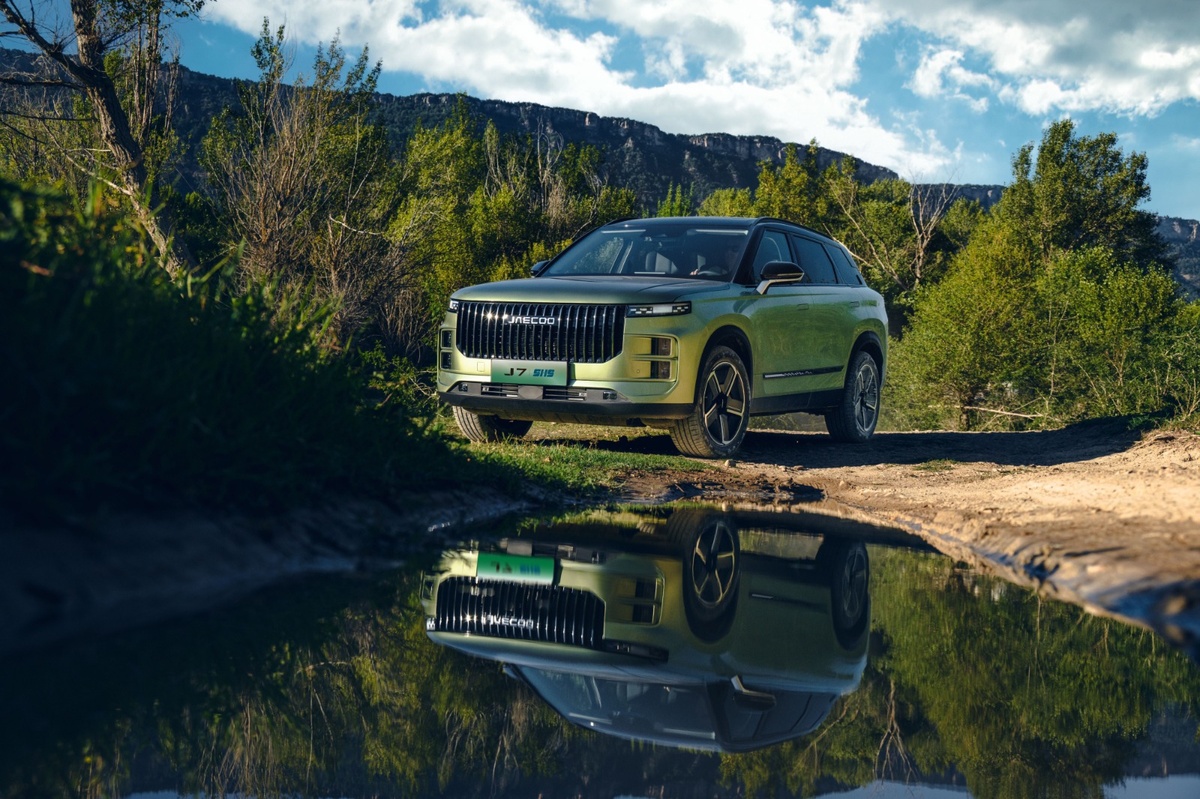
Jaecoo 7 with super hybrid SHS system exceeds 1,200 km of combined range with a 1.5 turbo engine, high-density battery, and intelligent energy management.

In the Monza, for Example, the 1.8 Engine with 86 Horsepower Launched in 1983 Was a Turning Point, Addressing Complaints About Low Performance from Previous Versions. With the Introduction of Five-Speed Transmissions and More Powerful Engines, the Model Became One of the Best-Selling in Brazil for Consecutive Years.
Family 1 vs. Family 2: Similarities and Differences
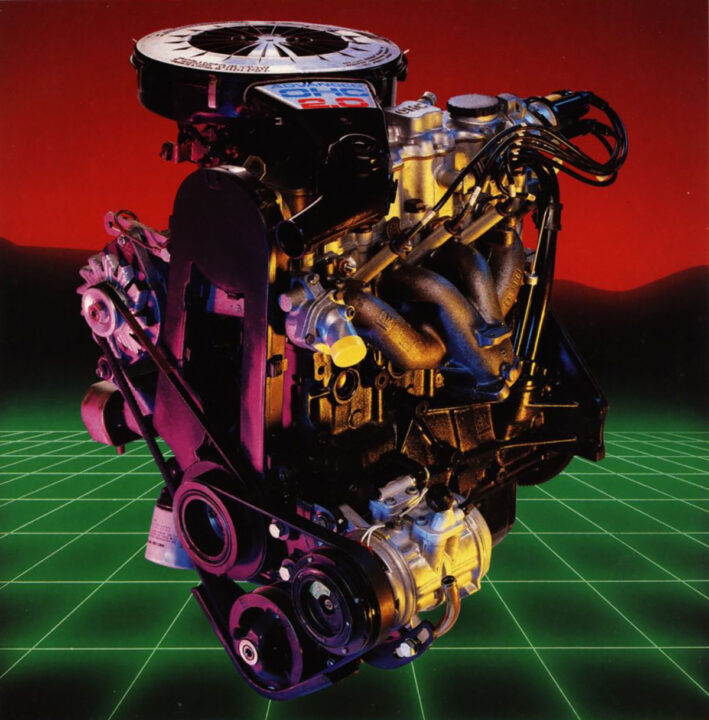
Although Both GM Engines Share the Same Philosophy of Simple and Robust Design, Some Technical Differences Distinguish Them. The 1 Family Had a Smaller Block, with Components Arranged Differently from the 2 Family.
For Example, in the 1 Family, the Oil Filter Was Located Next to the Exhaust Manifold, While in the 2 Family, It Was on the Opposite Side, Next to the Intake Manifold. This Distinction Helped Adapt the Engines for Different Types of Vehicles, Optimizing Performance According to Needs.
The 2 Family, Being More Reinforced, Was the Ideal Choice for Larger and Even Sporty Models, Such as the Sporty Manta and the Sedan Vectra, Which Managed to Use Turbocharged or Multi-Valve Versions, Offering Superior Performance for More Demanding Drivers.
The Evolution Over the Years
These Engines Followed the Technological Evolution of the Automotive Industry. In the 1990s, the 1 Family and 2 Family Received Electronic Fuel Injection, Replacing Carburetors, Resulting in More Efficiency and Fewer Pollutant Emissions.
In Europe, Opel Launched a 2.0L Multi-Valve Version of the 2 Family, Which Managed to Develop 156 Horsepower in the Kadett GSI. And for Those Who Wanted a Spicier Touch, the C20XE, Developed in Partnership with Cosworth, Put the Engines from the 2 Family on the Map of Sporty Cars.
Even with the Arrival of New Generations of Engines, Such as the Ecotec Line, the 1 Family Remained Alive, Equipping Models like the Onix Until the Mid-Last Decade. To This Day, the Spin Minivan Uses a Modernized Version of the 1.8 Engine from the 1 Family, Showing That Simplicity and Reliability Continue to Be Preferred by Many Consumers.
The Legacy of GM Engines in Brazil

It Is No Wonder That GM Engines from the 1 Family and 2 Family Became Icons in Brazil. They Helped Consolidate the Image of Durability and Performance of Chevrolet in the Country, Winning Over Everyone from Drivers of Popular Cars to Fans of More Sporty Models.
Over the Decades, These Engines Proved That They Can Be Simple and Efficient, Without Compromising Performance, and Still Today They Remain a Benchmark in Reliability.
Whether in the City or on the Road, with Gasoline or Ethanol, GM Engines from the 1 Family and 2 Family Continue to Run, Strong and Sturdy, Powering Cars and the Stories of Thousands of Brazilians.







Chevrolet foi boa na década de 80 e até 2010.
Corsa g1 e g2. Kadett. motor 1.6 e motor 1.8
Vocês tem algo em comum com o canal “veículos e histórias mostrado na matéria?
Estes motores não eram nem bons nem tecnológicos. Sequer duráveis. Não chegam no chinelo de um Toyota ou Honda. E só ficaram tanto tempo em linha porque a GM nunca mais foi a mesma depois que faliu.