





 Portuguese
  English
  Spanish
 3 min of reading
  0 comments


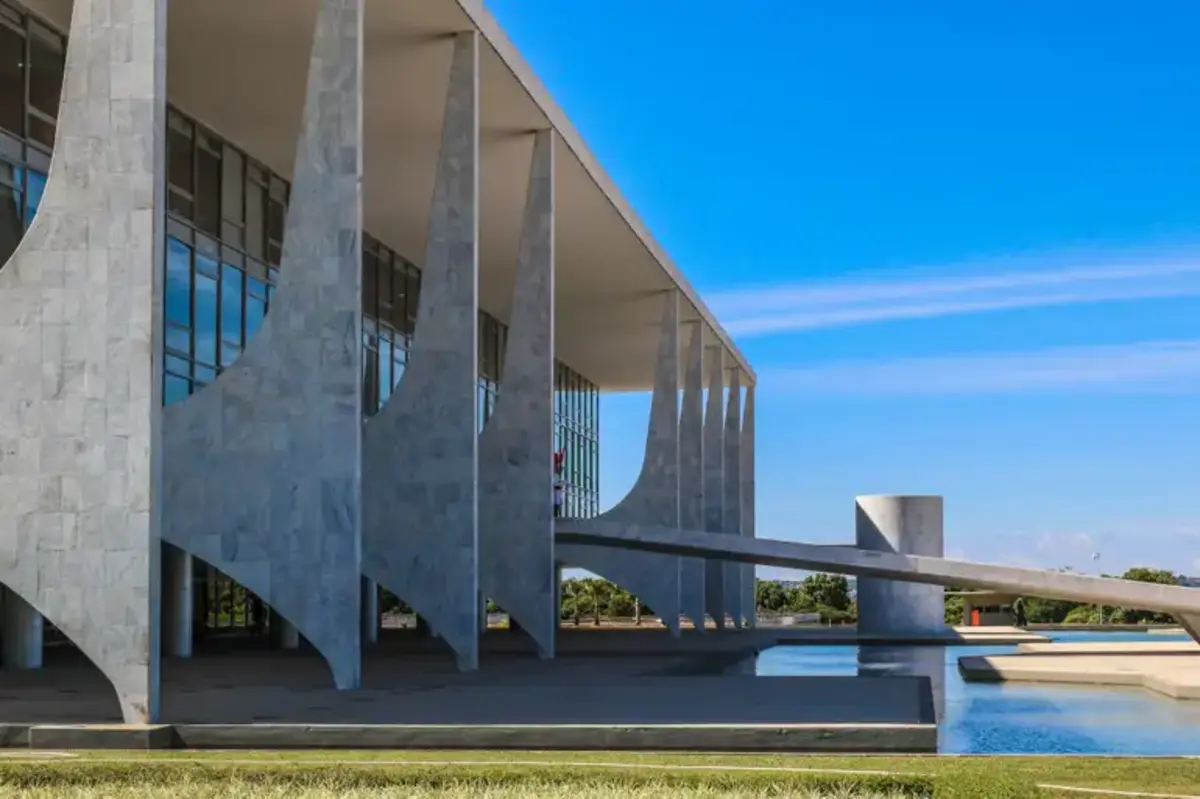
Throughout Brazil’s Republican History, Several Presidents Held Office for Brief Periods — Some for a Few Days, Others Never Took Office, Interrupted by Crises, Coups, or Illnesses
Throughout the History of Republican Brazil, some presidents did not even complete one hundred days in office. Among removals due to illness, caretaker mandates, and political crises, at least four holders and two military or provisional juntas held the presidency for brief periods, in addition to four others who never even assumed the office.
One of the shortest cases was that of Carlos Luz, who was in office for only three days. President of the Chamber of Deputies, he took over from Café Filho in 1955 after the latter stepped down for health reasons.
Luz attempted to prevent Juscelino Kubitschek from taking office but was accused of conspiring with military sectors to stage a coup. The plan failed, and he ultimately faced impeachment from the senators, leaving power in record time.
-
Son of a seamstress from the rural area of Ceará who did not speak English wins a scholarship of over 2 million reais at Williams College, one of the top 10 universities in the United States, covering everything including dormitory, meals, and annual trips to Brazil.

-
Bill Gates revealed that the true secret behind every great achievement is not a brilliant leap but rather small improvements repeated over the years, and the data from his own career and the fight against climate change prove that he is right.

-
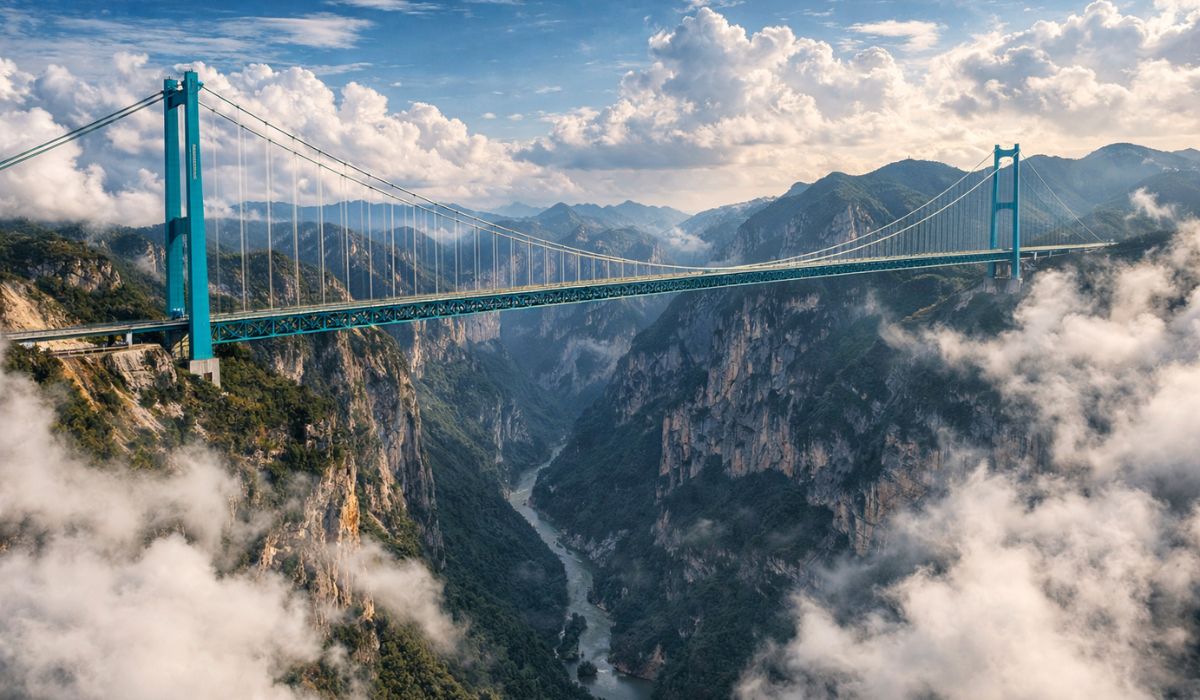
With 22 thousand tons of steel, a height nearly three times greater than the Eiffel Tower, and a cost of R$ 1.6 billion, China is building the highest bridge on the planet over a colossal canyon, reducing a crossing time of over 2 hours to just over 2 minutes.
-
With more than 635,000 doctors, Brazil sees competition increasing in large cities, and recent graduates are competing for shifts at an accelerated pace while the countryside still faces shortages.


Ranieri Mazzilli — 13 Days in Power
Ranieri Mazzilli also had two short terms, both lasting only 13 days. The first was in 1961 and the second in 1964. In both cases, he acted as interim president while the country experienced moments of transition and political instability.
Nereu Ramos — 81 Days in Office
Another important name is Nereu Ramos, who governed for 81 days. He took over the presidency after Carlos Luz and Café Filho were prevented from continuing in office.
Ramos was the Senate vice president and led the country until Juscelino Kubitschek’s inauguration in January 1956. During his brief administration, he governed under a state of siege for two months in an attempt to mitigate the risk of a coup d’état.
José Linhares — 94 Days
José Linhares, then president of the Supreme Federal Court, took over the country’s command in 1945 after the deposition of Getúlio Vargas.
His government lasted 94 days and focused on the redemocratization of Brazil. In a short time, he faced issues like inflation, made investments in higher education, and worked on road recovery. After leaving the presidency, he returned to the Federal Supreme Court.
Provisional Governing Junta and Military Junta
In addition to these short-term presidents, Brazil also had two juntas in power for a limited time. The first was a Provisional Governing Junta, which led the country for ten days in 1930, and the second was a Military Junta, which was in charge of the government for 60 days in 1969.
Did Not Even Take Office
There were also cases of presidents who never took office. Júlio Prestes, elected in 1930, did not assume due to the revolution that year.
He was replaced by a governing junta. In 1969, Pedro Aleixo, Costa e Silva’s vice president, was prevented by the military from assuming the presidency after the incumbent suffered a stroke.
Other two notable names on this list are Rodrigues Alves and Tancredo Neves, both elected but prevented from taking office due to health issues.
Alves had been elected for a second time in 1918 but died of the Spanish flu in January 1919, before reassuming office. Interestingly, he was one of the leaders who fought most for the improvement of sanitary conditions in Rio de Janeiro in the early 20th century, alongside physician Oswaldo Cruz.
Tancredo Neves, in turn, was the first civilian president elected after 21 years of military dictatorship. He was chosen by the Electoral College on January 15, 1985, but fell ill in March of the same year and died a little over a month later, on April 21. His vice, José Sarney, took over temporarily and was later inaugurated as president.
These episodes show that although the presidential term in Brazil is typically four years, not everyone elected or inaugurated managed to conclude even their first hundred days.
The country has been led by interim presidents, provisional juntas, and politicians barred due to health crises or moments of institutional tension.
With information from O Globo.






Seja o primeiro a reagir!