





 Portuguese
  English
  Spanish
 3 min of reading
  0 comments


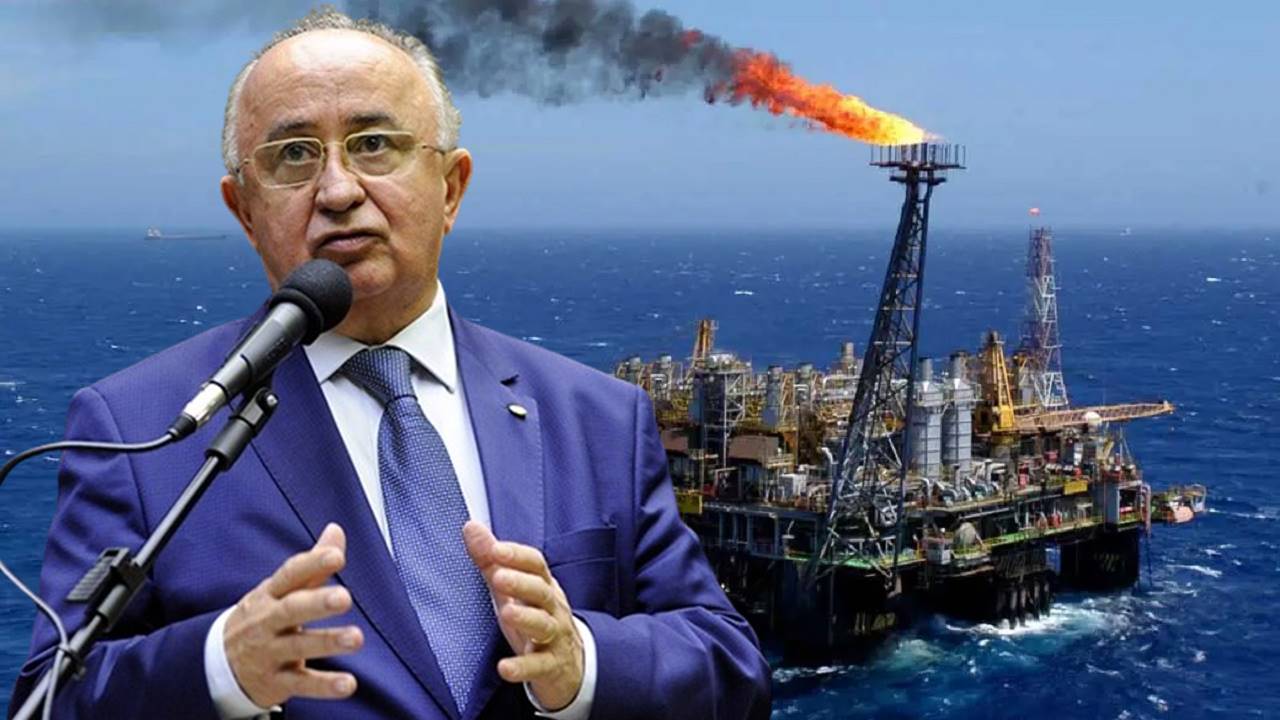
At The Heart Of The Dispute Over Oil Royalties, Representative Júlio César Emerges As A Central Figure In The Legal Battle To Secure A Fair Distribution For Non-Producing States.
Since the discovery of the pre-salt, Brazil has faced the challenge of equitably distributing the wealth generated by oil exploration. In this scenario, Representative Júlio César (PSD/PI) has been an active and persistent voice in the fight to ensure that non-producing states receive a fair share of oil royalties, especially after the ANP released the billion-dollar amounts that some municipalities received in 2023 here.
This battle, which has been ongoing since 2013 in the Supreme Federal Court (STF), seeks to revise the current distribution model that predominantly favors producing states like Rio de Janeiro, São Paulo, and Espírito Santo.

The Unflagging Effort Of Júlio César
Júlio César, in his actions, has not only raised the issue in the National Congress but has also been a fundamental facilitator in trying to unlock the stalemate in the STF. His efforts focus on a lawsuit that questions the current distribution of royalties, highlighting the need for a more equitable division that encompasses all Brazilian states, regardless of their location or oil production.
-
Piauí will produce a new fuel that replaces diesel without needing to change anything in the truck’s engine and reduces pollutant gas emissions by half: truck drivers from all over the Northeast are already celebrating the news that will arrive later this decade.

-
A new Brazilian shopping center worth R$ 400 million will be built in an area equivalent to more than 4 football fields, featuring 90 stores, 5 cinemas, a supermarket, a college, and parking for 1,700 cars, potentially generating 3,000 jobs.

-
Larger than entire cities in Brazil: BYD is building a 4.6 km² complex in Bahia with a capacity for 600,000 vehicles per year, but the discovery of 163 workers in conditions analogous to slavery has shaken the entire project.

-
With an investment of R$ 612 million, a capacity to process 1.2 million liters of milk per day, Piracanjuba inaugurates a mega cheese factory that increases national production, reduces dependence on imports, and repositions Brazil on the global dairy map.

Economic And Social Impact Of Royalties
The distribution of oil royalties is not just a matter of fiscal justice, but also of social and economic development. Non-producing states estimate significant losses, with over R$20 billion left unreceived between 2013 and 2017. These resources could be invested in critical areas such as education, health, and infrastructure, promoting an improvement in the quality of life for the population and fostering regional development.
Strategic Maneuvers And The Fight In The STF
Júlio César’s determination to resolve this issue has led to an unprecedented mobilization. After meeting with over 20 mayors, who expressed the urgency of this redistribution, the representative managed to schedule a meeting with the president of the STF to discuss the future of royalties. This meeting, set for after Carnival, signals a potentially transformative moment in the long dispute.
The Pursuit Of Resolutions And Justice
The action in the STF, stalled by a preliminary injunction from Minister Carmen Lúcia, symbolizes the challenge faced in seeking a fair solution. Júlio César, however, remains optimistic, based on the new STF norm that requires the consideration of injunctions within 90 days, hoping that justice will prevail and that the distribution of royalties will finally reflect the principles of equity and social justice.






Seja o primeiro a reagir!