





 English
  Francês
  Alemão
  Italiano
  Japonês
  Norueguês
  Portuguese
  Spanish
  4 min of reading
  0 comments





Toyota Technology Revolutionizes Energy Efficiency in Brazil in 2025 and Surprises by Outperforming Even Compact Cars in Consumption, Performance, and Sustainability.
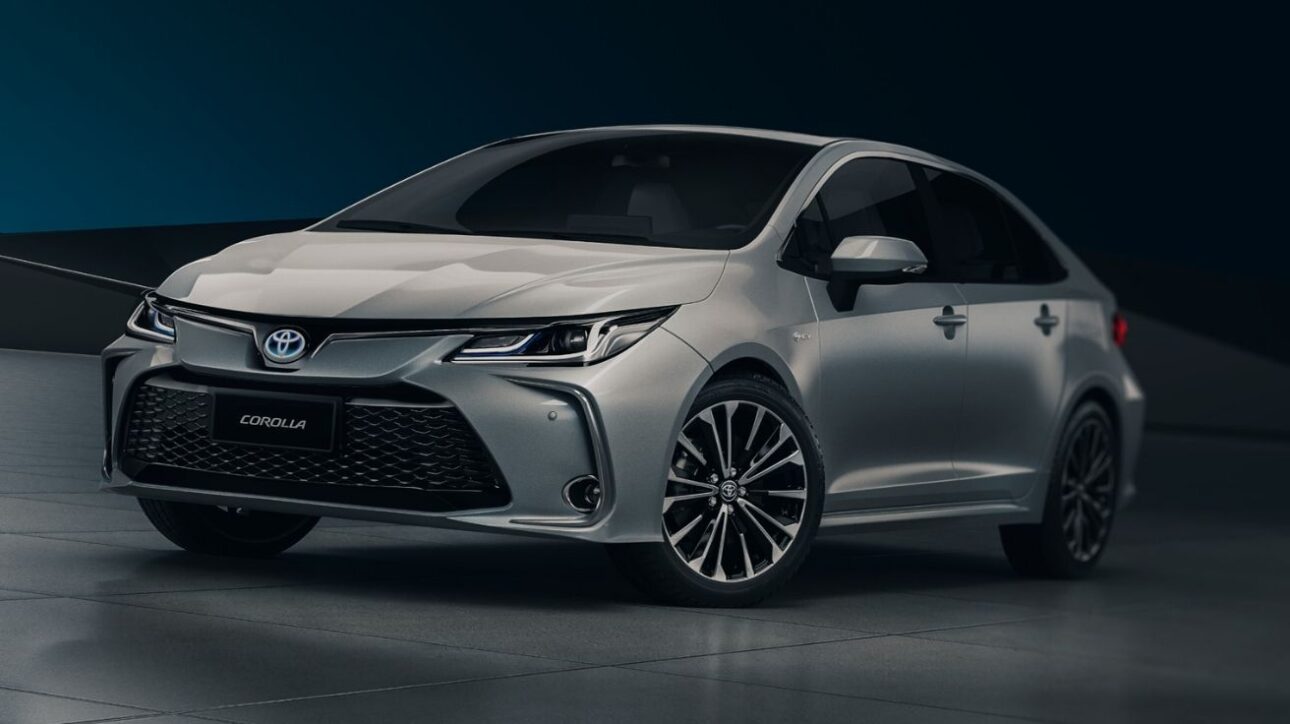
The Toyota Corolla Hybrid 1.8 Flex took the absolute lead in 2025 as the most efficient engine in Brazil.
According to data released by the Brazilian Vehicle Labeling Program (PBE Veicular) from Inmetro, it achieves an impressive 1.21 MJ/km, a mark that puts it ahead even of compact and light electric cars.
Among vehicles with combustion or hybrid engines, no one exceeded this performance.
-
Explorers find Roman treasure trapped between rocks on the seabed for nearly 1,600 years and reveal a desperate attempt to hide 53 gold coins during the invasions of the Empire.

-
Archaeologists discover Roman vase buried for over 2,000 years with more than 175 intact gold and silver coins, revealing a desperate strategy to protect wealth during the collapse of the Empire.

-
With 241 meters, 48 thousand tons, and a structure designed to accompany aircraft carriers at sea, the Chinese ship that refuels fleets in motion was born to push Beijing away from the coast and has become the hidden gear of its naval projection.

-
“Discreet” city in the interior of SP stands out among the smartest in Brazil thanks to a national ranking.


Unbeatable and surprising data, considering that the hybrid Corolla is not fully electric but rather a 1.8-liter flex vehicle.
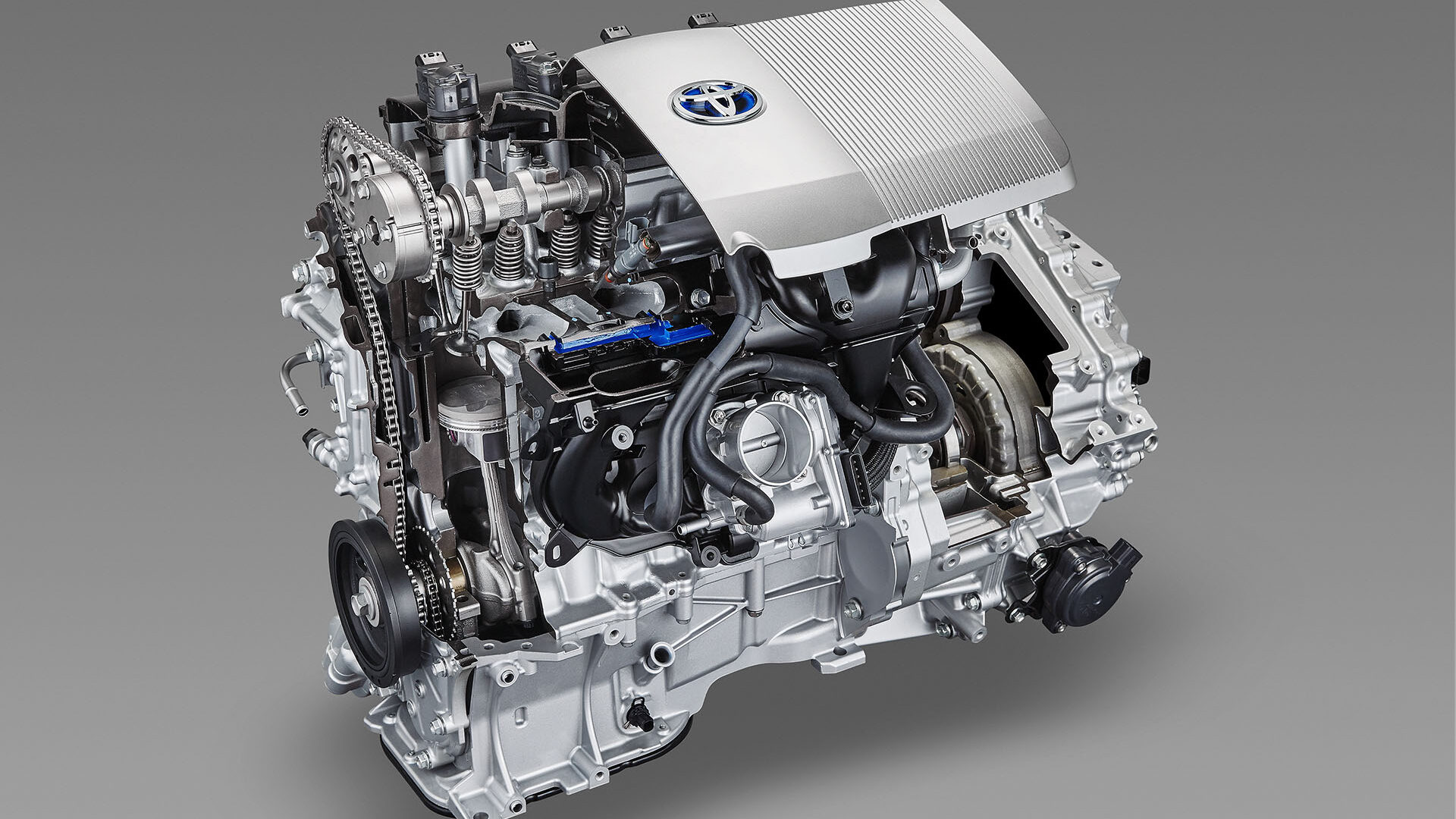
The engine combines gasoline and ethanol, coupled with an intelligent electrical system: in urban traffic, the electric motor takes care of the traction; in hard accelerations or at higher speeds, the combustion engine takes over, aided by energy recovered during braking.
The result is a record consumption — 1.21 MJ/km with ethanol and about 1.26 MJ/km with gasoline, ensuring a “B” energy efficiency label.
Comparison with Other Hybrid and Flex Models
Toyota Corolla Cross Hybrid: achieved 1.29 MJ/km, still ahead of rivals by sharing a technological base with the sedan.
Fiat Cronos 1.3 CVT: recorded 1.50 MJ/km.
Hyundai HB20S 1.0 Turbo: reached 1.51 MJ/km.
Models such as Honda City, Onix Plus, Renault Kwid, and Volkswagen Virtus show consumption between 1.42 and 1.66 MJ/km.
No one comes close to the energy efficiency of the hybrid Corolla.
Even light hybrid flex SUVs, such as Fiat Pulse and Fiat Fastback, have 1.54 and 1.62 MJ/km respectively — figures that do not compete with the superior performance of Toyota technology.
Toyota Hybrid System Technology
The flex hybrid system of the Corolla integrates a 1.8-liter combustion engine (flex-fuel) with two electric motors.
A highly sophisticated electronic controller determines the use of the engines automatically based on parameters such as speed, battery charge, and torque demand.
Electric Mode: at low speeds and startup, it uses only the electric motor, eliminating fuel consumption.
Assisted Mode: in accelerations or constant speed, the combustion engine kicks in, working together with the electricity generated.
Energy Recovery: braking and decelerations regenerate energy stored in the battery, reducing dependence on fuel.
e-CVT Transmission: continuously variable transmission that removes typical mechanical losses of automatic transmissions, optimizing performance and consumption.
Aerodynamic and Electronic Adjustments: from the redesigned body to software that coordinates engines and driving modes.
Assistance Technologies, such as adaptive cruise control and autonomous braking, reinforce a smooth drive, maximizing electric mode and avoiding consumption peaks.
This convergence of technologies resulted in the record index of 1.21 MJ/km, defining the hybrid Corolla as a national reference in efficiency.
What Is MJ/km and Why Is This Metric Important?
With the update of the PBE Veicular methodology in 2025, Inmetro started using megajoules per kilometer (MJ/km) as a metric to measure energy efficiency.
This standardization allows comparisons between fuels, hybrids, and electric vehicles.
The lower the MJ/km value, the more efficient the vehicle. The Corolla is well below the over 2.0 MJ/km recorded by many combustion cars.
Consumption and Performance of the Toyota Corolla Hybrid in Numbers
- City: 12.8 km/l with ethanol and 18.5 km/l with gasoline.
- Highway: 11.1 km/l with ethanol and 15.7 km/l with gasoline.
- Combined Power of the hybrid system: about 122 hp.
- Emissions with Ethanol: approximately 47 g/km of CO₂, below various compact cars.
These figures not only reinforce the focal phrase “most efficient engine in Brazil in 2025” but also demonstrate, in practice, the real benefits for the driver — a mix of economy, performance, and environmental respect.
Sustainability with Ethanol and Low Environmental Impact
By running on ethanol, a renewable fuel, the hybrid Corolla delivers advantages beyond fuel savings.
Lower CO₂ emission per kilometer compared to many gasoline vehicles.
This reinforces the commitment to environmental protection, while also providing fueling flexibility without dependence on electric charging infrastructure.
Cost-Benefit and Appeal to the Brazilian Consumer with Toyota’s Model
With an average price above R$ 180 thousand, the hybrid Corolla represents a high investment compared to conventional versions.
However, its cost-benefit stands out against imported hybrids and electric SUVs, which require a high initial investment.
Being produced nationally and having a wide network of technical assistance, accessible parts, and good liquidity in the used car market, the model offers security and peace of mind to consumers.
The Future of Automotive Energy Efficiency
Despite the refined technological set, its biggest rival is still price.
The label “most efficient engine in Brazil in 2025” does not negate the high value of the model.
Range on highways, while good, remains limited by the distances between ethanol stations.
To maintain its leadership, Toyota may expand flex hybrid technology to smaller models or even consider plug-in versions, enhancing urban efficiency and extending electric range.
With attention to Proconve L8 — a phase with stricter pollutant emission rules — new adjustments may emerge in the coming years.
Do you believe that this flex hybrid technology will be replicated in more accessible models and help popularize energy efficiency in Brazil?






Importante a eficiência energética, porém em termos de relação custo/benefício nada supera o veículo 100% elétrico x energia fotovoltaica.