





 Português
  Inglês
  Espanhol
  4 min de leitura
  3 comentários


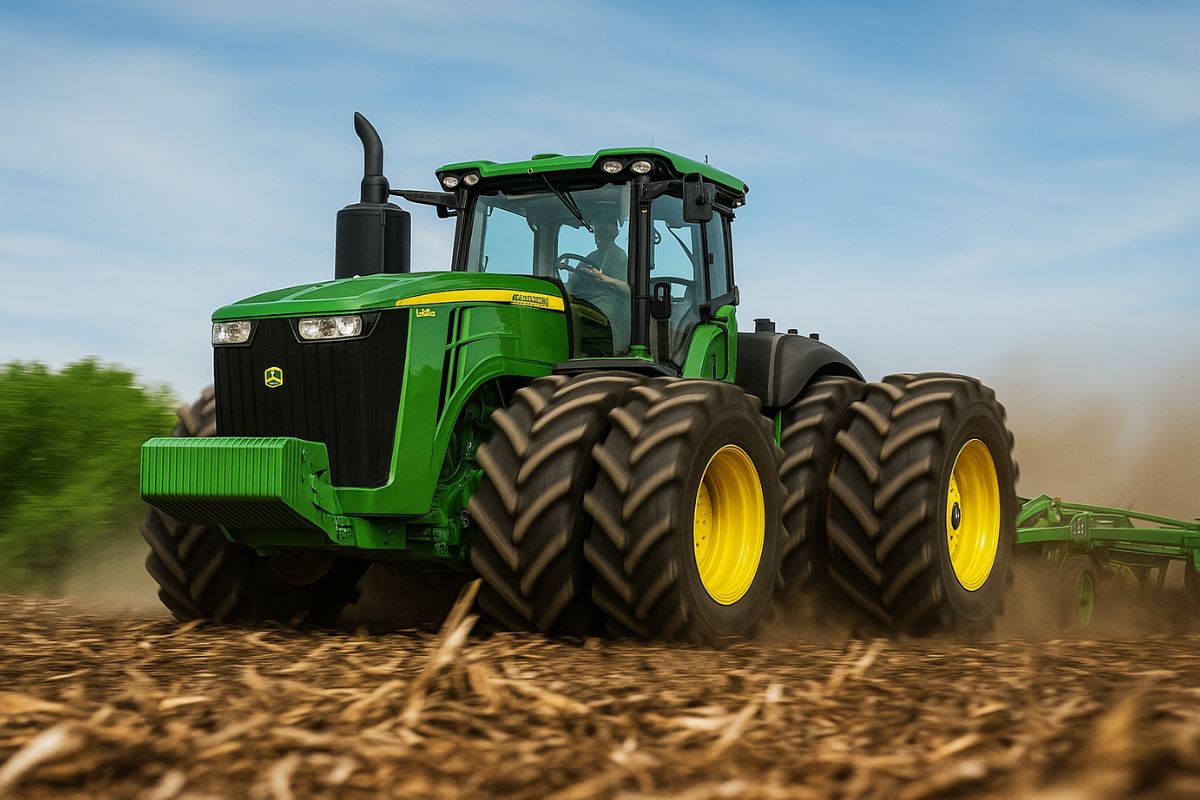

John Deere, An Iconic Brand in Agriculture, Faces Discontent from Owners of Its Tractors and Equipment Due to New Market Strategies. Understand the Controversy.
John Deere, a U.S. manufacturer of agricultural equipment, has been a dominant presence in global farms for nearly two centuries. Its tractors, combines, and other implements have become synonymous with reliability and essential tools for many farmers. This historic partnership, which has driven agricultural production, now faces a period of tension.
In recent years, the company has adopted strategies that have generated outrage among farmers, particularly in the United States. Serious accusations and lawsuits threaten the long-standing relationship and could impact John Deere’s position in the market. This article explores the reasons for this discontent and the possible consequences for the green equipment giant.
The Ascent of John Deere: From Revolutionary Plows to Agricultural Giant
John Deere’s story began in 1837, when blacksmith John Deere created a revolutionary polished steel plow. This innovation solved a chronic problem for farmers in Illinois, whose sticky soil required constant stops to clean cast-iron plows. Deere’s self-cleaning plow allowed for greater efficiency, and within a few years, he was selling over a thousand units annually.
-
Alone, the producer applies 7,400 hectares with the T100 drone in an optimized structure, replaces the generator with a silent battery, and demonstrates how technology reduces costs, increases productivity, and even challenges the uniport in the field.

-
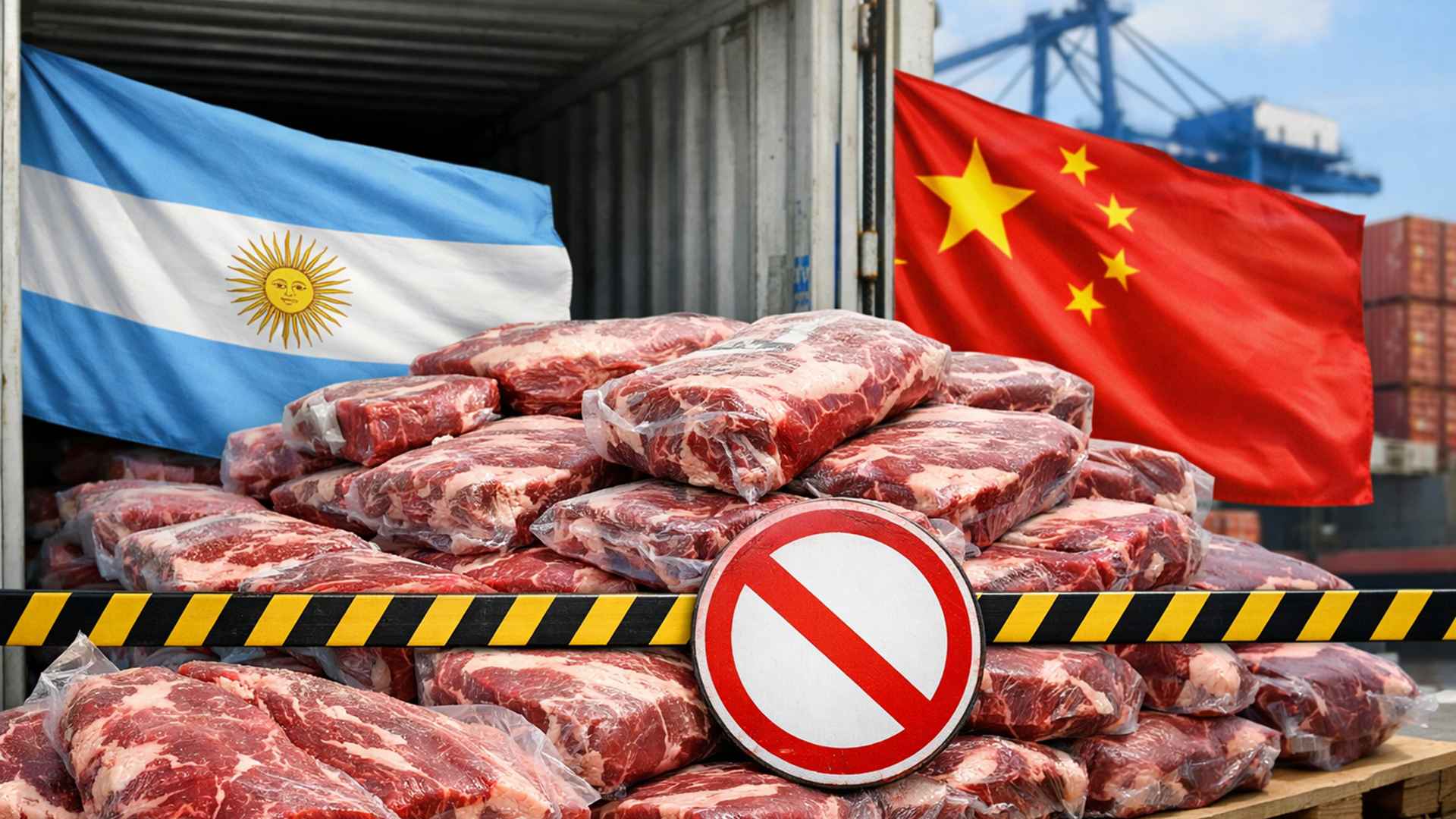
China banned the export of 22 tons of meat from Argentina.
-
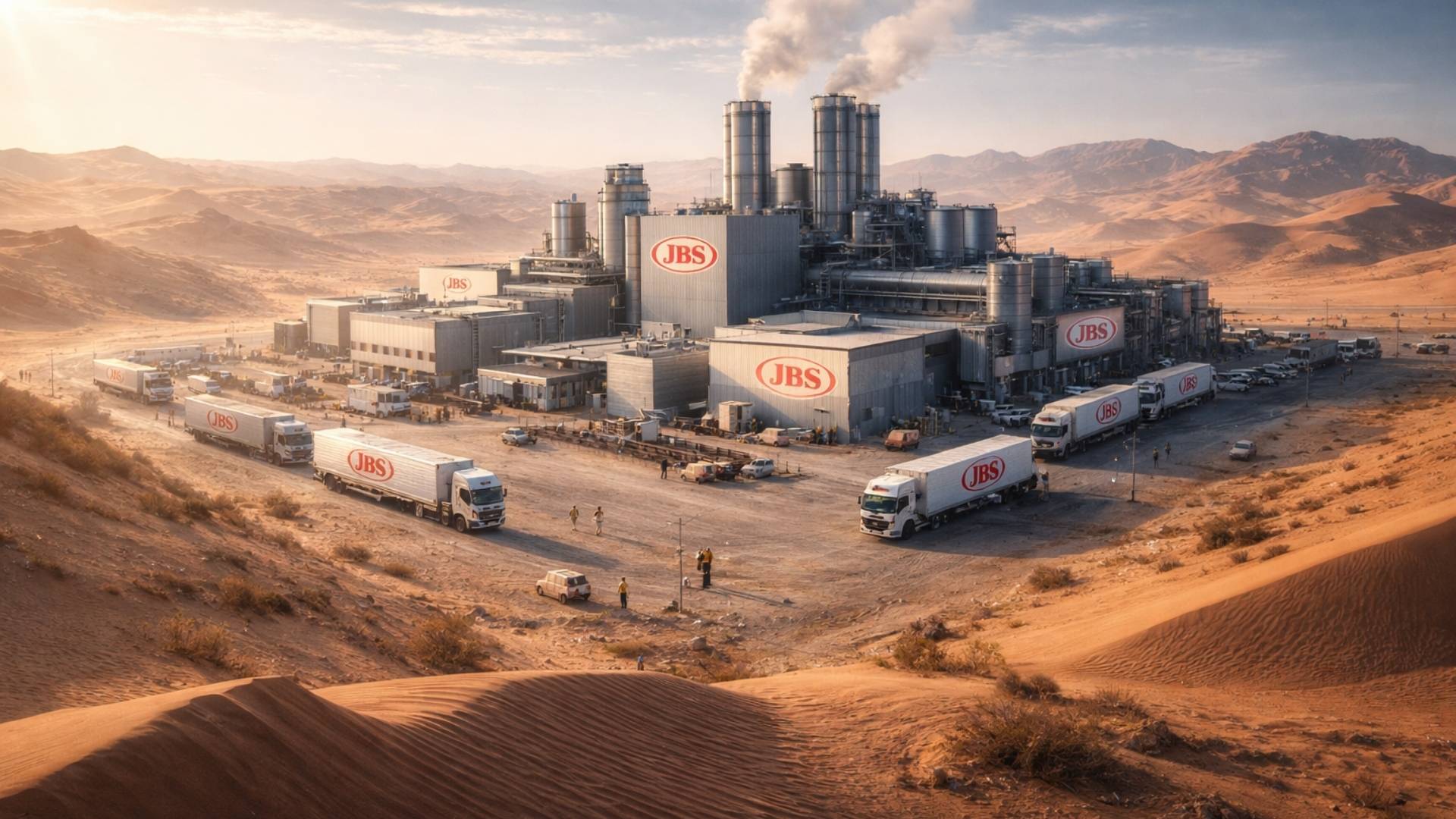
JBS, founded by the Batista brothers, continues to conquer the world: entrepreneurs built a ‘factory in the desert’ creating 3,000 jobs.
-
With only 1% of Brazil’s territory, Santa Catarina has built one of the most competitive industrial parks in the country, with 64,000 companies, nearly 1 million jobs, and a growth rate of 5.3% while the national industry is practically stagnant.


After John Deere’s death in 1886, the company continued to grow. Although it briefly ventured into bicycle manufacturing in the 1890s, it quickly focused on agricultural equipment. To compete with companies like International Harvester, John Deere entered tractor manufacturing in 1912 and, in 1927, launched its first combine harvester. With this, it established itself as a preferred and essential brand for farming in various parts of the world.
Technology in John Deere Tractors
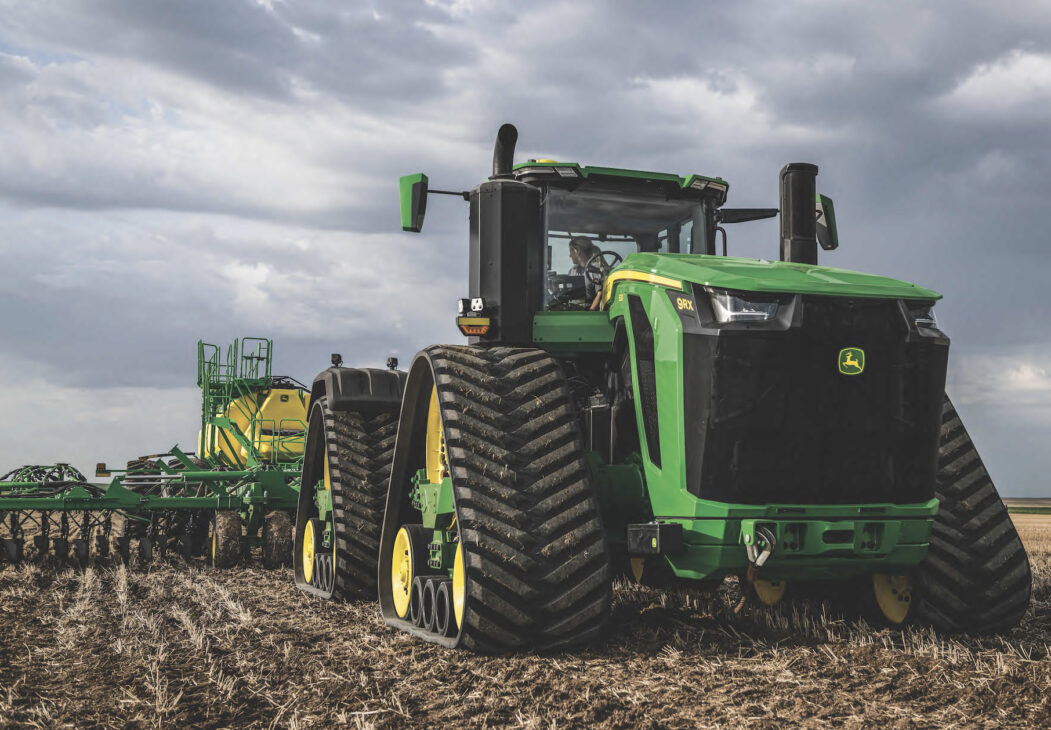
John Deere has always sought innovations, and with the arrival of technology in the field, it invested heavily in modernizing its machines. John Deere tractors and other equipment began incorporating sensors and computers, becoming increasingly autonomous and efficient. One company executive even claimed that John Deere had more software engineers than mechanics.
This modernization, while improving productivity, also generated the first signs of discontent. The new technologies allowed John Deere tractors to collect detailed real-time production data, but also raised questions about the control and use of this information, as well as radically changing how equipment maintenance is performed.
The Controversy Over Agricultural Production Data Collection
John Deere’s modern equipment not only harvests agricultural products but also gathers vast amounts of data about production. Information such as tons harvested and productivity per hectare is sent directly to the company’s servers. Farmers have no control over this data and fear it could be shared with banks or intermediaries, harming them.
So far, there is no confirmation of data leaks by John Deere. However, concern about the privacy and potential use of this valuable information is a source of worry for a segment of the owners of green equipment.
The Maintenance Monopoly: The Epicenter of Farmers’ Revolt
The main focus of farmers’ discontent with John Deere tractors lies in the maintenance of newer equipment. Historically, customers were free to repair their machines wherever they preferred, even on their own. With the growing embedded technology, John Deere adopted a strategy similar to that of Apple and Tesla, restricting repairs to official centers.
This means that diagnostic tools are exclusive to authorized dealers. Farmers report being unable to rent these diagnostic computers and needing to hire a company technician for any checks, creating costs and delays. There are reports of equipment sitting idle for days waiting for a technician, causing significant losses, especially during harvest.
Reactions from John Deere Tractor Owners
John Deere saw an opportunity to increase its revenue with the new maintenance policy. According to a Bloomberg report, the sale of parts and services is three to six times more profitable for John Deere and its dealers than the sale of new equipment. This strategy has been reflected in the company’s stock price, which has surged from just over $100 at the beginning of 2020 to more than $440 currently.
In response to the restrictions and high costs, farmers are seeking alternatives. There are reports of owners hacking John Deere tractor systems to conduct repairs outside the official network. Additionally, a group of dissatisfied owners has come together to sue the company, seeking to reverse this situation through legal means.
Lawsuits and Political Uncertainties for John Deere
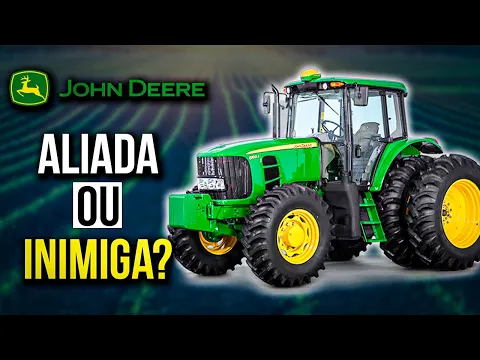

John Deere may face tough times ahead. A report from Reuters indicates that the company may be taken to court to face allegations of illegal conspiracy to restrict maintenance and repair services. This may be just the beginning of legal troubles for the manufacturer of John Deere tractors.
Additionally, foreign policy may present challenges. Former President Donald Trump, who will return to the White House in January 2025, has already signaled that he may impose a 200% tax on John Deere products if the company shifts its production to Mexico. This would frustrate the company’s plans to cut costs by leveraging trade agreements in North America. It remains to be seen whether John Deere will change its practices or if the landscape in the field will become even more divided.










A Chevrolet tá usando a mesma estratégia nos automóveis com essa correia banhada a óleo. É complicado.
Empresa medíocre só dá **** fora não merece a confiança dos compradores logo merecem a perda do mercado
Não é só essa empresa é tudo funcionando desse jeito aí, mas é tudo mesmo ,da com uma mão e toma com a outra, pelos lucros