





 Portuguese
  English
  Spanish
  2 min of reading


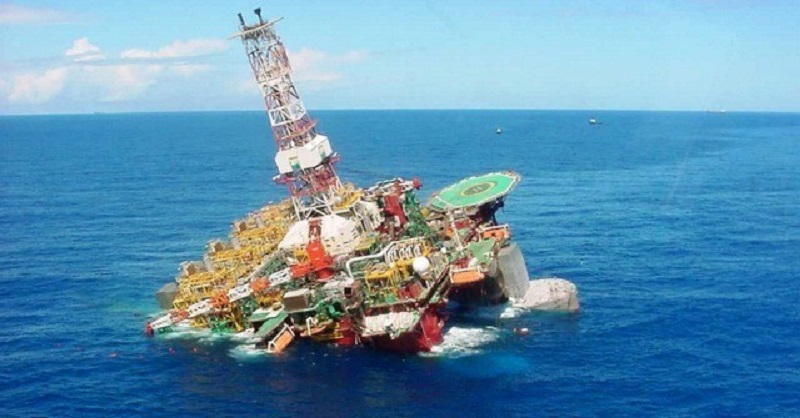
Accident That Killed 11 People on a Petrobras Offshore Platform in 2007 Raises Questions About R$ 1.5 Billion in the State Company’s Accounts
Seventeen years after the tragedy on the P-36 platform, in the Roncador field, in the Campos Basin, Petrobras continues to fight in court against the penalties imposed by Ibama and those required by the Federal Public Ministry (MPF), in disputes that reached R$ 1.469 billion. The accident completed 17 years yesterday and is one of the largest ever recorded in the Brazilian oil industry. On March 15, 2001, the rupture of an emergency drainage tank damaged a series of components of the platform, causing a gas leak and a second high-intensity explosion that killed 11 members of the fire brigade and led to the sinking of the P-36 five days later.
“Despite the efforts of Petrobras teams, it became apparent that their deficiencies in terms of equipment for oil spill containment offshore were mechanical in nature. (…) Regarding the pollution caused, it is unequivocal, and we believe that the applicable sanctions should be imposed, unless a better judgment is presented,” states the Feema document, cited in the vote of Marcello Granado. In the second half of 2017, the trial in TRF-2 was scheduled, but was removed from the agenda.
-
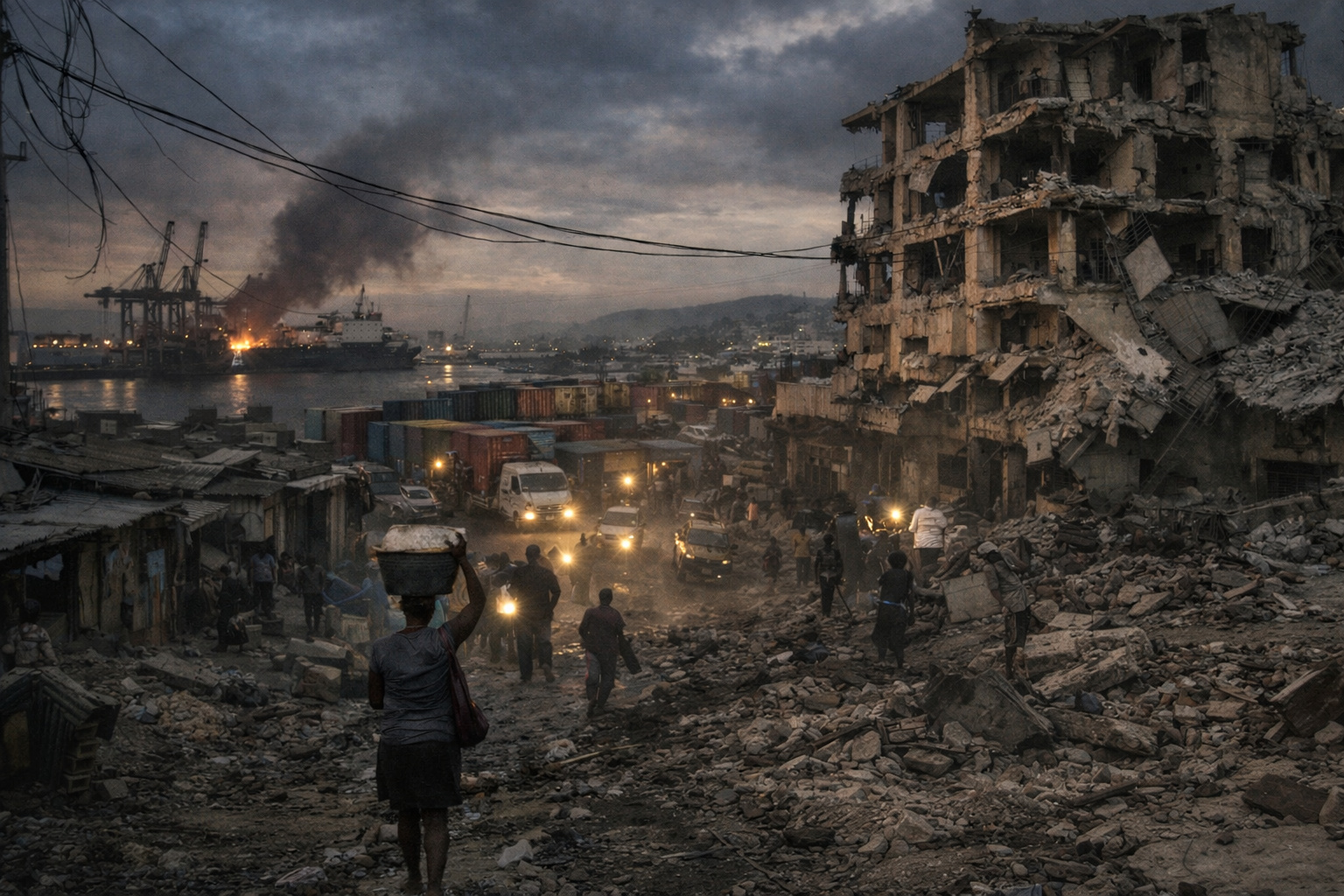
Haiti’s capital is experiencing an energy and construction crisis, facing blackouts, a blocked port, and buildings at risk after years of instability and a significant earthquake.
-
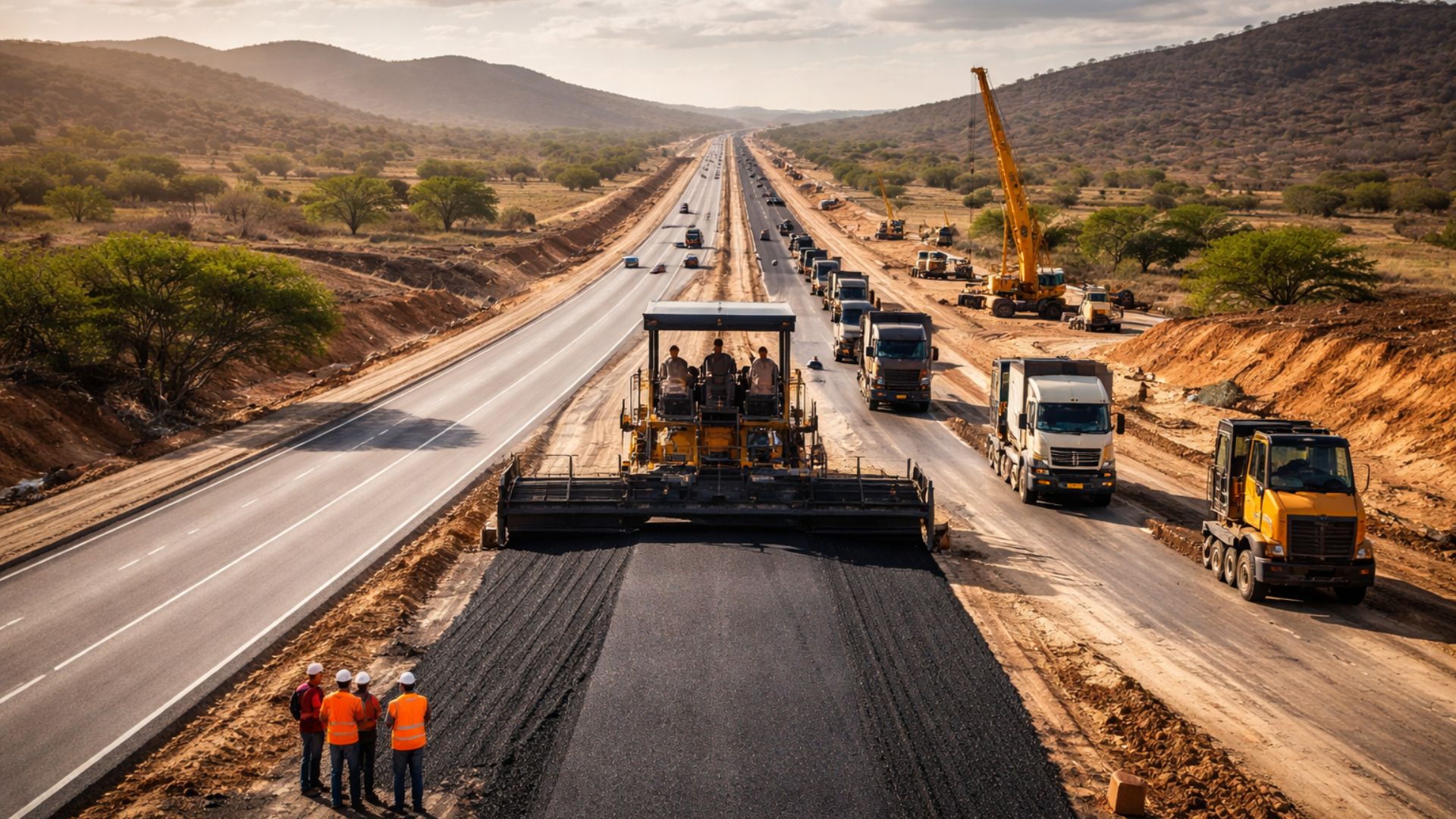
Government unlocks R$ 554 million for a highway that has been requested for decades and accelerates the duplication of BR.
-
Without bricks, without cement, and without endless construction: the cardboard house that is assembled in modules and can be moved.

-
Billions of barrels on the equatorial margin could lead Amapá to double its oil production in Brazil — the state aims to enter the route of companies in the Campos Basin, attract investments, and boost jobs and businesses in the oil and gas sector.


Causes of the Incident
A report from ANP indicates that an emergency drainage tank ruptured, causing the first explosion and the gas leak on the platform. The ignition of the gas caused the second explosion, killing the 11 firefighters and causing damage that led to flooding of facilities, tanks, and lines, resulting in the subsequent sinking. The agency identified errors in the operation of emptying a drainage tank (port side) that led to the passage of fluids that should have returned to the processing plant but were pumped to another emergency tank (starboard), exceeding the equipment’s pressure limit and causing the explosion. Damaged lines and other parts led to the subsequent events. Source E&P Brazil








Seja o primeiro a reagir!