





 Portuguese
  English
  Spanish
 3 min of reading


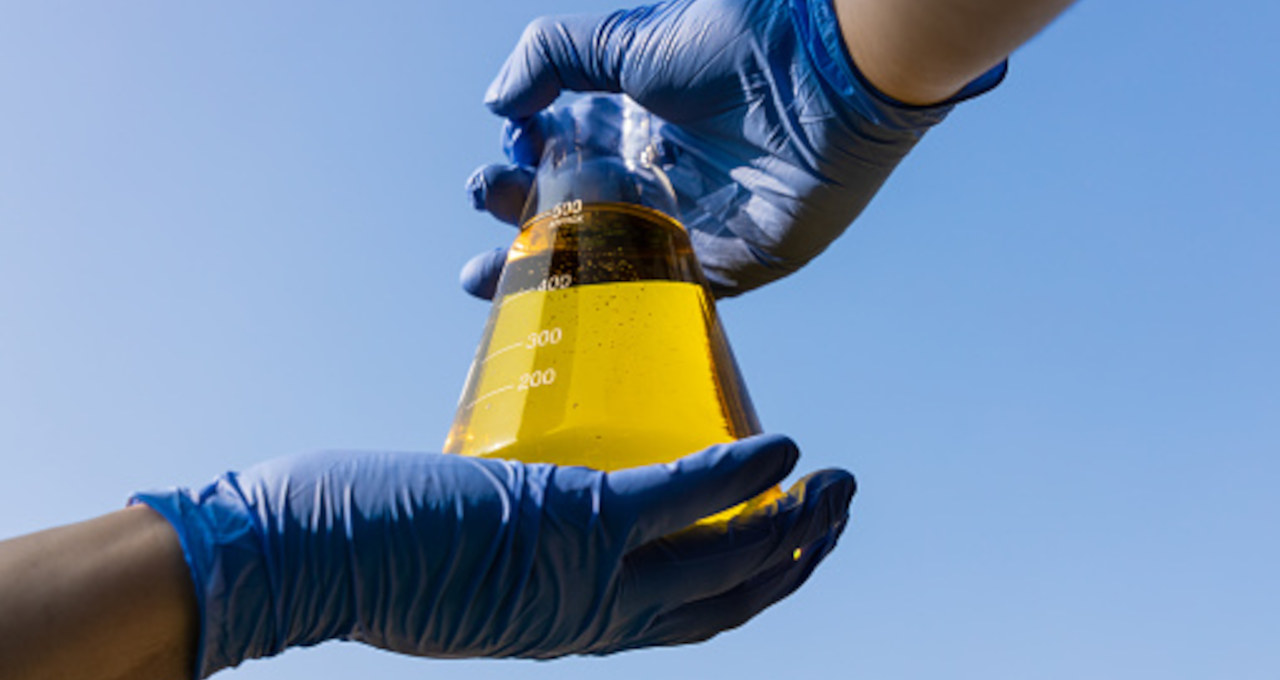
Father Of Biodiesel, Chemical Engineer From Ceará, Was Responsible For Registering The First Biodiesel Patent In The World. The Current Government Sold The Main Company Responsible For The Manufacture Of The Product.
Born in Ceará and graduated in chemical engineering, Expedito Parente was responsible for the world’s first biodiesel patent through transesterification, a chemical reaction with ethanol, using oilseed plants. Because of this achievement, he is known worldwide as the “father of biodiesel.” In the late 1970s, the engineer from Ceará was working on researching new sources of clean energy, especially with vegetable oils, at UFC.
Expedito Parente’s Biodiesel Patent Was Registered In 1983
In his first experiment, the ‘father of biodiesel’ decided to mix methanol with cottonseed oil, discovering that it would be possible to produce a high-quality fuel that could replace mineral diesel.
The innovative technology was patented in 1983 and took several years to be utilized in Brazil. However, it was widely explored around the world, earning the ‘father of biodiesel’ recognition from the United Nations (UN), companies like Boeing, the U.S. government, and even the National Aeronautics and Space Administration (NASA).
-
Renewable energy advances over protected areas in Brazil, and a survey by the Energy Transition Observatory reveals silent impacts that challenge environmental conservation and pressure sensitive traditional territories.

-
The Economist states that Brazil has a “secret weapon” against expensive oil and highlights how the country can reduce economic impacts even in international scenarios of high volatility.
-
Rio Grande do Sul accelerates energy transition: State invests in renewable technologies and consolidates decarbonization strategies and pathways to attract billions in new industrial investments.

-
With 160,000 m² of collectors, an area larger than 20 football fields, Silkeborg, in Denmark, hosts a solar thermal plant that heats 19,500 homes and could become the largest solar heating plant in the world.


Currently, the biodiesel patent is in the public domain. It was only in 2004, with the establishment of the National Biodiesel Production and Use Program (PNPB), that the engineer from Ceará’s fuel began to gain prominence in the national market. It gained even more traction in 2008, after the development of PBio, Petrobras Biocombustível, a company that better embodies the concept of sustainability and became one of the largest biodiesel producers in Brazil.
Unfortunately, after 12 years of operation, the current government put the company up for sale, even knowing that biodiesel production is considered strategic in the context of reducing CO₂ emissions and the energy transition.
Government Claims Sale Could Mitigate Prices At The Pumps


The production of biodiesel was in full expansion in Brazil, due to the blend with diesel, which in 2022 was set to reach 14% by Resolution 16/2018 of the National Energy Policy Council (CNPE).
However, the government maintained the proportion at 10%, claiming that it would help contain rising diesel prices at the pumps. Yet prices remained high, while the idle capacity of the national fuel industry is growing by around 50%.
These measures put the country, which was previously seen as one of the world leaders in renewable energies and alternative sources, at odds with its popularity and global trends and major oil companies regarding Climate and ESG.
Sale Of The Biodiesel Company May Generate Socioeconomic Impacts
Public policies should promote renewable energies and advance measures to reduce pollutant gas emissions; however, this is positively dismissed.
The sale of PBio not only demonstrates a setback in ESG, as it dismisses a process already referred to as “green fuel,” which could even be improved and adapted, but it will also have socioeconomic impacts, affecting the family farm sector in the regions where it operates and expanding unemployment in the country, which already affects more than 10 million people.
Moreover, biodiesel is seen by various automakers as the best option, even before electric cars in the country, considering that this technology is still new to the Brazilian market.









Seja o primeiro a reagir!