





 Português
  Inglês
  Espanhol
  2 min de leitura


The Role of Electricity in Agriculture
Electricity is an essential resource for agriculture, playing a crucial role in powering machines and in the production, storage, and marketing of agricultural products. According to the Food and Agriculture Organization (FAO), agriculture accounts for approximately 30% of global energy consumption. With population growth and the demand for more food, this number is expected to continue to rise.
Energy Challenges in Agriculture and the Solution of Smart Electrical Panels
The high costs of electricity, combined with supply issues in rural areas and the water crisis, present significant challenges for producers. In this context, smart electrical panels emerge as an effective alternative to optimize production and reduce operational costs.
These panels enable proper load distribution in machines, using modern electrical components and providing energy efficiency in various agricultural equipment. In addition to reducing waste, smart electrical panels contribute to continuous energy management and enhance sector productivity.
-
Oncorp wins auction and enables biodiesel and gas thermal plants in Brazil, with strategic projects in Suape and Xavantes Aruanã.

-
Raízen Recovery: Shell Cosan May Reduce Control After R$ 65 Billion Debt

-
Outback Montes Claros: Chain Confirms First Unit in Northern Minas in 2026

-
Inpasa Creates Advisory Council and Brings José Olympio to Strengthen Corporate Governance

Technology and Customization of Smart Electrical Panels
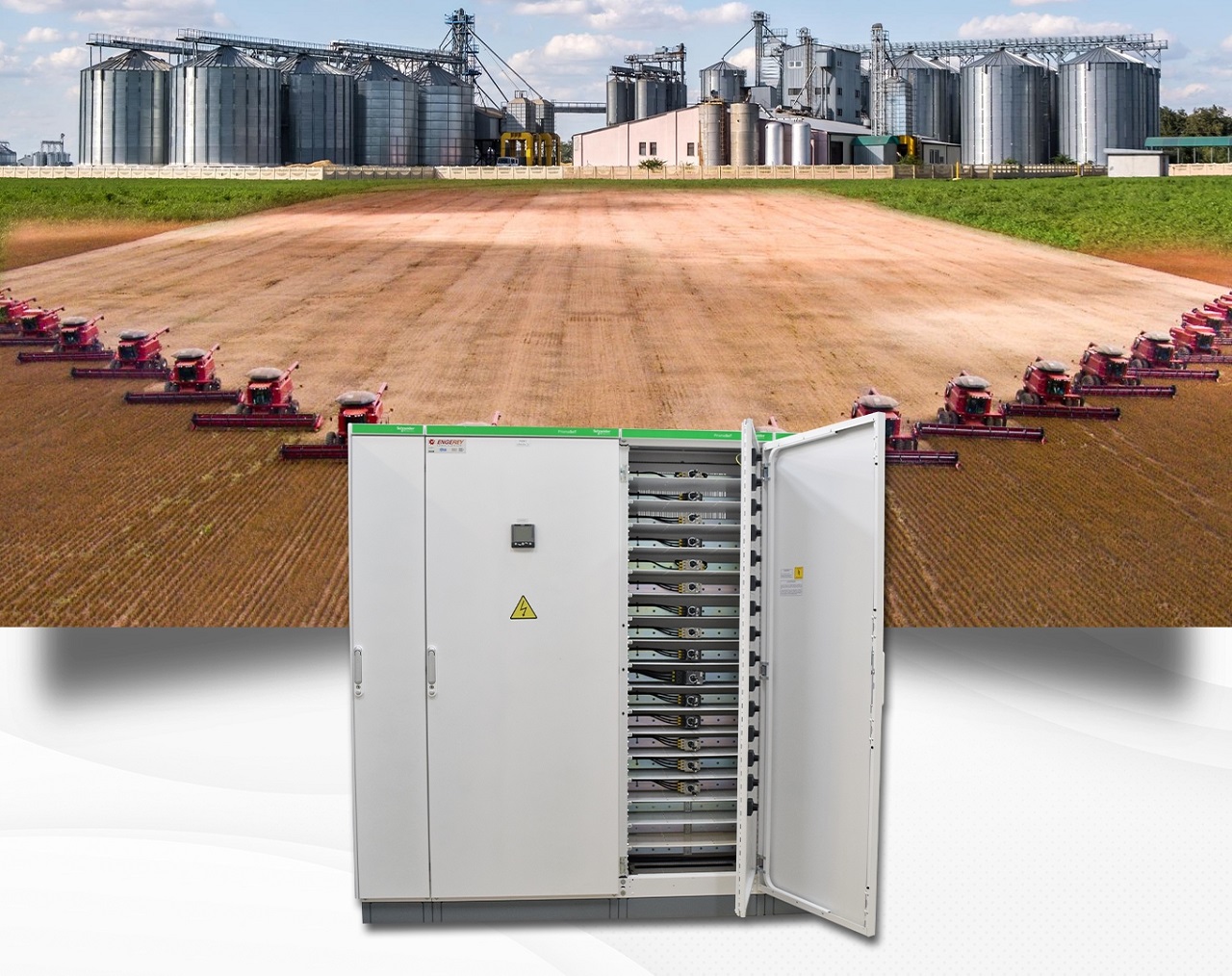
The smart electrical panels offered by Engerey, for example, are manufactured by the French company Schneider Electric and are available in medium and low voltage versions. The low voltage panels from the PrismaSeT line are robust, with integrated connectivity and short-circuit rating of up to 100kA.
These panels are designed for energy management in complex machinery and use smart technology to ensure the safety of routine activities and the continuity of equipment operations. Additionally, they feature IoT and Cloud Computing technologies, allowing for real-time monitoring and the detection of cable overheating, preventing potential fires.
One of the main advantages of smart electrical panels is customization. Before installation, a detailed analysis of the company’s needs is conducted, ensuring a quicker and more tangible return on investment.
Conclusion:
Investing in smart electrical panels in agriculture leads to energy savings and increased sustainability of businesses. With the growing demand for energy in the sector, adopting these panels can be an efficient solution to optimize costs and boost productivity and profitability in agriculture.










Seja o primeiro a reagir!