





 English
  Francês
  Alemão
  Italiano
  Japonês
  Norueguês
  Portuguese
  Spanish
  5 min of reading
  0 comments


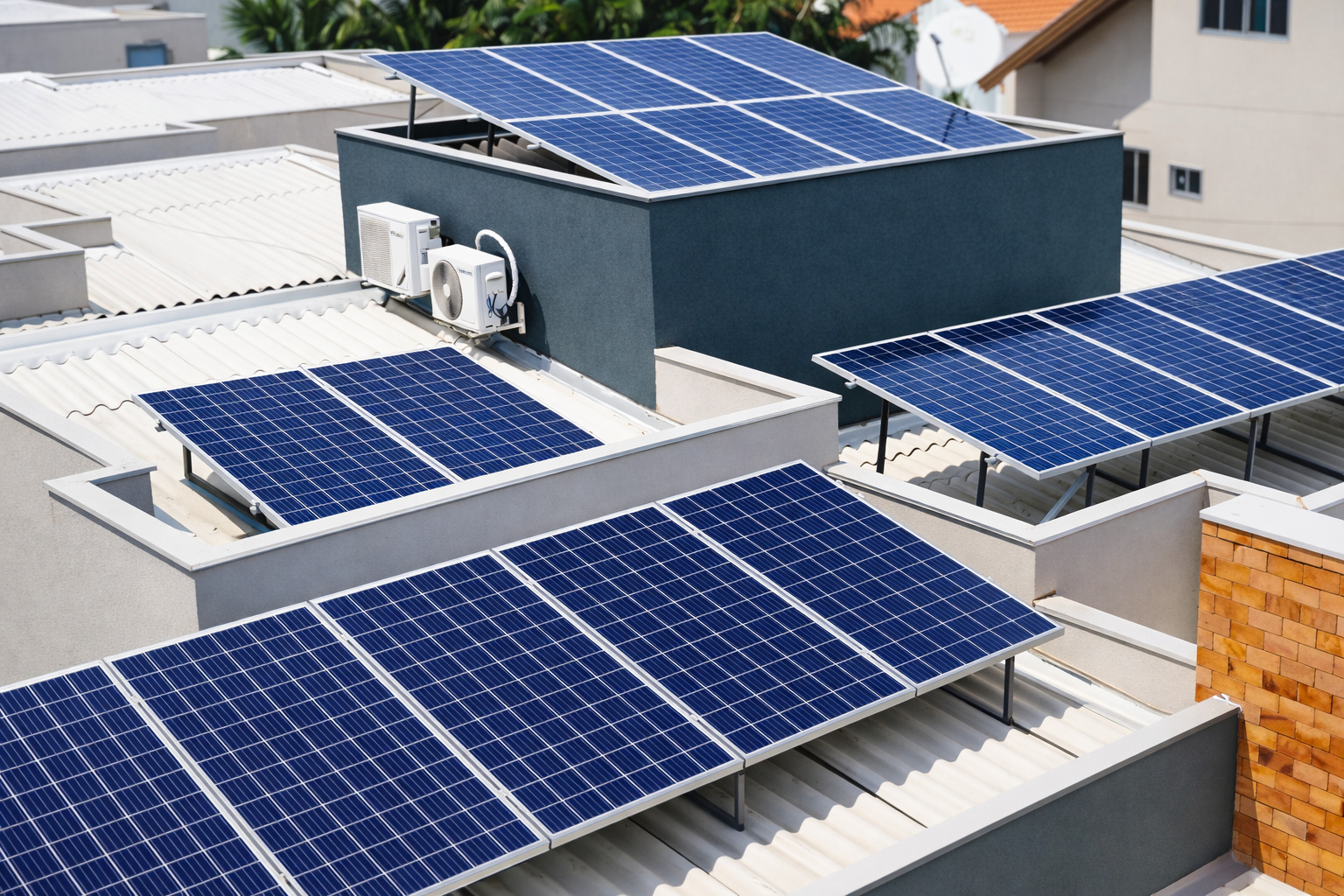
Understand How the End of Subsidies in China Redefines Prices, Global Chains, and Investments in Solar Energy, While Also Generating Direct Impacts in Brazil and Influencing the Future of the Photovoltaic Sector.
The end of subsidies in China represents, above all, a deep structural change in one of the most strategic sectors of the global energy transition. For decades, on one hand, the Asian country sustained an accelerated growth model based on government incentives. On the other hand, this same model allowed for the large-scale production of solar panels at extremely competitive prices. Now, with the gradual withdrawal of these subsidies, the global market consequently enters a new cycle, which tends to influence costs, investments, and decisions by consumers and companies, including in Brazil.
In this context, it is noteworthy that this movement occurs precisely at a time when solar energy has already solidified as one of the main alternatives to fossil fuels. Furthermore, the widespread adoption of this technology has transformed the energy matrix of several countries and, at the same time, reduced operational costs for residences, businesses, and industries. Therefore, any structural change in the world’s largest production hub inevitably generates relevant impacts throughout the global supply chain.
To understand why solar panels may become more expensive, it is essential, first and foremost, to observe the historic role of China in the photovoltaic sector. Since the early 2000s, the Chinese government, strategically, boosted the industry with industrial policies focused on clean energy. Thus, these incentives included direct subsidies for production, facilitated credit, tax reductions, and export stimulation. As a result, China assumed global leadership in the manufacturing of photovoltaic modules and, consequently, began to dominate strategic production chains, such as those of polysilicon, solar cells, and inverters.
-
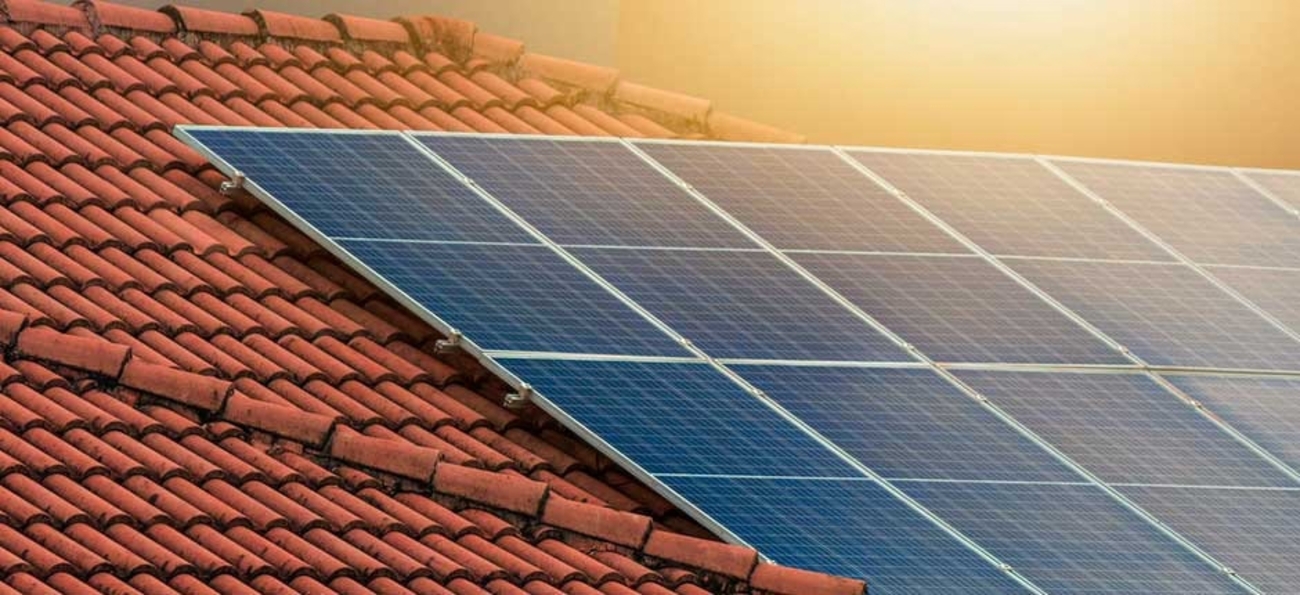
Roraima bets on the sun to escape high tariffs: Amid the energy crisis and price hikes, solar energy is growing in Roraima and transforming consumption in the North region.
-
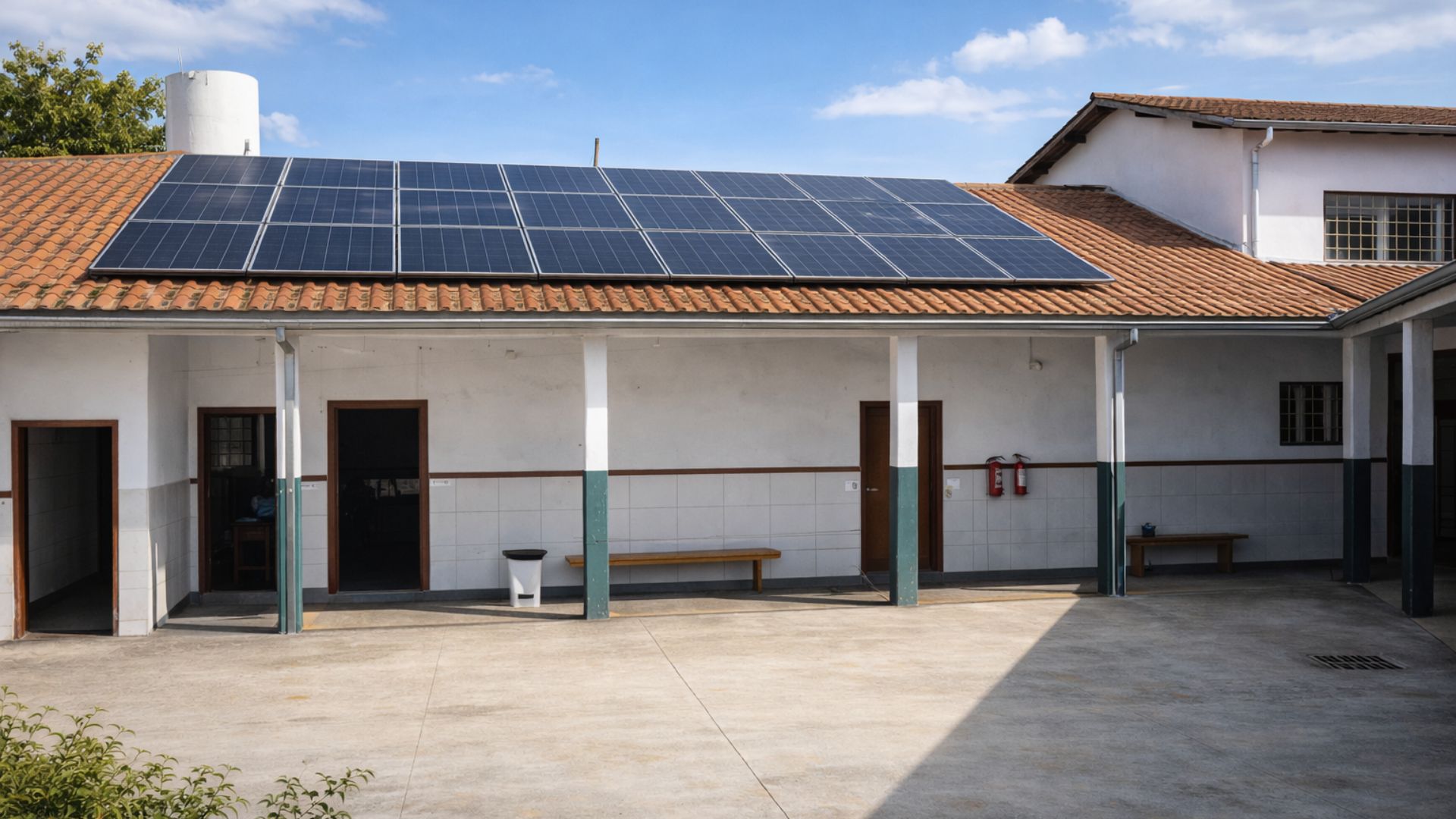
Copel boosts solar energy in Paraná and brings innovation to public schools, promoting savings on electricity bills, energy efficiency, and a direct impact on the quality of education.
-
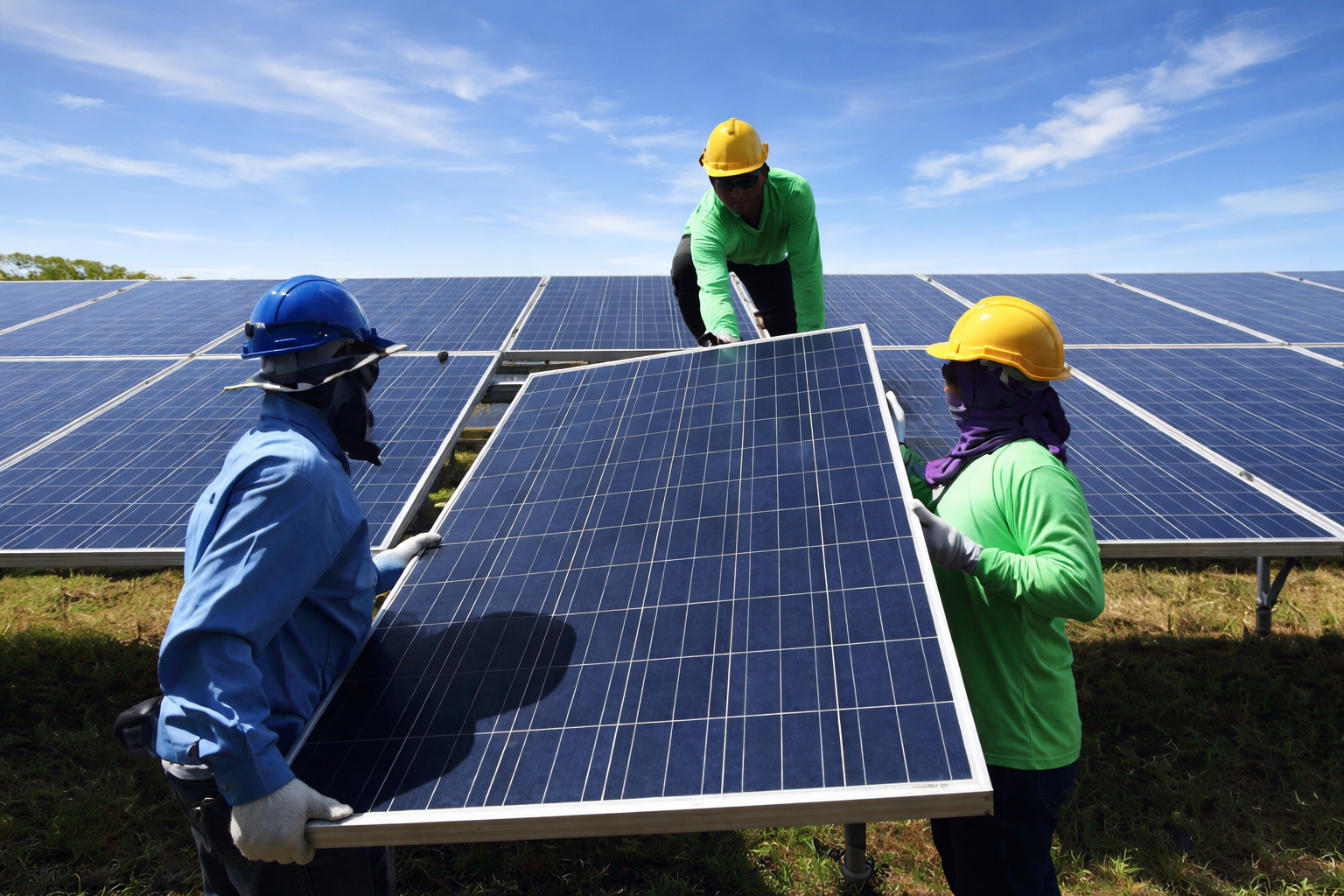
Brazil reaches historic milestone in solar energy: Sector surpasses 2 million accumulated green jobs and generates billions in the national economy even under market pressure.
-
Minas Gerais takes the lead in renewable energy: State surpasses historic mark of 14 GW in solar energy generation in MG and consolidates dominance in the Brazilian electric sector.
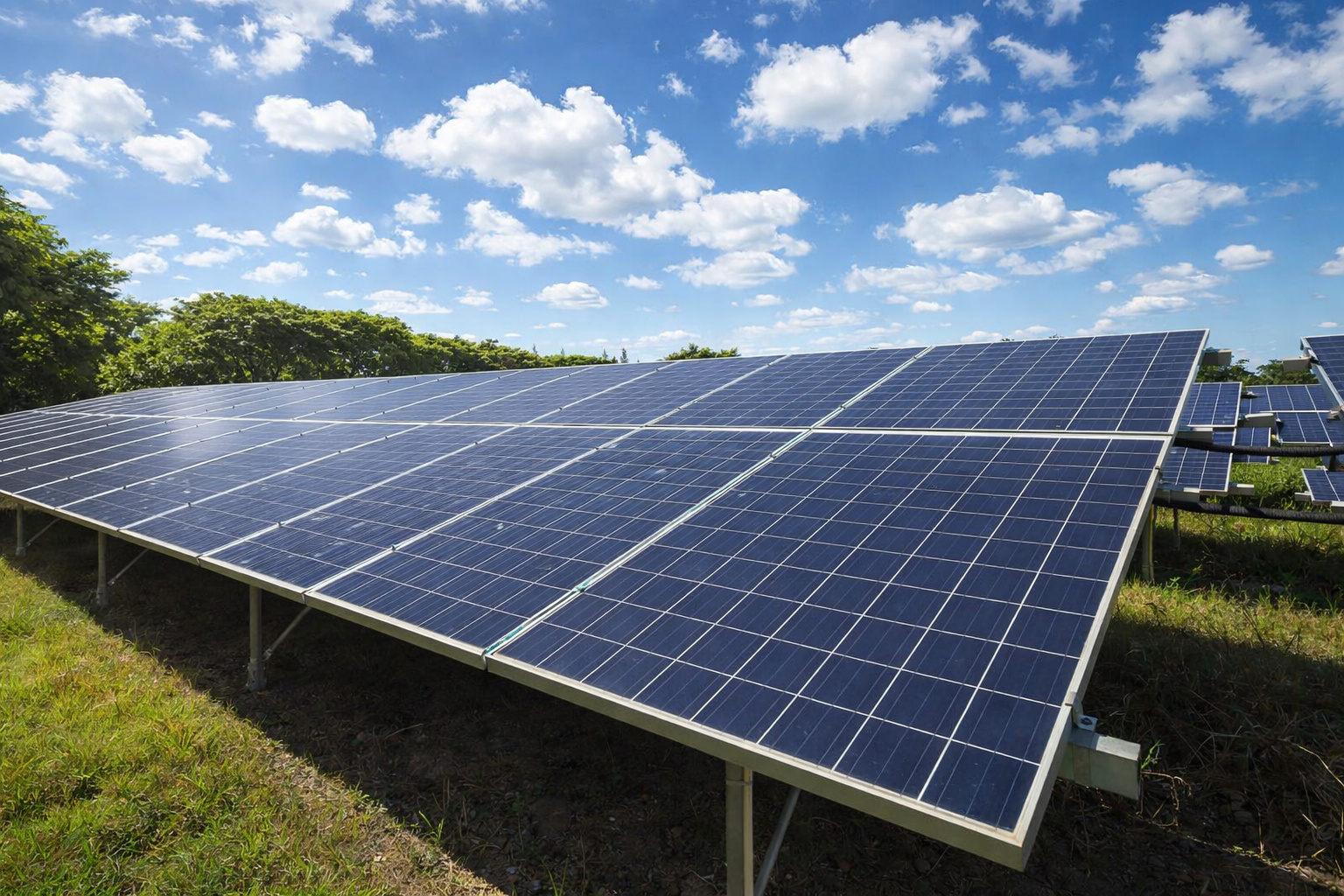
Over time, this model significantly reduced global solar energy prices. In many markets, in fact, access to solar energy was made possible precisely due to the low prices practiced by Chinese manufacturers. Thus, the end of subsidies in China does not represent only an internal change, but, above all, a structural adjustment with direct effects on the international scenario.
Why Did China Decide to End Subsidies for Solar Energy
First, it is important to highlight that Chinese authorities did not make this decision abruptly. On the contrary, in recent years, the government has already been indicating the need to correct market distortions. Moreover, the main argument presented points out that the industry has achieved sufficient maturity to operate without continuous state support. In addition, China reached its solar capacity expansion targets much earlier than expected, accumulating a record installed base and a highly developed industrial park.
Additionally, another critical factor involves excess production capacity. With many factories operating simultaneously, the market has faced artificially low prices. As a result, profit margins declined and financial imbalances emerged. In this scenario, therefore, the government began to view the removal of subsidies as a way to reorganize the sector and ensure economic sustainability in the long term.
At the same time, it is impossible to ignore the rise in strategic input costs. Materials such as polysilicon, silver, and aluminum, which are essential for manufacturing solar panels, have gone through valuation cycles over the past few years. While the subsidies existed, a part of these costs was absorbed by the government. However, with the end of subsidies in China, manufacturers tend, inevitably, to pass these increases on to the final price of equipment.
Impacts of the End of Subsidies in China on the Global Solar Energy Market
In the global scenario, therefore, this change signals an important transition. For many years, the market has grown accustomed to constant price declines, which, in turn, stimulated accelerated investments and expanded access to solar technology. Now, however, the sector faces greater stability and, in some cases, moderate adjustments in the prices of photovoltaic modules.
Still, this does not mean the end of the competitiveness of solar energy. On the contrary, the sector enters a phase of greater economic rationality. In this new context, manufacturers prioritize productive efficiency, technological innovation, and cost management. Moreover, the end of subsidies in China encourages companies to seek differentiation through quality, performance, and durability of equipment.
Consequently, this change tends to reduce competition practices based on artificially low prices. This, in turn, a more balanced market favor predictability, attracts long-term investments, and strengthens the confidence of solar project developers in different regions of the world.
Reflections in Brazil and in Investments in Solar Panels
In Brazil, on the other hand, the effects of the end of subsidies in China require increased attention. This is because the country relies heavily on imported equipment, mainly from China. Thus, any variation in international prices directly impacts the cost of implementing photovoltaic systems, whether in residential, commercial, or distributed and centralized generation projects.
Even so, solar energy remains attractive from an economic standpoint. Even if adjustments occur, the cost of electricity generated by solar panels remains competitive compared to other sources. Furthermore, in a scenario of high tariffs and uncertainties in the electricity sector, the search for more predictable alternatives becomes even more relevant.
Another important point concerns the maturation of the Brazilian market. In recent years, companies have started offering more comprehensive business models, including financing, system leasing, and integrated energy efficiency solutions. Thus, these strategies help to mitigate the impact of rising equipment prices while simultaneously maintaining consumer interest.
A New Cycle for Solar Energy in the Long Term
From a historical perspective, therefore, the solar sector enters a new phase of consolidation. If, in the past, the focus was on accelerated expansion and extreme price declines, now the priority is on the sustainability of the market. In this sense, the end of subsidies in China reinforces this paradigm shift and stimulates investments in innovation, productive efficiency, and technological advancement.
Moreover, this scenario opens the door for greater diversification of the global production chain. Countries that wish to reduce dependence on a single manufacturing hub gradually begin to see new opportunities for industrial development. As a result, the market is likely to become more resilient over time.
Finally, for the end consumer, the decision to invest in solar energy demands a long-term perspective. Even with initially higher costs, the benefits related to reducing electricity bills, predictability of expenses, and property value appreciation remain relevant. Thus, understanding the impacts of the end of subsidies in China enables more informed choices, aligned with the natural evolution of a sector essential to the global energy transition.









-

Uma pessoa reagiu a isso.