





 English
  Francês
  Alemão
  Italiano
  Japonês
  Norueguês
  Portuguese
  Spanish
  4 min of reading
  1 comment


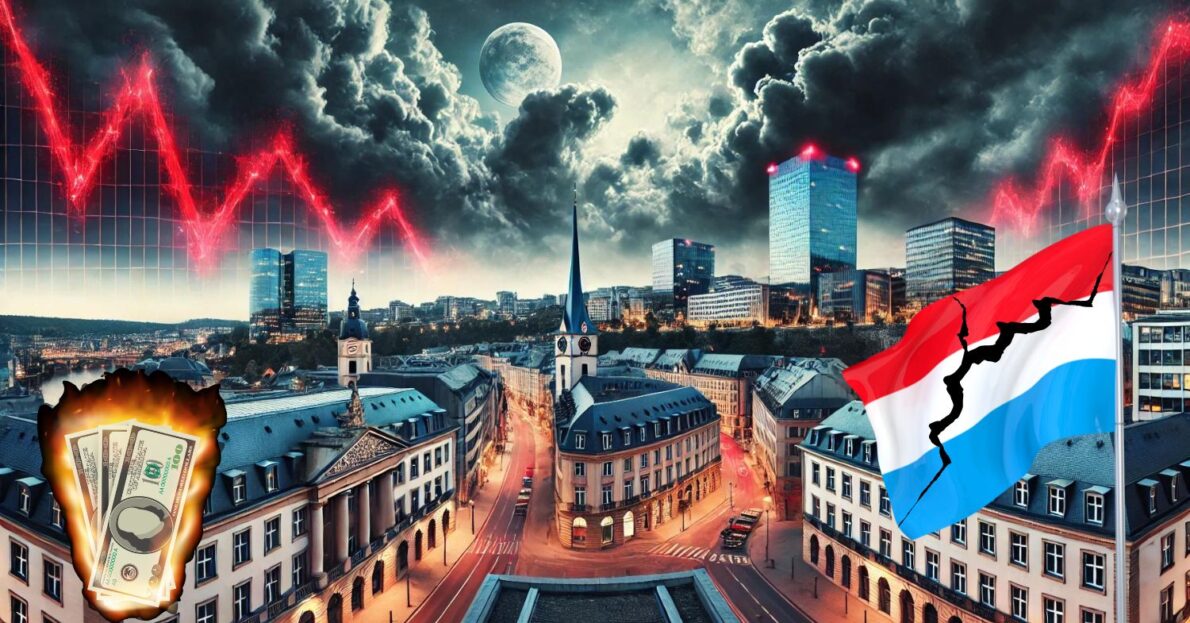

The Richest Country In The World Fights To Maintain Its Prosperity Amid Economic And Social Crises. Understand How Luxembourg, The Richest Nation In The World, Is On The Brink Of Collapse.
Luxembourg, a small European nation with just 660 thousand inhabitants, stands out as the richest country in the world, with a per capita GDP of approximately 135 thousand dollars. This impressive indicator is the result of a long history of prosperity and economic innovation. Despite being twice smaller than the metropolitan area of Rio de Janeiro, Luxembourg is an economic powerhouse, known for its stunning castles and being one of the main financial centers in Europe. But how did such a small country achieve such a level of wealth? And why is it collapsing now? Check out the challenges threatening the richest nation in the world.
Discover The Success Story Of Luxembourg
It all began in 1839, when Luxembourg gained its independence. At that time, the country was poor and relied on a limited agricultural economy and small industries. However, the nation managed to rise by establishing strategic partnerships with neighboring states and discovering large iron deposits in the southern part of the country.
This discovery propelled industrialization and led Luxembourg to become one of the largest steel producers in the world in the early 20th century. The success of the steel industry attracted wealth and transformed Luxembourg into a prosperous country, placing it on the map as an industrialized nation.
-
Historic bankruptcy of Centauro shocks the market, and the century-old company puts more than 500,000 products, machines, and complete infrastructure up for online auction.

-
If the USA were to go to war with Brazil, Washington’s greatest fear would not be the attack itself, but facing a vast territory, prolonged resistance, and a costly, chaotic, and unpredictable occupation.

-
In 2013, Nicaragua sold the concession for a canal to rival Panama to a Chinese billionaire who lost 85% of his fortune, disappeared, and was declared bankrupt. Now the project resurfaces with a new route, a new Chinese partner, and a cost of $64.5 billion.
-
New shoe factory in Ceará is expected to create 400 jobs and strengthen the local economy.


Despite its initial success with the steel industry, Luxembourg realized it needed to diversify its economy to ensure long-term stability. In the 1970s, the government began promoting economic opening and investing in other sectors, especially in financial services.
With a strategic location in the heart of Europe and an attractive tax policy, Luxembourg quickly became one of the world’s leading financial centers, especially in private wealth management. Today, the financial sector represents about 30% of the country’s GDP, with over 144 banks operating in its territory.
Current Challenges: A Nation On The Brink Of Collapse?
Despite all this success, Luxembourg faces challenges that threaten its position as the richest nation in the world. Dependence on the financial sector has left the economy vulnerable to external crises, such as the instability caused by the war in Ukraine.
The rising interest rates and the need to reserve capital for potential defaults by Russian companies are causing losses for many banks in the country. With one in five banks reporting more costs than revenues, the prosperity of the world’s richest country is at risk.


Another major challenge is the shortage of workforce. Luxembourg will need up to 301 thousand new workers by 2030, but the small size of the country makes it difficult to accommodate so many people. Property prices are extremely high, with the cost of a house in Luxembourg being 87% higher than the average in European Union countries.
Even with a high minimum wage, acquiring a house in the country is a distant dream for many. This has led many people to choose to live in neighboring countries, where the cost of living is lower.
The Growth Of Poverty And The Flight Of Talents
One of the most worrying aspects is the increased risk of poverty in the richest country in the world. In the last 17 years, the risk of poverty in the nation has risen by 50%, affecting 17.4% of the population. This places workers in Luxembourg in a more precarious situation than the average in the European Union.
Additionally, the rising cost of housing and increasing prices of essential goods, such as gas, are making life in the country increasingly difficult. As a result, many people are leaving Luxembourg, which is particularly problematic for a nation that depends so much on immigration to keep its economy functioning.
The flight of talents is also a major issue. Luxembourg has a highly skilled workforce, with nearly 60% of workers being highly competent individuals.
However, with the rising emigration, the nation risks losing these bright minds, which could impair local businesses’ ability to innovate and remain competitive in the global landscape. Already in 2021, 12% of companies in Luxembourg failed to advance new projects due to a lack of qualified personnel.
What Will Be The Future Of The Richest Country In The World?
Luxembourg remains the richest country in the world, but its future is far from guaranteed. Dependence on the financial sector, the shortage of workforce, the housing crisis and increasing poverty are challenges that require urgent solutions. The government is working to attract more qualified workers and stabilize the economy, but the success of these initiatives remains uncertain.
The story of Luxembourg is an example of how a small nation can achieve great feats through innovation and resilience. However, the country must continue to adapt to global changes and find new ways to ensure the well-being of its population.
Only time will tell if Luxembourg can maintain its position as the richest nation in the world or if current challenges will usher in a new era of economic difficulties.









Apoiar políticas que defendem ataques à segurança dos russos vai acarretar muitos prejuízos. A Europa vai sofrer muito aplaudindo a NATO e os USA.