





 English
  Francês
  Alemão
  Italiano
  Japonês
  Norueguês
  Portuguese
  Spanish
  4 min of reading
  0 comments


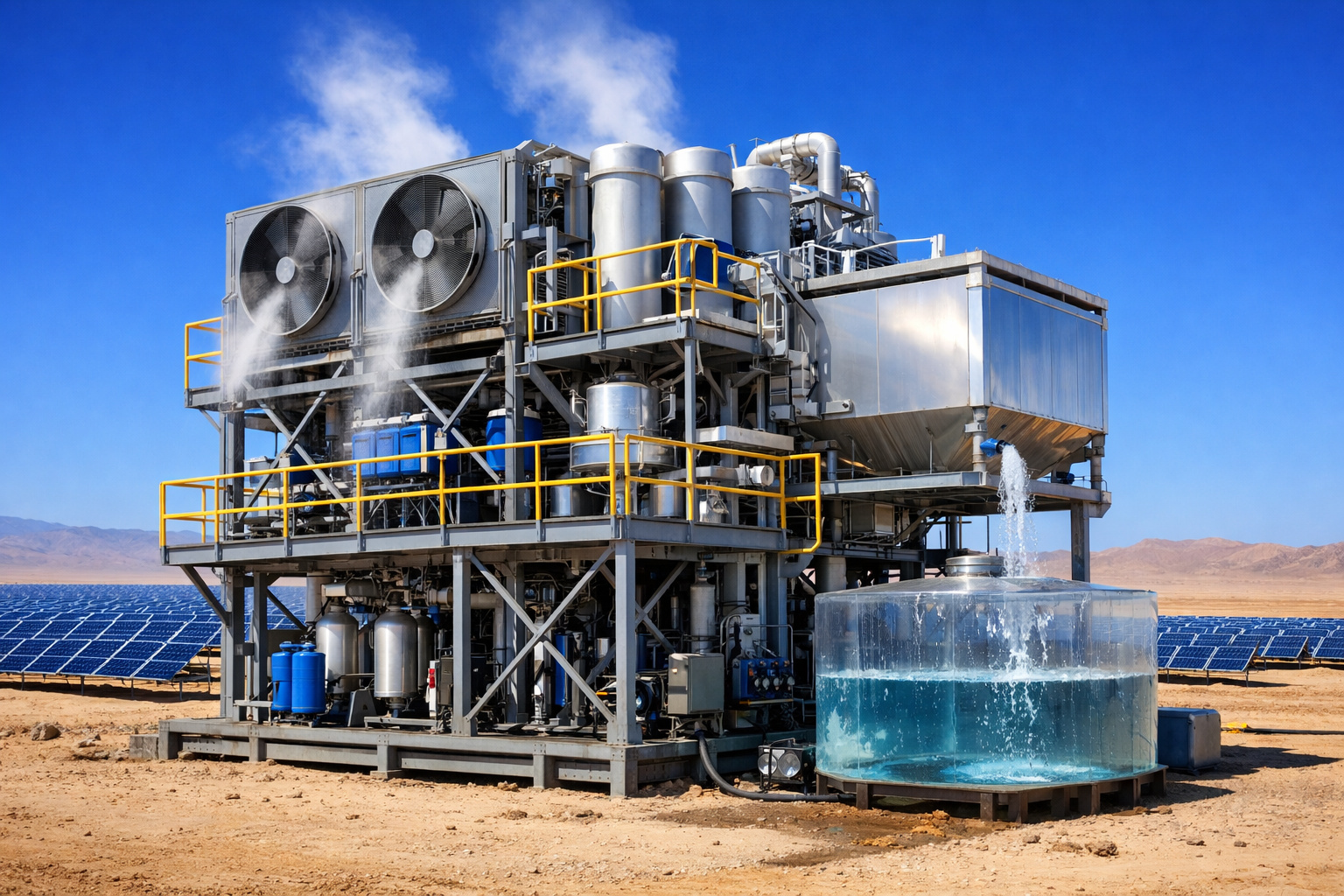
For decades, water scarcity has always been considered one of the greatest challenges for countries located in arid regions of the planet. Places like the Middle East, parts of Africa, and even regions of Latin America grapple with scarce rainfall, limited reservoirs, and accelerated population growth. However, a relatively recent technology has been catching the attention of experts around the world: machines capable of extracting water directly from the air.
Although the idea may seem futuristic, it is already a reality in various regions. Large equipment installed in desert areas can capture humidity present in the atmosphere and transform it into potable water. In some projects, these installations produce thousands of liters of water daily, providing a strategic alternative for places where access to traditional sources is limited.
This type of technology is starting to gain relevance precisely at a time when water scarcity is becoming a global concern. According to estimates from international organizations, billions of people may face difficulties accessing water in the coming decades. Therefore, innovative solutions that utilize available natural resources, such as air humidity, have been increasingly explored.
-
A study reveals the expansion of renewable energy procurement in Brazil and shows how companies are taking advantage of opportunities to reduce expenses, ensure energy efficiency, and strengthen strategic environmental commitments.

-
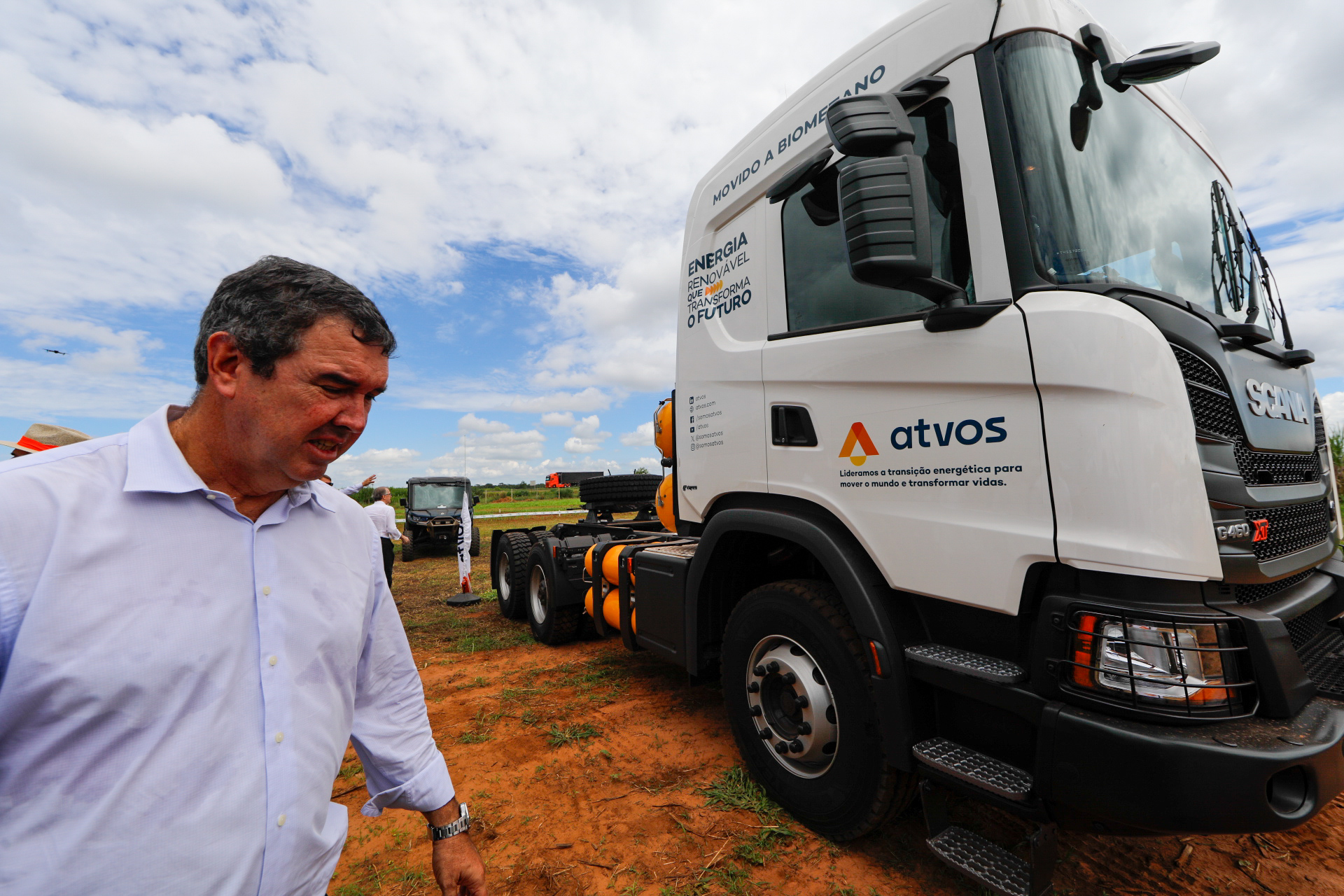
Mato Grosso do Sul excels in the sugar-energy sector: the state reaches a milestone of 22 operating mills and accelerates the production of clean energy in MS with a focus on sustainability.
-
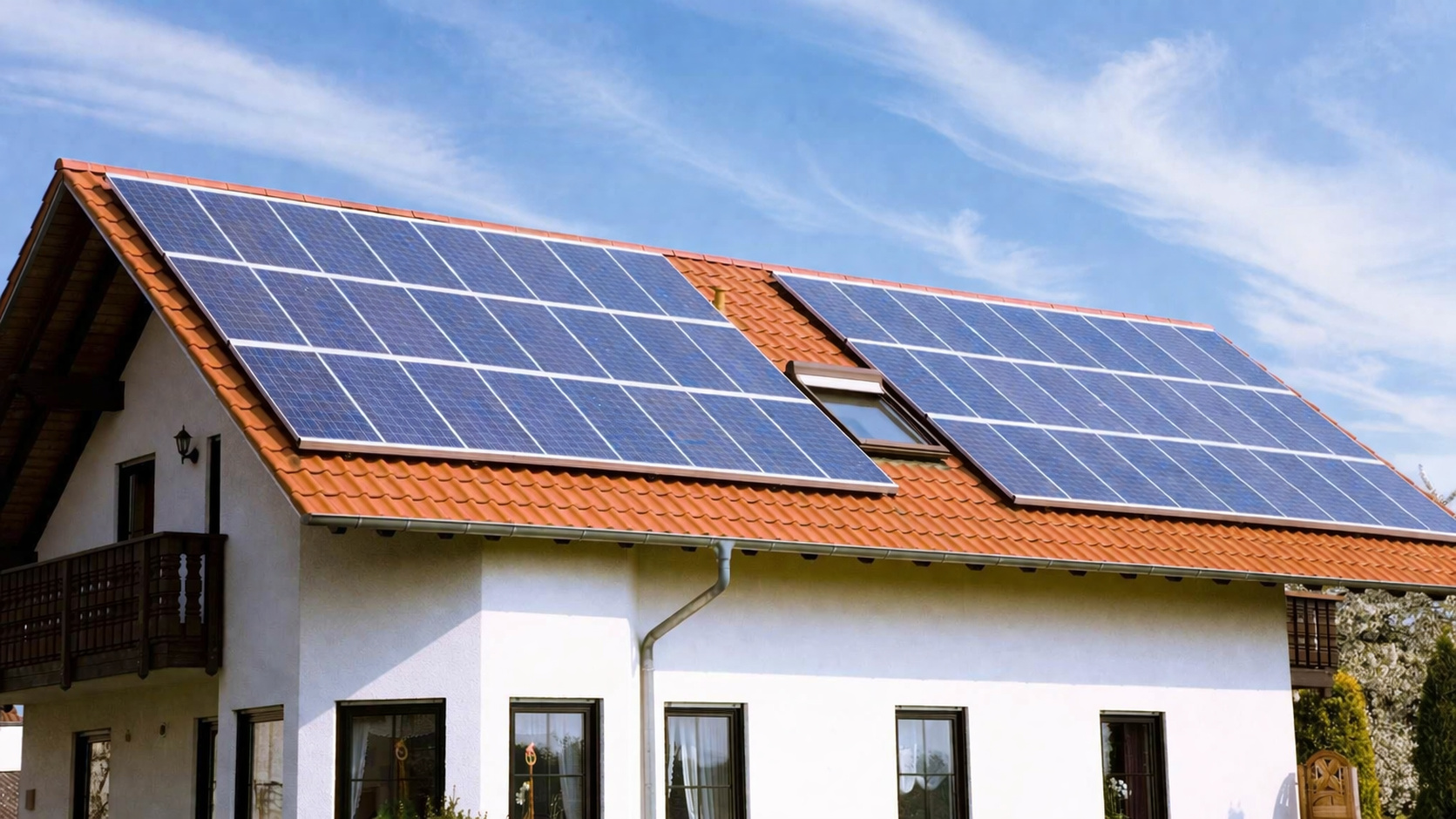
National energy dilemma: Brazilians support clean energy but reject increases in tariff costs to finance the sustainable transition.
-
Research indicates that Brazilians support clean energy and wish to advance in the energy transition, but reject paying more on their electricity bill, showing a direct conflict between cost and sustainability.


How Machines Can Produce Water Directly From The Atmosphere
The operation of these technologies is based on a relatively simple principle: air always contains a certain amount of water vapor, even in areas considered dry. Specialized equipment captures this air and subjects it to cooling or condensation processes, causing the vapor to turn into liquid water.
This process is similar to what happens when water droplets appear on the surface of a chilled glass on a hot day. In the case of industrial machines, however, everything occurs on a much larger scale. Filtration and purification systems ensure that the collected water is safe for human consumption.
Some of these machines use solar energy to operate, making the process even more interesting for regions with high sunlight incidence, such as deserts. This reduces operational costs and increases the sustainability of the system.
Currently, there are projects that can produce hundreds or even thousands of liters of water per day, depending on climatic conditions and the capacity of the equipment. In places with higher relative humidity, the production can be even more significant.
Projects In Arid Countries Show The Potential Of The Technology
Several countries have already begun investing in atmospheric water generation systems. Regions of the Middle East, for example, have been testing these technologies to supplement the supply of isolated communities or areas with limited water infrastructure.
In some cases, the equipment is installed near small towns or villages, where constructing large supply systems would be economically unfeasible. In these situations, producing water directly from the air may be a simpler and more efficient solution.
In addition, some companies and research centers are working on developing increasingly larger equipment capable of serving entire communities. The goal is to transform this technology into a complementary source of drinking water, reducing dependence on natural reservoirs and traditional collection systems.
Another important point is that these systems can operate in locations where other solutions would not be viable. Even in low humidity environments, more advanced technologies can capture small amounts of water vapor present in the atmosphere and convert them into liquid.
Technology May Become A Strategic Alternative In The Future
Experts believe that the production of water from the air may play an important role in the future of global water security. Although it does not completely replace other supply sources yet, it is already proving to be a promising alternative for regions with severe water scarcity.
With advances in engineering and reductions in production costs, it is expected that these machines will become increasingly efficient and accessible. This could allow entire communities to adopt this technology as part of their supply systems.
Additionally, the growing demand for sustainable solutions is likely to further drive the development of such technologies. In a scenario of climate change and rising global population, finding new ways to produce drinking water may become an urgent necessity.
Thus, machines capable of transforming air into potable water cease to be just a technological curiosity and begin to represent a real possibility of tackling one of the greatest environmental challenges of the 21st century: ensuring access to water for all.
Do you believe that producing water directly from the air could become the main solution to the global water crisis in the coming decades?









-

-

-

-

13 pessoas reagiram a isso.