





 Português
  Inglês
  Espanhol
  4 min de leitura
  0 comentários


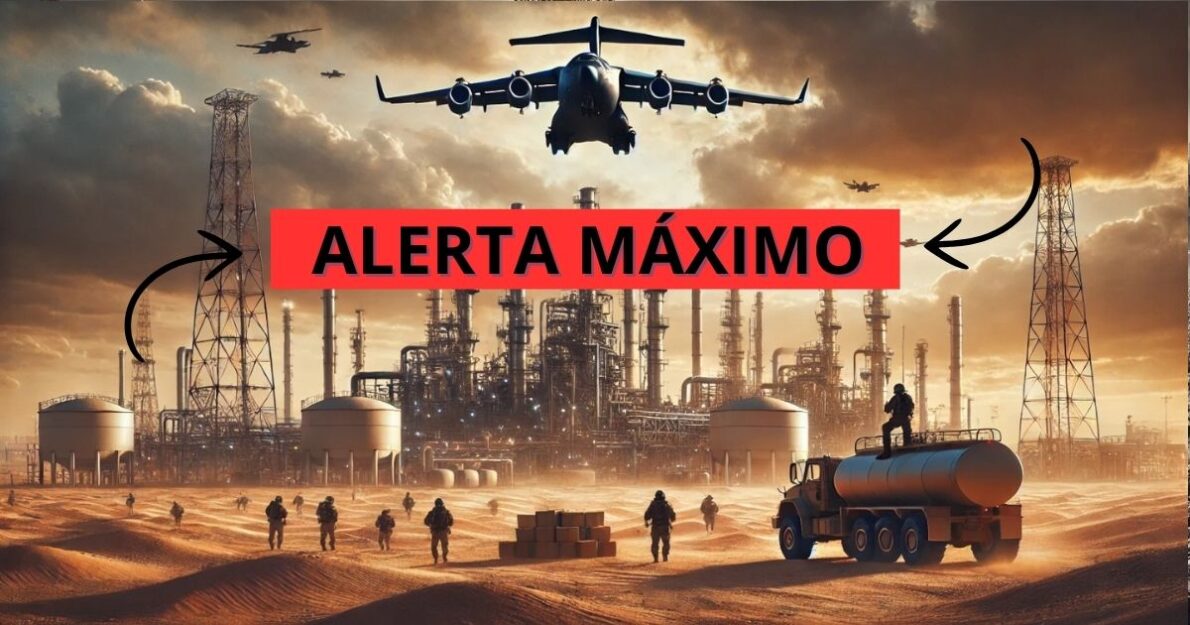
The Gulf Countries Are on High Alert, Fearing That an Attack by Israel on Iran Will Trigger Devastating Retaliations and Directly Impact Global Oil Supply. The Tension Between Middle Eastern Powers Could Unstabilize the Global Economy. The Conflict Is About to Explode!
Amid the growing tension in the Middle East, the global geopolitical balance is more fragile than ever.
Quietly, while the world looks at other conflicts, a silent battle is about to explode in the heart of the largest oil-producing region on the planet.
The dispute between Israel and Iran, which has been evolving for years with veiled provocations, now directly involves the major Gulf powers, which fear for the future of their own strategic infrastructures.
-
With 11,000 tons and sensors capable of hunting submarines at long distances, the Type 055 has become one of the most feared floating arsenals of the Chinese navy.

-
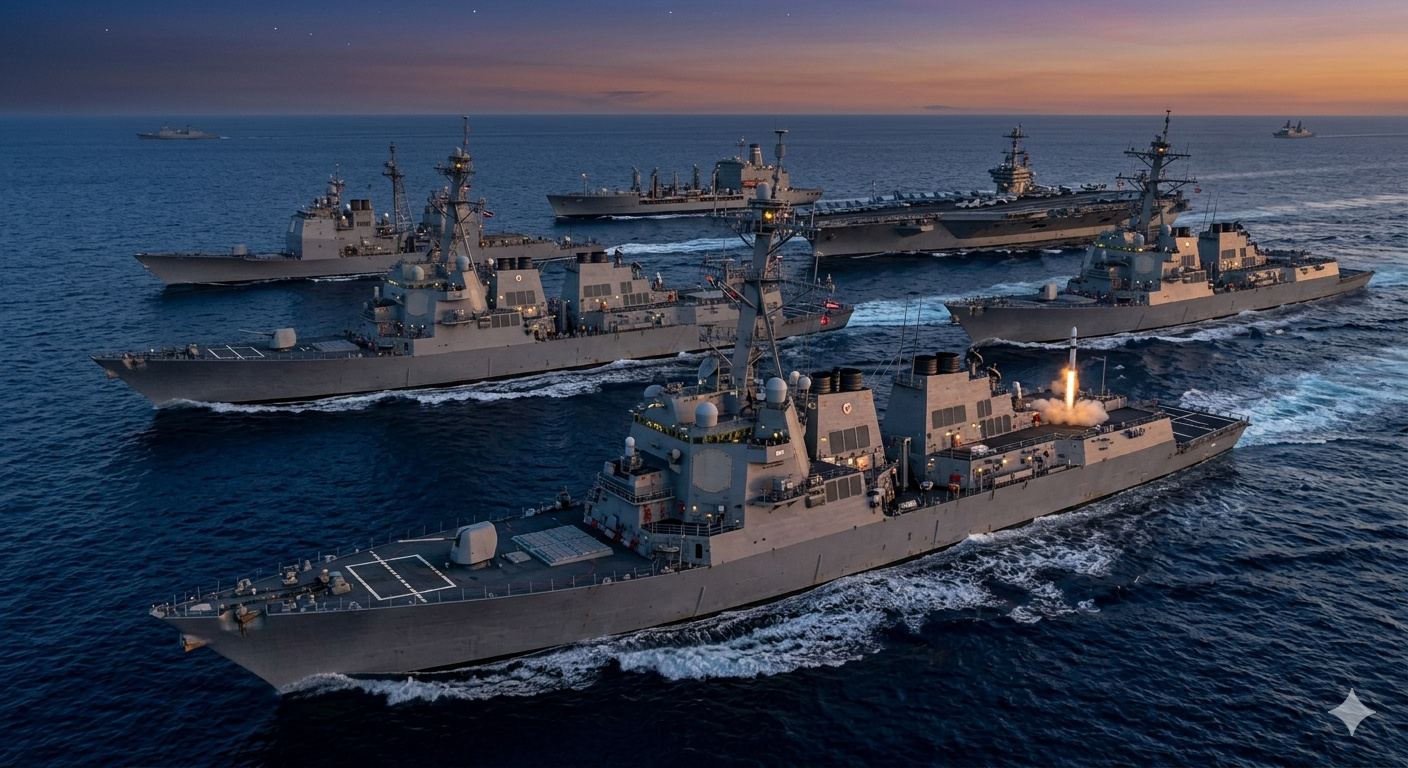
With over 15,000 tons, radars capable of tracking hundreds of targets simultaneously, and more than 120 missiles ready for launch in seconds, modern destroyers cease to be escorts and begin to dominate the naval battlefield.
-
With over 15,000 tons, radars capable of tracking hundreds of targets simultaneously, and more than 120 missiles ready for launch in seconds, modern destroyers cease to be escorts and begin to dominate the naval battlefield.
-
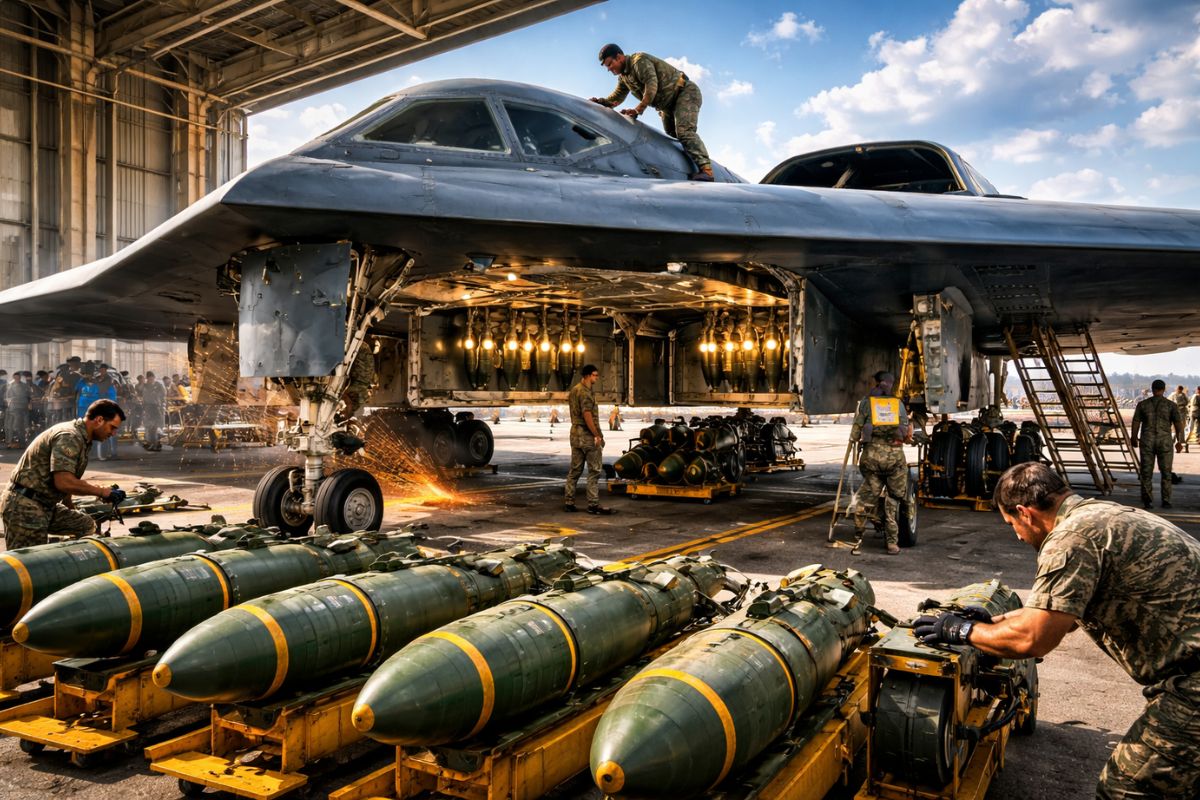
Valued at over $2 billion, the B-2 Spirit bomber requires meticulous inspection, bombs calibrated in a controlled environment, and extreme preparation to disappear from radar and launch attacks with lethal precision.
In recent weeks, anonymous sources from the Gulf have stated that governments in the region have been pressuring Washington to contain Israel.
The main concern? An Israeli attack on Iranian oil facilities.
The Gulf countries, including Saudi Arabia, the United Arab Emirates (UAE), and Qatar, fear that a retaliation from Tehran could end up hitting their own facilities, crucial for the global economy.
According to three sources interviewed by the Reuters agency, these countries are so apprehensive that they refused to allow Israel to use their airspace for attacks on Iran, demanding that the U.S. intervene to prevent a conflict of unimaginable proportions.
The Impact of Oil in the Gulf
Saudi Arabia and the United Arab Emirates are at the center of the dilemma. The Gulf is the beating heart of global oil production, with enough capacity to compensate for any drop in Iranian supply.
However, if their facilities are also hit, the world could face a collapse in oil supply.
The Organization of the Petroleum Exporting Countries (OPEC), effectively led by Saudi Arabia, plays a crucial role in stabilizing the oil market.
However, if an Iranian retaliation hits key Saudi or Emirati fields, the impact could be catastrophic.
This scenario is not mere speculation. The Saudis have reasons to be concerned, especially after the 2019 attack, when drones hit the Aramco oil field, temporarily shutting down more than 5% of global oil production.
Although Iran denied involvement, tensions have never been fully dissipated. Riyadh, despite having recently re-engaged with Tehran, still views the relationship with caution.
Trust among nations remains a lingering issue.
Growing Concerns and Pressures Behind the Scenes
According to sources close to government circles in the Gulf, the countries in the region are in constant contact with American authorities.
These communications aim to ensure that any Israeli response to a possible escalation is “measured” and carefully calibrated.
According to a person in Washington familiar with the discussions, the Gulf countries are not only concerned about oil facilities.
They also fear that an uncontrolled retaliation could trigger a regional conflict of much greater proportions.
The U.S. allies in the Gulf, such as Saudi Arabia, UAE, Bahrain, Qatar, and Kuwait, also host American military bases, which adds an extra layer of complexity.
If the conflict escalates, U.S. bases in the region could become targets for Iran-aligned groups, such as the Houthis in Yemen, who have already demonstrated the capability to launch significant attacks in the region.
In 2022, for example, missiles and drones aligned with Iran hit oil supply trucks near an Adnoc refinery in the UAE.
Israel and the Strategic Alternatives
Given this scenario of pressures and limitations, Israel has shown itself to be strategically constrained in the region.
With the Gulf countries’ refusal to allow their airspace to be used for military operations against Iran, Tel Aviv would need to seek alternative routes for any attack.
Analysts state that Israel has the capability to circumvent the situation using aerial refueling and routes through the Red Sea, the Indian Ocean, and the Gulf of Oman.
Israeli sources indicate that the government has not yet made a final decision on attacking Iranian oil facilities.
This option, while on the table, would be a high-risk action, considering the response that the attack could trigger.
Israeli defense officials are assessing alternatives and calibrating the best strategy to avoid an irreversible escalation in the conflict.
The Future of Oil and the Stability of the Gulf
In light of this tense situation, the central question remains: what will be the future of oil in the Middle East if this conflict intensifies? The world, dependent on oil production from the Gulf, watches with concern the developments of these behind-the-scenes discussions.
If Israel and Iran really come to blows, what will be the consequences for global energy supply and the world economy?
The international community waits anxiously, and global leaders race against time to prevent the region from plunging into yet another devastating war.
The Persian Gulf, with its vast oil fields and strategic interests, remains one of the main focuses of global tension.
Now, we want to hear your opinion: will the Gulf countries be able to avoid a direct confrontation that threatens the stability of the region and the global oil market? Leave your comment!







Seja o primeiro a reagir!