





 Português
  Inglês
  Espanhol
  4 min de leitura
  52 comentários


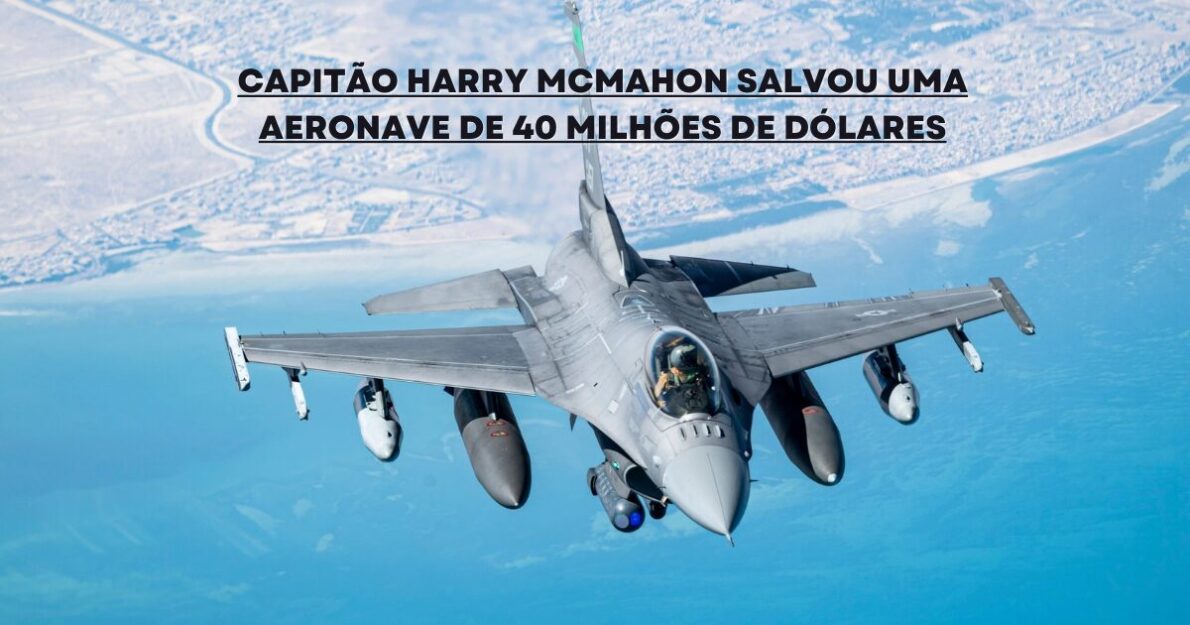


In A High-Risk Maneuver, Captain Harry McMahon Saved A $40 Million Aircraft After A Critical Engine Failure During A Training Flight In South Korea. The Pilot’s Bravery Earned Him The Prestigious Koren Kolligian Jr. Trophy, Highlighting The Value Of Training In The U.S. Air Force.
A routine flight turned into an operation of extreme tension for Captain Harry “Butcher” McMahon, a pilot in the United States Air Force (USAF).
During a training mission in South Korea, he faced a critical failure and had to execute one of the riskiest maneuvers of his career to save an aircraft valued at $40 million. But what really happened aboard the F-16 that day? The details are astonishing.
With his courage and skill, McMahon was able to avoid the worst, ensuring the safety of the mission and the expensive military equipment.
-
The U.S. Army receives the first Black Hawk helicopter that can fly without pilots, be controlled by a tablet, and even land on its own during high-risk missions.

-
With 11,000 tons and sensors capable of hunting submarines at long distances, the Type 055 has become one of the most feared floating arsenals of the Chinese navy.

-
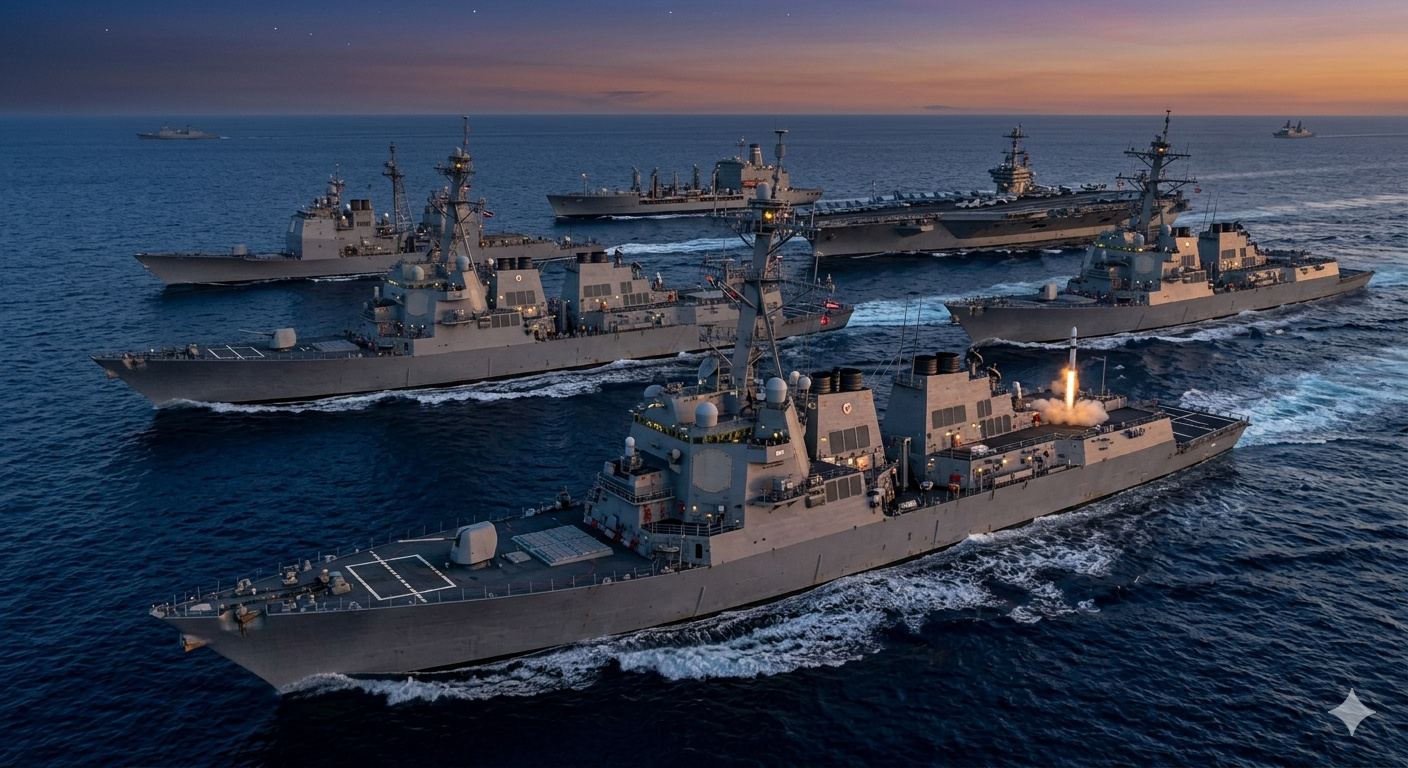
With over 15,000 tons, radars capable of tracking hundreds of targets simultaneously, and more than 120 missiles ready for launch in seconds, modern destroyers cease to be escorts and begin to dominate the naval battlefield.
-
With over 15,000 tons, radars capable of tracking hundreds of targets simultaneously, and more than 120 missiles ready for launch in seconds, modern destroyers cease to be escorts and begin to dominate the naval battlefield.


He was recently honored with the prestigious Koren Kolligian Jr. trophy, one of the highest awards in the USAF recognizing flight safety.
The ceremony took place at the Pentagon, where military leaders celebrated the captain’s skill and control, which, by acting quickly in an extremely difficult situation, preserved one of the most advanced aircraft in the U.S. arsenal.
In-Flight Emergency
According to the portal Sociedade Militar, on July 28, 2023, McMahon was on an advanced combat training mission in South Korea when his F-16 suffered a critical engine failure.
This situation left the pilot without propulsion and with few options other than to perform a “flameout landing,” a landing without engine power.
According to USAF reports, McMahon quickly diverted to Cheongju Air Base, a strategic and safe location for emergency situations.
However, as he approached for landing, a new complication arose: two South Korean F-35s were cleared to take off in the opposite direction, creating a conflicting air traffic situation at a critical moment.
Despite the pressure and imminent danger, McMahon was able to maneuver his aircraft with precision, avoiding a collision.
Skill And Training In Action
According to the Chief of Staff of the Air Force, General David Allvin, Captain McMahon exemplified the true spirit of an American aviator by demonstrating exceptional skill in maintaining control of the situation.
“His calm under pressure and ability to make quick decisions were essential in saving the F-16 and avoiding a tragedy,” Allvin stated during the award ceremony.
The precision and composure of McMahon allowed him to land safely while the South Korean fighters flew over his landing path.
The award, created in honor of Lieutenant Koren Kolligian Jr., is presented annually to crew members who demonstrate exceptional skills in emergency situations.
Since 1955, the Koren Kolligian Jr. trophy has recognized the bravery of pilots who, by following strict protocols, have managed to minimize risks and ensure safety in flight, even under adverse conditions.
The Importance Of Rigorous Training
For Captain McMahon, the experience was a testament to the value of the training provided by the U.S. Air Force. He emphasized how flight simulators and emergency practices are essential in preparing pilots for real situations.
“I believe the Air Force is on the right track with the use of advanced technologies that truly simulate what we encounter in the field,” McMahon said when accepting the trophy.
Even after activating the Emergency Power Unit, which kept the aircraft’s basic functions running, the pilot could not restore propulsion.
It was necessary to follow every procedure and trust the protocols, which highlights the importance of discipline and preparation in dealing with unexpected events in flight.
A Tradition Of Courage And Excellence
The F-16 Fighting Falcon, which recently celebrated 50 years since its inaugural flight, has a rich history of operation in various combat scenarios.
McMahon’s feat adds a new chapter to the history of this fighter, reaffirming the importance of training and operational readiness in the U.S. Air Force.
According to the USAF, the model is known for its versatility and effectiveness, and McMahon’s action reinforces these attributes.
In addition to saving a valuable aircraft, the pilot highlighted teamwork and the support of his colleagues as crucial for the success of the mission.
McMahon received the award with humility and gratitude, attributing his achievement to the rigor of the training and quality of instruction he received.
Examples That Inspire Generations
For the U.S. Air Force, situations like the one faced by McMahon reinforce the institution’s commitment to safety and operational excellence.
By receiving the Koren Kolligian Jr. trophy, McMahon solidified his name as an example of courage and precision, essential attributes for an elite aviator.
The extraordinary feat of the captain not only preserved resources and lives but also inspired the military personnel present at the ceremony.
According to Allvin, McMahon’s actions serve as a reminder of the value of continuous training and readiness to respond to high-risk scenarios, qualities that define the American Air Force.
The award is a milestone not only for McMahon but also for all pilots who dedicate their lives to the defense and security of the United States and its allies.
Do you believe that training like that conducted by the U.S. Air Force is sufficient to ensure safety in extreme situations?







Na aviação somente o perfeito é aceitável, já passei por isto uma vez, claro no meu pequeno avião.
A matéria é interessante, mas a pergunta é um tanto quanto ****… A prova da eficácia do treinamento está clara na matéria e o **** que escreve faz este questionamento final…. é igual quando alguém perde um ente querido em uma situação violenta como um assalto, acidente automobilístico e o jornalista pergunta ao parente vivo: ” como você está se sentindo agora?” Lamentável…
O treinamento é a chave do sucesso..!