





 English
  Francês
  Alemão
  Italiano
  Japonês
  Norueguês
  Portuguese
  Spanish
  5 min of reading


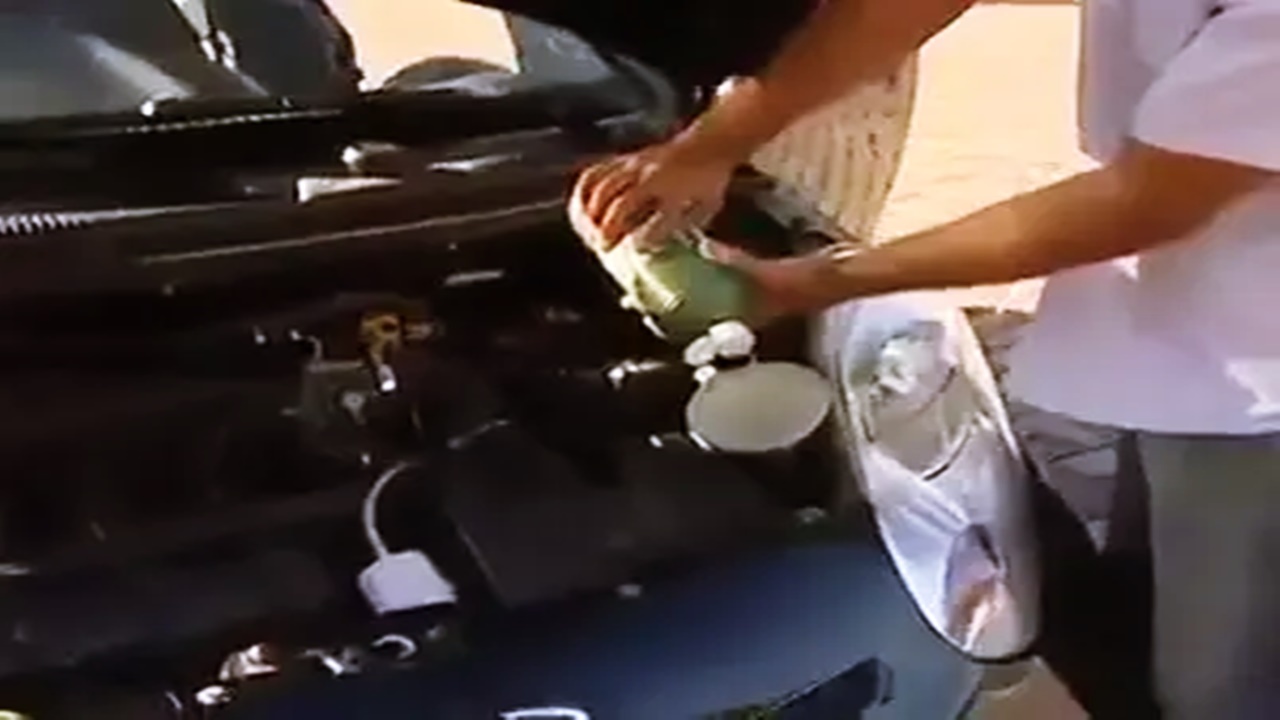
Is Water-Powered Car Possible? “Technology” That Uses Alternator Electricity to Extract Hydrogen from Water Promises to Reduce Fuel Consumption in Traditional Cars by More Than 80%
The best of Brazil is the Brazilians; with the price of gasoline, ethanol, diesel, and CNG being high, there is no shortage of advertisements for accessories that promise to reduce fuel consumption in vehicles. The new trend on the internet is a device that promises to convert conventional combustion engine cars into “water-powered” cars through a product known as hydrogen kit.
The technological gadget advertised on social media and e-commerce sites has an initial price of less than R$ 200 but can exceed R$ 1,000 depending on the brand and configuration. But the promise remains the same: the “technology” uses alternator electricity to extract hydrogen from water, which is stored in a small tank.
Is Water-Powered Car Possible? Watch the Video Below and Understand the Process:
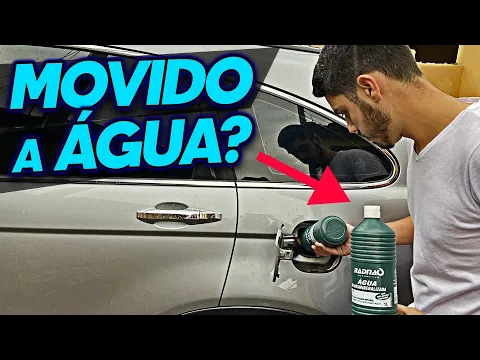

“Technology” That Uses Alternator Electricity to Extract Hydrogen from Water Promises to Reduce Fuel Consumption in Traditional Cars by More Than 80%
Flammable, hydrogen is then directed to the engine’s air intake system to generate internal combustion along with gasoline, ethanol, or diesel. Some sites promise more than 80% reduction in consumption thanks to this kit. After all, does it really work or is it just another fake news?
-
Brazilian giant expands borders in the Southeast: Petrobras confirms new oil discovery in ultra-deep waters in the pre-salt of the Campos Basin.

-
Alert in the global energy market: Severe tropical cyclone hits the coast and disrupts gas production at major plants in Australia, threatening global supply.

-
Petrobras finds high-quality oil in the pre-salt at 113 km from RJ and reignites expectations about strategic reserves in the Campos Basin.

-
Ocyan opens registrations for startups focused on innovation in the oil and gas sector and will select projects for Innovation Day with the support of Nexio.

According to specialists, acquiring such hydrogen kits is equivalent to throwing money away, as the amount of gas generated is insufficient to cause a significant change in the engine’s consumption.
Is It Possible to Make a Water-Powered Car? Iberê from Manual do Mundo Responds.
For Iberê from Manual do Mundo, “The math doesn’t add up. The electricity needed to extract hydrogen from water with these kits is greater than the energy that the resulting gas can generate in the engine.”
Many people argue that it is possible to build a water-powered car. It would work as follows: you add water to the vehicle, apply electrical energy to perform electrolysis, separating the water molecules into hydrogen and oxygen. By breaking water, these two gases are produced. When you combine hydrogen and oxygen and ignite a flame, combustion occurs that could, theoretically, be used to power the car’s engine, creating a water-powered vehicle.
Watch the video or continue reading the article: below is a clear explanation of why this doesn’t work in practice.

To begin with, when you combine two hydrogen molecules with one oxygen, you create water. To separate the water back into hydrogen and oxygen, you need to perform electrolysis, a process that consumes electrical energy. You generate energy when burning hydrogen with oxygen, but the problem is that the energy needed to split water is exactly the same as the amount you recover by burning it. Basically, you spend energy to later recover the same amount, resulting in an inefficient cycle.
Moreover, the energy transformations involved are not efficient. When burning hydrogen and oxygen, the energy obtained is not fully utilized, and electrolysis requires more energy than initially anticipated, making the process unviable.
Despite this, there are vehicles that use water to generate hydrogen with the help of large batteries that sustain electrolysis for an extended period. Thus, hydrogen is generated and burned until the battery runs out.
In conclusion, at the end of the day, you have a car that is powered by a battery, not by water. It is not an electric car in the traditional sense since it uses combustion, but it relies on battery electricity to operate, stopping when the battery is depleted.
Hydrogen: The Fuel of the Future! Multinationals Audi, Nissan, Volkswagen, Bosch, and Porsche Have Invested in This Technology.
Undoubtedly, hydrogen and its various applications will play an important role in mobility. Countries like Germany have poured a lot of money into developing and improving gas usage technology as a way to reduce and eventually cut dependence on fossil fuels.
Since June 2021, multinationals Bosch, Nissan, and Volkswagen have been heavily investing in technology that obtains hydrogen from ethanol; this fuel aims to revolutionize the automotive industry worldwide!
The multinational giant Bosch is a company that believes in the electrification of cars using ethanol. This will be possible thanks to the development of ethanol-based fuel cells, also being developed by Nissan and Volkswagen. With this technology, a chemical reaction occurring within the vehicle’s engine extracts hydrogen from ethanol and generates electricity capable of moving it autonomously without generating pollutant emissions.
“This is a great opportunity for Brazil and the ethanol industry to generate energy with hydrogen cells, both for stationary applications and urban mobility. By 2050, we know we will have carbon dioxide (CO2)-free mobility, and Brazil made the right decision in promoting ethanol, as it is a biofuel that also boosts the local economy and creates jobs for the country,” said Bosch’s president in Latin America, Besaliel Botelho. Read the full article here.
Bosch Brought Manufacturing from the USA to Brazil and Since Then Offers Many Job Opportunities for High School, College, and Internships in Its Factories in SP, Curitiba, and More Regions in Brazil
Since 2021, when the multinational Bosch brought manufacturing from the USA to Brazil, the multinational has not stopped hiring and is offering many job openings for high school and college levels, as well as internships. The opportunities are to meet the demands of factories in São Paulo, Curitiba, and other regions of Brazil.
Benefits: Bosch offers employees medical and dental assistance; on-site cafeteria; private pension plan; medication reimbursement; life insurance; variable compensation; Christmas basket; shuttle or transportation allowance.
Application: Those interested in applying for job openings must submit their resumes on the company’s website at this link. Good luck! Remember that Click Petróleo e Gás is not responsible for the selection process. The job opportunities offered by Bosch can be filled at any time.








Seja o primeiro a reagir!