





 English
  Francês
  Alemão
  Italiano
  Japonês
  Norueguês
  Portuguese
  Spanish
  4 min of reading
  2 comments


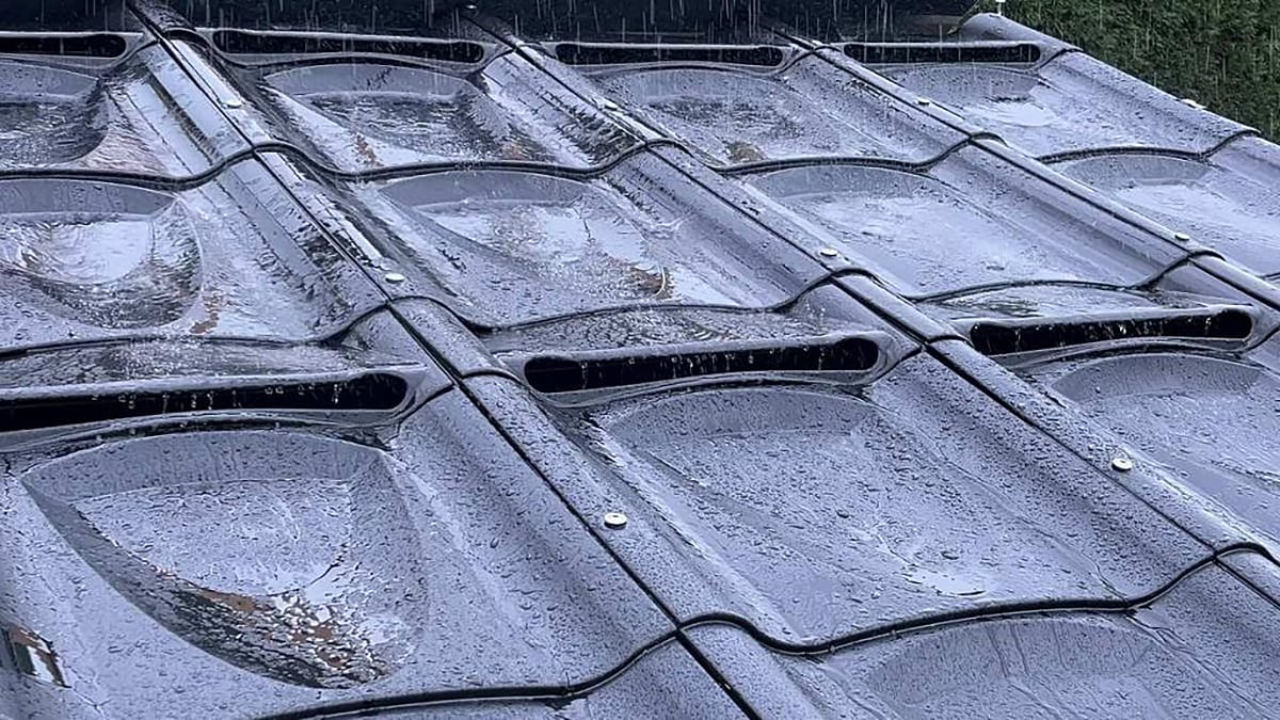


The Intelligent Cactile Roof Tiles Capture, Filter, and Store Rainwater, Helping to Combat Water Scarcity.
Water is one of the most valuable resources for life and the functioning of cities. However, the balance between excess and water scarcity has been a significant challenge in many parts of the world. With extreme weather events becoming increasingly frequent, technological innovations have become essential to ensure the efficient use of this vital resource. In this context, the system of Cactile tiles emerges as a revolutionary solution designed to capture, filter, and store rainwater, contributing to urban and rural sustainability.
Cactile: How the Idea of Roof Tiles That Store Water Came About?
Developed by Jean-Baptiste Landes, a specialist in hydroelectricity and river flow management, the Cactile system was inspired by cacti, plants known for their extraordinary ability to store water even in arid climates.

Like cacti, the intelligent roof tiles have been designed to capture and retain maximum rainwater, promoting efficient management of this vital resource.
-
A “silent skill” is allowing Brazilians to earn up to R$ 22,000 per month without a degree and become indispensable for companies that rely on millions of data to survive.

-
Researchers at the Toyota Research Institute found that if a human uses robotic arms to flip a pancake 300 times in an afternoon, the robot learns to do it on its own the next morning, and this is currently the most promising method to solve the biggest bottleneck in modern robotics.

-
Goodbye iron: a common item in households is starting to lose space to technology that smooths clothes in minutes without an ironing board and with less energy consumption.

-
Antarctica reveals an unusual clue high in the Hudson Mountains, and what appeared to be just an isolated rock began to expose a secret hidden under the ice for ages.


Made of galvanized steel, the tiles exhibit exceptional durability and resistance to adverse weather conditions.
With advanced design, they can retain up to 96% of the rainwater that falls on sloped roofs, reducing waste and preventing flooding.
Furthermore, the system features inlets designed to prevent debris, such as leaves and branches, from passing through, ensuring that only clean water is stored.
Innovative Solutions for a Sustainable Future
The Cactile system integrates functionality and efficiency.
The water collected by the tiles is directed to an integrated reservoir with a storage capacity of up to 40 liters per square meter.
This innovative design allows the technology to be used in new constructions and renovations, making it accessible for different types of buildings.
With a total weight of only 60 kg per square meter, including stored water, the tiles are a lightweight and viable alternative compared to other roofing solutions.
This enables their application in both residential and commercial buildings, contributing to water self-sufficiency.
Everyday Benefits
The adoption of the Cactile system offers numerous practical advantages.
For residents, the ability to store rainwater reduces costs on water bills and decreases reliance on the public water supply.
The captured water can be used for various domestic purposes, such as garden irrigation, cleaning, and toilet flushing.
In urban areas, the technology also stands out by mitigating the risk of flooding.
Retaining large volumes of rainwater reduces the overload on drainage and sewage systems, preventing flooding on streets and avenues.
Additionally, the stored water can be used to irrigate green areas, helping to reduce heat islands and promote a healthier urban environment.
The Cactile Roof Tiles Have an Optimized Design for Maximum Water Capture
The design of the Cactile tiles allows for a practical and quick installation, even in existing buildings.
The system includes automated controls to manage the use of stored water, ensuring efficiency in consumption.
The absence of electric pumps to transport the water is another important differentiator: the system uses gravity to direct the water straight to the points of use, such as faucets and toilets.
This eliminates costs associated with electricity and reduces environmental impact.
With climate change intensifying issues like prolonged droughts and frequent flooding, solutions like Cactile are becoming increasingly relevant.
The ability to capture and reuse rainwater contributes to water security and promotes more sustainable use of natural resources.
Moreover, the system helps reduce dependence on treated water sources for non-potable uses, such as cleaning and irrigation, alleviating pressure on water resources and urban infrastructure.
This is especially valuable in regions where water supply is limited or intermittent.
Cactile Roof Tiles Are the Sustainable Solution for the Future of Cities
The first commercial installations of Cactile roof tiles are scheduled for 2025, with pilot projects expected by the end of 2024.

Until then, the startup responsible for the development plans to further improve the system, maximizing its efficiency and expanding its applications.
Combining cutting-edge technology, sustainable design, and practical functionality, the Cactile roof tiles represent a significant advancement in rainwater management.
This innovation provides a practical solution to contemporary issues such as water scarcity and flooding, promoting a more balanced and sustainable future.
Adopting technologies like the intelligent Cactile tiles is an important step in addressing current environmental challenges.
By capturing and reusing rainwater, reducing waste, and mitigating flooding, these tiles not only ensure savings and efficiency but also contribute to a healthier and more resilient urban environment.
For more information about Cactile roof tiles, visit the official website by clicking here!







O mosquito da dengue agradece!
Muito interessante