





 Português
  Inglês
  Espanhol
  4 min de leitura
  0 comentários


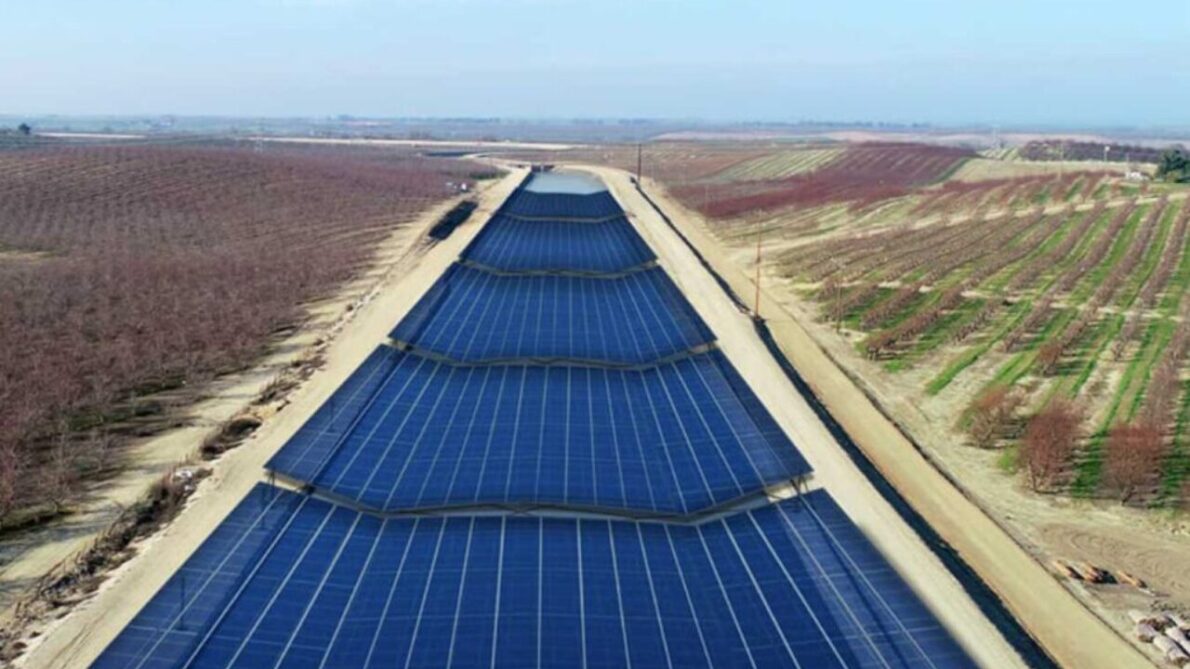
At A Time When Drought And Scarcity Of Natural Resources Are Critical Issues, The Solar Canal Project Offers A Promising And Sustainable Solution That Can Be Replicated In Other Regions Of The United States And The World.
The Gila River Indigenous Community, located south of Phoenix, Arizona, has taken a step towards sustainability by entering into an agreement with the U.S. Army Corps of Engineers. The solar canal project, which plans to install solar panels over a section of the irrigation canal on the community’s land, is the first of its kind in the United States to be actually implemented.
An Innovative And Sustainable Project
With the first phase expected to be completed by 2025, the project will cover 300 meters of the canal and generate one megawatt of electricity.
The energy produced will be used by the tribe to irrigate vital crops for the community, such as livestock feed, cotton, and grains.
-
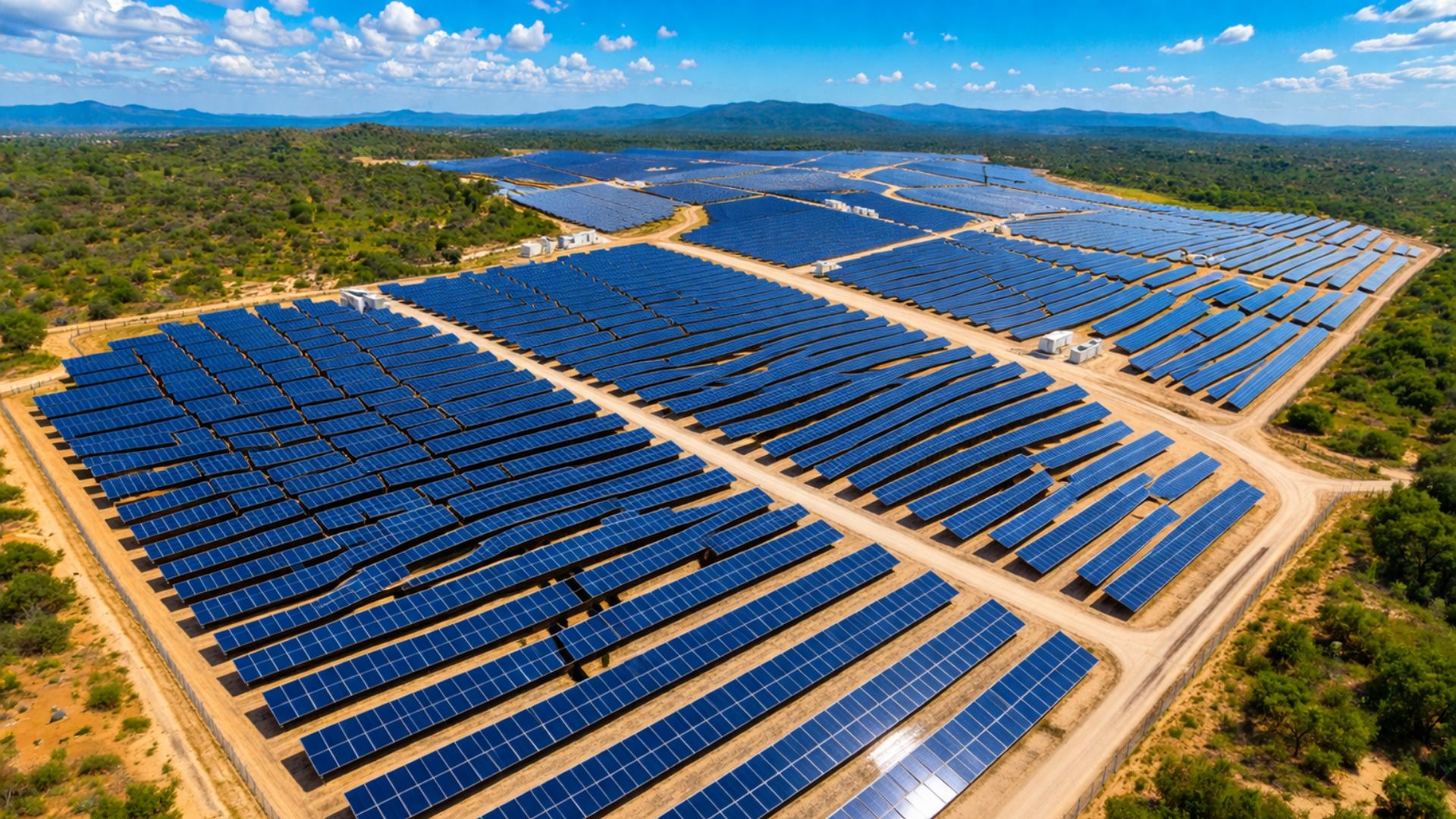
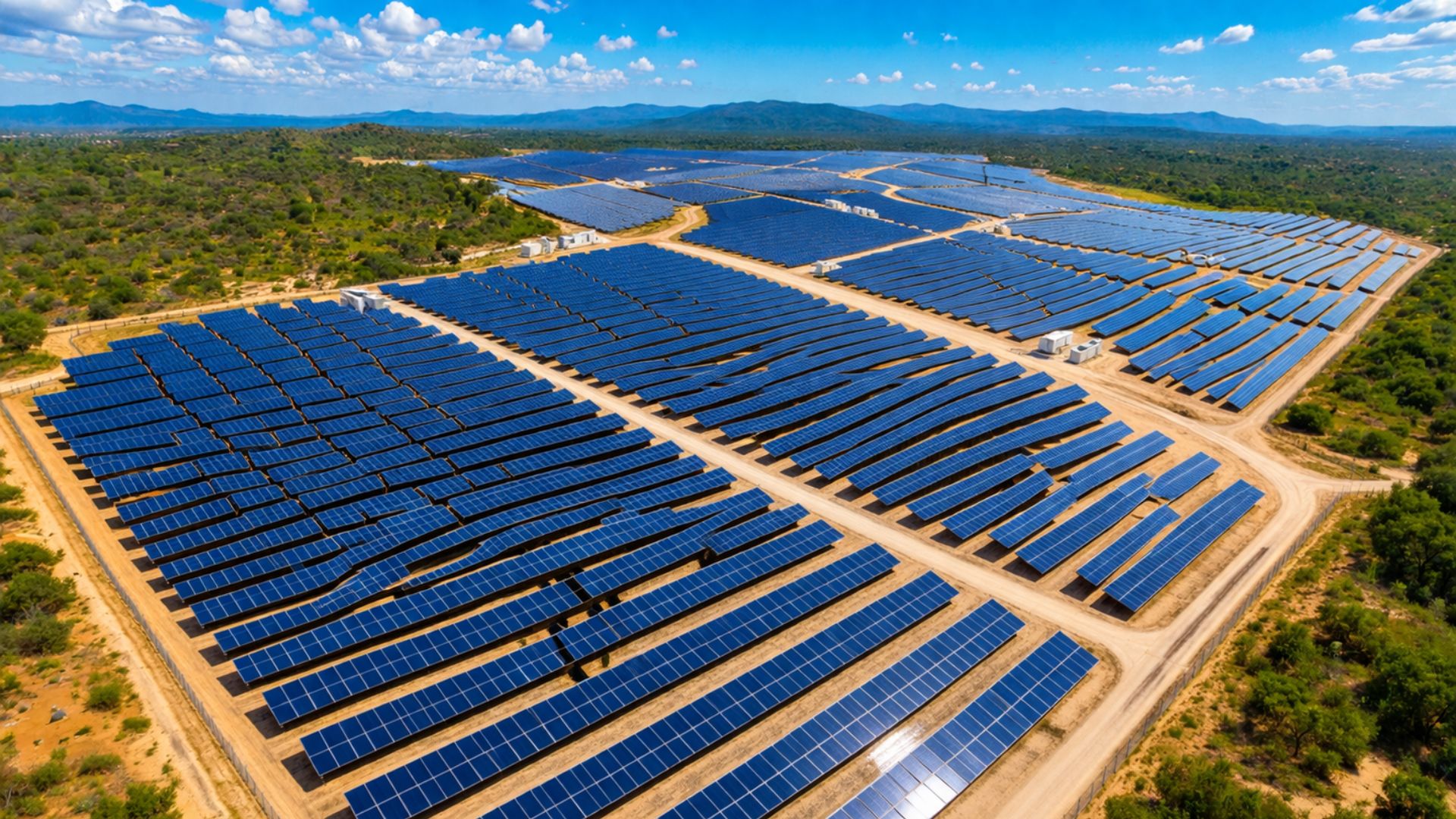
The Sol do Agreste Photovoltaic Complex begins operations in Pernambuco and accelerates the expansion of solar energy in Brazil, directly impacting the reduction of emissions and strengthening the sustainable energy matrix.
-
The Sol do Agreste Photovoltaic Complex begins operations in Pernambuco and accelerates the expansion of solar energy in Brazil, directly impacting the reduction of emissions and strengthening the sustainable energy matrix.
-
Roraima bets on the sun to escape high tariffs: Amid the energy crisis and price hikes, solar energy is growing in Roraima and transforming consumption in the North region.
-
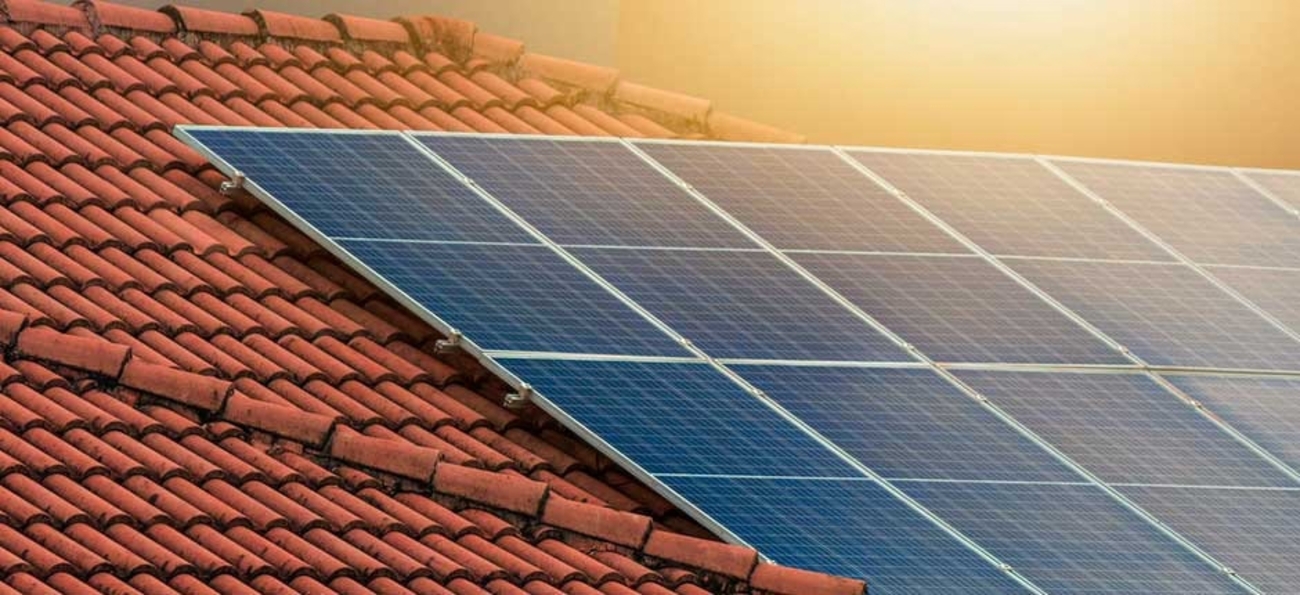
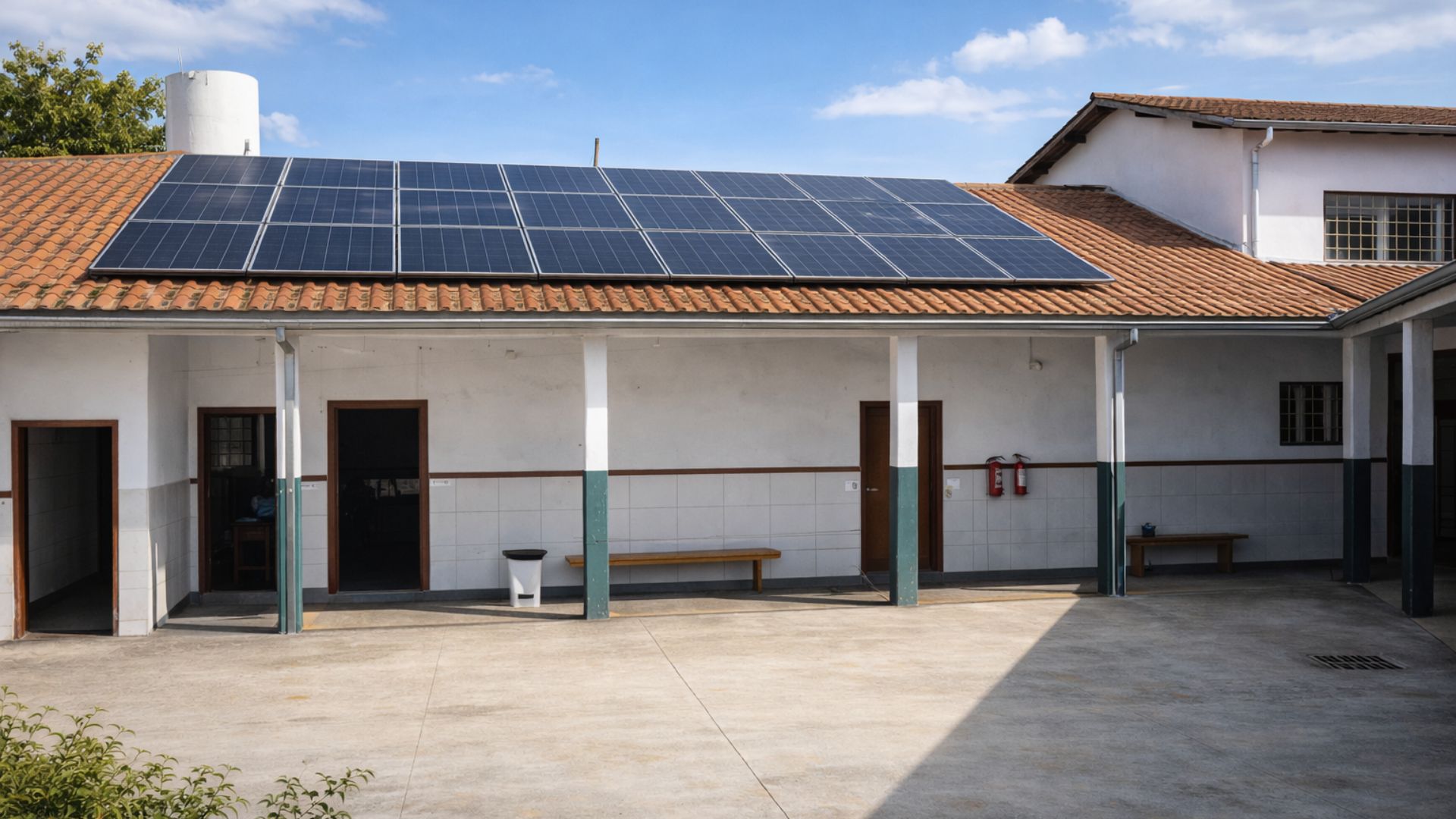
Copel boosts solar energy in Paraná and brings innovation to public schools, promoting savings on electricity bills, energy efficiency, and a direct impact on the quality of education.

The initiative is simple and efficient: install solar panels over canals in regions that face high solar incidence and water scarcity, reducing evaporation while simultaneously generating renewable electricity.
The initiative is a direct response to the environmental and resource challenges that the community faces.
In sunny areas like Arizona, evaporation of water in irrigation canals is a significant problem.
By covering the canals with solar panels, the community not only reduces this water loss but also harnesses solar energy to meet its energy needs.
Impact And Potential Of The Solar Canal
Studies conducted by the University of California, Merced, indicate that the potential for water savings by covering canals with solar panels is enormous.
It is estimated that 63 billion gallons of water could be saved annually if all 6,400 kilometers of canals in California were covered.
This approach not only conserves water but also significantly contributes to the generation of clean and renewable energy.
However, the project on the Gila River is not the first of its kind globally.
India, through the engineering company Sun Edison, inaugurated in 2012 the first canal covered by solar energy in the state of Gujarat.
Despite ambitious plans to cover 19,000 kilometers of canals, execution was limited to some small projects due to high capital costs, maintenance challenges, and technical difficulties, leading the company to file for bankruptcy.
Opportunities And Challenges Of The Solar Canal Project
The Gila River Indigenous Community initiative comes at a critical time when the western United States is facing a severe and prolonged drought, making water management a political and social priority.
Emerging technologies, such as cloud seeding and covering canals with solar panels, are gaining attention as possible solutions for water resource conservation.
The U.S. federal government has shown substantial support for water-saving projects, as evidenced by the $233 million pact signed with the Gila River Indigenous community.
This agreement aims to conserve about 60 centimeters of water in Lake Mead, one of the largest and most important reservoirs of the Colorado River, which is facing critically low levels due to drought.
Investment And Future Of The Project
The first phase of the solar canal project has an estimated cost of $6.7 million, of which $517,000 was provided by the Bureau of Reclamation.
This funding is part of a larger effort to explore and implement technologies that mitigate the water crisis in the western United States.
The implementation of this pioneering project in Arizona serves as an example of how Indigenous communities and government agencies can work together to tackle complex environmental challenges.
If successful, the solar canal project on the Gila River could become a model to be replicated in other regions of the country, promoting resource conservation and renewable energy generation.
The success of this project could spur new similar initiatives across the U.S., creating a network of solar canals that not only preserve water but also significantly contribute to the energy transition towards cleaner and more sustainable sources.
With the first phase scheduled for completion in 2025, the Solar Canal Project of the Gila River Indigenous Community promises to be a milestone in the history of sustainability in the United States, paving the way for new innovative solutions in the fight against climate change and resource scarcity.









Seja o primeiro a reagir!